Furnace Repair in Louisiana
Homes in Louisiana need heat for fewer months of the year than in 41 of the other 49 states.
Tell us about the job
Takes about a minute. No obligation.
- 43°Fwinter overnight low where people live
- 5 monthsof heat, November through March
- $16.04 per million Btuwhat homes paid for natural gas in 2024 (Btu means British thermal units, a measure of heat)
- 155winter storms from 2015 to 2024
What does a furnace in Louisiana face?
How cold do winter nights get?
43°Faverage overnight low where people live
North Dakota4°F
Hawaii65°F
How many months does the heat run?
5 monthsof heating a year
Hawaii0 months
Alaska12 months
What does natural gas cost?
$16.04per million Btu, what homes paid in 2024
Montana$7.77
Hawaii$53.25
How often do storms hit?
109severe weather events per county from 2015 to 2024
Alaska5
Wyoming1,057
How many homes lost power for a day or more?
49%of homes in 2024
Arizona7%
Maine54%
A furnace that doesn't work too hard
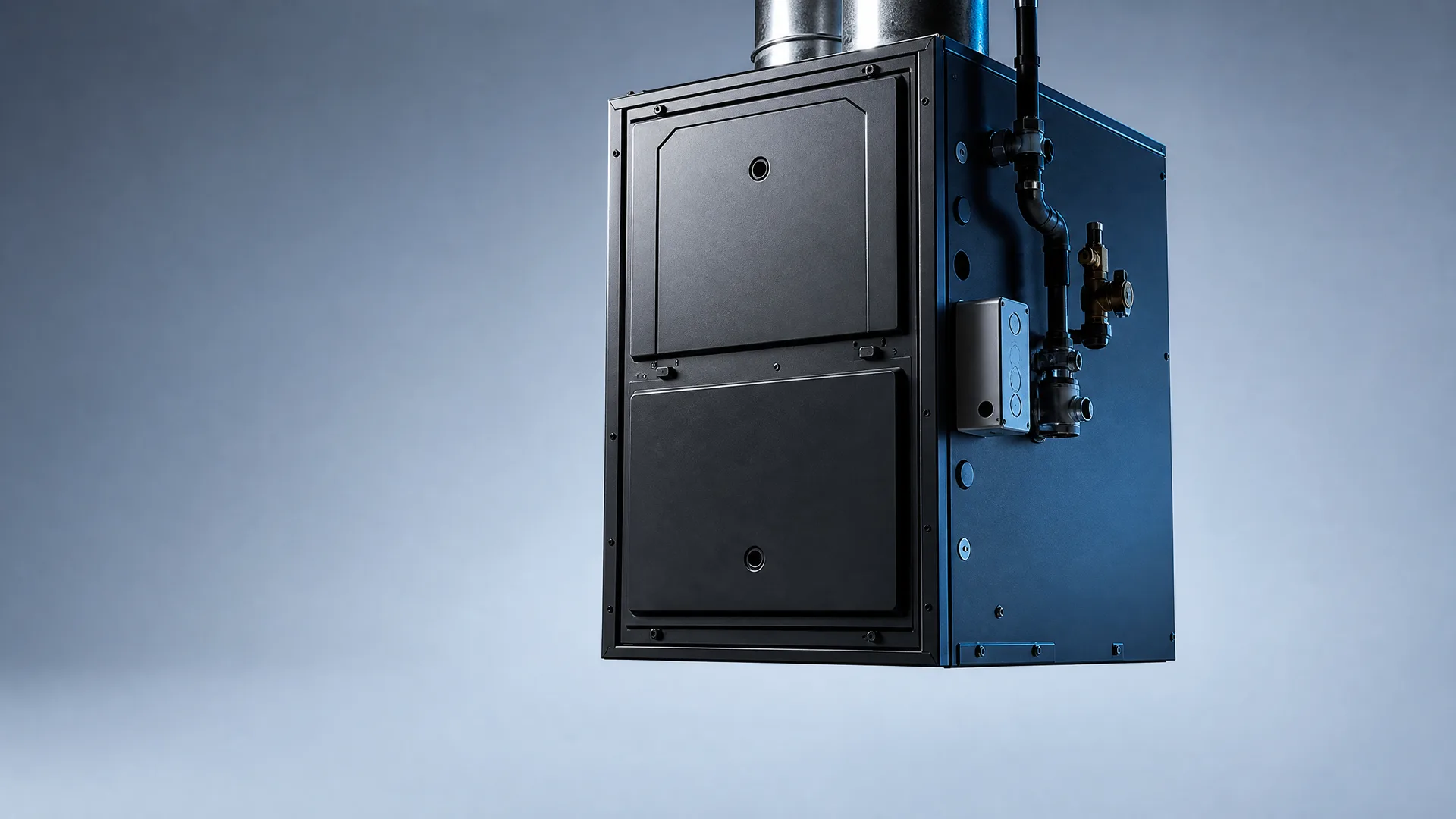
A furnace in Louisiana only has to work from November through March, and most nights in that stretch sit well above freezing. That's a light schedule next to what furnaces run in most of the country. A furnace that isn't asked to do much doesn't wear out fast, so when one starts acting up here, age alone is rarely the explanation. More often it's an igniter, a flame sensor, or a blower motor that's gone bad on its own, the kind of part failure that shows up regardless of how hard the system has been run. That's usually worth fixing rather than replacing.
The first cold nights find the weak part
November is when it gets tested first. A furnace that sat idle since March gets switched on and the weak part shows itself in the first cold snap, not in the middle of winter. If yours is going to struggle, it usually happens in the first few weeks it runs, not after.
A furnace repair that doesn't need to be complicated
Most homes here give a contractor a straightforward job
Most homes in Louisiana are the kind furnace techs see every day. Over two-thirds are single-family houses, not mobile homes, where a furnace repair can mean working around tighter spaces and different venting. Half the homes here were built in 1983 or later, so most furnace setups aren't something pieced together over decades in an old house. None of that points to a hard diagnosis. A furnace acting up in Louisiana is most likely doing it for the same reason one would anywhere else, and a contractor who works on these every week can usually find it fast.
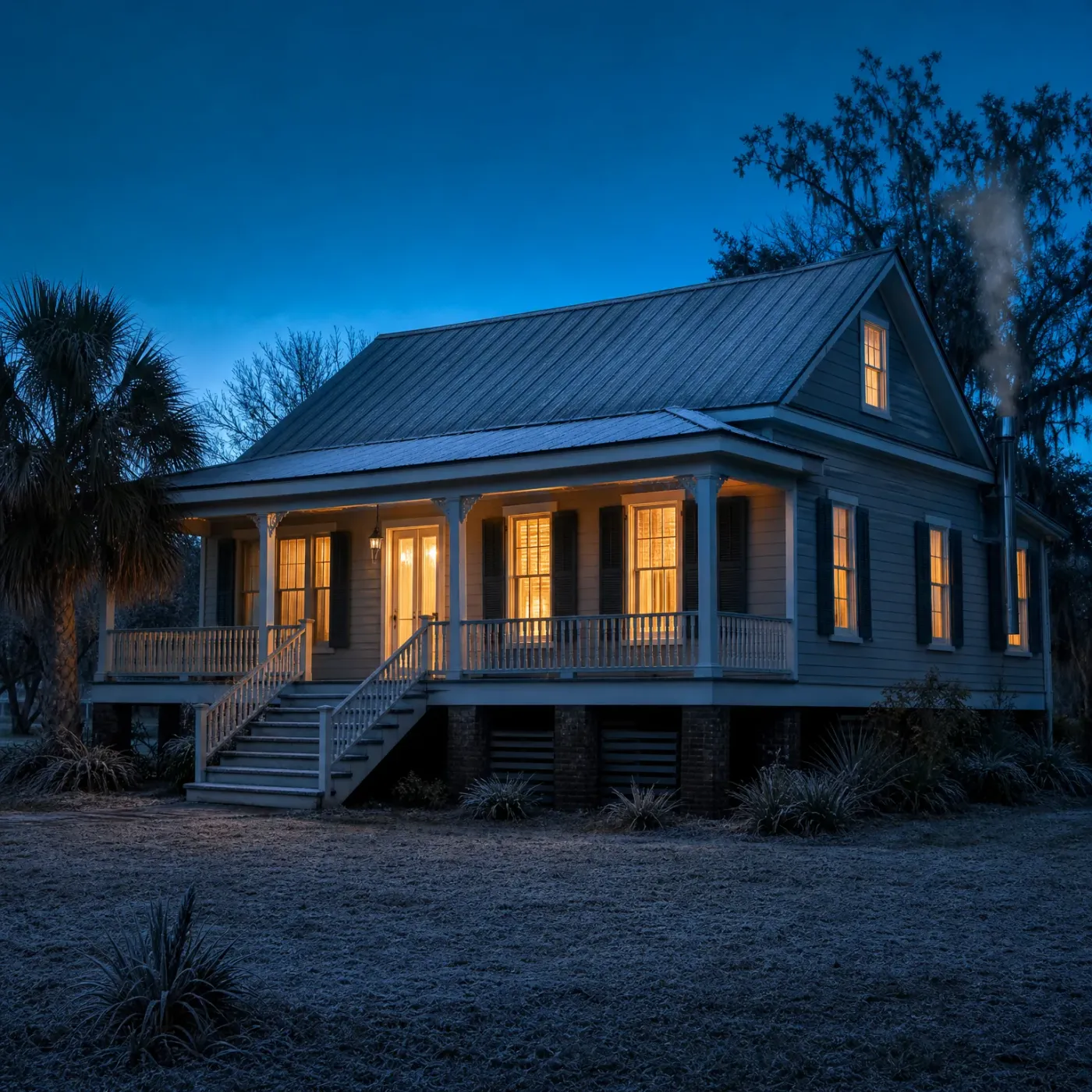
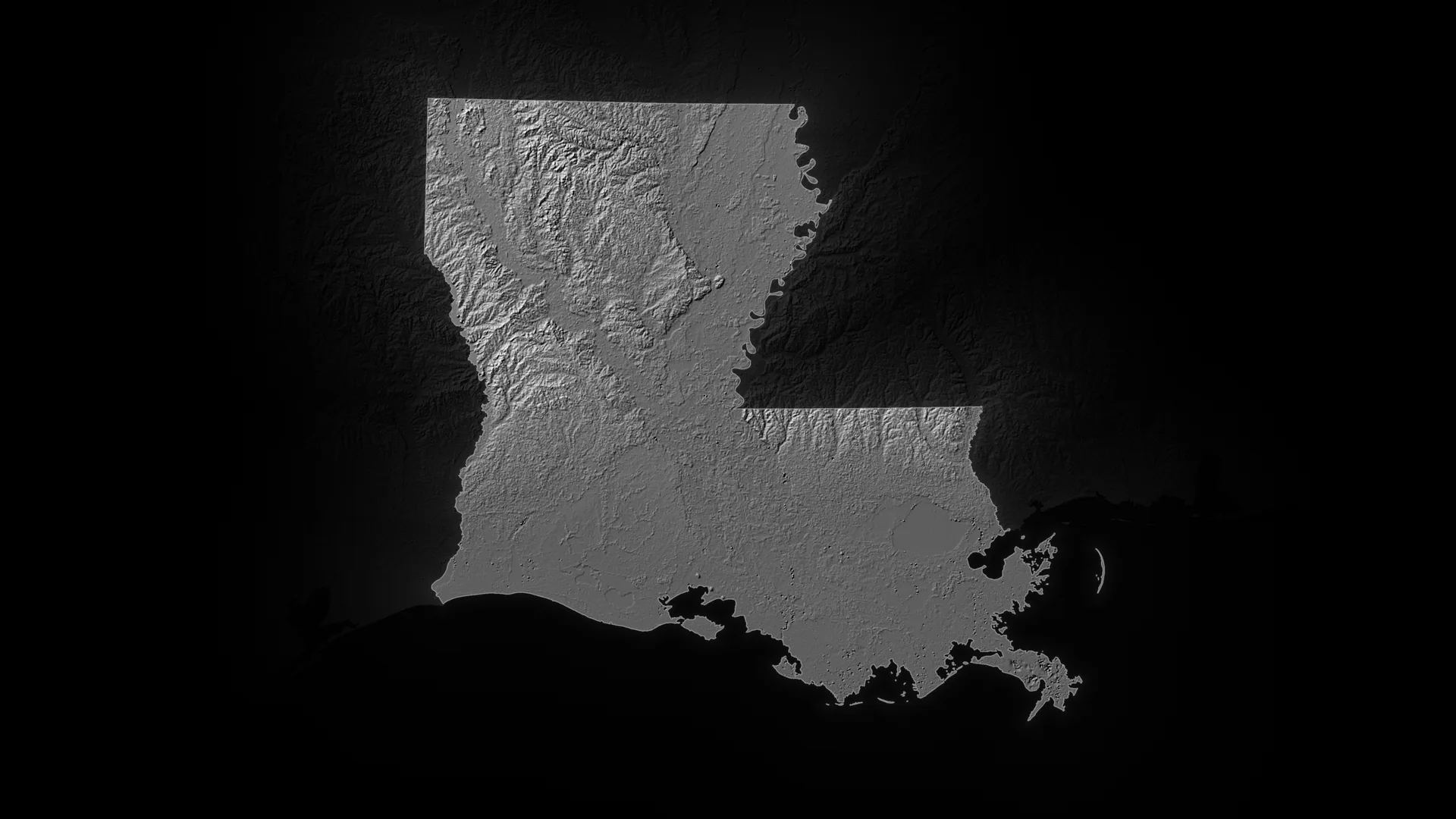
Louisiana doesn't ask much of a furnace anywhere in the state, but it asks more in some places than others. Homes in the northern counties need about 36% more heat over a year than homes in the southern counties. That's the same state, with two different workloads.
East Baton Rouge Parish runs its heat about 5 months a year, the longest stretch in Louisiana. Plaquemines Parish runs it about 3, the shortest, and its homes need the least heat over a year of anywhere in the state. Claiborne Parish sits at the other end, needing about twice as much heat over a year as Plaquemines Parish.
Winter nights follow the same split. Across the northern counties they average 40°F, against 45°F across the south. Claiborne Parish sees the coldest nights in the state, and Plaquemines Parish the mildest, rarely close to freezing.
None of this makes Louisiana a hard state on a furnace. Homes here need heat for fewer months than in 41 of the other 49 states, and winter nights are milder than in 47 of them. But a furnace in Claiborne Parish is still doing more work than one in Plaquemines Parish, and that gap is worth knowing before you start guessing at what failed.
Louisiana storms aren't the exception outages after them are
- Northern counties need about 36% more heat than southern ones
- Winter nights average 43°F where people live
- Heat runs November through March
- 155 winter storms from 2015 to 2024
- Climate zones 2A and 3A across the state
- 49% of homes lost power a day or more in 2024
- A furnace that won't light gets checked at the igniter, the flame sensor, and the gas valve, in that order.
- Weak heat with the blower running points somewhere different than a blower that never starts at all.
- Short cycling usually traces back to a dirty filter or a flame sensor giving a bad signal.
- A new bang or scrape on startup gets found and fixed before it turns into a bigger failure.
- Ruling out the thermostat early keeps the repair from stopping at the wall instead of the furnace.
Why furnaces actually break
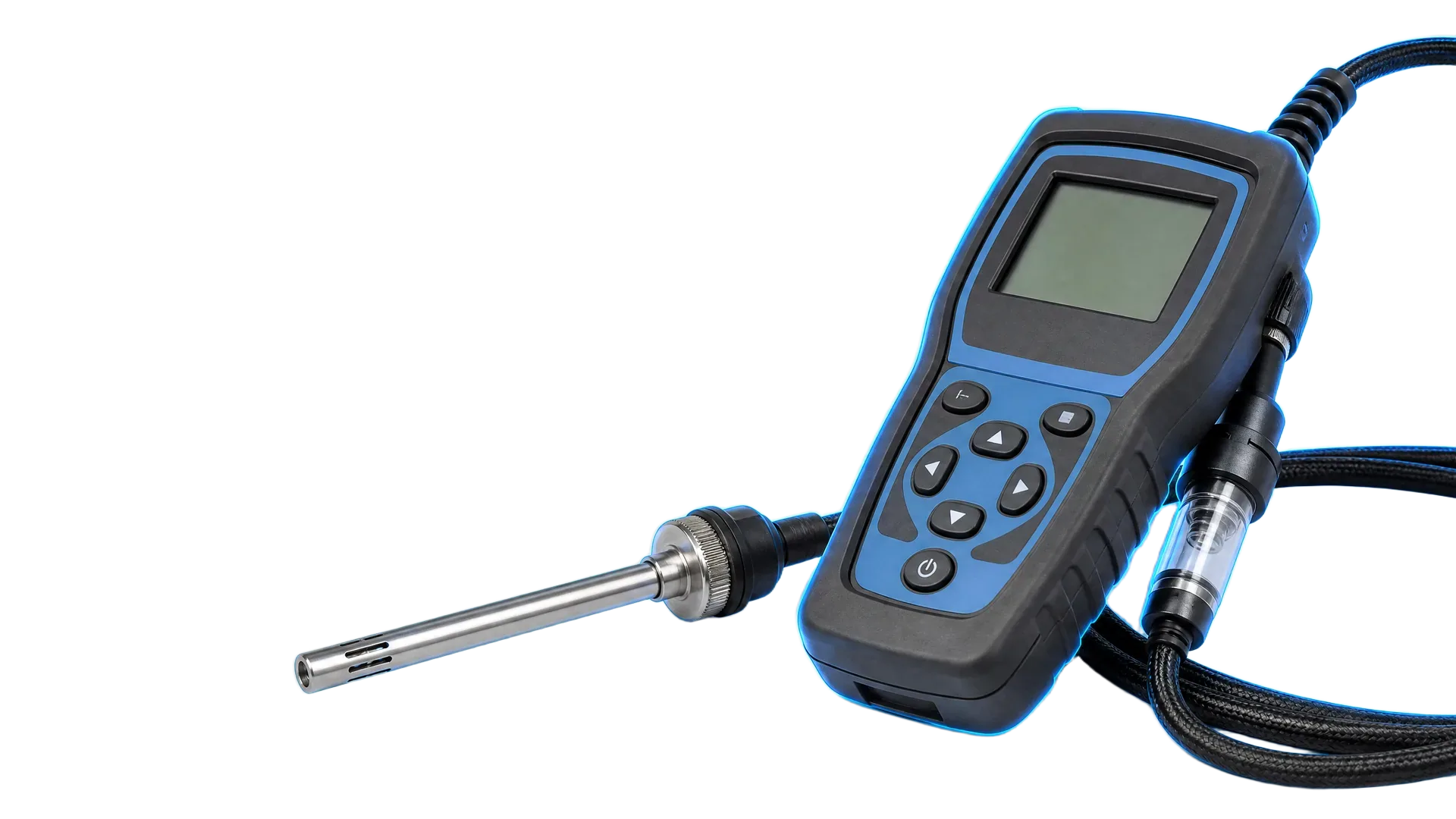
An igniter takes the most abuse. It heats up and cools down every cycle, and that stress eventually cracks it or wears it thin. A flame sensor fails quieter. It coats over with a thin film from normal combustion, stops sensing the flame, and the furnace shuts itself down as a safety response even though nothing is really wrong. Blower motors wear at the bearings over years of spinning. You'll hear that coming, a grinding or squealing on startup that gets worse over weeks before the motor actually quits. A dirty filter doesn't just choke airflow. It makes the furnace run longer to reach the same temperature, and that extra runtime is what pushes a weak igniter or a tired motor into failing sooner than it would have otherwise. Pressure switches and control boards fail less often. When they do, they stop a furnace cold with no warning at all.
Five months of running a furnace, even at mild temperatures, is still enough to crack an igniter or coat a flame sensor. The furnace doesn't know it's in Louisiana. Each time it fires, the igniter heats and cools the same way it would anywhere else, and that's what wears it down over a season, not the cold outside.
A 43°F overnight average means the furnace isn't fighting hard each time it runs, but it still runs on a normal schedule for five months straight. That's enough cycles for the usual parts to wear out in the usual order. The mild nights change how hard each cycle works, not how many cycles happen.
A furnace acting up here is usually a single worn part, not a sign it's done.
Tell us about the job
Takes about a minute. No obligation.
Fill out the form once and a licensed Louisiana furnace contractor calls you.