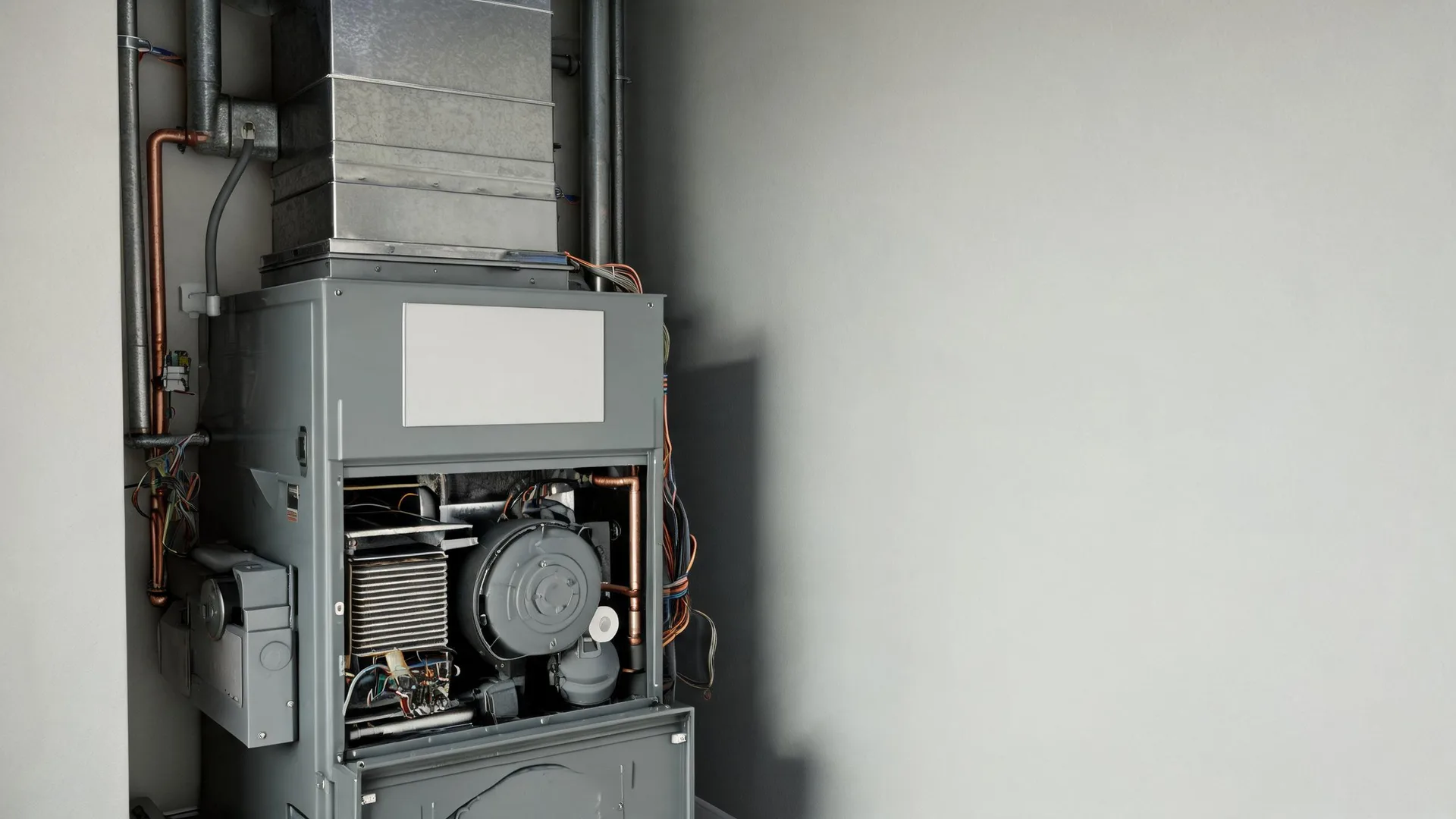
A gray forced-air furnace with ductwork stands in an unfinished concrete basement surrounded by storage items and clutter.

Furnace Repair in Luling, LA

Tell us about the job

Takes about a minute. No obligation.

RepairFurnace or heatingSt. Charles Parish, LA
Step 1 of 2

What ZIP code is the job in?

Four months of work a year

Furnaces in St. Charles Parish run from November through February and sit idle the rest of the year. Overnight lows average 46°F through December, January and February, which is mild as winters go. A furnace here just doesn't work as hard as one further north.

So a repair usually makes sense

A furnace that only runs four months a year has a lot less wear on it than one running all winter in a colder state. If yours is acting up, age or a neglected part is more likely the cause than a system worn out from overwork. That's usually good news for fixing it instead of replacing it.

4 months
November through February, your furnace is on duty
46°F
the average winter night it heats against
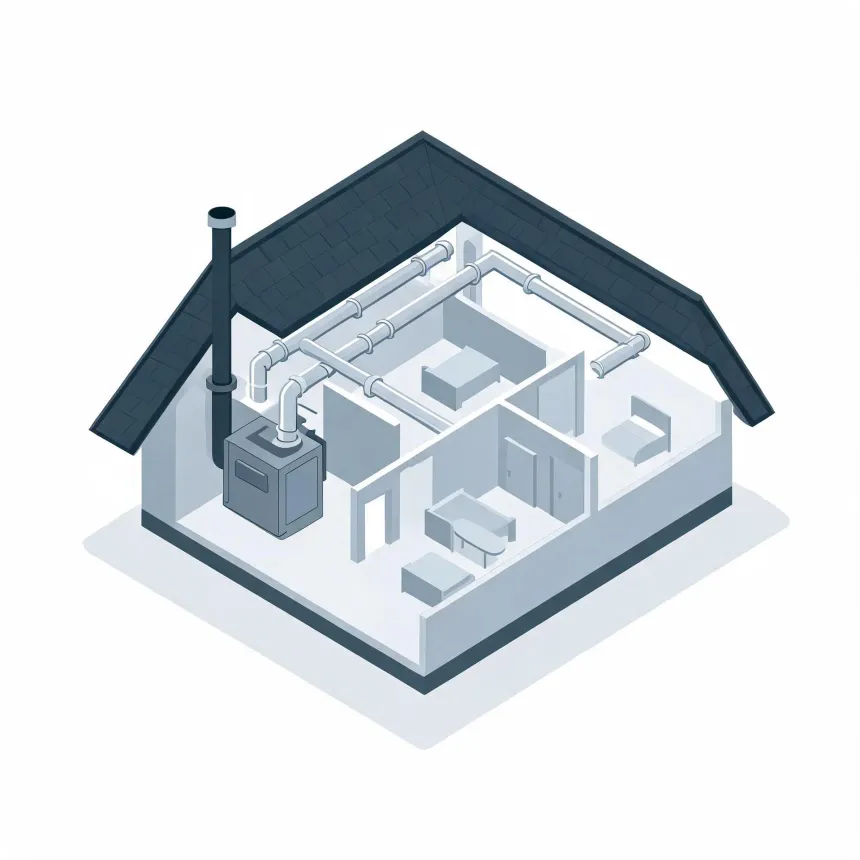
Isometric illustration of a cutaway house showing a dark furnace unit with a flue pipe and branching ductwork running through rooms with simple furniture under a dark gabled roof.
Your furnace works hardest from December through February.

NOAA nClimDiv, 1991–2020 normals

Half the homes in St. Charles Parish were built in 1986 or later.

A furnace that came with a newer house still has plenty of working life in it, which is why fixing it is usually the right call.

This parish sees more than its share of severe weather

45 severe weather events from 2015 to 2024
49% of homes statewide lost power a day or more in 2024
26 damaging wind events from 2015 to 2024

October is worth a look before you turn the furnace on for the year. Homes here start running heat in November, and that first stretch is when a weak igniter or a clogged flame sensor tends to show up. The furnace has sat idle since February, and whatever was already marginal doesn't get better from sitting. Luling only asks four months of work out of this system, so a part that fails in week one of the season was likely already on its way out, not worn down by the job itself. Catching it in October means you're not finding out on the first cold night.

A furnace with four easy months behind it is usually worth fixing

Four months of work a year through a mild winter means a furnace here usually has some life left in it. If yours is acting up, get it looked at before you write it off.

Find a contractor
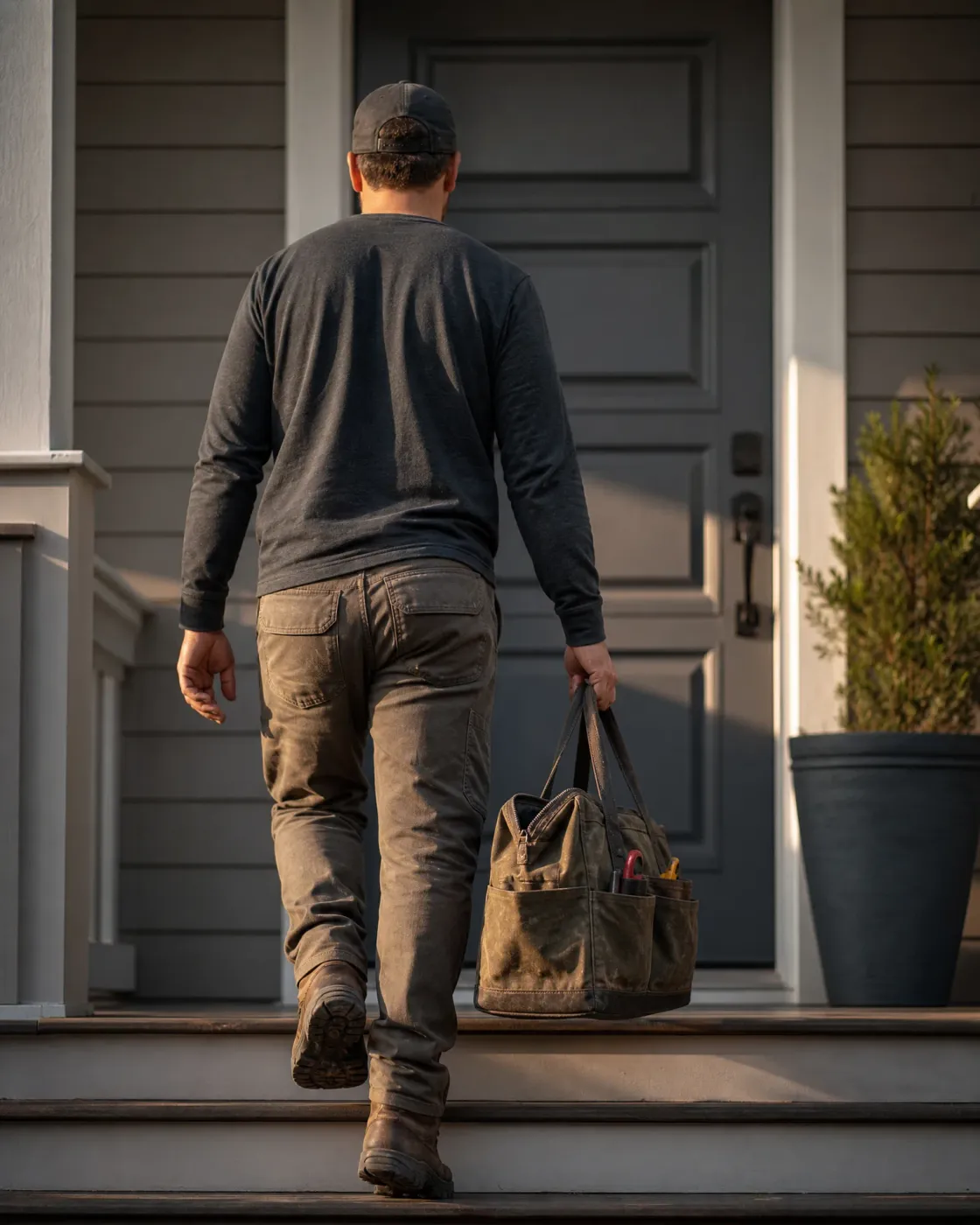
A man in a cap, long-sleeved shirt and work pants walks up porch steps toward a dark gray paneled front door, carrying a canvas tool bag, with a potted shrub to the right.
A gray gas furnace with attached ductwork and piping installed in an unfinished concrete basement.

Check the install date before you assume it's old

If your furnace came with the house and the house is newer, there's no reason to assume it's near the end. A furnace built into a house from the last couple decades hasn't had the years or the workload to wear out on its own. Check the install date against when the house was built. If they match, age probably isn't your problem, and whatever's acting up is worth having looked at rather than replaced.

Most failures are one part, not the whole unit

An igniter cracks, a flame sensor coats over with residue, a flue sensor trips, or a draft inducer motor starts to fail. These are separate parts doing separate jobs, and any one of them can stop the furnace from running while the rest of the system is fine. That's why a furnace that won't start usually needs a part swapped, not a replacement.

A dirty filter causes more of this than owners expect

When the filter clogs, airflow drops, and the furnace runs hotter than it should. That heat can trip a safety switch meant to shut the burners off before something cracks, or it can scorch a part that sits in the airflow until it fails outright. A lot of repair calls trace back to this one thing.

A furnace that's struggling doesn't fix itself by staying on. If the flame sensor is coated and the burners are short cycling, every extra run makes the carbon or oxidation on that rod a little worse. A cracked igniter gets weaker each time it heats up and cools down, and it usually picks the worst night to finally snap. Airflow problems are the same story. A system starved for air runs hotter than it should, and the longer that goes on, the more likely it cracks a heat exchanger or burns out a part that was never built to sit in that kind of heat. None of that happens because the furnace is being pushed too hard overall. It happens because one bad part keeps getting asked to do its job until it can't anymore.

Age tells you whether to expect more of this down the road. It doesn't tell you whether to fix what's wrong right now. A furnace with one bad part is almost always worth repairing, whatever its age. Replacement starts to make sense when several parts are failing around the same time, or when the heat exchanger itself is cracked, since that's not something a tech can swap on its own. Short of that, a tech can usually tell within a few minutes of looking whether one part failed on its own or the whole unit is wearing out together. Ask what they're seeing, not just what they're replacing.