
Heat Pump Maintenance in Louisiana
Electricity costs homes less in Louisiana than in 46 of the other 49 states.
Tell us about the job
Takes about a minute. No obligation.
- 43°Fwinter overnight low where people live
- 5 monthsof heat, November through March
- 91°Fsummer afternoon high where people live
- 7 monthsof cooling, April through October
What does a heat pump in Louisiana face?
How hot do summer afternoons get?
91°Faverage afternoon high where people live
Alaska66°F
Arizona101°F
How cold do winter nights get?
43°Faverage overnight low where people live
North Dakota4°F
Hawaii65°F
How many months does the heat run?
5 monthsof heating a year
Hawaii0 months
Alaska12 months
What does electricity cost?
11.73¢per kWh (kilowatt hours, the unit on an electric bill), what homes paid in 2024
North Dakota11.51¢
Hawaii42.86¢
How often do storms hit?
109severe weather events per county from 2015 to 2024
Alaska5
Wyoming1,057
How many homes lost power for a day or more?
49%of homes in 2024
Arizona7%
Maine54%
What a heat pump tune-up covers
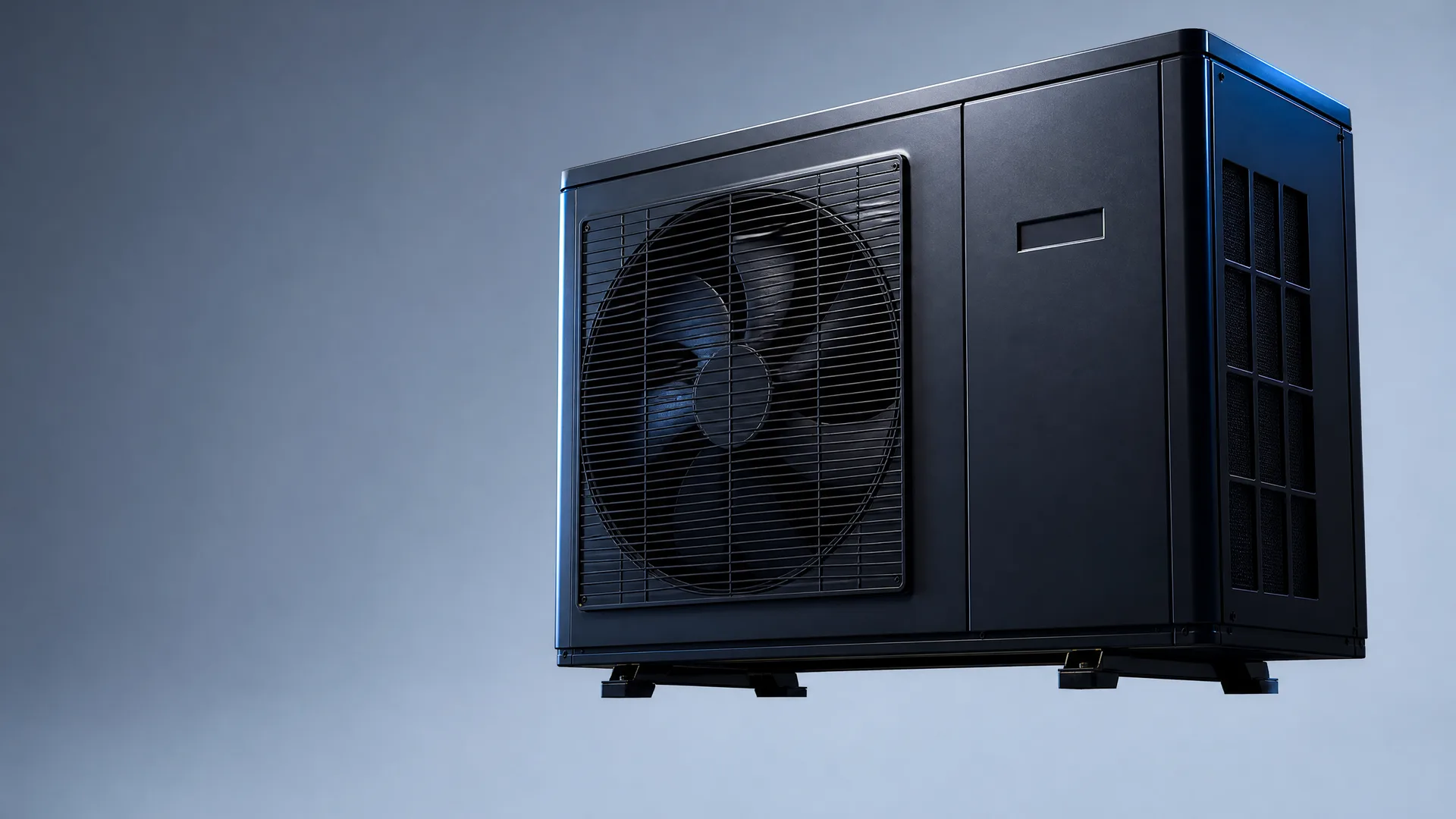
A heat pump tune-up covers both sides of the system, since the same loop handles heating and cooling. The outdoor coil gets cleaned of dirt, leaves and grass clippings, because anything blocking airflow across it makes the unit work harder no matter which mode it's running. The tech checks refrigerant charge, since a heat pump that's low on charge won't heat or cool the way it should. The reversing valve gets tested too, since that's the part that switches the system between heating and cooling, and a stuck valve can leave you with no heat at all. Electrical connections get tightened, since a loose one generates heat and wears out a contactor early. The filter gets checked and changed if it's dirty, because restricted airflow strains the blower motor and drags down efficiency. The condensate drain gets cleared, since a clogged line backs up and can shut the system down on its own. The outdoor fan motor and blower wheel get inspected for wear, since in a heat pump they run through every season rather than sitting idle part of the year the way they would in a straight air conditioner.
Louisiana homes run cooling about seven months a year and heat about five, more cooling months than almost anywhere else in the country.
The heat pump switches over and starts working in November, so get it looked at in October while it's still idle.
A real tune-up checks the system, not just the filter
What separates a thorough visit from a quick one
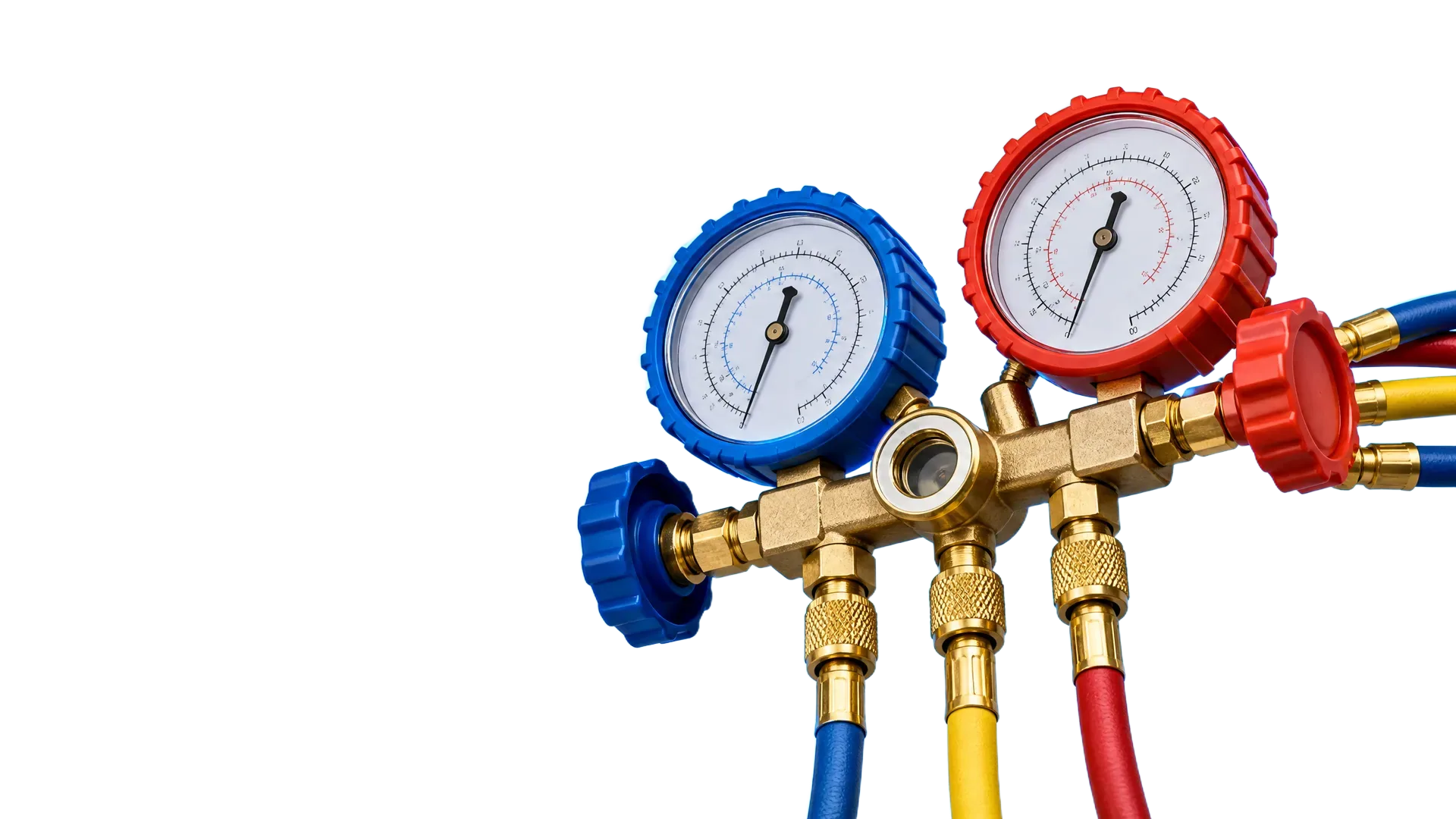
A quick visit gets you a filter swap and a glance at the thermostat. A thorough one gets you numbers checked against what the system actually calls for. The tech should check refrigerant charge with gauges, not just feel the line and move on. They should measure airflow across the indoor coil, since a heat pump starved for air won't heat or cool right in either mode. The reversing valve should actually get cycled and watched, not assumed to be fine because it was fine last time. Electrical connections get checked with a meter, since a loose one can run hot for a long while before it fails outright. The condensate line should get flushed, not just eyeballed. If the visit looks the same whether it's your first tune-up or your fifth, something is being skipped. Ask what was tested, not just what was touched.
Cooling runs longer here than almost anywhere. Heat kicks in come November, five months.
- Northern counties need about 36% more heat than southern ones
- Winter nights average 43°F where people live
- Summer afternoons average 91°F where people live
- Heat runs November through March
- Cooling runs April through October
- 155 winter storms from 2015 to 2024

- Catches a weak capacitor before it leaves you without heat or without cooling
- Keeps the reversing valve moving so the system actually switches modes when asked
- Finds a slow refrigerant leak before it strains the compressor in both modes
- Clears the condensate drain so a backed-up line can't shut the system down
- Catches worn fan motor or blower bearings before they fail, since both run all year
What happens when a heat pump doesn't get looked at
Skip a tune-up and the system doesn't fail all at once. It loses ground slowly, in ways you can't see from the thermostat. Dirt builds up on the outdoor coil and the unit has to run longer to move the same heat, in either direction. A refrigerant leak that starts small stays small for a while, then shows up as a compressor working harder than it should in both modes. The reversing valve can stick from disuse if it isn't cycled and checked, and a stuck valve either traps you in one mode or leaves you with no heat at all when the switch fails. A loose electrical connection runs hotter than it should for months before it finally burns out a contactor. None of this announces itself. The system keeps running, just worse, until the day it doesn't run at all.
Where you are changes what to check
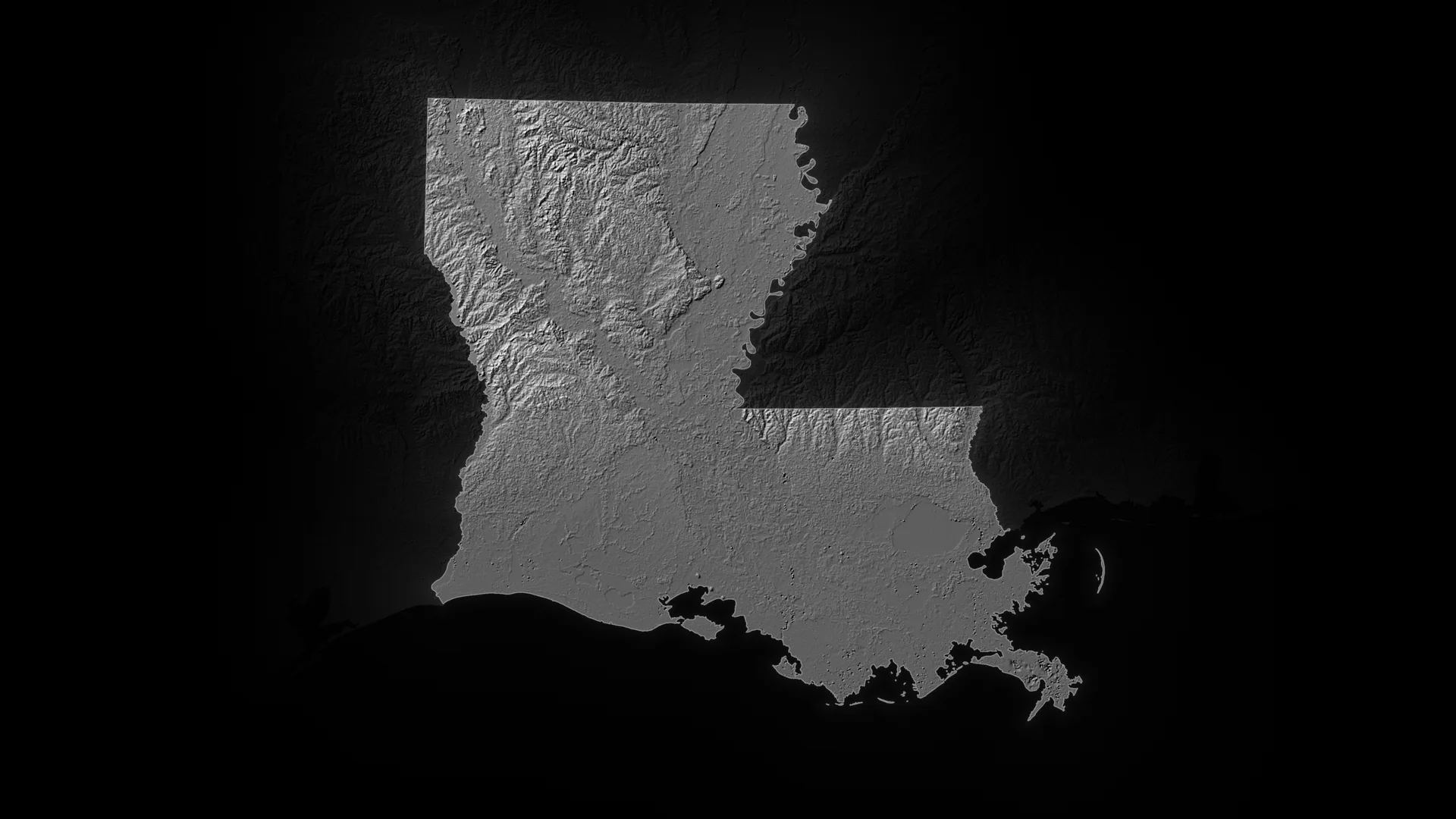
Louisiana isn't one climate for heating. Homes in the northern parishes need about 36% more heat over a year than homes in the south. Claiborne Parish needs about twice the heating that Plaquemines Parish does, the lowest in the state. If you're up north, the heating side of that tune-up matters more than it does for someone near the coast. If you're near Plaquemines, the system barely leans on its heating mode at all, so that's not where trouble is likely to start.
Most homes in Louisiana need just one heat pump check a year to stay ahead of trouble.
Tell us about the job
Takes about a minute. No obligation.
Answer a few questions about your system and a contractor who services heat pumps in Louisiana will reach out.