





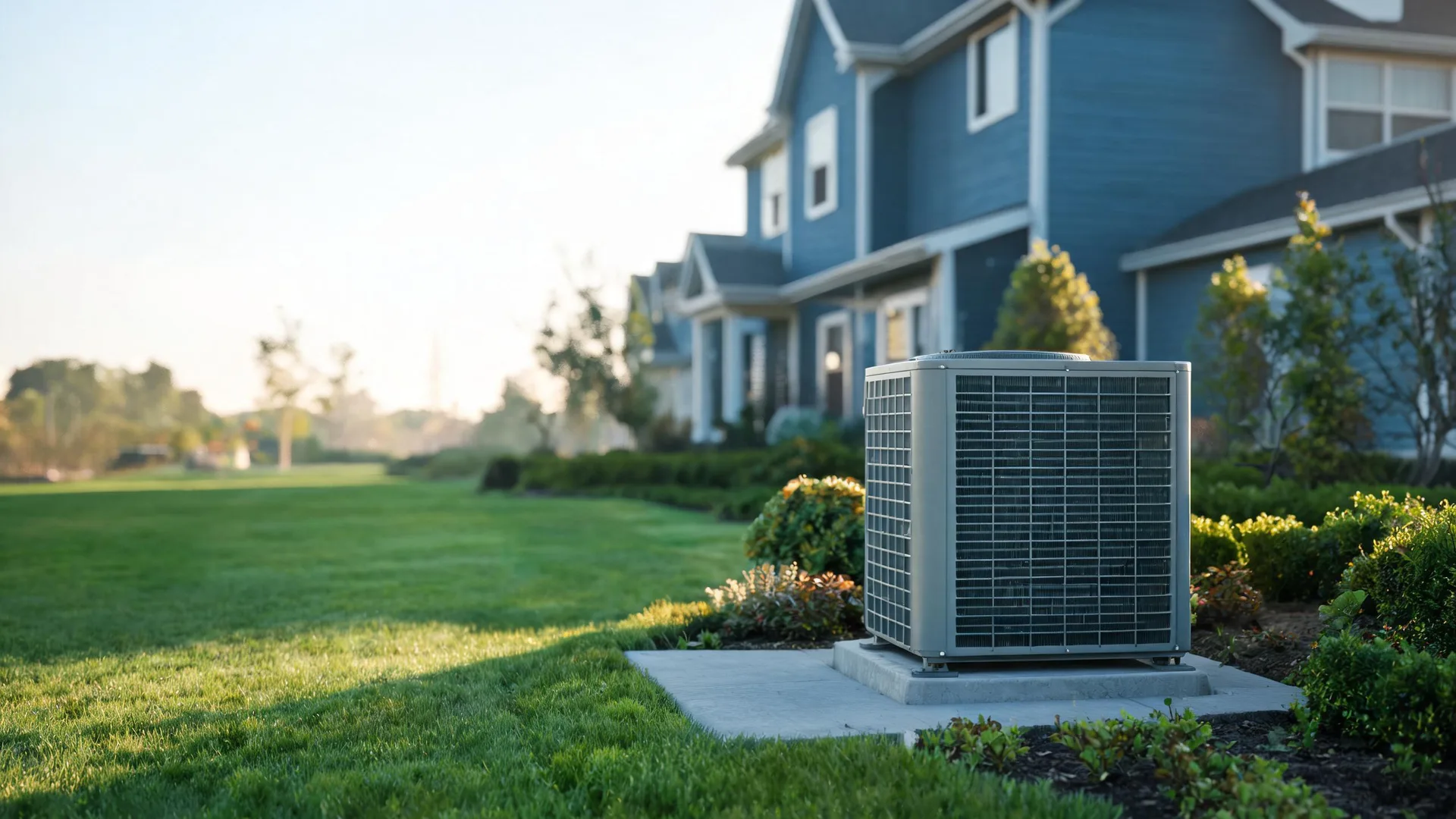
A grey air-source heat pump outdoor unit mounted on a concrete pad next to a modern white-rendered residential house.

Heat Pump Maintenance in Gonzales, LA

Tell us about the job

Takes about a minute. No obligation.

Tune-up, service, or cleaningHeat PumpAscension Parish, LA
Step 1 of 2

What ZIP code is the job in?

A quick visit usually means someone checks the thermostat, looks at the outdoor unit, and tops off refrigerant if the pressure looks low. A thorough one means the coils get washed, not just glanced at, since caked dirt on the indoor or outdoor coil makes the whole system work harder to move heat either direction. It means someone pulls the panel and checks the capacitor and contactor, because those wear out quietly and take the compressor with them when they fail. It means checking refrigerant charge against the manufacturer's numbers instead of just topping it off, since overcharging causes as many problems as running low. And it means checking the reversing valve actually shifts the system between heating and cooling, which nobody notices is stuck until the season changes and the air coming out is the wrong temperature.

A coil caked with dirt can't shed heat the way a clean one does.

The compressor runs longer to make up for it, and that shortens its life.

Half the homes here were built since 2002, and the equipment is often that age too

Half the homes here were built by 2002
Power costs 11.73 cents a kWh statewide
Climate zone 2A

Ascension Parish has logged 54 severe weather events in the past decade, and 30 of those were damaging wind. Your outdoor unit sits through all of it, with no wall around it. Wind drives debris into the coil and fan, and hail dents the housing and bends fins before anyone notices airflow has changed. A maintenance visit is a chance to catch that early, before a bent coil or a cracked fan blade turns into a bigger repair. It's also worth asking whether the system restarts on its own after the power goes out, since that happens here more than most places.

A newer system is still worth a yearly check

If your heat pump went in with the house, it's likely still within its working life. A yearly check keeps it that way, catching the worn capacitor or the low charge before it means a bigger repair.

Find a contractor
A man in a cap, dark long-sleeve shirt and dirty work pants walks up wooden steps toward a dark gray front door, carrying a canvas tool bag in his right hand, with a potted shrub beside the entry.
A white mini-split heat pump outdoor unit mounted on a concrete pad beside a gray-sided house, surrounded by gravel and green shrubs.

It never gets the off season a furnace gets

A furnace rests for part of the year. A heat pump does not. It runs the compressor to heat the house in winter and to cool it in summer, so the parts that wear from running wear every month, not just a few. The contactor's points pit a little more with each cycle, no matter the season. The bearings in the outdoor fan motor wear the same whether the fan is pushing heat out or pulling it in. None of that shows up as anything you'd notice from inside the house, not until a contact fails to close or the fan starts dragging. A tune-up catches it while the contactor is pitted but still closing, while the fan still spins but sounds different than it used to. That's a part swapped on a scheduled visit instead of a compressor that overheated because the fan next to it quit.

Keep the outdoor unit clear

Leaves, grass clippings and dead vegetation pull up against the cabinet and choke the coil before anyone notices airflow has changed. Keep at least a foot of open space around all sides, and don't let shrubs grow in close. If you see grass clippings stuck to the fins after mowing, hose them off from the inside out so you're not driving dirt further into the coil.
Change the filter on a schedule

A dirty filter starves the indoor coil of airflow, and a heat pump forces that coil to work in both directions, so the problem shows up whether it's heating or cooling. Check it monthly and swap it when it's visibly gray or clogged rather than waiting for a fixed interval. A filter you can still see light through is doing its job. One you can't is making the system run longer than it needs to.

Most of the signs show up before the system actually fails, if you know where to look. Ice forming on the outdoor coil in winter, when it should only frost lightly and then defrost on its own, means the defrost cycle or a sensor isn't doing its job. Warm air from the vents when it's set to cool, or cool air when it's set to heat, points at a reversing valve that's stuck rather than a thermostat problem. A system that short cycles, running for a few minutes and shutting off instead of settling into a steady run, is often protecting itself from a bad capacitor or a pressure it doesn't like. Hissing or bubbling near the refrigerant lines is not a sound to wait out. And if the outdoor fan is running slower than normal or making a grinding noise, the bearings are on their way out, and that's worth catching before the motor seizes entirely.

A full tune-up also checks the heat strips or auxiliary heat if the system has them, since those only kick in under real demand and a fault can sit there unnoticed until the coldest day of the year. It means checking the refrigerant line insulation for gaps, because bare line near the house can sweat and drip where nobody's looking. The condensate drain gets checked too, and cleared if it's running slow, since a clogged drain backs up and can shut the system down as a safety measure. Electrical connections get tightened, not just looked at, because a loose connection generates its own heat and that heat degrades the wire around it. None of this takes long when it's done on a schedule. Left alone, each of these turns into the kind of failure that happens on its own timeline, not a convenient one.