Heat pump vs furnace in Ascension Parish, Louisiana

Get Matched With a Pro

Quotes on either system

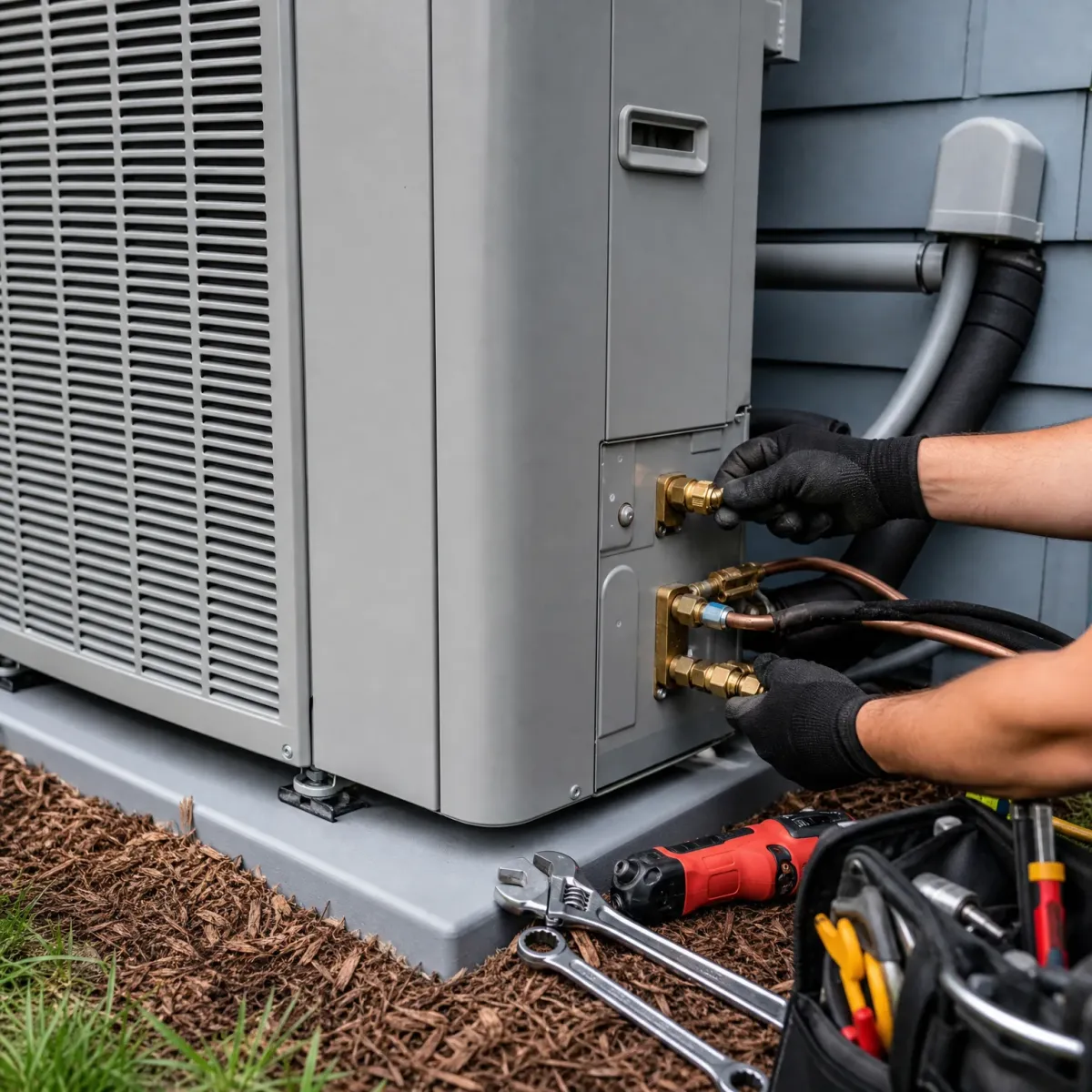
A person wearing black gloves connects copper refrigerant lines to brass service valves on the side of a gray outdoor condenser unit, with a wrench, a power tool and a tool bag on the mulch bed in the foreground.

Tell us about the job

Takes about a minute. No obligation.

New system or replacementAscension Parish, LA
Step 1 of 3

What kind of equipment?

Which costs less to run in Ascension Parish?

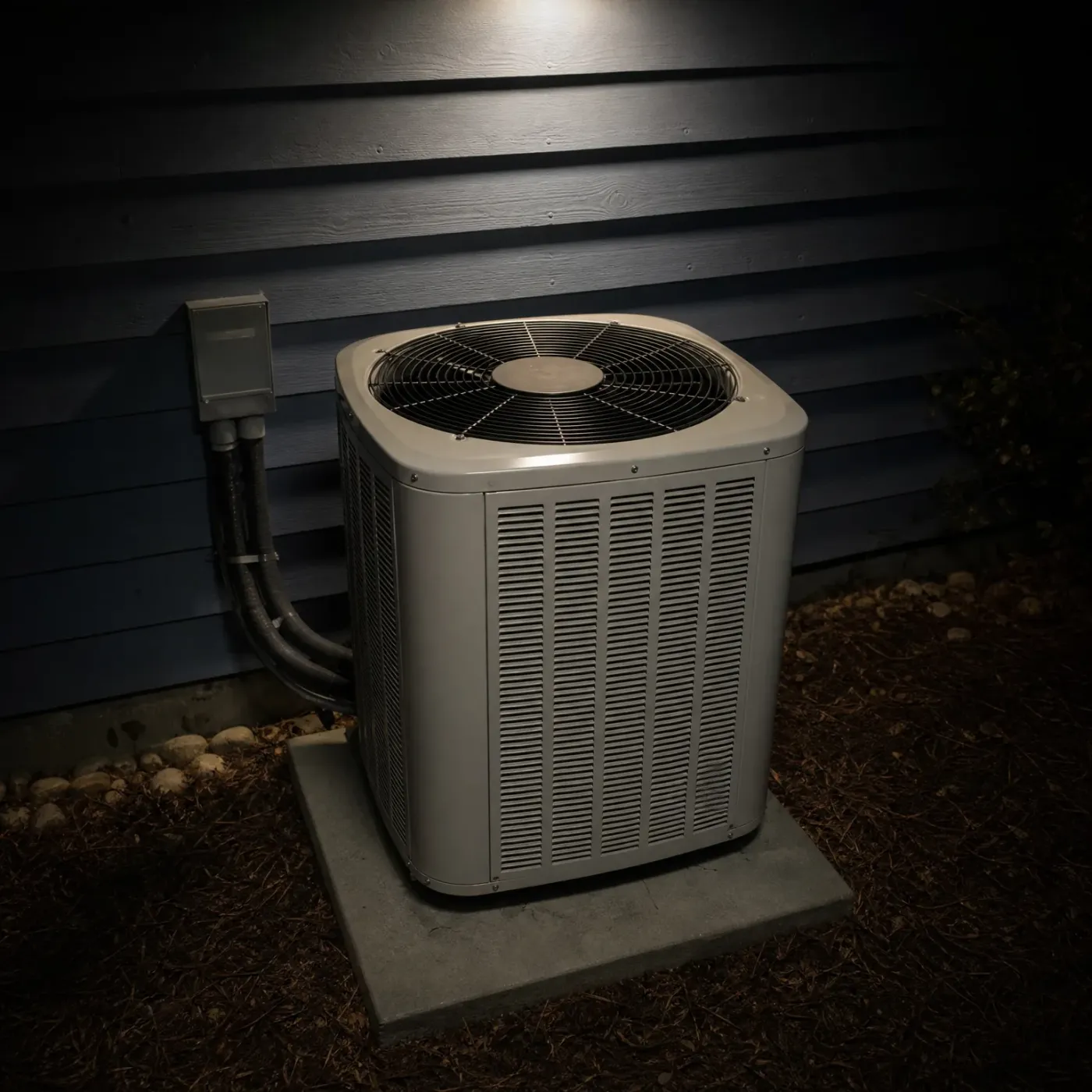
An outdoor air conditioner condenser unit on a concrete pad beside a dark horizontal-lap sided wall at night, with insulated refrigerant lines running to a wall-mounted disconnect box and mulch and stones on the ground.

Heat pump

To heat your home here$1.56per 100,000 Btu

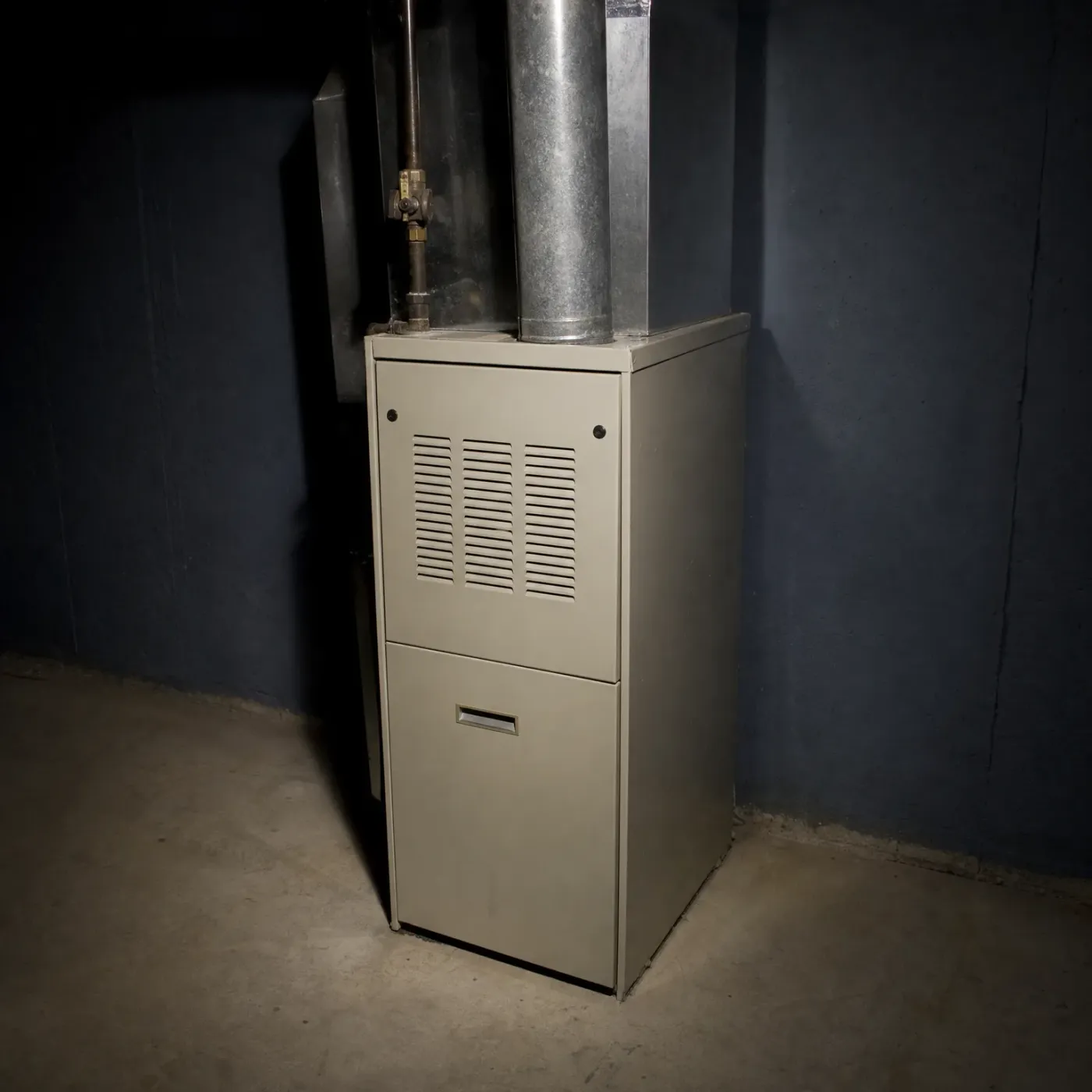
A beige sheet-metal furnace with a louvered upper panel stands against a dark gray basement wall, with galvanized flue ducting and a gas pipe with a valve rising from its top onto a concrete floor.

Furnace

To heat your home here$2.00per 100,000 Btu

At Louisiana's gas and electricity prices, a heat pump makes the same heat as a gas furnace for about 22% less.

Btu stands for British thermal unit, the standard measure of heat energy.

Where does a heat pump shine?

  • Made for mild winters

    Winter nights here average 44°F, which is well within the range a heat pump handles without strain. It can pull heat from that outside air all season without falling back on backup heat strips.

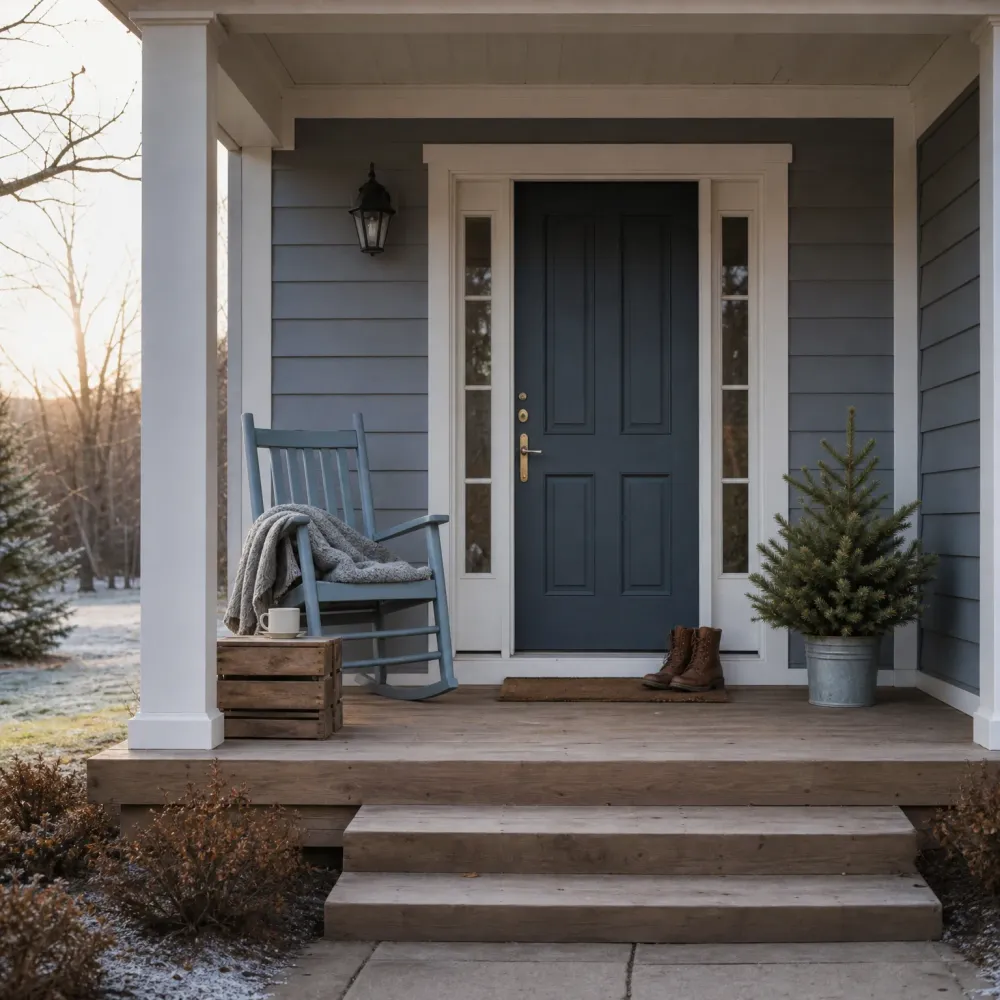
    Covered porch of a gray clapboard house with a dark blue front door flanked by sidelights, a blue rocking chair with a knit blanket, a wooden crate holding a mug, leather boots on a doormat, and a small potted evergreen, with frost on the ground beyond.
  • Covers a long cooling season

    Cooling runs April through October here. A heat pump is doing the work most of the year, so it's worth picking one built to run that long without strain.

    A covered porch with a glass of iced tea on a woven coaster atop a wooden table, a potted green plant in a wicker basket, a cushioned sofa with a floral pillow, and a dining set with black chairs near a white railing.
  • Steady, even comfort

    It eases up and down with the weather. There are fewer swings between too warm and too cool.

    A dimly lit living room with a gray armchair holding an open book and a throw blanket, a lit table lamp, a stone fireplace with a fire burning, built-in navy shelving, and a golden retriever sleeping on a patterned rug.

Where does a furnace shine?

  • Fast, strong heat on demand

    A furnace pushes out hot air within minutes of switching on. A cold house warms up fast.

    Entryway with a dark paneled door with glass panes showing snow outside, snow-dusted boots on a woven jute runner, a floor air vent at left beneath a sheer white curtain, and a wooden bench with a knit throw and steaming mug beside hanging coats and a tan bag.
  • Proven, simple, easy to get serviced

    The design is simple and well understood. That keeps service calls short.

    A gloved hand holds a white pleated air filter in front of a furnace, next to shelves holding wicker baskets, a metal bucket, and a mug.
  • Pairs with any central AC

    A furnace's blower and ducts carry cooled air too. Adding central AC uses the same system.

    A metal floor vent set into light wood flooring near a window with a sheer white curtain, with a wooden cabinet, woven basket and blue throw against a dark blue wall in the background.

Why a heat pump fits this climate

The heat runs about five months here, November through March, and the overnight low over those three coldest months averages 44 degrees. A heat pump does its best work in that range. It loses efficiency once the air gets near freezing, but that's not what most winter nights in Ascension Parish look like.

Freezing nights are the exception. Out of roughly 150 nights while the heat is running, about 17 drop to 32 degrees or below, under a quarter of them. The rest sit well above freezing, which is where a heat pump runs efficiently. It doesn't shut off on the cold nights, it just works harder to do the same job.

Cooling is the longer job in this parish, not heating. The AC runs about seven months, April through October, against five months of heat, and afternoons reach 90 degrees or higher on about 80 days a year. A heat pump handles both sides of that with one piece of equipment. A furnace only heats, so for the seven months cooling is running, it has nothing to do while a separate air conditioner carries the house.
Front porch of a dark gray clapboard house with white columns and railings, a wooden hanging swing, two hanging ferns, a potted plant by the door, and painted gray steps.

What it costs to run, and what's already in the house

At Louisiana's current fuel prices, the heat pump costs less to run: $1.56 against $2.00 per 100,000 Btu, about 22 percent less. A furnace earns that extra cost in places where winters are long and severe enough that its stronger heat output matters. Five mild months with only 17 hard freezes a year isn't that kind of winter.

The furnace still has real strengths. It puts out strong heat fast, it's a simple, well understood piece of equipment, and it pairs with any central air conditioner, so if the AC is a separate system already, replacing just the furnace leaves that untouched.

Gas heat is real here but not the majority. About 63 percent of homes heat with electricity and about 36 percent with gas, so a furnace means a gas line already runs to the house. If that's the case, and the AC is already a separate system, swapping in another furnace is the simpler path. If the house heats with electricity already, or the furnace and AC are both due for replacement, a heat pump covers both jobs with one system, built for a place where summer is the long season and winter is the short one.

Sources: NOAA nClimDiv · NOAA 1991–2020 seasonal normals · Census ACS 2020–2024 · EIA SEDS 2024 · 10 CFR 430.32

A two-story light blue clapboard house with dark shutters, a white-columned front porch with hanging ferns, and brick steps, framed by a pink flowering tree and tall pines under a blue sky.

Common questions about heat pumps and furnaces

  • Will a heat pump keep my house cool enough here?

    Yes. A heat pump is a central air conditioner in the summer months, same as the AC half of a furnace-and-AC setup, and it covers the same long cooling season here, April through October. The only difference from a standard AC is how it makes heat in winter, not how it makes cold.

  • Can I keep my furnace and add a heat pump?

    Yes, that pairing is common and it's called a dual fuel system. The heat pump handles day to day heating since winters here are mild, and the furnace kicks in on the handful of nights that drop to 32°F or below, about 17 a year. You get the heat pump's lower running cost most of the season and the furnace's stronger heat on the coldest nights.

  • What if my house doesn't have a gas line?

    Without a gas line, the choice is a heat pump, electric resistance heat, or a furnace burning propane or oil. A heat pump costs less to run than electric resistance heat because it moves heat rather than generating it, and it does not need propane or oil deliveries the way those furnaces do. It also covers the long cooling season here, April through October, the same as a central AC.

  • Is a heat pump cheaper to run than a furnace in Ascension Parish?

    Yes. A heat pump runs about $1.56 per 100,000 Btu of heat here against $2.00 for a gas furnace, so it costs less to make the same heat. That gap holds across the five months heat runs here, November through March, with nothing added for backup heat on the 17 or so nights a year that drop to freezing.