





Three white clapboard houses with wraparound porches glow with warm interior and landscape lighting beneath Spanish moss-draped oak trees at dusk.

Furnace Installation in Gonzales, LA

Tell us about the job

Takes about a minute. No obligation.

New system or replacementFurnace or heatingAscension Parish, LA
Step 1 of 2

What ZIP code is the job in?

Don't let the quote stop at the furnace itself. Ask what size unit they're proposing and how they arrived at that number. A furnace that's too big for the house will short cycle, turning on and off more than it should, which wears out parts faster and leaves rooms feeling uneven anyway. That sizing should come from a load calculation on your house, not a guess based on the old unit. Ask what happens to the ductwork too. A new furnace connected to old, leaky or poorly sized ducts won't perform the way the brochure says it will. And ask about the warranty on both the parts and the labor, since those are often sold separately and cover different things.

5 months
November through March, your furnace is on duty
44°F
the average winter night it heats against
80% AFUE
the federal minimum any new unit must meet
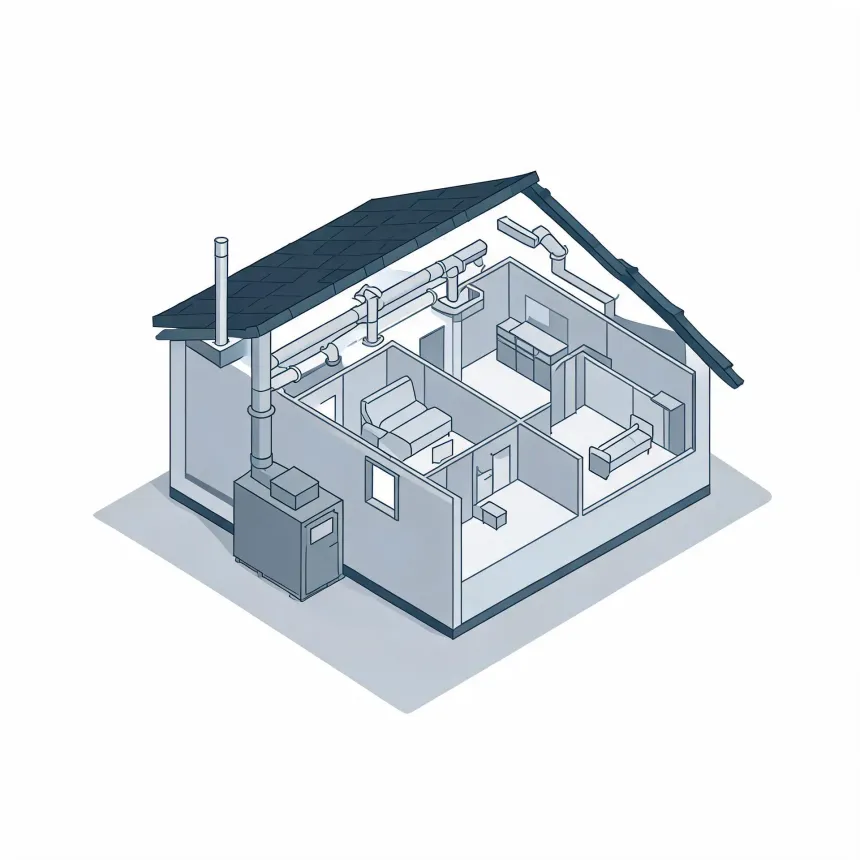
Isometric line illustration of a cutaway single-story house showing interior rooms with furniture, ceiling ductwork, a chimney flue, and a furnace unit outside the exterior wall.
Your furnace works hardest from December through February.

NOAA nClimDiv, 1991–2020 normals

Electricity in Louisiana runs about $34.38 per million Btu, cheaper than most of the country.

A high-efficiency furnace costs more up front and takes longer to pay back here, so weigh reliability and fit for your house against the efficiency rating on the sticker.

October is the month to get this done, before heat season starts in November

Heat runs November through March
Winter nights average 44°F
Climate zone 2A
A furnace that doesn't work hardHeat runs five months here, November through March, with overnight lows near 44°F.

Most homes in Ascension Parish heat with electricity, 63.1% of them. Utility gas is still common too, at 35.6%, but that usually means a gas line already run to the house. If yours doesn't have one, a gas furnace means bringing a line in and venting a flue, on top of the unit itself. Straight electric heat, through a heat pump or electric furnace, needs neither. If your old system matched what most homes around you run, replacing it with the same type is the simpler path.

Know the minimum before you compare quotes

Gonzales sits in climate zone 2A, so any furnace going in has to hit at least 80 percent AFUE. That's the floor here, not a feature to pay extra for. If you're comparing quotes, start from what's required and let that frame what else is worth paying for.

Find a contractor
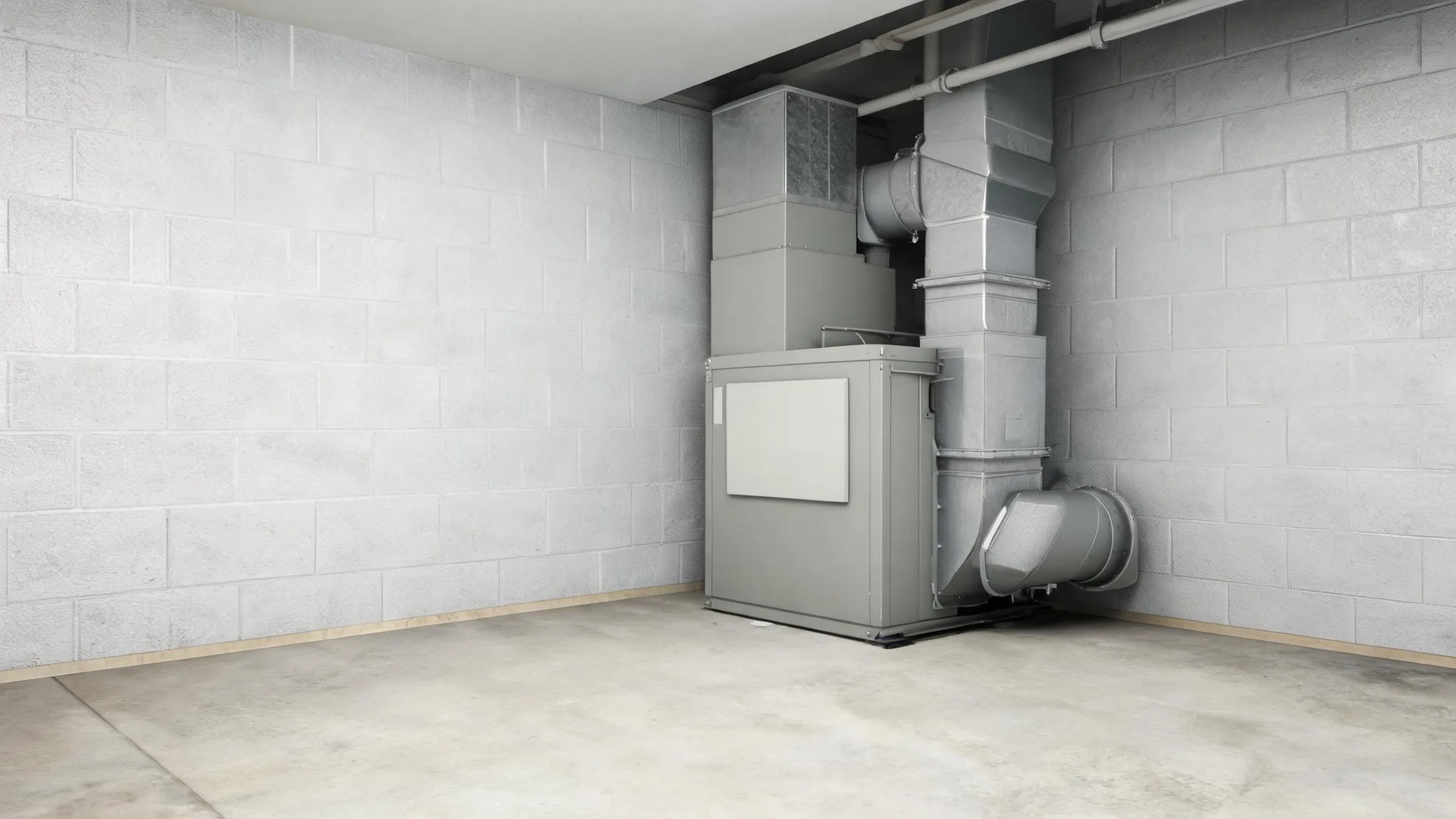
A gray gas furnace with attached ductwork and piping installed in an unfinished concrete basement.

The old unit doesn't come back

The old furnace doesn't get reused or stored. Once it's disconnected, a contractor hauls it off, and the gas line or electrical disconnect it used gets capped, swapped, or redirected to the new unit. If it's a gas furnace, the old one gets purged of any remaining gas before it's disconnected, and the flue it vented through either gets capped or reused depending on what the new furnace needs. None of this is salvage work. A furnace that's run its years doesn't have parts worth pulling, and scrapping it is routine, not a decision that needs weighing.

The cabinet and the coil aren't optional

A furnace install usually means matching the indoor coil to the new unit, not just swapping the box. If the coil is the wrong size for the new furnace, airflow suffers no matter how good the furnace is. Some jobs call for a new coil, a new line set, or work on the plenum above the unit to make everything fit together.
Venting changes the job

How a furnace vents exhaust depends on its efficiency rating, and that decides what kind of pipe runs out of the house. A furnace that vents through PVC pipe is a different install than one that needs a metal flue, and switching from one type to the other means new venting, not just a new appliance sitting where the old one sat.

A load calculation looks at the whole house, not just the furnace. Square footage matters, but so does window area, insulation, ceiling height, and how many walls face outside. Houses built differently need different sized furnaces even at the same square footage. This is why a contractor measuring your house will ask questions that seem to have nothing to do with the furnace itself. Skipping that step and sizing off the old unit just carries forward whatever mistake was made the first time, if there was one. A furnace sized right runs longer, steadier cycles, which wears on it less than a bigger unit kicking on and off all night.

Install day starts with the old furnace coming out, and that's when a contractor finds whatever the last install hid. The gas line gets checked, the electrical disconnect gets swapped out, and if the vent pipe is changing type, that gets run fresh rather than reused. Setting the new furnace is the fast part. What takes the time is sealing the plenum, connecting the ductwork square to the cabinet, and wiring the thermostat so it's actually talking to the furnace's control board, not just powered on. Once it's running, a tech checks the temperature rise across the furnace against what the manufacturer specifies, because that number says whether airflow and gas input are matched right. A furnace that fires up but was never checked this way can run for years a little wrong, costing more to operate and wearing out sooner than it should.