
Furnace Installation in Louisiana
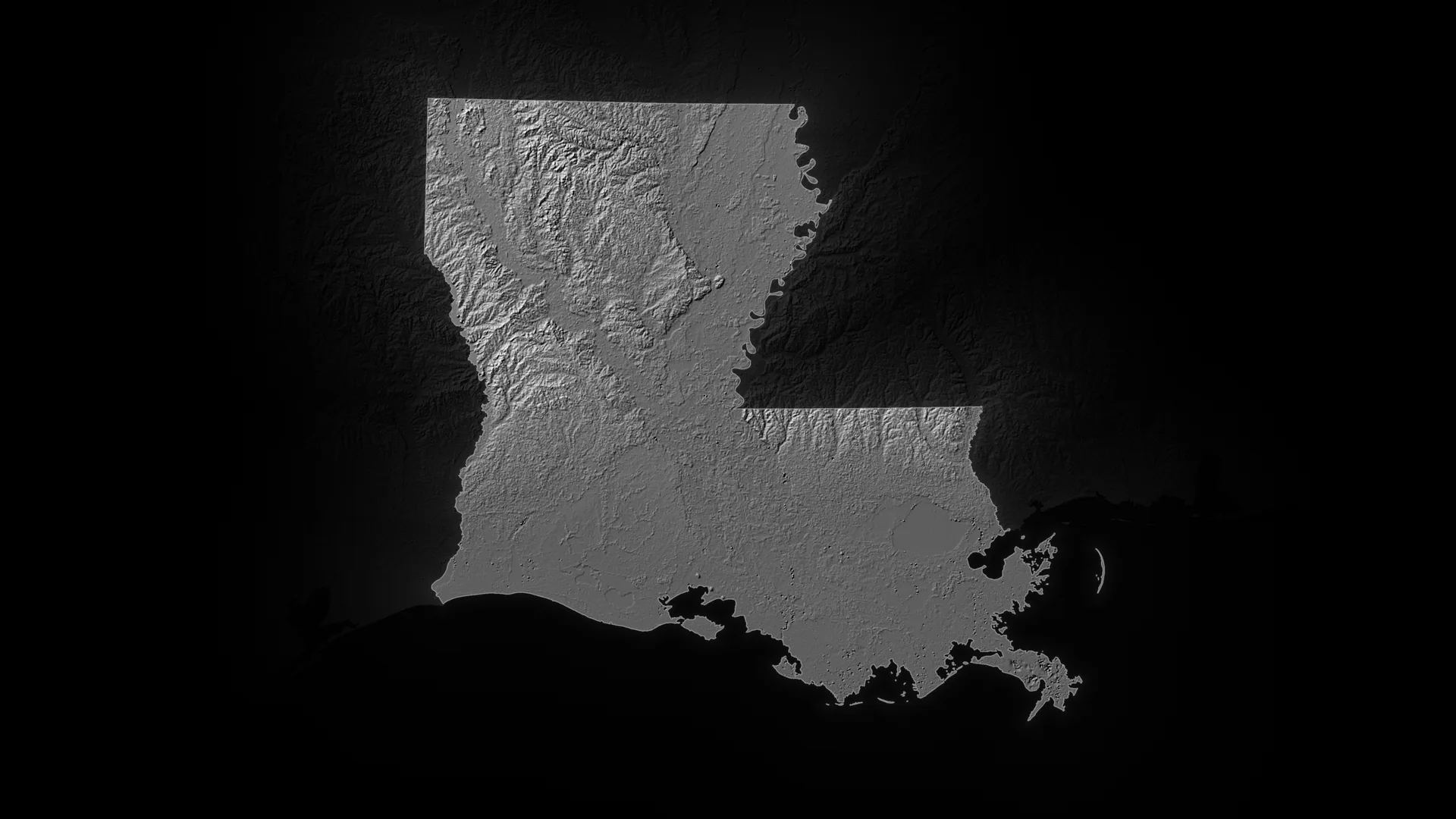
Homes in Louisiana need heat for fewer months of the year than in 41 of the other 49 states.
Tell us about the job
Takes about a minute. No obligation.
- 43°Fwinter overnight low where people live
- 5 monthsof heat, November through March
- $16.04 per million Btuwhat homes paid for natural gas in 2024 (Btu means British thermal units, a measure of heat)
- 155winter storms from 2015 to 2024
Louisiana furnaces have the easiest job in the country. November through March, with lows near 43°F.
- Northern counties need about 36% more heat than southern ones
- Winter nights average 43°F where people live
- Heat runs November through March
- 155 winter storms from 2015 to 2024
- Climate zones 2A and 3A across the state
- 49% of homes lost power a day or more in 2024
Most Louisiana homes don't need anything special from a furnace.
Electricity heats 64.7% of homes in Louisiana, more than any other fuel, with utility gas a distant second at 32.1%.
Most furnace jobs here are electric replacing electric, so that's the install a contractor should expect to quote first.
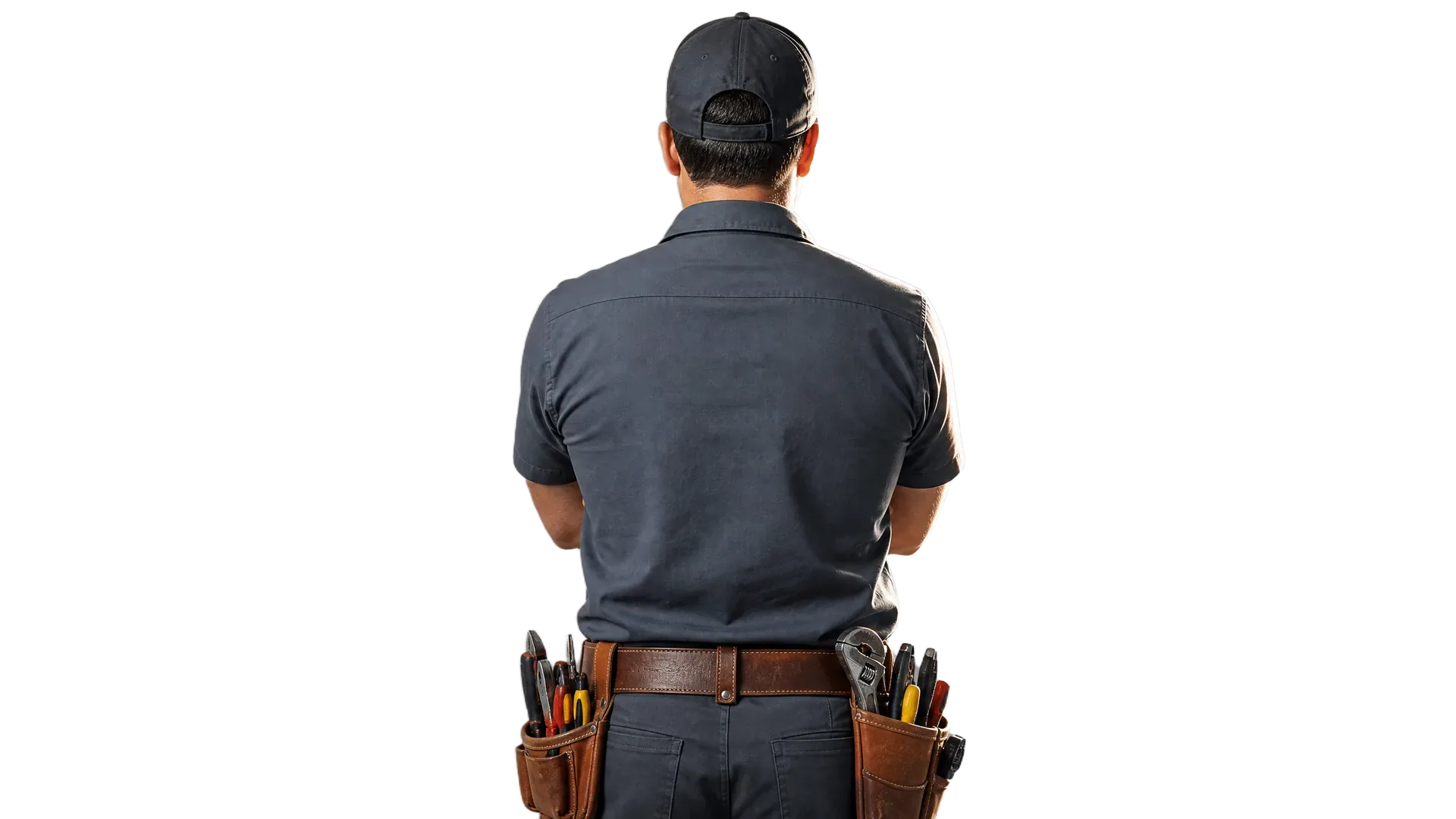
What a furnace install has to handle in Louisiana
Mild winters, a grid that doesn't always hold, and what that means for the job
Installing a furnace here is a straightforward job, but the power behind it is not. Nearly half of Louisiana households went at least a day without electricity in 2024, more than in almost every other state. Louisiana also sees more severe weather than most, with 5,095 events logged over the past decade, from damaging wind to tornadoes to hurricanes blowing in off the Gulf. An electric furnace depends on that power staying on, and when it comes back, the system should come back with it on its own. That makes the wiring and the breaker worth getting right, not just the furnace itself. A standard size and efficiency handles the mild winters here without trouble. The part worth doing carefully is the install, so the system is ready the next time the power isn't.
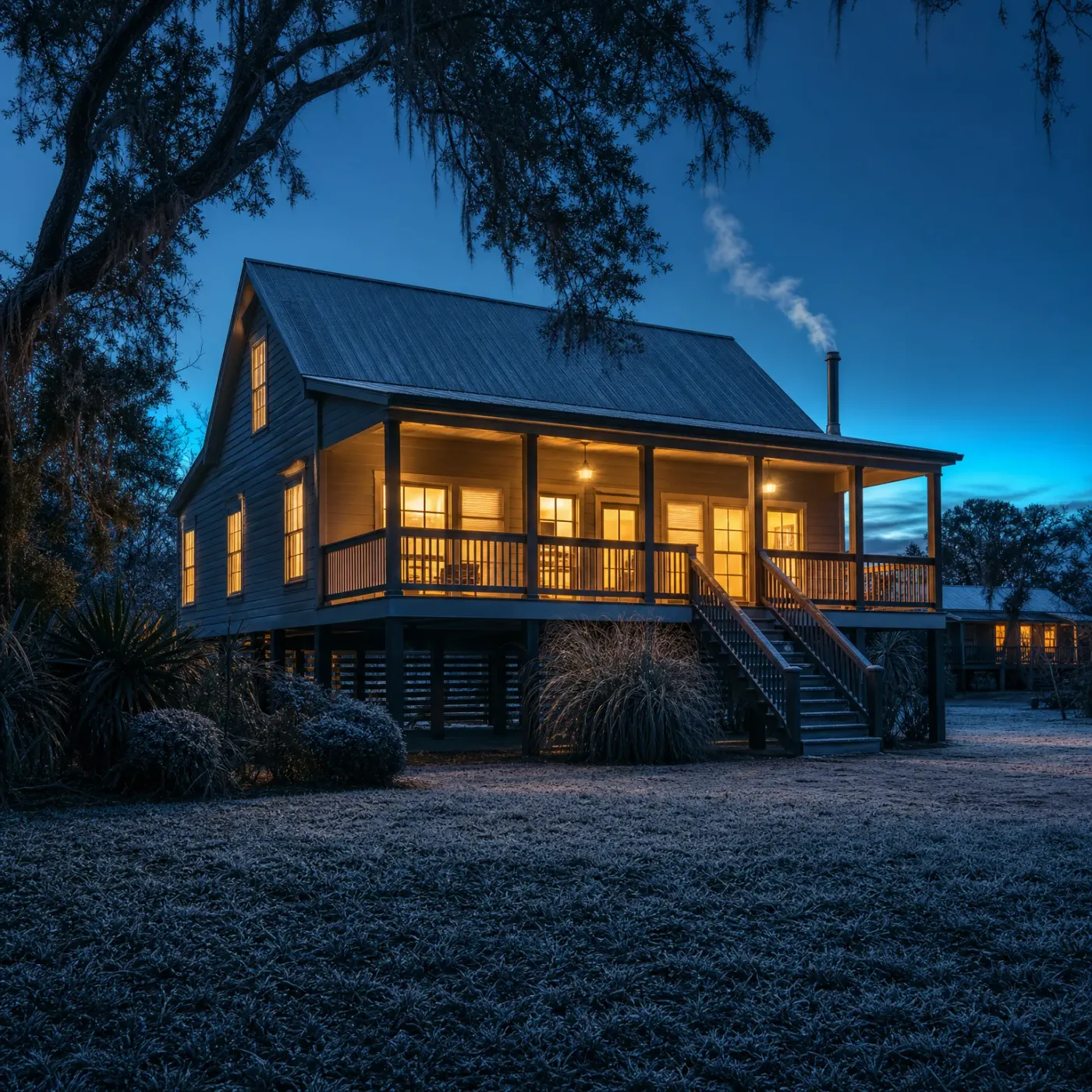
Louisiana's heating need isn't the same from one end of the state to the other. Homes across the northern counties need about 36% more heat over a year than homes across the southern counties.
The widest gap is between two parishes. Claiborne Parish needs about twice the heat over a year that Plaquemines Parish does, the lowest heating need in the state.
Winter nights follow the same split, averaging 40°F across the north against 45°F across the south. Claiborne Parish sees the coldest nights in the state. Plaquemines Parish sees the mildest.
How long the furnace runs varies too. East Baton Rouge Parish needs heat about 5 months a year, the longest stretch in the state. Plaquemines Parish needs about 3, the shortest.
A furnace installed in Claiborne Parish is doing more work, more nights, than one installed in Plaquemines. Sizing and setup should match the parish, not just the state average.
What does a furnace in Louisiana face?
How cold do winter nights get?
43°Faverage overnight low where people live
North Dakota4°F
Hawaii65°F
How many months does the heat run?
5 monthsof heating a year
Hawaii0 months
Alaska12 months
What does natural gas cost?
$16.04per million Btu, what homes paid in 2024
Montana$7.77
Hawaii$53.25
How often do storms hit?
109severe weather events per county from 2015 to 2024
Alaska5
Wyoming1,057
How many homes lost power for a day or more?
49%of homes in 2024
Arizona7%
Maine54%
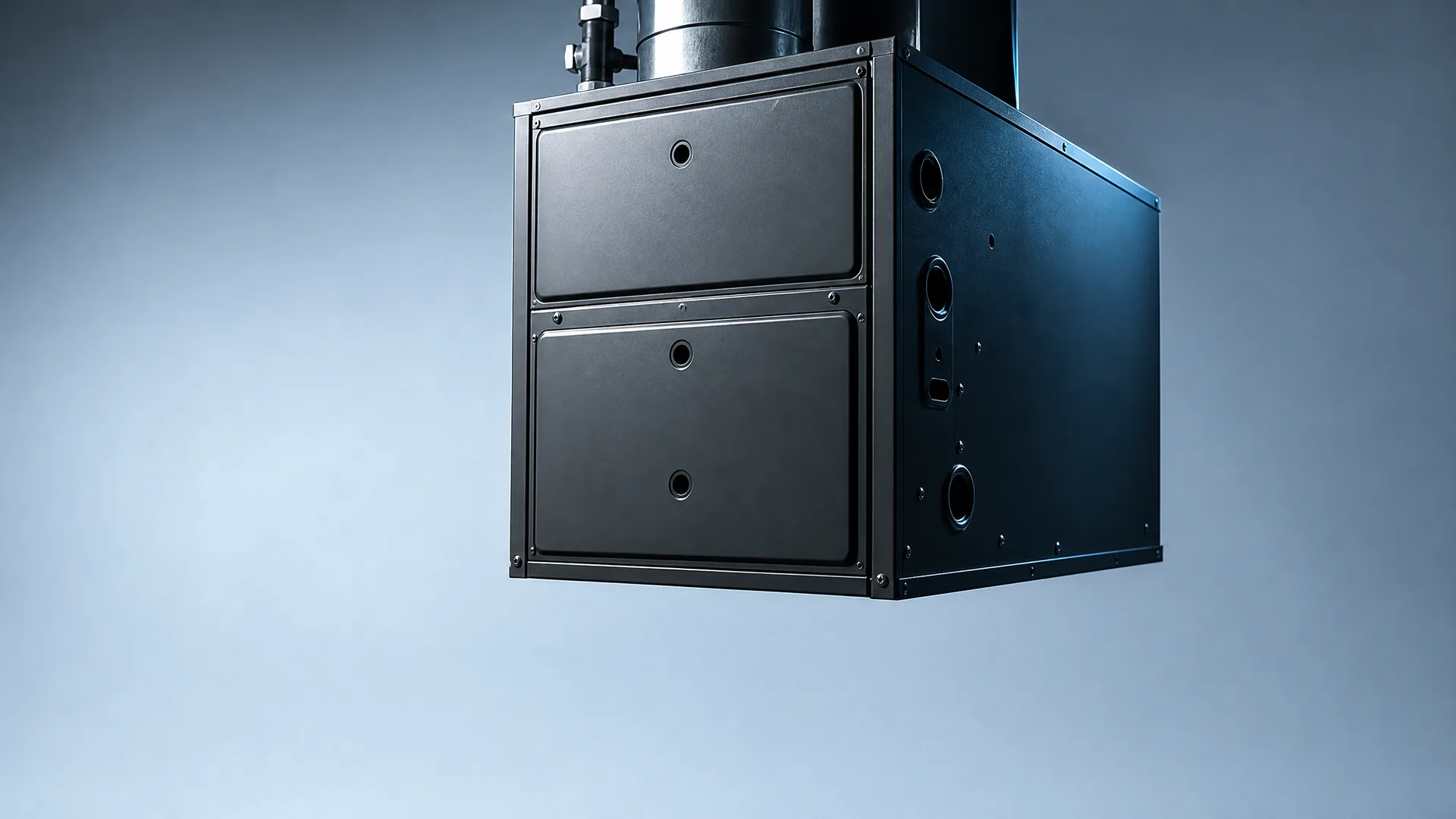
Get it done before November
Heat season here runs November through March, five months in most of the state. October is the month to get a furnace swapped out, before the first cold night puts it to work. Wait until the weather turns and the job happens on the furnace's schedule, not yours, with a crew booked out and a houseful of people waiting on heat. A furnace installed in October gets tested under easy conditions first, running at low demand for a few weeks before it has to carry a real cold night. That's when a loose wire or a bad connection shows up, while it's still an easy fix instead of a no-heat call in the middle of winter.
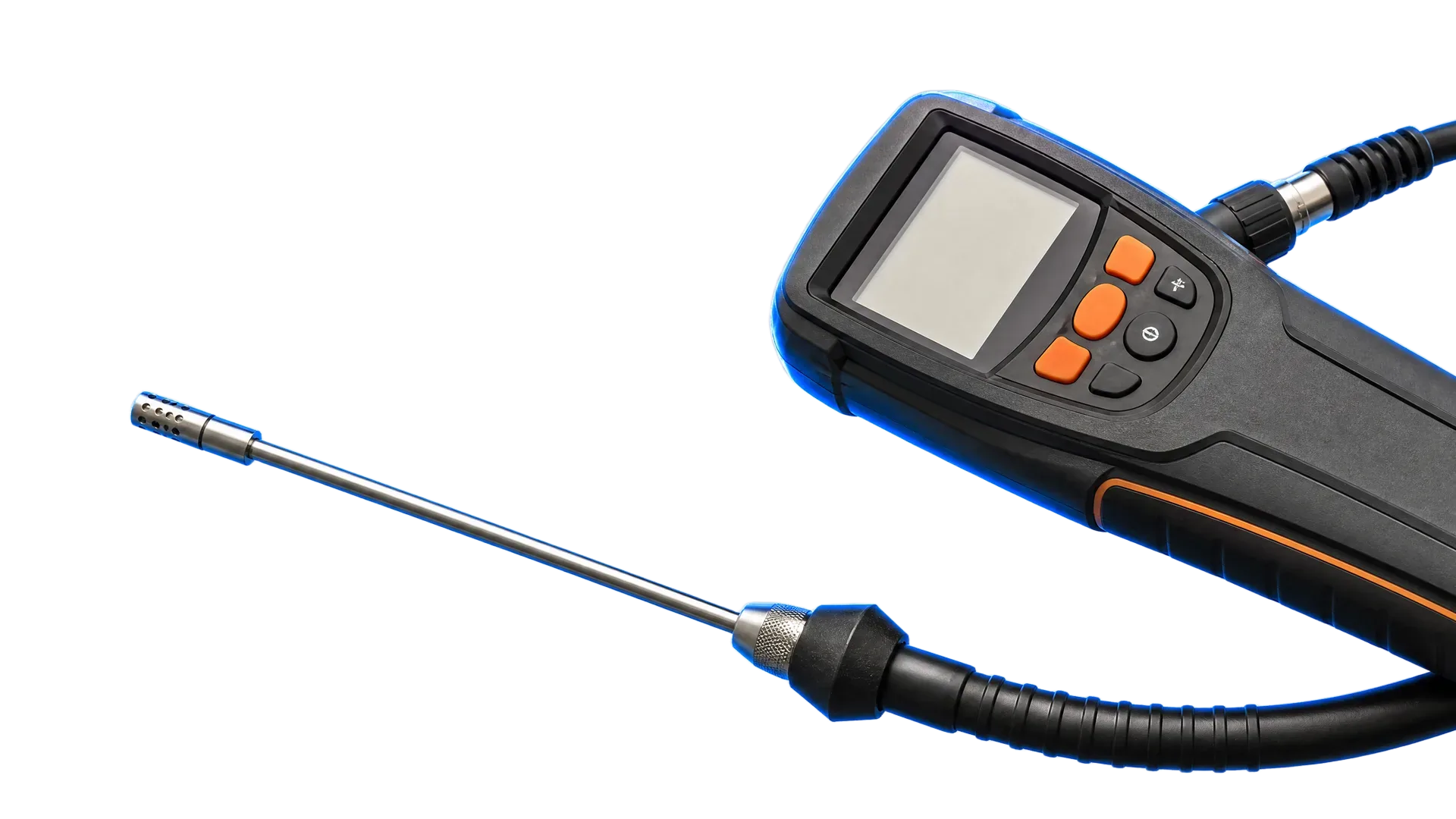
What the rating on the label actually tells you
The efficiency rating on a furnace label tells you how much of the fuel it burns turns into heat in the house instead of going out the flue. Gas furnaces carry an AFUE (annual fuel utilization efficiency, the share of the fuel a furnace turns into heat) rating. Electric furnaces don't need one, because resistance heat turns almost all of what it draws into heat for the room. That matters when you're comparing a gas quote against an electric one. The rating on the label only applies to the gas unit. A higher AFUE furnace burns less fuel for the same heat, but it's a more complex machine, with more parts that can eventually fail, and it usually costs more to install. A lower-rated gas furnace costs less upfront and tends to be simpler to service later on. Neither one is the wrong choice. It comes down to how much the furnace will actually run through the winter, and whether paying more upfront or paying more to run it each month makes more sense for the house.
Electricity here runs $34.38 per million Btu, cheaper than in most states. That changes the math on efficiency. A higher-AFUE gas furnace or a premium electric model costs more upfront and saves on the power bill, but a low running cost means that saving takes longer to add up. There's less to recover a years-long payback on than in a state where power costs more.
The efficiency rating still matters, just less than the install itself. With most furnace jobs here electric replacing electric, the better question is whether the unit and the wiring behind it can handle the power going out and coming back, since Louisiana sees that more than most places. A system sized right and wired right will matter more over its life here than a few points of efficiency.
Most furnace jobs here are electric replacing electric, with the wiring behind it worth getting right.
Tell us about the job
Takes about a minute. No obligation.
Fill out the form and a licensed Louisiana contractor will quote the install for your parish.