





Two illuminated white Southern-style houses with wraparound porches and staircases, framed by a Spanish moss-draped tree on a quiet street at night.

Furnace Installation in Bogalusa, LA

Tell us about the job

Takes about a minute. No obligation.

New system or replacementFurnace or heatingWashington Parish, LA
Step 1 of 2

What ZIP code is the job in?

Most homes in Washington Parish heat with electricity, at 69.4 percent. Gas furnaces are less common here, with utility gas heating 20.9 percent of homes and propane another 6.1 percent. If your home already runs on electric heat, an electric furnace or heat pump matches what the house is already set up for, including the wiring and ductwork sized around it. If gas or propane runs to your home now, replacing with the same fuel keeps the gas line and venting you already have doing the same job. Either way, the fuel already in the house is usually the simplest starting point for the new system.

5 months
November through March, your furnace is on duty
41°F
the average winter night it heats against
80% AFUE
the federal minimum any new unit must meet
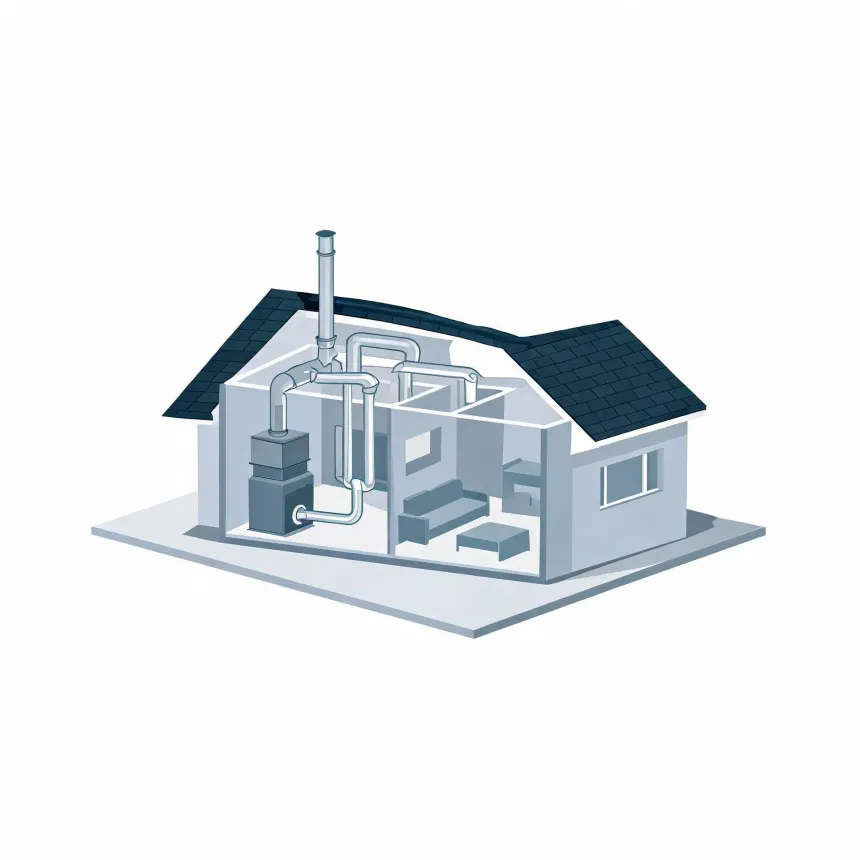
Isometric illustration of a cutaway single-story house showing a gray furnace unit, connected ductwork, and a vertical flue extending above the dark shingled roof.
Your furnace works hardest from November through February.

NOAA nClimDiv, 1991–2020 normals

Winter in Washington Parish runs about five months, November through March, with overnight lows averaging 41°F.

A furnace here isn't working against much, so a reliable mid-range system is enough.

Nothing about this parish calls for oversizing a furnace

Half the homes here were built by 1982
Heat runs November through March
Winter nights average 41°F

Washington Parish sees its share of rough weather, mostly damaging wind, with a few hail events, tornadoes and tropical storms mixed in over the past decade. None of that changes what a furnace needs to do once it's installed. A standard size and efficiency rating still handles the house fine. What the weather does affect is the power behind it. Close to half of Louisiana households lost power for at least a day in 2024, and a furnace that needs electricity to run its blower and ignition will sit idle until the power is back, gas or electric. That's a question of backup power, not of buying a bigger or pricier furnace.

Cheap power here means efficiency isn't what to pay extra for

Electricity here runs $34.38 per million Btu, cheaper than in most states. A high-efficiency furnace costs more up front and takes longer to pay that difference back when power already costs this little. Between two furnaces that both fit this house, the one with the lower price tag is the one worth picking.

Find a contractor
A man in a cap, gray long-sleeve shirt and brown pants carries a canvas tool bag up porch steps toward a dark front door, beside a potted shrub.
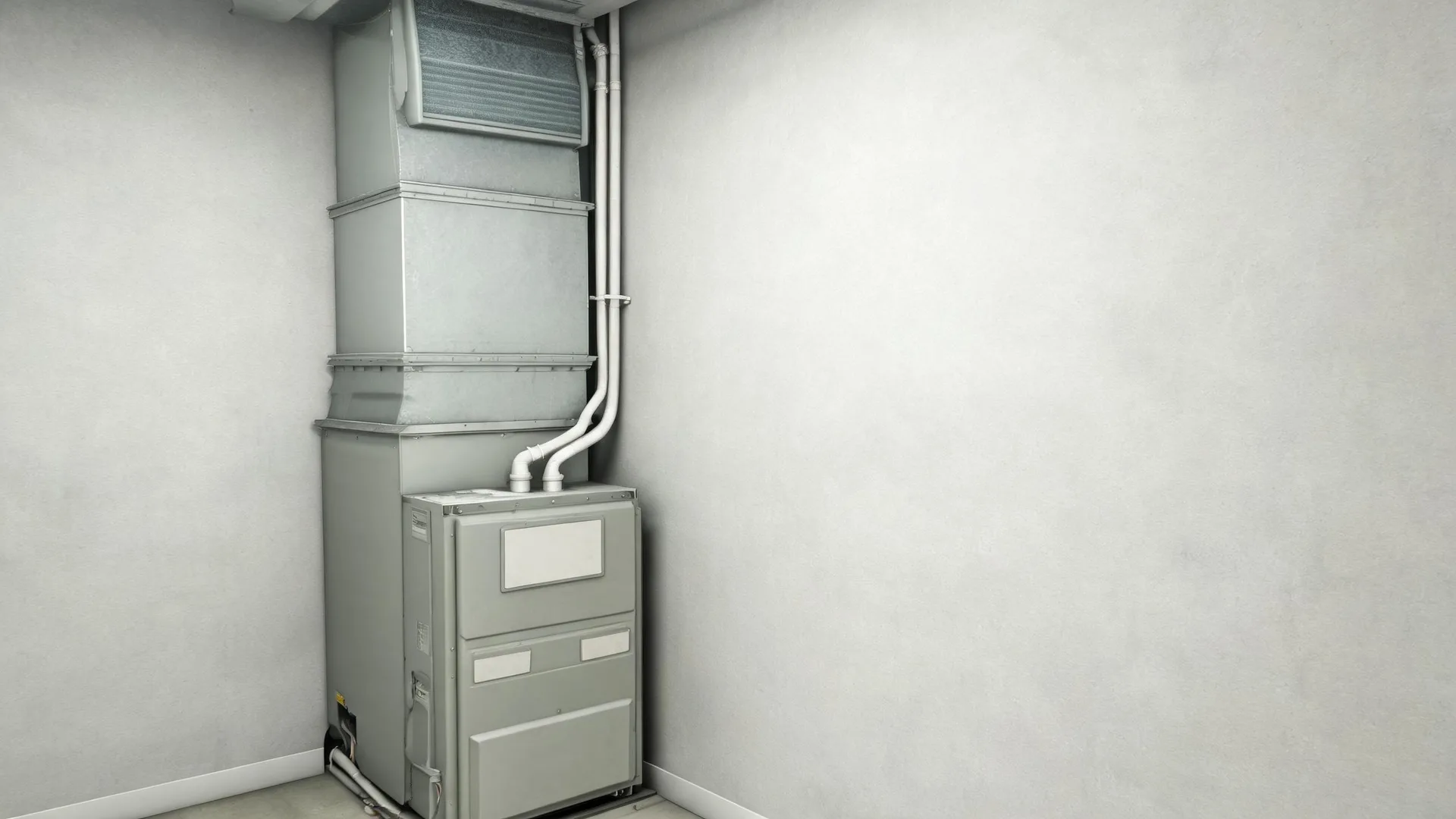
A gray gas furnace with attached ductwork and piping installed in an unfinished concrete basement.

Get it done before November

Heat goes on in November here and runs through March, about five months. If your furnace is on its way out, October is the month to handle it, before the first cold night puts you in a waiting line with everyone else who waited too.

Size is set by the house, not the old furnace

A contractor sizing a new furnace measures the house, the windows, the insulation and the duct layout rather than just matching the unit that's coming out. Homes that look alike from the street can call for different furnaces depending on how they're built. That calculation, not the furnace itself, is what should drive the choice.
The ductwork decides what the furnace can do

A furnace only moves air as well as the ducts let it. If the ducts are undersized, leaky or poorly laid out, even a well chosen furnace will struggle to heat the house evenly. Fixing that is part of the installation, not an extra add-on, and whoever installs the furnace should be looking at the ducts as closely as the unit going in.

AFUE is the efficiency number on a furnace label, and it tells you how much of the fuel it burns turns into heat for the house rather than going out the flue. A furnace rated higher wastes less gas or propane doing the same job. That gap matters most where a furnace runs hard for a long stretch, since every bit of waste gets multiplied by how often it fires. It matters less where the furnace only cycles on for part of the year and sits idle the rest. The rating is also only about fuel use. It says nothing about how long the furnace lasts, how well it's built, or whether it's sized right for the house. A high rating on a furnace that's the wrong size or poorly installed won't heat the place any better than a mid-range one that fits.

Install day starts with pulling the old furnace out. That's when the gas line, the vent pipe and the return duct all get a first real look. The new furnace goes in, gets leveled, and gets tied into the ductwork, the gas or power line, and the venting. A gas unit gets a combustion test once it's running. The tech checks that the flame burns clean and that the flue is actually pulling exhaust out of the house. An electric furnace gets tested under load. That means checking the breaker and wiring against what the furnace draws with the blower and heating elements both running. Whoever installs it should run the system through a full heating cycle before calling the job done, not just fire it on and leave. A furnace that's never been watched through a complete cycle hasn't really been tested.