
Heat Pump Installation in Louisiana
Electricity costs homes less in Louisiana than in 46 of the other 49 states.
Tell us about the job
Takes about a minute. No obligation.
- 43°Fwinter overnight low where people live
- 5 monthsof heat, November through March
- 91°Fsummer afternoon high where people live
- 7 monthsof cooling, April through October
Cheap power here means payback takes longer Reliability matters more than squeezing out efficiency
- Northern counties need about 36% more heat than southern ones
- Winter nights average 43°F where people live
- Summer afternoons average 91°F where people live
- Heat runs November through March
- Cooling runs April through October
- 155 winter storms from 2015 to 2024
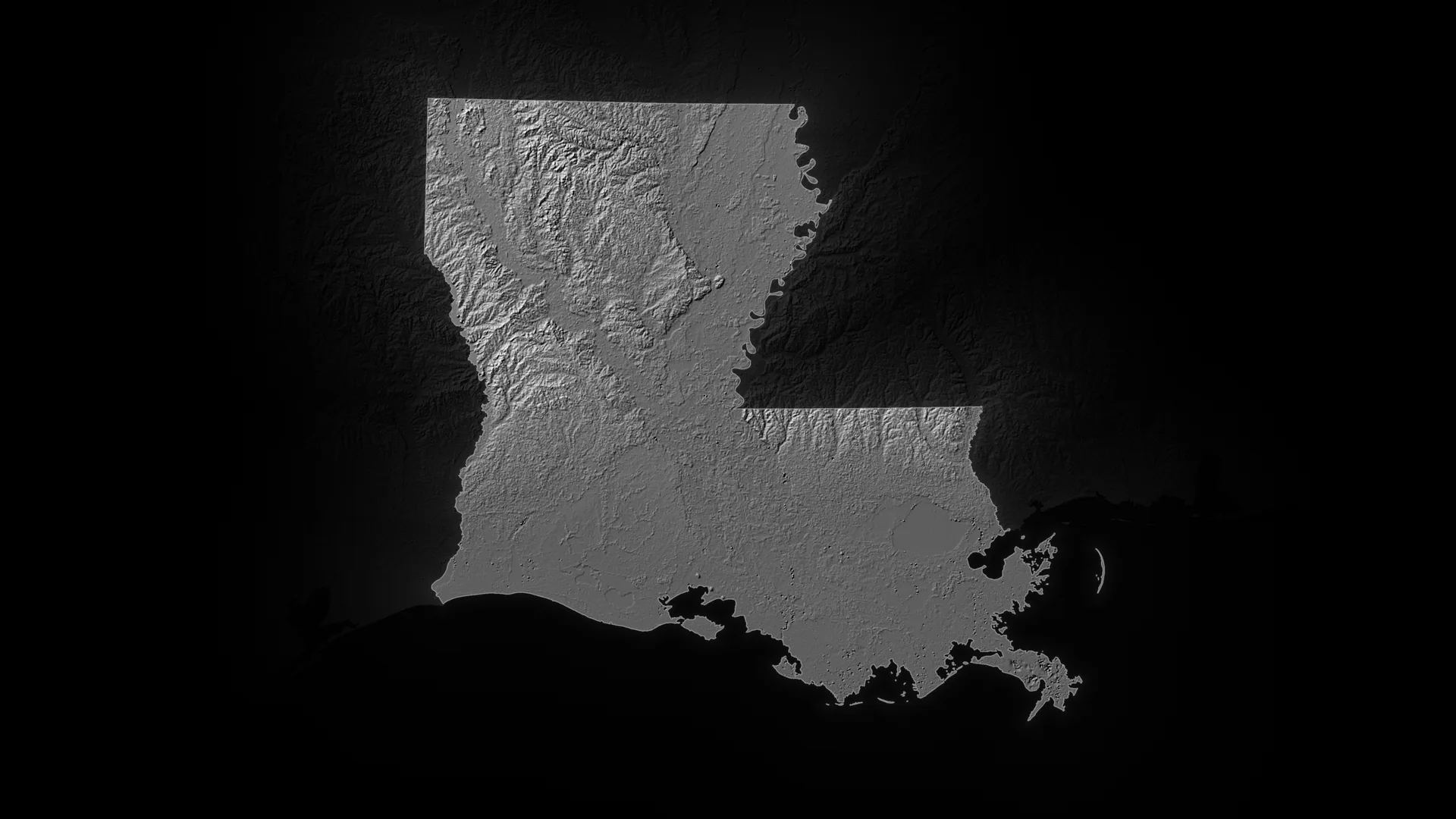

Houses here don't call for special equipment
Half the homes in Louisiana went up in 1983 or later, and most of the state is single-family houses, not condos or apartment blocks. That's an easy house for a standard heat pump to serve. A unit sized to the square footage and the local load works fine, no special equipment for an older, leaky building or a odd layout. Mobile homes are 12.6% of the housing here, and those need a system rated for the ductwork and clearances in a manufactured home. The rest of the market doesn't need anything a contractor can't pull off the shelf.
Electricity heats 64.7% of homes in Louisiana, more than any other fuel, with utility gas a distant second at 32.1%.
A heat pump replacing an electric furnace or electric resistance setup is swapping one electric system for another, which is the most direct kind of upgrade to plan for.

A system that will spend most of its life cooling, not heating
Size it for the load this state actually puts on it
Cooling runs seven months here, April through October. Heat only has to carry the house from November through March, fewer months than in most of the country. A heat pump installed here spends most of its working life in cooling mode, with the compressor doing the bulk of the running year after year. That's a heavier load than a system in a colder state ever sees, and it's worth having the contractor size the unit to the cooling load this house actually has, not a figure pulled from a chart built for somewhere else. Buy on that fit, not on the lowest bid.
What does a heat pump in Louisiana face?
How hot do summer afternoons get?
91°Faverage afternoon high where people live
Alaska66°F
Arizona101°F
How cold do winter nights get?
43°Faverage overnight low where people live
North Dakota4°F
Hawaii65°F
How many months does the heat run?
5 monthsof heating a year
Hawaii0 months
Alaska12 months
What does electricity cost?
11.73¢per kWh (kilowatt hours, the unit on an electric bill), what homes paid in 2024
North Dakota11.51¢
Hawaii42.86¢
How often do storms hit?
109severe weather events per county from 2015 to 2024
Alaska5
Wyoming1,057
How many homes lost power for a day or more?
49%of homes in 2024
Arizona7%
Maine54%
Put it in before the load does
March is the last quiet month before the compressor takes over for seven straight months of cooling. A heat pump installed then gets commissioned and checked out before it has to carry any load at all, and the contractor isn't rushing a start-up around a heat wave. Wait until the house is already struggling in the heat and you're choosing from whoever can get there that week, not necessarily the crew that sized the unit right. The same goes for October, the one month before heat takes over, though that side of the job is lighter here since heat only has to carry the house five months a year.
What the rating on the label actually tells you
The number on the label, the SEER2 (seasonal energy efficiency ratio under the 2023 test, an AC's cooling efficiency over a season) for cooling and HSPF2 (heating seasonal performance factor under the 2023 test, a heat pump's heating efficiency over a season) for heat, tells you how much heating or cooling a heat pump produces for the power it draws. A higher number means more output for the same electricity. It comes from a lab measurement taken under set conditions, so it is good for comparing one unit against another, not a promise of what you will see running on the hottest afternoon or the coldest morning of the year. It also says nothing about size. A high-efficiency unit that is too big or too small for the house it serves will still run poorly, cycling on and off instead of holding a steady temperature. Efficiency and capacity are different numbers, and both have to be right for the equipment to do its job. A contractor weighing units for a given house should be matching the rating to the load that house actually has, not handing over the one with the highest number on the shelf.

Louisiana recorded 5,095 severe weather events of all kinds over the past decade, but measured against the other states it ranks low, less than 45 of them saw more in the counties where people live. Wind hits more often than hail or tornadoes here, but even the wind total trails most of the country. None of that argues for anything beyond a standard heat pump sized to the house.
What does stand out is the power grid, not the weather. Close to half of Louisiana households went at least a day without power in 2024, a worse showing than all but one other state. A heat pump with a backup heat strip or a furnace it can hand off to covers that gap better than a straight electric system with nothing behind it. That's a question for the contractor wiring it in, not a reason to size the unit any differently.
Electricity already heats most homes here, so a heat pump is a straightforward swap.
Tell us about the job
Takes about a minute. No obligation.
Fill out the form and a licensed contractor sized for this load gets in touch.