Ouachita Parish gets hit often
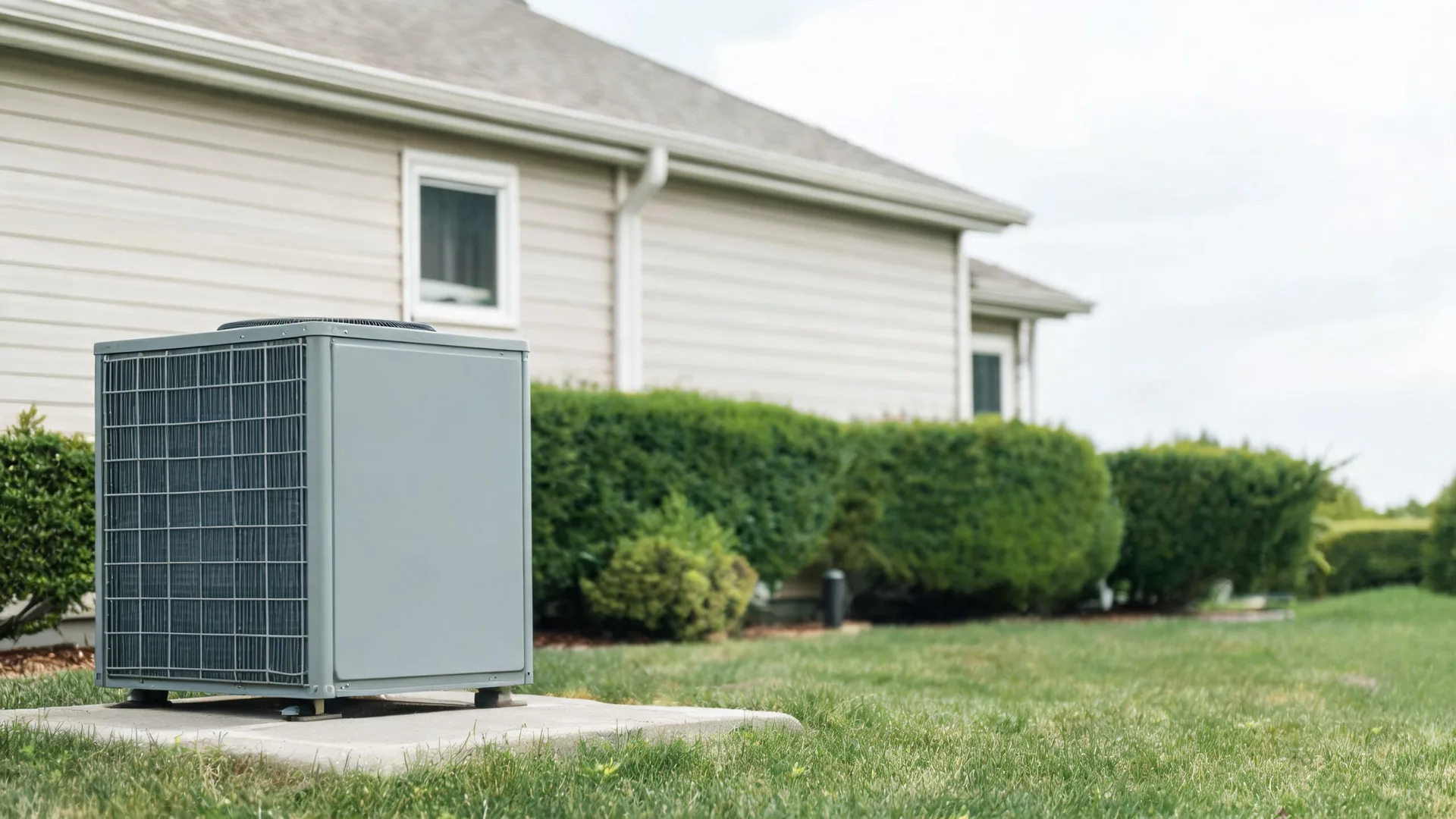
Ouachita Parish logged 140 severe weather events between 2015 and 2024, with damaging wind the most common by far. Hail and tornadoes show up too. An outdoor heat pump unit sits exposed to all of it, year round.
Takes about a minute. No obligation.
Ouachita Parish logged 140 severe weather events between 2015 and 2024, with damaging wind the most common by far. Hail and tornadoes show up too. An outdoor heat pump unit sits exposed to all of it, year round.
Nearly half of Louisiana households went at least 24 hours without power in 2024. A heat pump needs electricity to run, so an outage means no heat and no cooling until service comes back, not just a lost thermostat setting.

NOAA nClimDiv, 1991–2020 normals
October is the last month before heat season starts here.
Get the heat pump installed before November and the first cold snap isn't a scramble.



Electricity heats 66.5% of homes in Ouachita Parish. If yours is one of them, a heat pump takes over the same setup your current system already uses. No gas line to add, no new fuel to plan around. Contractors here install heat pumps on this kind of setup often, not as something out of the ordinary. That familiarity means fewer surprises during the work itself, though it does nothing for what happens when the power goes out.
Any heat pump installed in Ouachita Parish has to meet 14.3 SEER2 for cooling and 7.5 HSPF2 for heating, the federal minimum for this climate zone. That narrows what a contractor can offer you. A federal tax credit is available on top of that.
Find a contractor
The rating on the label is measured once, under set lab conditions, not a promise about every day it runs. Your heat pump works harder on the coldest nights and the hottest afternoons than it does in mild weather, and the rating doesn't change with the weather outside. What it does tell you is how much of the electricity going in actually turns into heating or cooling, compared to a less efficient unit doing the same job. A higher rated system moves the same heat using less power to do it. That matters most on the days it runs longest, since every hour it operates, the gap between a good rating and a poor one keeps adding up. It's also worth knowing the cooling number and the heating number are separate. A unit can be efficient at cooling and only middling at heating, so look at both, not just one.
Whoever installs the new heat pump disconnects the old system, the outdoor unit and whatever sits with the indoor coil, and takes it off site. The refrigerant in the old unit has to be recovered first, not vented, so factor that into the job. You shouldn't be left to deal with the old equipment yourself.
If the old system used the same kind of ductwork a heat pump needs, that part often stays as is. The thermostat usually doesn't survive the switch, since a heat pump controls things differently than a straight AC or a furnace did, including the backup heat stage. Expect a new thermostat as part of the job, not an extra.
A few things push the price of a heat pump installation up or down more than anything else. Size matters most. A contractor should size the unit to the home with a load calculation, not just match whatever was there before, and a unit that's too big or too small costs more to run and wears out faster either way. Ductwork condition plays into it too. If the existing ducts are undersized, leaky, or routed in a way that doesn't suit a heat pump's airflow, that work gets added to the job. The line set between the outdoor unit and the indoor coil, and how far it has to run, affects labor. Electrical capacity at the panel matters as well, since a heat pump draws differently than what it's replacing, and some homes need panel work to support it. None of this shows up on the sticker price of the equipment itself, but it shapes what the job actually takes to do right.
Installation day starts with the old system coming out before anything new goes in. The outdoor unit gets disconnected, the refrigerant lines get opened up, and the indoor coil comes out of the plenum. Once that's clear, the new outdoor unit gets set on its pad and the indoor coil goes in where the old one sat. The line set gets run between them, pressure tested, then pulled into a vacuum to clear out air and moisture before refrigerant goes in. Electrical work happens alongside this, tying the unit into the panel and running control wiring to the thermostat. Once everything's connected, the system gets run through its paces, checking refrigerant charge, confirming airflow at the vents, making sure the thermostat is actually controlling the heat pump the way it should, backup heat included. A contractor won't call the job done until it's been run in heating and cooling both, not just switched on and left.