Two white Southern-style homes with wraparound porches lit by landscape lighting at night, flanked by live oak trees hung with Spanish moss.

Heat Pump Installation in Crowley, LA

Tell us about the job

Takes about a minute. No obligation.

New system or replacementHeat PumpAcadia Parish, LA
Step 1 of 2

What ZIP code is the job in?

Weather here is hard on outdoor equipment

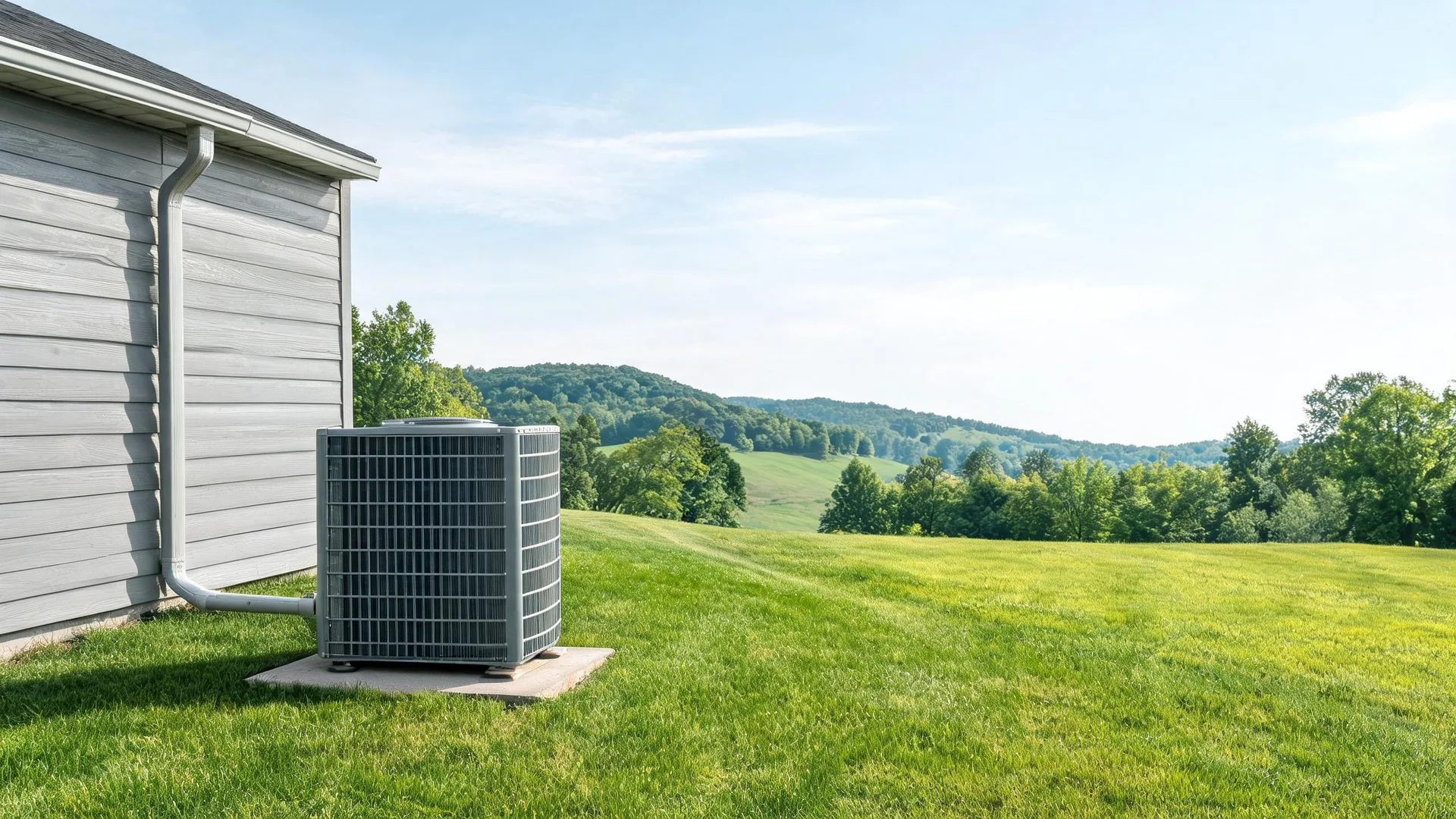
Acadia Parish recorded 81 severe weather events between 2015 and 2024, with damaging wind and hail among them. A heat pump's outdoor unit sits outside year round, so where it goes and what shields it from debris is worth deciding at install, not after.

Power outages are common in Louisiana

Almost half of Louisiana households went at least 24 hours without power in 2024. A heat pump needs electricity to heat and cool, so an outage takes down both at once. Worth asking your contractor about backup options before the system goes in.

5 months
November through March, your system heats
7 months
April through October, it cools
44°F
the average winter night it heats against
91°F
the average summer afternoon it cools against
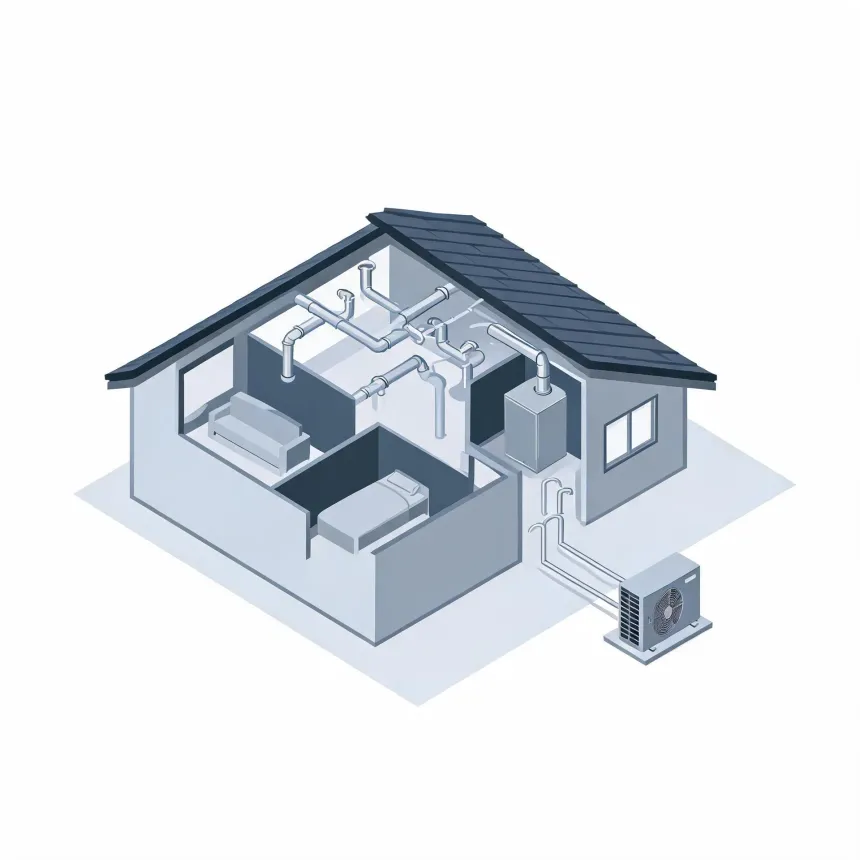
Isometric cutaway illustration of a small house showing ducted air distribution, an indoor air handler, and an outdoor condenser unit connected by lines, with a sofa and bed in the rooms.
Your system heats November through March and cools April through October.

NOAA nClimDiv, 1991–2020 normals

March is the last quiet month before cooling starts up in Acadia Parish.

Install the heat pump in March and it's already broken in by the time April heat lands.

A standard heat pump sized right fits this parish

Half the homes here were built by 1980
Climate zone 2A
Power costs 11.73 cents a kWh statewide
Most homes here already run on electric heatElectricity heats 70.5% of homes in Acadia Parish, a heat pump fits right into that

Electricity in Louisiana runs about 11.73 cents a kilowatt-hour, lower than most of the country. That changes how to think about a heat pump purchase here. The top-efficiency model still costs less to run month to month, but the extra you'd pay for it takes longer to earn back when power is already cheap. Sizing and installation quality matter more than the efficiency rating on the sticker. A unit that's sized right for this house and holds up through storms and outages will serve you better than one picked for a SEER2 number alone.

Louisiana's efficiency floor decides what can go into your home

Any heat pump installed here has to hit 14.3 SEER2 and 7.5 HSPF2 at minimum, and if it's paired with central air under 45,000 Btu/h, that air conditioner side holds to the same 14.3 SEER2 floor. That rules out the lowest-end units sold elsewhere. A federal tax credit is available toward the cost of a qualifying heat pump, worth asking about when you compare quotes.

Find a contractor
A man in a cap, dark shirt and tan pants, seen from behind carrying a canvas bag, climbs wooden porch steps toward a blue front door beside a potted evergreen.
A gray air-source heat pump mounted on a concrete pad next to a house with gray vinyl siding, surrounded by gravel and flanked by green shrubs and white hydrangea flowers.

The label tells you one number. It doesn't tell you the whole story.

The rating on the label tells you how much heat the system moves for the electricity it uses, measured over a season rather than at one moment. Run it at the mildest point in spring or fall and it earns that number easily. Run it on the coldest morning or the hottest afternoon, when it has to work hardest, and it falls short of the sticker. That's not a flaw, it's just when the rating was never meant to promise. A unit with a high rating that's sized wrong for the space it's heating and cooling will still run longer and cost more than a correctly sized unit with a lower one. The rating also says nothing about how long the compressor lasts, how well the ductwork moves the air it produces, or how it holds up when the power cuts out and comes back. Those depend on installation and on the equipment itself, not on the number on the sticker.

Sizing comes from a load calculation, not the old unit's label

A contractor works out heat loss and heat gain room by room, looking at window area, wall and ceiling insulation, and how the space is laid out. The number that comes out of that tells them what size heat pump to put in. Copying whatever size came out of the house before just repeats the last guess, and if that guess was wrong, the new system inherits the same problem.

Both too big and too small cause real damage

An oversized heat pump reaches the thermostat's setting fast, shuts off, then starts again a few minutes later. That short cycling wears on the compressor and never gives the system time to pull moisture out of the air, so the house feels clammy even when the temperature reads right. An undersized one never gets there at all. It runs flat out for hours, struggles on the coldest or hottest days, and still leaves rooms farther from the unit colder or hotter than they should be.

A load calculation sets the size, but what drives the price is everything that has to happen to get the unit running right. Ductwork is usually the biggest factor. If the existing ducts are the wrong size for the new system, or leak air into the attic or crawl space, they need work before the heat pump can perform the way it's rated to. Electrical is the other big one. A heat pump draws power the old furnace never did, so the panel and the circuit feeding the outdoor unit both have to be able to handle it, and older panels sometimes need an upgrade first. Where the indoor and outdoor units go matters too. Longer refrigerant line runs, tricky access, or a slab that needs a new pad all add labor before the system ever turns on. None of this shows up on the equipment sticker. It shows up when the contractor walks the house.

Install day starts before the crew ever touches the old equipment. The outdoor unit gets disconnected and hauled off, then the new pad goes down level and clear of the wall, because a unit set crooked wears its own compressor out early. Indoors, the air handler or coil gets swapped and tied back into the ductwork. Refrigerant lines get run, brazed, then pressure tested before any charge goes in, since a joint that leaks slowly can take months to show up as weak heating or cooling. Electrical gets tied in last, breaker and disconnect matched to what the new unit draws. Once it's all closed up, the contractor runs the system through a full cycle, checks refrigerant charge against the manufacturer's numbers, and measures airflow at the vents rather than just listening for the unit to kick on. A heat pump that's wired, charged and set up right on day one is the one that doesn't call for a service visit in its first year.