Heat pump vs furnace in Acadia Parish, Louisiana

Find a Local Installer

Get a price before you decide

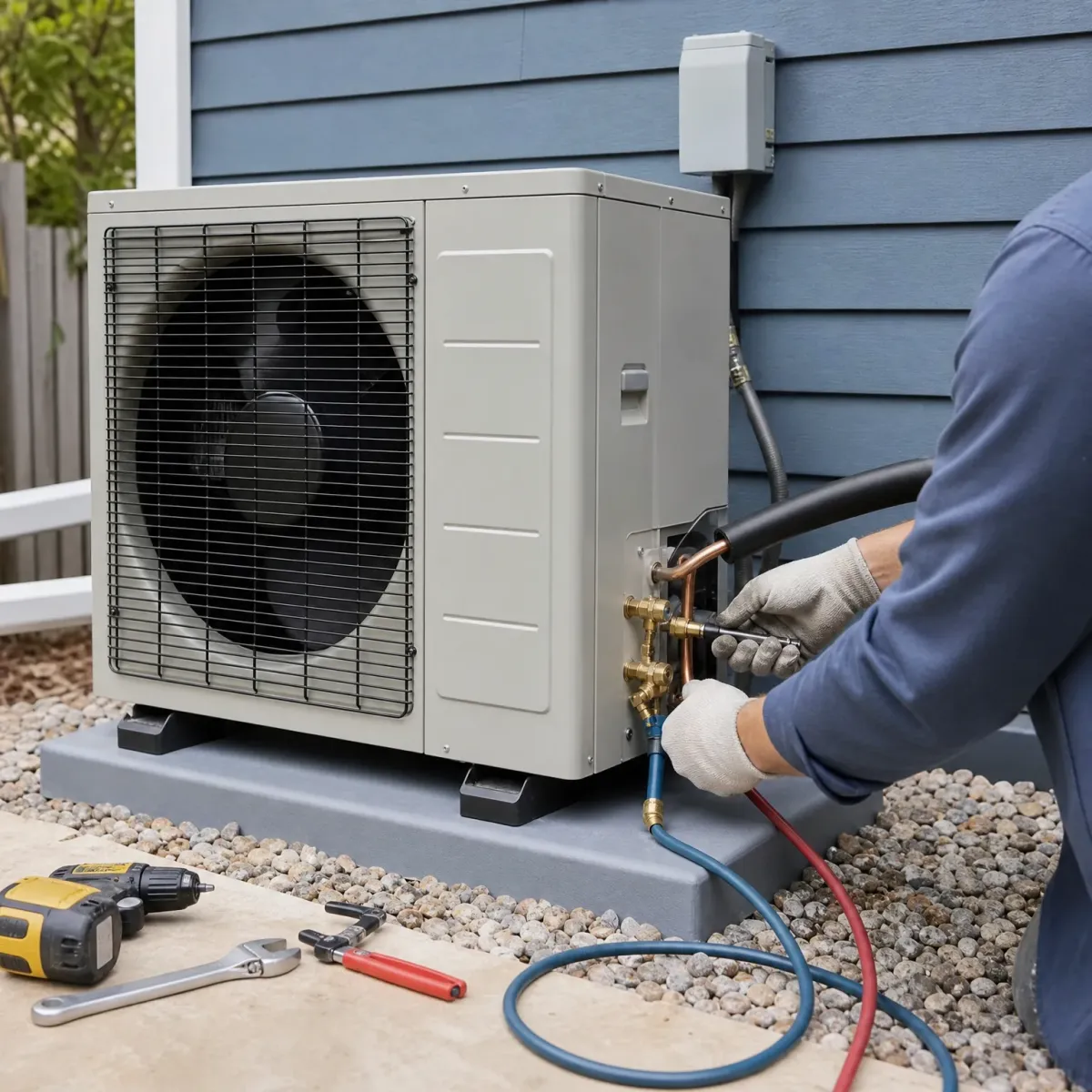
A person in a blue long-sleeved shirt and white gloves works on copper refrigerant lines with blue and red gauge hoses at an outdoor condenser unit on a gray pad beside a blue-sided house, with a drill and wrenches on the concrete in the foreground.

Tell us about the job

Takes about a minute. No obligation.

New system or replacementAcadia Parish, LA
Step 1 of 3

What kind of equipment?

Which costs less to run in Acadia Parish?

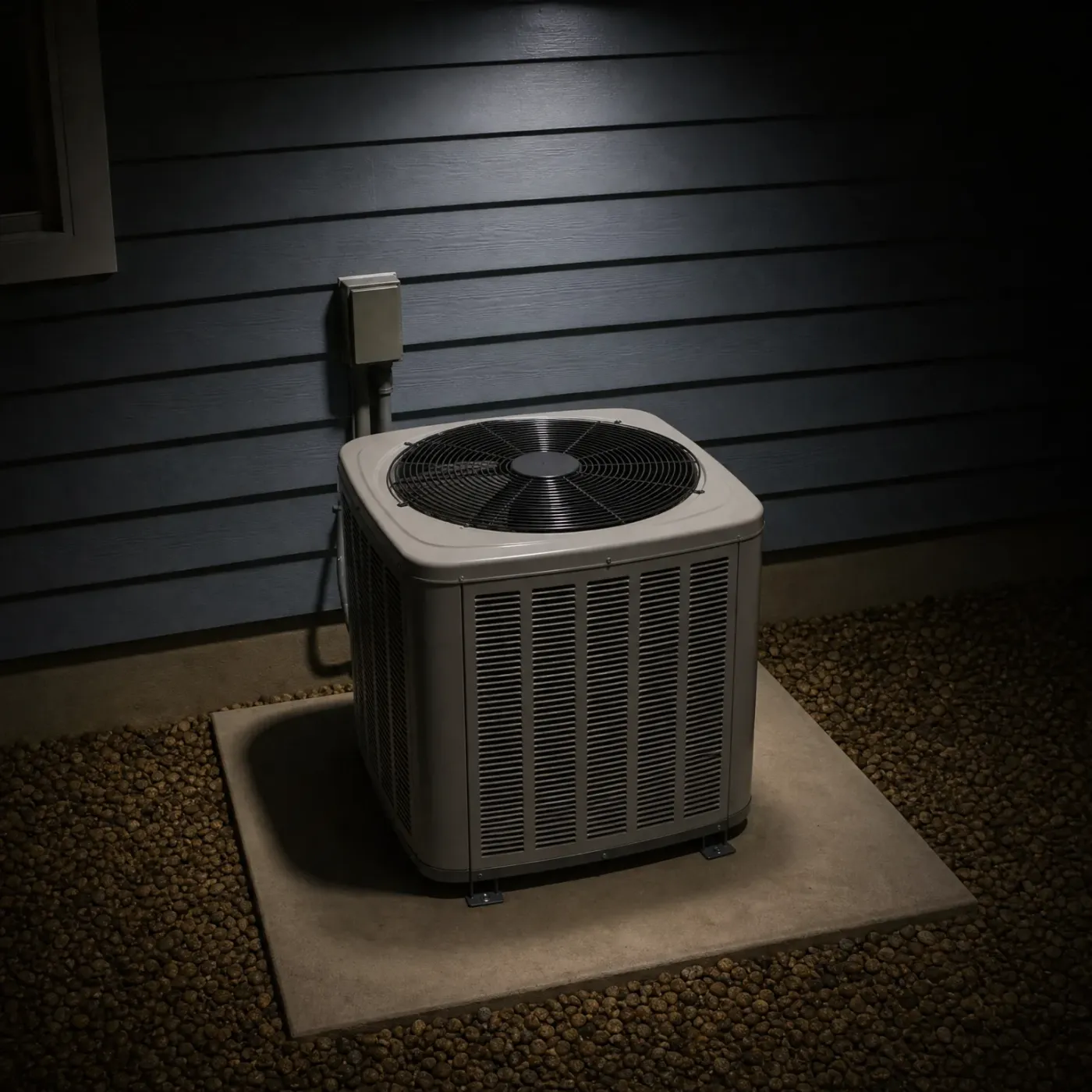
An outdoor air conditioner condenser unit on a concrete pad surrounded by gravel, next to a dark horizontal-lap sided house wall with an electrical disconnect box above it, lit at night.

Heat pump

To heat your home here$1.56per 100,000 Btu

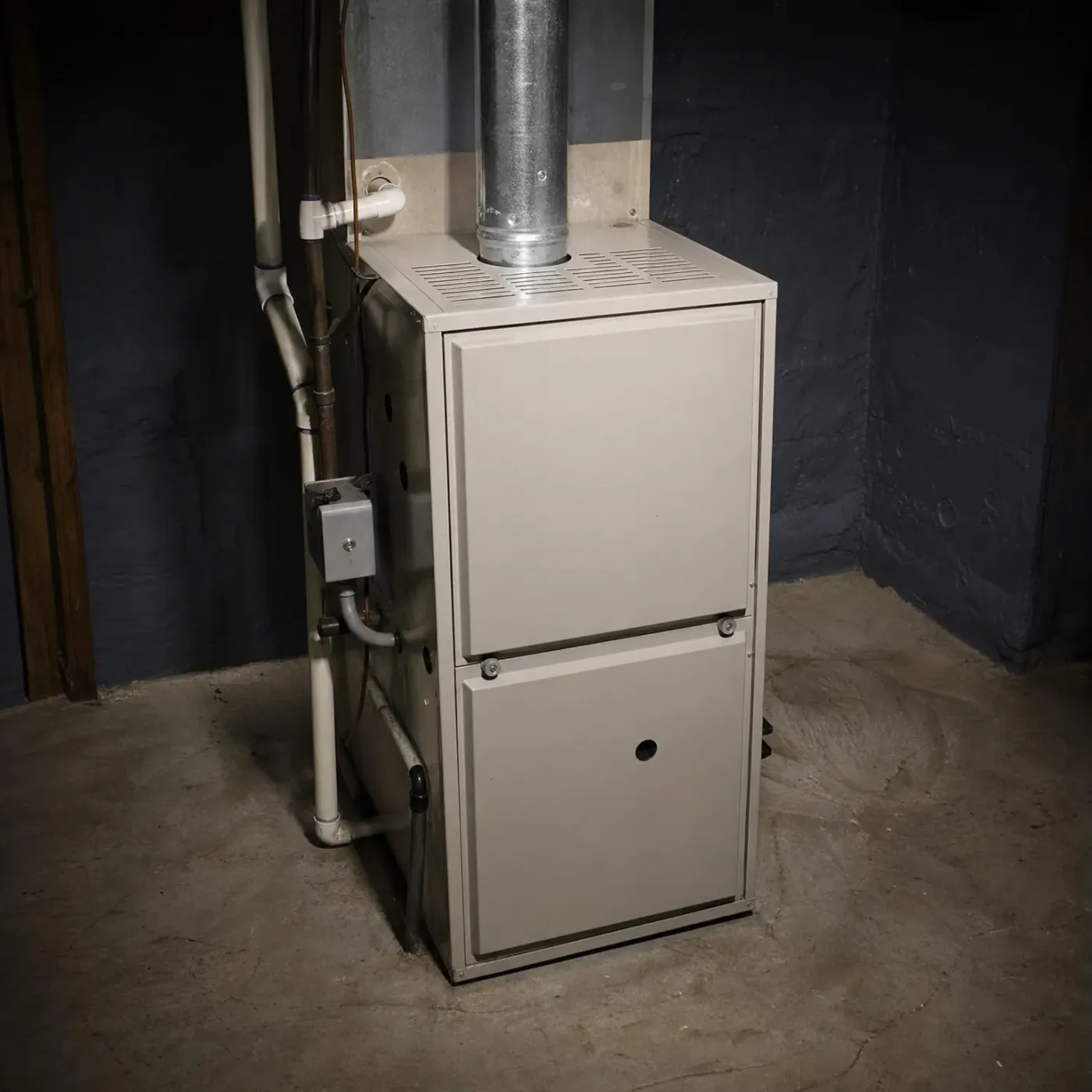
A beige gas furnace with two access panels stands on a concrete basement floor beside a dark painted wall, with a metal flue pipe rising from its top and pipes and an electrical box along its left side.

Furnace

To heat your home here$2.00per 100,000 Btu

At Louisiana's gas and electricity prices, a heat pump makes the same heat as a gas furnace for about 22% less.

Btu stands for British thermal unit, the standard measure of heat energy.

Where does a heat pump shine?

  • Made for mild winters

    Winter nights here average 44°F, which is well within the range a heat pump handles without strain. It can pull heat from that outside air all winter long and keep up without working overtime.

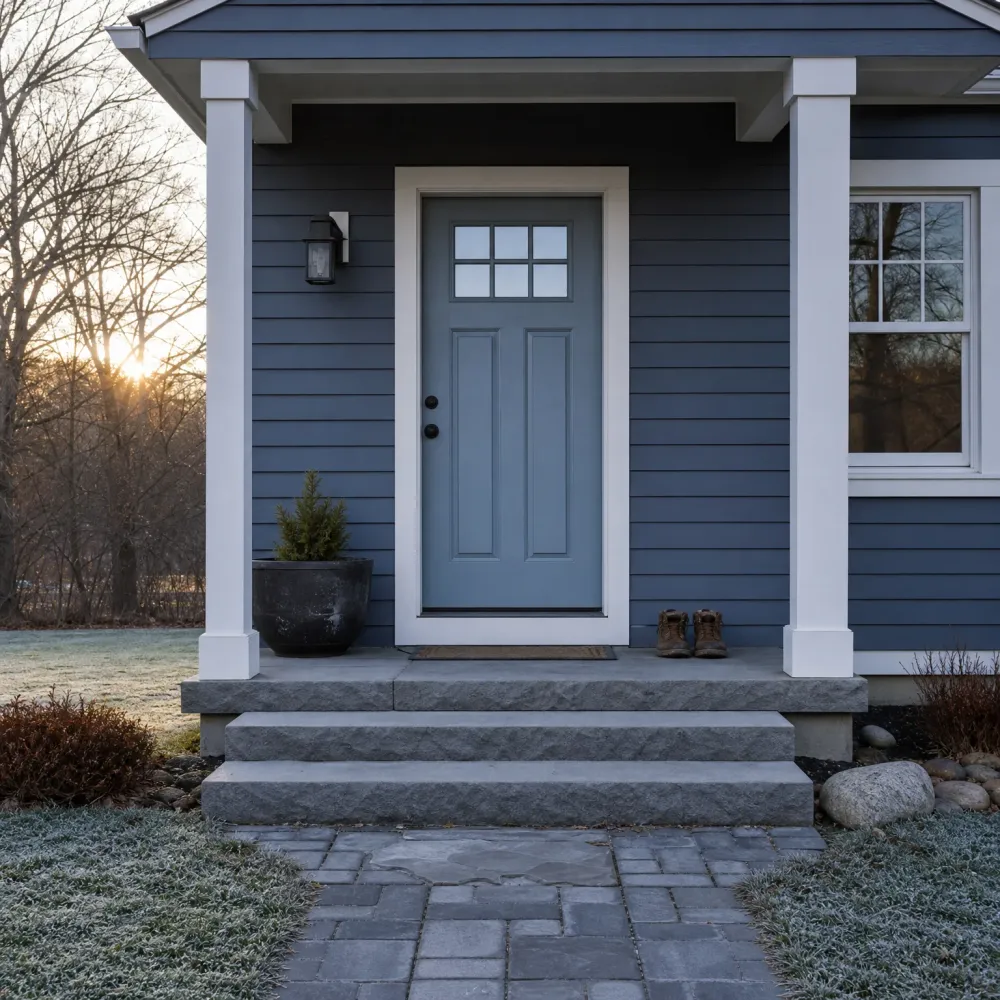
    Covered front entry of a dark gray clapboard house with white trim columns, a light blue six-pane door, a wall lantern, a potted small conifer, work boots on the granite porch, stone steps and a paver walkway, with frost on the surrounding grass and bare trees backlit by low sun.
  • Covers a long cooling season

    A heat pump cools the same way it runs heat, so it's earning its keep April through October. In Acadia Parish that's the bulk of the year spent cooling, not heating.

    A covered porch with blue lap siding, a ceiling fan, and lantern lights, showing a glass of iced tea on a round wooden side table in the foreground and a person in a cap seated at a patio table with green trees beyond the railing.
  • Steady, even comfort

    Instead of short bursts of heat, it keeps a gentle, steady output going. The house stays at one comfortable temperature.

    A golden-haired dog sleeping on a patterned rug in front of a gray armchair with an open book and knit throw, beside a lit wood stove and a window showing snow outside.

Where does a furnace shine?

  • Proven, simple, easy to get serviced

    The design is simple and well understood. That keeps service calls short.

    A gloved hand holds a white pleated air filter in front of a furnace, next to shelves holding wicker baskets, a metal bucket, and a mug.
  • Pairs with any central AC

    Most central air systems are built around a furnace. The two share the blower, the ducts and the thermostat.

    A wooden floor vent register set in a hardwood floor near a window with sheer white curtains, with a woven basket planter on the left and a patterned rug on the right.
  • Fast, strong heat on demand

    Turn the heat up and the furnace answers right away. There's no long wait for the house to catch up.

    Mudroom entry with a dark blue door and wainscoting, coats on hooks, a wooden bench with a gray fringed throw and mug, snow-dusted winter boots on a striped rug, a floor vent, and a sheer-curtained window showing snow outside.

What winter actually asks of either machine

Winters here are mild. The overnight low averages 44°F across December, January and February, and it only drops to freezing or below on about 16 nights a year. That's under a quarter of the roughly 150 nights in the five months the heat runs here, November through March. A heat pump loses capacity as the air outside gets colder, but that's not what this county asks of it. It's asked to hold a house around 44°F most nights, with a couple dozen colder nights mixed in. That's within what a heat pump built to the federal minimum handles on its own, no backup heat needed to make the case.

Cost follows from that. A heat pump here runs about $1.56 per 100,000 Btu of heat, against $2.00 for a gas furnace, because it's moving heat rather than burning fuel to make it. Over a five month heating season, that gap is real money, and it's the furnace that costs more to run in this climate, not less.
A single-story brick ranch house with blue shutters, a blue front door, a covered porch and gray shingled roof, set on a mowed lawn with a concrete walkway and a large moss-draped oak tree in the foreground.

Why the summer side of the ledger matters more here

Heating runs five months a year in Acadia Parish. Cooling runs seven, April through October, and the afternoon high clears 90°F about 85 days a year. A gas furnace has no part in any of that. It heats, and for seven months it sits unused while a separate air conditioner carries the house. A heat pump is that air conditioner for those same seven months, and the heater for the other five, out of one piece of equipment.

That's the real comparison for this county: a heat pump running both seasons against a furnace that only ever covers the shorter one and still needs a central AC bolted on beside it to do the rest of the year's work. Gas still heats about one in four homes here, and a furnace is a proven, simple machine that's easy to get serviced if that's what your house already has. But for a house choosing fresh, the mild winter and the long cooling season both point the same direction.

Sources: NOAA nClimDiv · NOAA 1991–2020 seasonal normals · EIA SEDS 2024 · 10 CFR 430.32 · Census ACS 2020–2024

A two-story blue clapboard house with white trim, a covered front porch with columns and railings, and a gabled dormer, flanked by pink-flowering crape myrtles and tall pine trees, with a walkway leading to the street.

Common questions about heat pumps and furnaces

  • Will a heat pump keep my house cool enough here?

    Yes. A heat pump is a central air conditioner in the summer months, same as the one it would replace, and the afternoon hits 90°F or above on about 85 days a year here, under a quarter of the days in the year. The rest of the time it's cooling to a thermostat setting well below that, which any properly sized system handles the same way.

  • Can I keep my furnace and add a heat pump?

    Yes, that pairing is called a dual fuel system, and it's a normal setup. The heat pump handles the heating load most of the season, since nights here only fall to 32°F or below about 16 times a year, and the furnace kicks in on the handful of nights near or below freezing when a heat pump's output drops off. The furnace also stays on hand as backup if the heat pump ever needs service in the middle of winter.

  • What if my house doesn't have a gas line?

    Then the real choice is a heat pump against electric resistance heat or a furnace burning propane or oil, not against natural gas. Propane and oil cost more per Btu than the gas prices this page runs on, and straight electric resistance heat costs more to run than a heat pump burning the same electricity, because a heat pump moves heat instead of generating it. Without a gas line already at the house, a heat pump is usually the cheaper path to install too, since there is no line to run.

  • Is a heat pump cheaper to run than a furnace in Acadia Parish?

    Yes, by about 22% at Louisiana's average fuel prices. The band above works out to $1.56 per 100,000 Btu for a heat pump against $2.00 for a gas furnace, both built to the federal minimum. That gap holds up because electricity here costs $34.38 per million Btu and gas costs $16.04, but a heat pump gets far more heat out of each unit of electricity than a furnace gets out of gas.