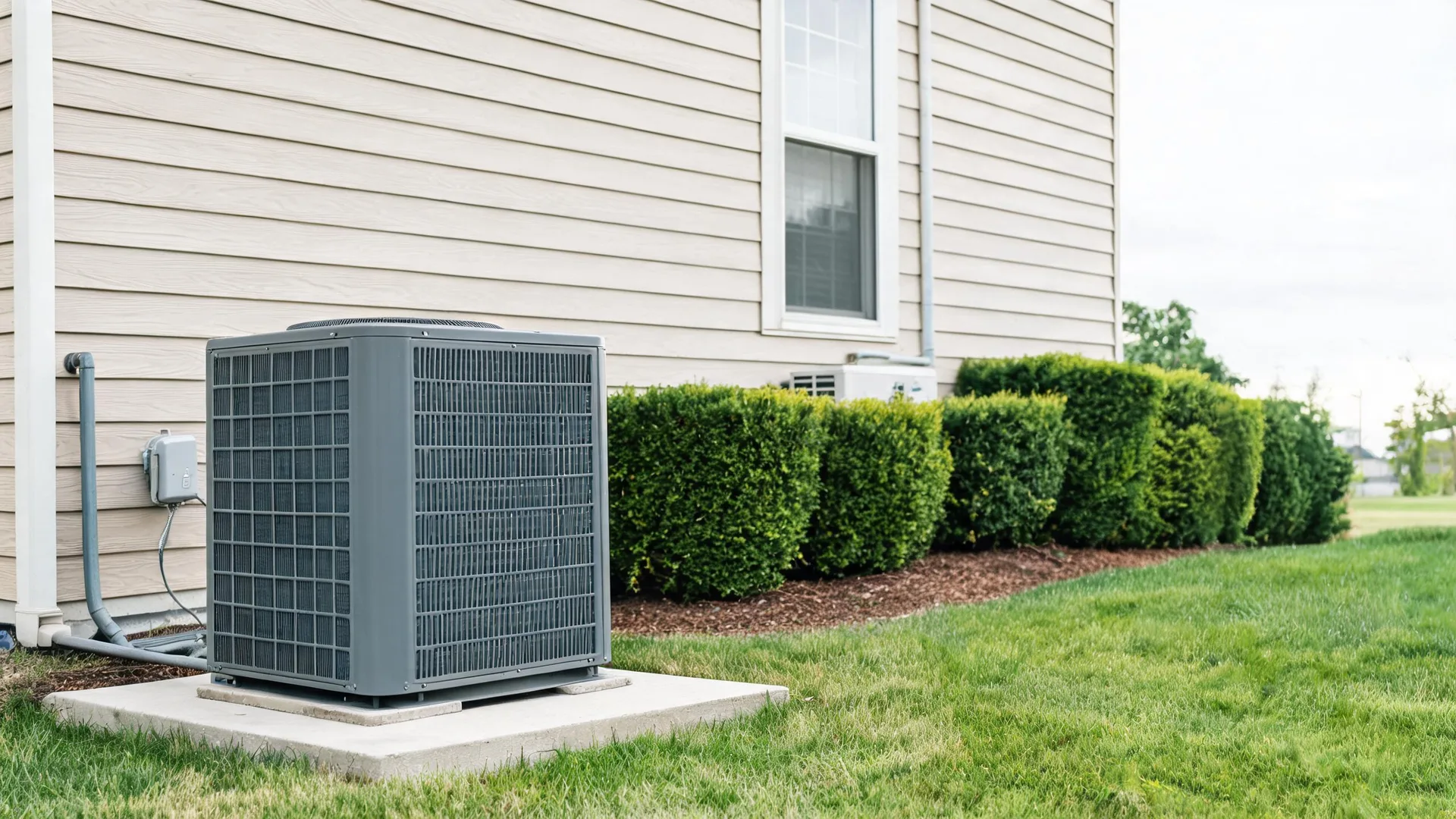
Between visits, the main thing you can do is keep the filter clean. A clogged filter starves the system of airflow, and a heat pump that can't move enough air will run longer to hit the same temperature. Check it monthly and swap or rinse it when it looks gray or matted. Outside, keep the area around the outdoor unit clear. Leaves, grass clippings and shrubs too close to the cabinet block airflow across the coil, and that coil needs open air on all sides to do its job in both heating and cooling mode. Walk by it now and then and brush off any debris sitting against the housing. Inside, don't block supply vents and returns with furniture or rugs. Beyond that, leave the refrigerant charge, the electrical connections and the defrost cycle to someone trained on them.
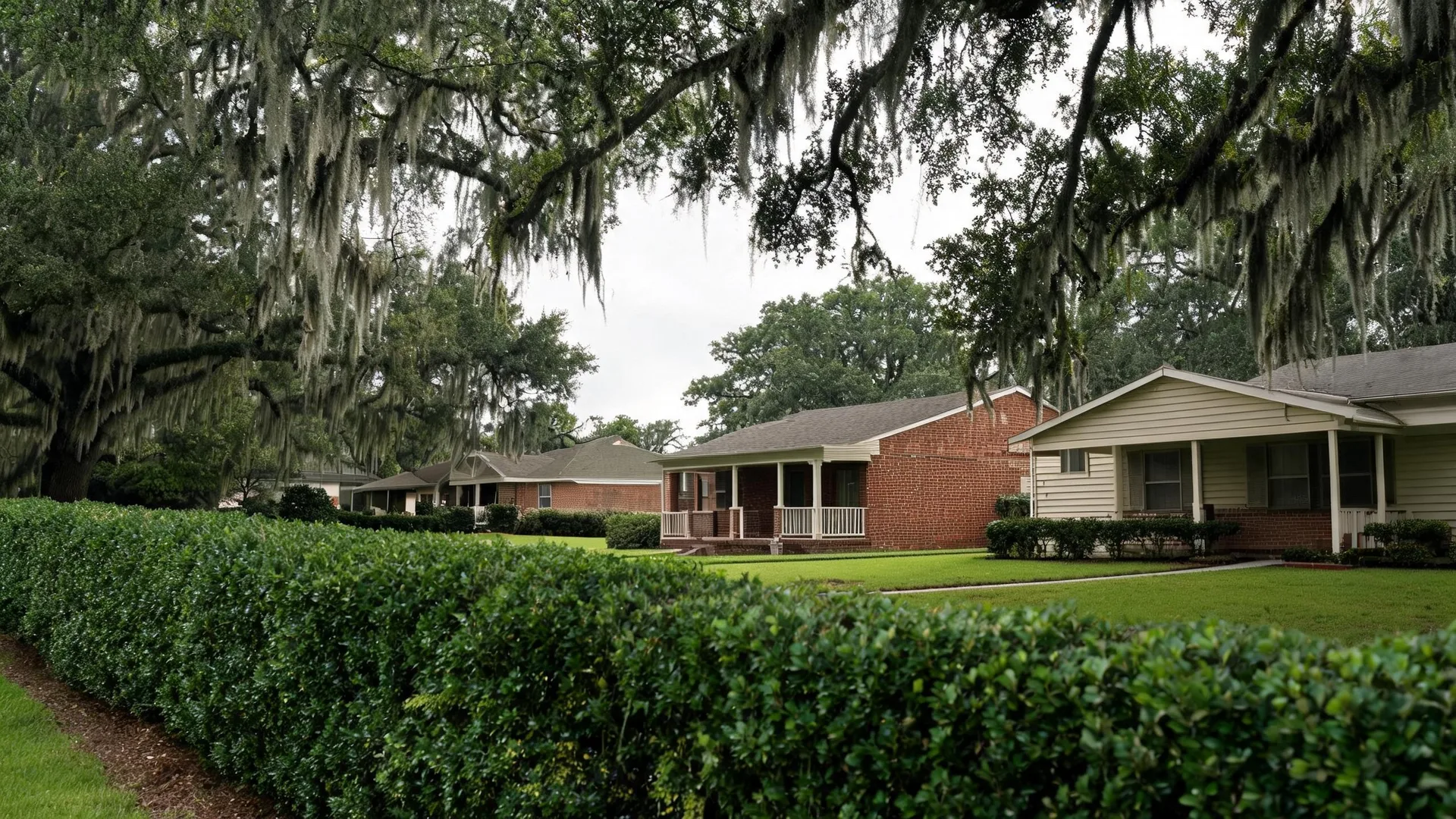
Half the homes in Acadia Parish were built in 1980 or earlier, half in 1980 or later.
Either way, one visit a year is what a heat pump here needs, old house or new.
Acadia Parish sees a lot of severe weather, and your outdoor unit sits right in it
81 severe weather events from 2015 to 202449% of homes statewide lost power a day or more in 202448 damaging wind events from 2015 to 2024
A maintenance visit is a good time to have the outdoor unit looked over for storm wear, not just filters and coils. Wind-blown grit pits the fins over time, and hail dents the cabinet and can bend fins enough to choke airflow even when the system still runs. A tech can check the fins, the cabinet and the electrical connections for anything a storm has loosened or worn down, and straighten or clean what needs it before the next system comes through. Louisiana homes losing power for a day or more isn't rare, and a heat pump that lost power mid-cycle during the last outage is worth a look too. Catching this kind of wear on a scheduled visit is a lot easier than finding it when the unit won't start.
A heat pump runs in both directions, and that doubles the wear a tech is checking for. The reversing valve that switches it between heating and cooling can start sticking, and from the thermostat all you see is a system that feels less sure which mode it's in. Refrigerant charge drifts down slowly through a fitting or coil connection too small to notice, and a system low on charge still runs, just longer and harder than it should to hit the same temperature. The defrost cycle is another one you'd never catch on your own. In heating mode the outdoor coil can frost over, and the system is supposed to sense that and run a short defrost to clear it. When that sensor or control board starts misreading, the coil stays iced and the unit loses heating capacity before anyone inside notices anything but a house that won't warm up. None of this shows up as a strange noise or a smell. It shows up as a slow loss of capacity that a gauge set and a trained eye catch long before the compressor is working hard enough to wear itself out early.
The compressor pays for what gets skipped
A dirty coil or a weak electrical connection does not stop a heat pump from running. It just makes the compressor work harder to move the same heat. That extra strain, kept up long enough, is what wears a compressor down early, and the compressor is the one part in the system worth protecting.
The signs are slow, not sudden
A connection loosens, a sensor drifts, a coil loses airflow bit by bit. None of that makes a noise or trips anything. The system just keeps running, a little worse each month, until someone notices the house is not as warm or as cool as it should be. A yearly visit is what catches that kind of problem while it is still small.
Between visits, there are signs worth paying attention to even if nothing has failed outright. Short cycling, where the system kicks on and off in quick bursts instead of running a full cycle, usually points to an airflow or control problem rather than something you can fix by adjusting the thermostat. Ice building up on the outdoor coil and staying there, instead of clearing during a normal defrost, means that cycle isn't working right anymore. A unit that runs longer than it used to, or blows air that feels less warm or less cool than before, is losing capacity somewhere even if it hasn't quit. Strange sounds matter too. A rattle usually means something has worked loose, and a hum without the fan turning over can mean a failing capacitor or motor. None of these stop the system from running today, but they're the kind of thing a scheduled check is built to catch before they do.
A quick visit and a thorough one can look the same from the kitchen window. Both end with the tech saying the system's fine. The difference is whether anyone actually checked the things that don't show up by looking. Pulling the panel and watching the pressures while the system runs through a full cycle takes time, and so does testing the capacitor under load instead of eyeballing it. A real check includes forcing a defrost cycle and watching the system clear the outdoor coil on its own, not just confirming the coil looks clear that day. It means checking refrigerant charge against the manufacturer's numbers rather than feeling the lines and guessing. If a visit is done in a few minutes with the cabinet barely open, ask what was actually tested. The parts that fail slowly are the ones a short visit is most likely to miss.