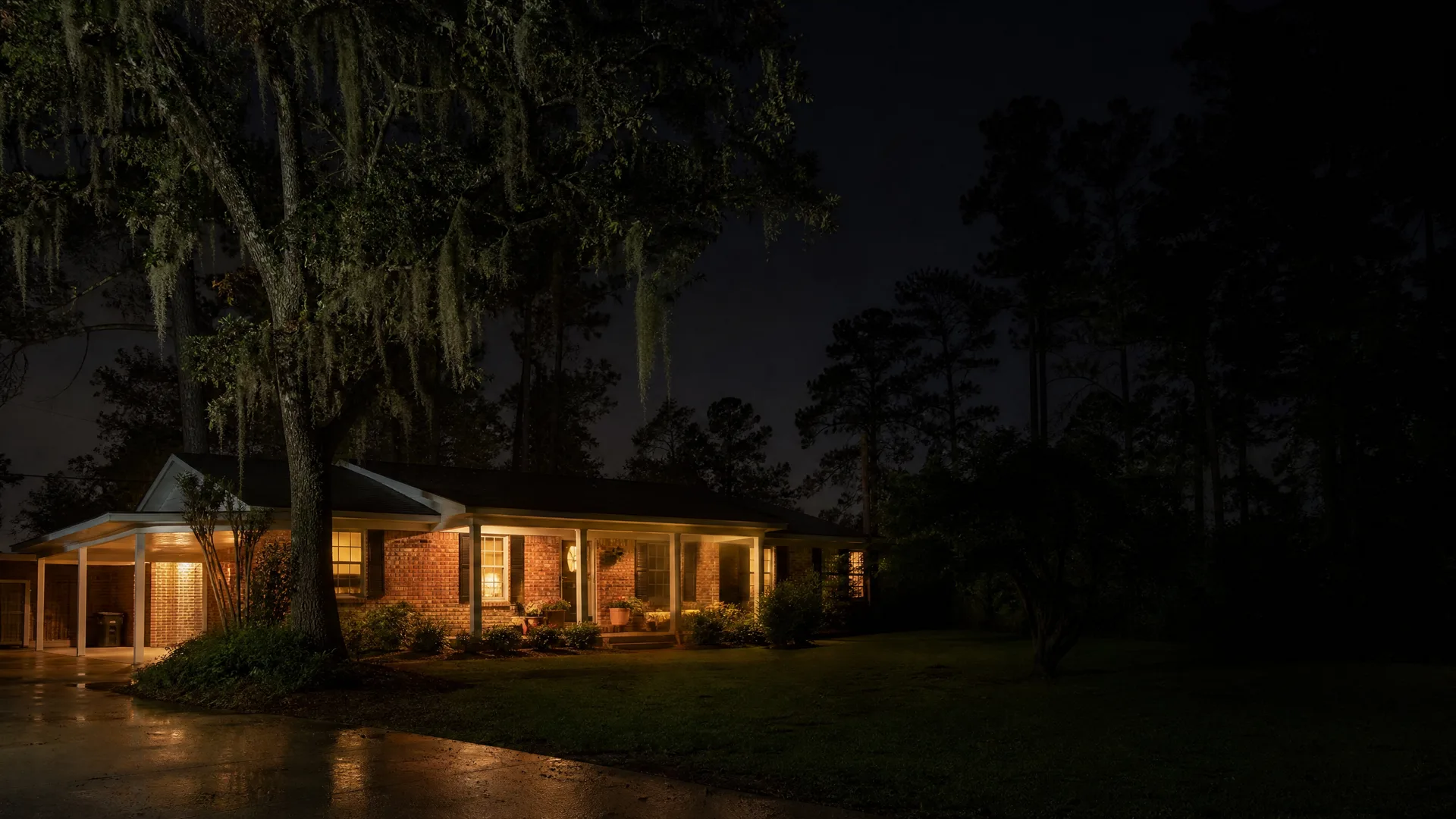
Heat pump frozen over in Kenner, LA
Match me with a proA heat pump covered in ice in Kenner is working against itself, and with winters here as mild as they are, it shouldn't be happening often. Most homes in Jefferson Parish run on electric heat, so when this system can't keep up or shuts down icy, that's not a small thing to live with. It could be the defrost control, a low charge, or airflow blocked at the coil. Figuring out which one takes someone who works on these systems through the mild winters Kenner gets, not just the hard freezes other places plan around. Answer a few questions about your system and your home, and you'll be matched with a licensed local contractor who takes on jobs like this one. Just that one contractor, reaching out to you directly, not a handful of companies competing for your callback. Someone who already knows what tends to fail on a heat pump in this parish and what doesn't.
A frozen heat pump is trying to heat your house while coated in ice on the outdoor unit, and it can't move heat through ice. Some frost in cold, damp weather is normal, and the unit should clear it on its own every few hours by briefly running in cooling mode to melt it off. A heat pump that stays frozen over, with ice building rather than coming and going, has lost that defrost cycle or lost airflow across the outdoor coil. Low refrigerant charge, a failed defrost control board or sensor, a blower that's quit, or a dirty outdoor coil can all cause it. Winters in Kenner rarely get cold enough to explain heavy, lasting ice on their own, so something on the unit is behind it. Left alone, the system either stops heating or runs constantly trying to, and running it in that state can damage the compressor. It needs someone to find which part failed before it's switched back on.
A frozen coil isn't only a winter problem here. All summer, the air sitting around your outdoor unit holds a dew point that averages 75°F, according to NOAA, which is thick, heavy air. That unit is pulling moisture out of your house as it cools it, and when the system is low on refrigerant or airflow across the coil is blocked, that moisture lands on the coil as ice instead of draining away. You'll see it as weak airflow from the vents or a unit that looks fine outside until you spot frost building on the lines.
NASA POWER T2MDEW
Normal Frost or a Frozen Unit
Normal frost
- A thin, even coat of frost on the outdoor unit in cold, damp weather clears on its own within a few hours.
- The unit runs its defrost cycle by switching briefly into cooling mode, and the outdoor fan stops while it does.
- You may see steam coming off the coil during defrost, which is just the ice melting off, not smoke.
- The indoor side keeps putting out warm air through the cycle, or close to it, because the system is only defrosting for a few minutes at a time.
- Once the frost is gone the coil looks wet or dry, not glazed, and the fan starts back up on its own.
Frozen over
- A solid layer of ice covering the coil or wrapping the refrigerant lines does not melt off between cycles on its own.
- Air stops moving through the outdoor unit once ice seals the coil, and the system can't move heat into the house.
- The unit may run constantly, or short-cycle on and off, without the ice ever clearing.
- Low refrigerant, a failed defrost control, or a blocked air filter can all stop the normal defrost cycle from doing its job.
- Running the system while it's iced over can push liquid refrigerant back to the compressor and damage it.
- A unit that's been shut down and left iced over needs that ice cleared before a contractor can find out what actually caused it.

The thermostat calls for defrost and switches the reversing valve
The outdoor fan shuts off so heat isn't pulled away
The system runs briefly in cooling mode to warm the coil
Ice melts off the outdoor coil and drains away
Why does ice keep showing up on a heat pump that's only running four months a year?
Winter nights average 47°F
Nights averaging 47°F sit right where frost forms easy on the coil, so your unit is defrosting often even though it rarely gets truly cold.
Heat runs November through February
Four months of heat means the outdoor unit isn't built or run to shed heavy ice on its own for the other eight.
Cooling runs April through October
Seven months of cooling wear the same coil and fan parts that now have to clear frost all winter, so problems show up fast.
NOAA nClimDiv 1991-2020
If your heat pump stays iced over, it runs on electric strip heat to keep your house warm, and that draws far more power than the heat pump itself.
Power here is cheap, but a system stuck running strip heat for days still shows up on the bill, and the ice sitting on that coil isn't going anywhere by itself.




Get matched with a heat pump pro in Jefferson Parish

The pro who gets in touch is licensed in Louisiana and works in Jefferson Parish.
Asking costs nothing, and the choice to hire stays yours.
Call someone now if
The outdoor unit is solid with ice, not just frosted, and you can see it building rather than clearing over a few hours. The system is running constantly and your house still isn't getting warm. You hear the outdoor fan straining or not turning at all. Water is pooling under or around the unit instead of draining off as the ice melts. Any of these means the defrost cycle isn't doing its job, and running the system longer won't fix it. A contractor who works on heat pumps around Kenner through every mild winter here can usually tell from a few questions whether it's a failed defrost control, a stuck reversing valve, or a fan motor that's quit, and go out with the right part.
Fine to watch for now
A light, even frost that's gone within a few hours on its own, especially after a cold, damp night, is the system doing what it's built to do. You might hear it shift into cooling mode briefly and see steam rise off the coil as the ice lets go. If the unit looks clear by the next time you check it and your house has stayed warm the whole time, there's nothing to act on yet. Keep an eye on how often it happens and whether the ice fully clears each time. If it starts taking longer to clear, or you notice it most mornings instead of once in a while, that's worth having a local contractor look at before it turns into a system stuck in strip heat.


The outdoor unit has a sensor clamped right to the coil's tubing, feeding its temperature to the defrost control board. A second sensor reads the outside air, so the board can tell whether the weather actually calls for defrost or not. Both have to agree, along with a timer running in the background, usually checking in every 30, 60 or 90 minutes, before the board will kick the system into a defrost cycle. That's three things that have to line up: coil temperature, outside conditions, and timing. When one of them is wrong, the whole process breaks down quietly. A coil sensor that's failed will often report the coil as warm even while it's crusted in ice, so the board never calls for defrost at all. The reversing valve can cause a different kind of trouble, sticking partway so the system is stuck between heating and defrost instead of completing the switch. Either way, the ice keeps building because the part that's supposed to catch it isn't doing its job.
How the Defrost Control Decides
- The defrost control board reads the outdoor coil temperature with a sensor clamped directly to the coil's tubing.
- A second sensor, the outdoor air sensor, tells the board whether conditions outside actually call for defrost.
- The board won't start a defrost cycle unless both the coil sensor and a built-in timer agree it's needed.
- Most boards check on a fixed timer, commonly every 30, 60 or 90 minutes, rather than running defrost continuously.
- A failed coil sensor can tell the board the coil is warm when it's actually iced, so defrost never fires.
- The reversing valve itself can stick partway, leaving the system caught between heating and defrost instead of switching fully.


What Actually Causes the Freeze
- A failed defrost thermostat or sensor can leave the board blind to ice building on the coil.
- A stuck reversing valve keeps the system in heating mode so it never flips over to melt the frost off.
- A low refrigerant charge drops the coil temperature further, so frost forms faster than the board expects.
- A blocked outdoor coil or a dead fan motor stops airflow, and the coil ices even when defrost is working right.
- A shorted or corroded sensor wire can send the board a false reading, so it skips defrost cycles it should be running.
- A control board that's failed outright won't start the defrost sequence at all, no matter what the sensors report.
Every part in a heat pump's defrost system has one job, and any one of them failing can leave ice building on the coil instead of melting off. The defrost thermostat and the coil sensor are what tell the control board ice is forming in the first place. If that sensor fails or its wire corrodes, the board never gets the signal, so it keeps running heat mode while frost thickens outside. The reversing valve is what actually flips the system into the brief cooling cycle that melts the ice. A valve that sticks in heating mode means the board can call for defrost all it wants, nothing changes at the coil. Refrigerant charge matters too. A system low on refrigerant runs its coil colder than it should, so frost forms faster than the board's timing expects, and it falls behind. Airflow across the coil has to be right for defrost to clear the ice it melts, so a blocked coil or a fan motor that's stopped turning can leave meltwater refreezing as fast as it drips. And if the control board itself has failed, none of the rest matters, because nothing gets called at all. A contractor working on this equipment checks these in order: sensor readings first, then the valve, then charge and airflow, because that's usually where the fault actually sits rather than in the board itself.
Power here costs 12.18 cents per kilowatt-hour
At 12.18 cents per kilowatt-hour, your heat pump stays one of the cheaper ways to heat a house here. But that rate still runs up fast once ice forces the system onto strip heat, so a stuck defrost cycle costs you more than the same unit running clean.
EIA-861 2025

Ice on the coil means the defrost cycle isn't doing its job
A heat pump that clears its own frost every few hours is working the way it should. One that stays iced over, runs strip heat for days, or can't keep the house warm has a part that's failed somewhere in that cycle, the sensor, the board, the reversing valve, or the charge. That's not something to wait out through the rest of winter.
Finding which part failed means testing the sensors and the valve on the actual unit outside, not guessing from the symptoms. A contractor local to Jefferson Parish who services heat pumps through these mild winters and muggy summers has seen this coil freeze up both seasons and knows where to check first. You'll be matched with one contractor who takes on your situation directly, and that contractor will reach out to you.


Find a heat pump repair pro in Jefferson Parish
A licensed pro who works in Jefferson Parish gets your request.