




An unfinished basement containing a forced-air furnace with metal ductwork, exposed wooden ceiling joists, a hanging Edison bulb, and bare concrete floors.

Furnace Installation in Crowley, LA

Tell us about the job

Takes about a minute. No obligation.

New system or replacementFurnace or heatingAcadia Parish, LA
Step 1 of 2

What ZIP code is the job in?

Most homes in Acadia Parish heat with electricity, at 70.5%. Gas heat is the exception here, at 25.8%, and propane barely registers at 1.6%. If your home already runs on electric heat, putting in another electric furnace keeps things simple, since the wiring and setup are already matched to it. Given how often storms knock out power in this parish, it's worth asking your contractor how the new furnace handles an outage and what it takes to get it running again once power's back.

5 months
November through March, your furnace is on duty
44°F
the average winter night it heats against
80% AFUE
the federal minimum any new unit must meet
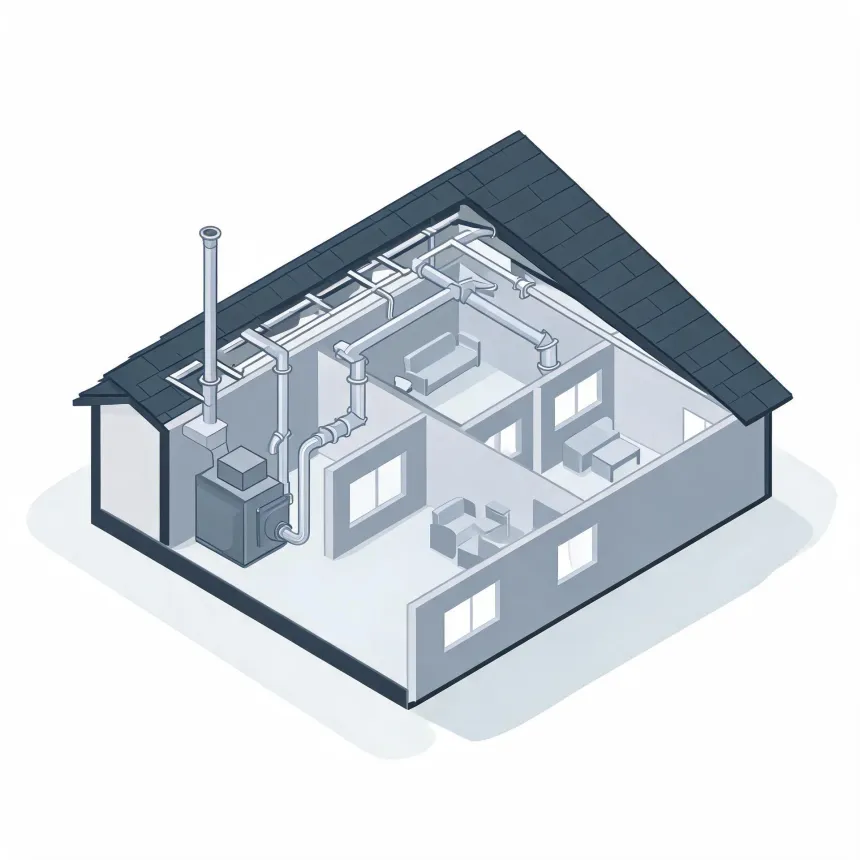
Isometric cutaway illustration of a single-story house showing interior rooms, a furnace unit with flue pipe, and branching ductwork running through the ceiling space under a dark shingled roof.
Your furnace works hardest from December through February.

NOAA nClimDiv, 1991–2020 normals

Electricity in Louisiana cost $34.38 per million Btu in 2024, cheaper than in most states.

A high-efficiency furnace saves less here each winter, so pick yours for how it holds up, not just the efficiency rating.

Five mild months is not a hard season to ask a furnace to cover

Heat runs November through March
Winter nights average 44°F
Climate zone 2A

October is the month to get this done. Heat goes on in November and runs through March, so a furnace installed in October has already been tested before the parish needs it for anything. Wait until the first cold snap and you're calling a contractor the same week everyone else with an old furnace is calling too, which means a longer wait for the appointment and less time to compare quotes. Doing it in October also means any startup issue, a bad connection, a part that needs adjusting, shows up while the weather is still mild enough that a day without heat doesn't matter.

Any furnace installed here has to meet the current efficiency minimum

Acadia Parish falls in climate zone 2A, and any gas furnace installed here has to meet at least 80.0 percent AFUE, the current federal minimum. That floor rises to 95.0 percent for furnaces built a few years from now, so the units on the market today are built to the standard in place now. A federal tax credit is available for qualifying high-efficiency equipment, worth asking your contractor about when you compare models.

Find a contractor
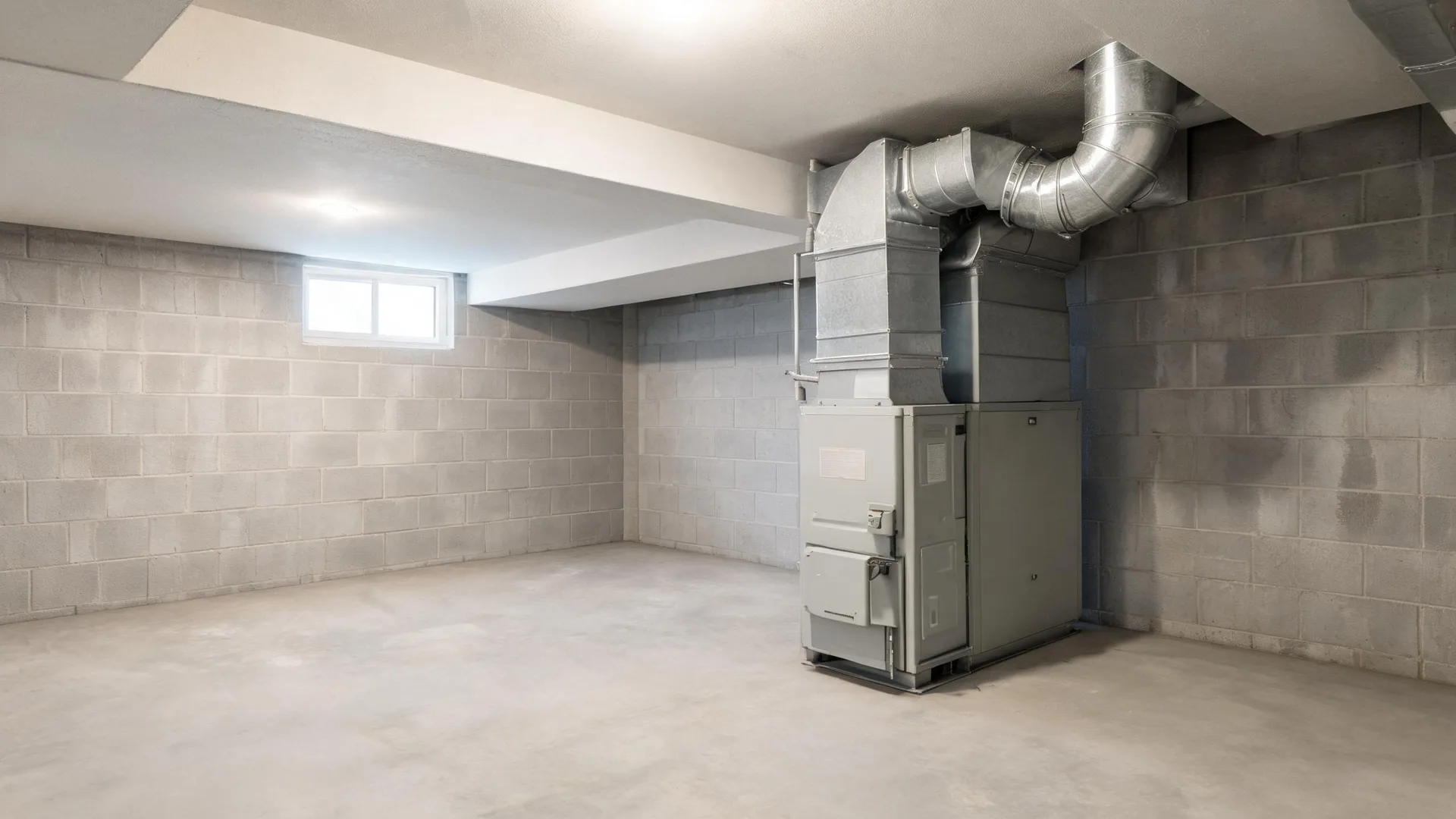
A gray residential gas furnace installed in an unfinished basement, connected to sheet-metal ductwork and PVC pipes.

Nothing here calls for bigger or pricier

Half the homes in this parish were built in 1980 or earlier, half later. A furnace sized and chosen for a typical house here fits either one. Mobile homes make up 17.5% of the housing stock, and that's the one case worth a second look, since a furnace for a mobile home has to be rated for that, not swapped in from a standard install. Outside of that, there's nothing about the homes here that calls for anything other than a standard size at a standard efficiency.

Bigger isn't safer

A furnace too big for the space turns on, blasts heat fast, and shuts off again before it finishes a full cycle. That short cycling wears on the heat exchanger and the blower motor, and it leaves rooms farther from the furnace never quite catching up while the room next to it overheats.
The math behind the recommendation

Sizing comes from a load calculation, not a guess based on the old furnace or square footage alone. A contractor works out how fast the house loses heat by looking at the walls, the windows, the attic insulation, and how the rooms are laid out, then matches the furnace output to that number instead of rounding up for safety.

What drives the cost of a furnace install is mostly what has to change to put the new one in. A straight swap, same fuel type, same spot, same ductwork, is the cheapest version of this job. Once you start changing things it adds up fast. Moving the furnace to a new location means new ductwork and new venting. Switching fuel types means running a gas line that was not there before, or pulling new electrical circuits. The ductwork itself matters too. If the existing ducts are undersized or leaky, a contractor may need to modify or seal them for the new furnace to work the way it is rated to. Venting is its own cost, since a higher efficiency furnace vents differently than an older one and may need a new type of pipe run through the house. None of this is optional or padded in. It is what makes the furnace actually work once it is in the house.

The old furnace comes out before the new one goes in. A contractor disconnects the gas or power, pulls the unit, and checks what's behind it before setting the new furnace in place. The furnace gets set, the ductwork gets connected, the venting gets run, then the gas or electrical gets hooked up and the thermostat gets wired. Once it's all connected, the contractor fires it up and checks the airflow, the gas pressure if it's a gas furnace, and the temperature rise across the heat exchanger. Those numbers confirm it's running the way it's rated to run. Before leaving, the contractor walks through the thermostat, shows where the filter goes, and points out what the furnace sounds like when it's working right, so anything different later stands out.