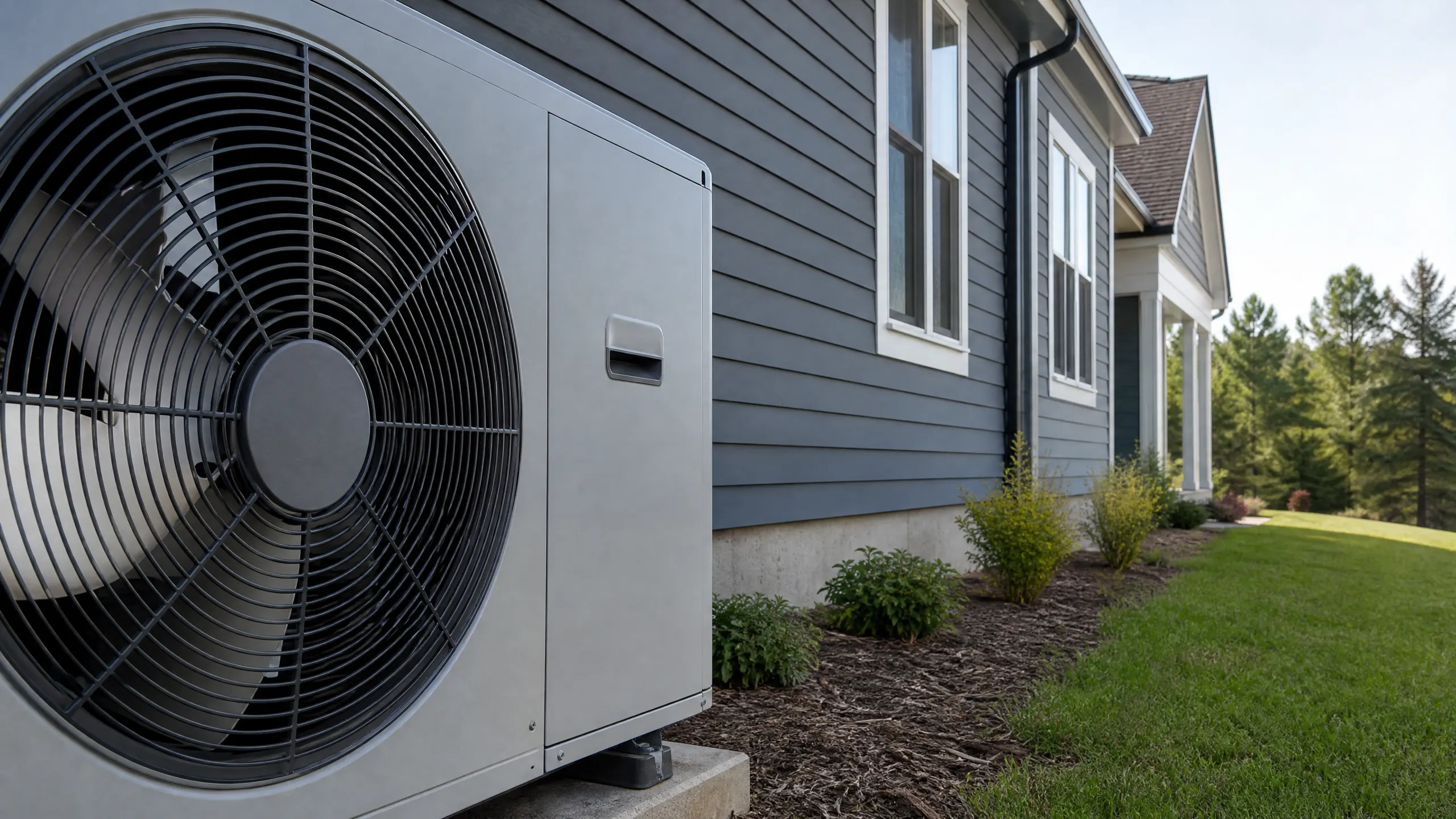






A heat pump outdoor unit mounted on a concrete pad next to the gray-sided exterior wall of a residential house.

Heat Pump Installation in Bastrop, LA

Tell us about the job

Takes about a minute. No obligation.

New system or replacementHeat PumpMorehouse Parish, LA
Step 1 of 2

What ZIP code is the job in?

A heat pump sized by square footage alone is a guess, and it usually guesses wrong. The right way is a load calculation, which looks at how much heat the house gains in summer and loses in winter, room by room, based on insulation, window area, ceiling height, and how the place is oriented. Too big and the unit short cycles, blasting the house to temperature and shutting off before it pulls enough moisture out of the air, so rooms feel cold and clammy even when the thermostat says they're not. Too small and it runs flat out on the hardest days and still can't keep up, leaning hard on backup heat strips that weren't meant to carry the load alone. Either mistake wears the system harder too, since a unit cycling too often or running nonstop both put more stress on the compressor than steady, moderate runs do. A contractor worth hiring will do the calculation rather than size off the unit being replaced, since the old one may have been wrong from the start.

5 months
November through March, your system heats
5 months
May through September, it cools
37°F
the average winter night it heats against
92°F
the average summer afternoon it cools against
Isometric illustration of a cutaway single-family house showing interior ductwork and an air handler, with an outdoor condenser unit connected by lines along the exterior wall.
Your system heats November through March and cools May through September.

NOAA nClimDiv, 1991–2020 normals

Heat here runs November through March.

Get the heat pump in before October closes out and the first cold night hits a system nobody's tested yet.

Most homes here already run on electric heat

59% of homes heat with electricity
Power costs 11.73 cents a kWh statewide
Climate zone 3A
Electricity here runs 11.73 cents a kilowatt-hourBelow the national average, so a heat pump's efficiency matters less here than having one that keeps running when the power doesn't.

Half the homes in Morehouse Parish were built in 1977 or earlier, half since. That spread doesn't call for anything special in a heat pump. A properly sized unit, matched to the load calculation and installed to the usual code requirements, handles an older house the same as a newer one. Mobile homes make up 18.2% of the housing here, and those do need a unit and ductwork rated for that kind of install, so say so upfront if that's your home. Outside of that, there's no reason to size up or chase a higher efficiency tier than the house actually calls for.

Any system going in has to meet the regional minimum, and a federal credit can offset it

Any heat pump installed here now has to clear 14.3 SEER2 for cooling and 7.5 HSPF2 for heating, the federal minimum since January 2023. That narrows the field before you even start comparing units. A federal tax credit is available to offset the cost of a qualifying system.

Find a contractor
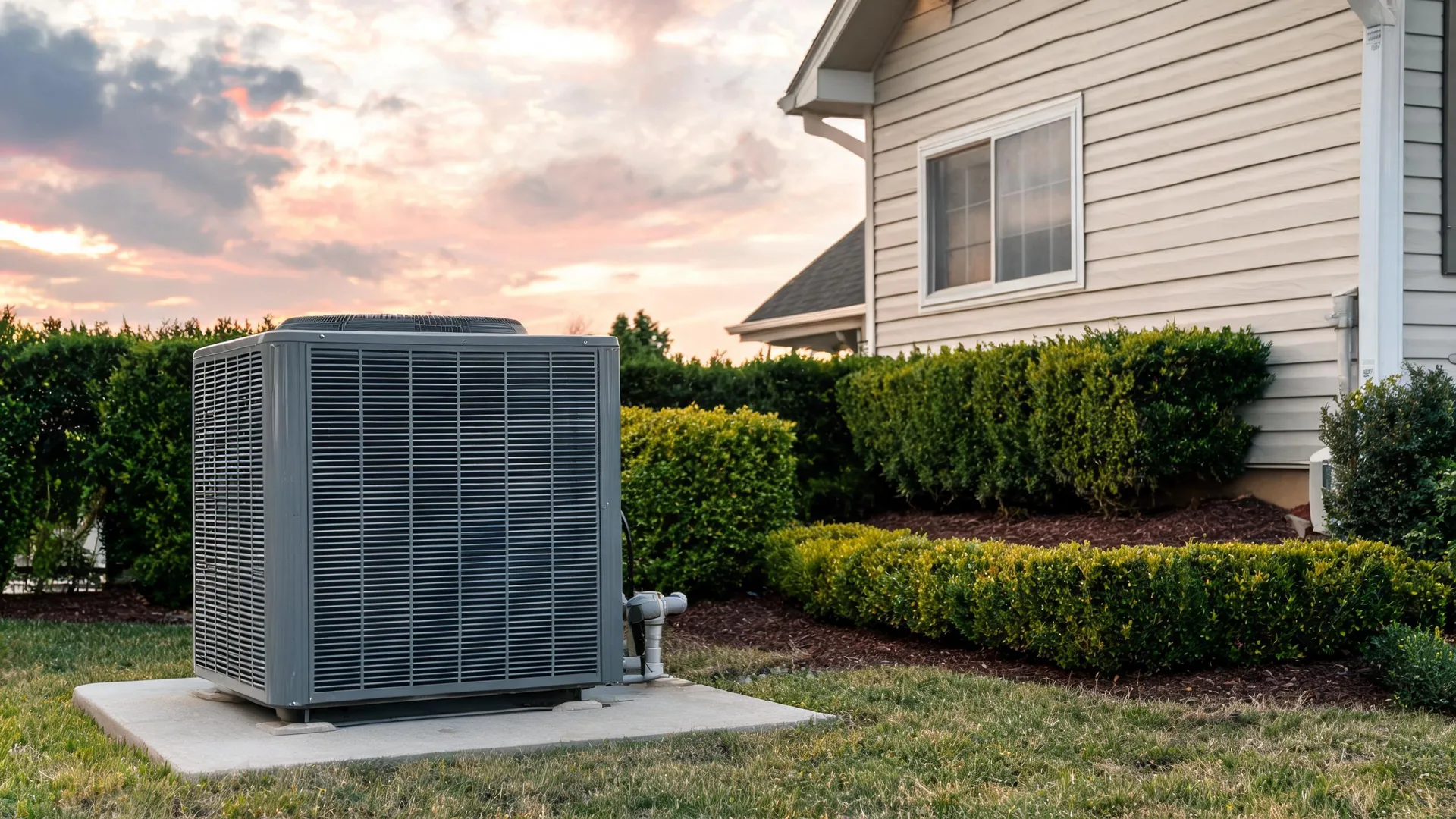
A gray heat pump condenser unit mounted on a concrete pad against the gray lap-siding exterior wall of a house.

Taking out the old one is part of the job

The old system doesn't just get unplugged. Whoever installs the new heat pump has to deal with what's already there, the condenser pad outside, the line set running through the wall, the ductwork sized for whatever used to run. Some of that gets reused. Line sets often get replaced rather than flushed and reconnected, since contamination left behind can damage a new compressor fast. If the old system used a different refrigerant, the line set has to go, no question. Ductwork gets looked at too. A heat pump moves a different volume of air than older equipment did, and ducts sized for that older unit may need adjusting to move air right through the new one. The old outdoor unit and any refrigerant left in it get removed and disposed of properly, since refrigerant can't just be vented into the air. None of this is optional work tacked onto the job. Skip it and the new system inherits the old one's problems.

Ask what the backup heat is made of

Below a certain outdoor temperature a heat pump can't pull enough heat from the outside air, and something else has to carry the load. That's usually electric resistance strips, or in some setups a furnace paired with the heat pump in a dual fuel system. Ask which one is going in, because the strips cost more to run every time they kick on, and a dual fuel setup needs the furnace itself looked at and sized right too, not just the outdoor unit.
Ask who is responsible if the ductwork doesn't work with it

A heat pump installer can quote the outdoor and indoor units without ever opening a duct register, and some do. Ask straight out whether they're including a duct inspection as part of the job, and if they find a problem, whether fixing it falls under the same quote or shows up as a surprise later. A system sized right but choked by ducts that can't move enough air will never heat or cool the way it's supposed to.

That 11.73 cent rate already came up for why the compressor rating matters less here than the backup heat does. It also changes what's worth asking a contractor about the install itself. Don't pay extra to chase a top efficiency tier the house doesn't need. Put that money into the load calculation being done right and the ductwork being checked instead of skipped. A correctly sized, well installed system at the regional minimum will cost less to run here than a higher tier unit choked by bad ducts or backed by strip heat that was never sized right.

Install day starts with the outdoor unit and indoor coil going in, then the electrical and refrigerant line connections, then the startup check. Once both units are set and connected, the line set gets pressure tested for leaks before any refrigerant goes in, since a leak found after charging means recovering it and starting over. The system gets charged to the exact weight the manufacturer calls for, not just run until it feels cold, because a heat pump that's over or under charged loses efficiency and wears the compressor faster. Airflow gets checked at the registers once the blower's running, confirming the ducts are actually moving what the new unit is pushing out. Last comes the thermostat, set up and tested through a full heating and cooling cycle so it's talking to the system correctly before anyone leaves. None of these steps are optional add-ons. Skip the pressure test or the charge verification and the problems show up months later, not on install day.