Single-story brick and siding houses with covered porches behind a trimmed hedge and lawn, framed by large oak branches draped with hanging moss under an overcast sky.

Heat Pump Installation in New Orleans, LA

Tell us about the job

Takes about a minute. No obligation.

New system or replacementHeat PumpOrleans Parish, LA
Step 1 of 2

What ZIP code is the job in?

The size has to match the house

A heat pump that's too big cools the air fast and shuts off before it pulls the moisture out, so rooms feel clammy. One that's too small runs constantly and never quite catches up. Getting the size right takes a room by room look at the house, not just a guess based on square footage.


What's already there changes the job

If the ductwork fits and the electrical panel has room for the new unit, installation is straightforward. If the ducts are undersized, leaky, or routed wrong, or the panel needs upgrading to handle the new load, that work has to happen first. None of it shows up until someone opens the walls or gets up in the attic.

5 months
November through March, your system heats
7 months
April through October, it cools
46°F
the average winter night it heats against
90°F
the average summer afternoon it cools against
Isometric cutaway illustration of a single-story house showing interior rooms with furniture, an attic duct network connected to a furnace or air handler, and an outdoor condenser unit linked by lines outside the wall.
Your system heats November through March and cools April through October.

NOAA nClimDiv, 1991–2020 normals

Electricity already heats 61.4% of homes in Orleans Parish.

A heat pump fits that setup since it runs on the same power the house already has.

Put a November deadline on a March decision

Cooling runs April through October
Heat runs November through March
Climate zone 2A

Louisiana electricity ran 11.73 cents per kilowatthour in 2024, cheaper than most of the country. That changes the math on which heat pump makes sense here. A higher-efficiency model costs more up front, and with power this cheap, it takes longer to earn that difference back in lower bills. That doesn't make efficiency worthless, but it means the bigger question is whether the unit is sized right and installed right. A correctly sized heat pump running on a well-sealed duct system will cost less to run than a top-tier model fighting leaky ducts or a bad fit, no matter what the rating sticker says.

Replace it before the season

Replace it before the season starts, so it happens on your schedule, not in a hurry.

Find a contractor
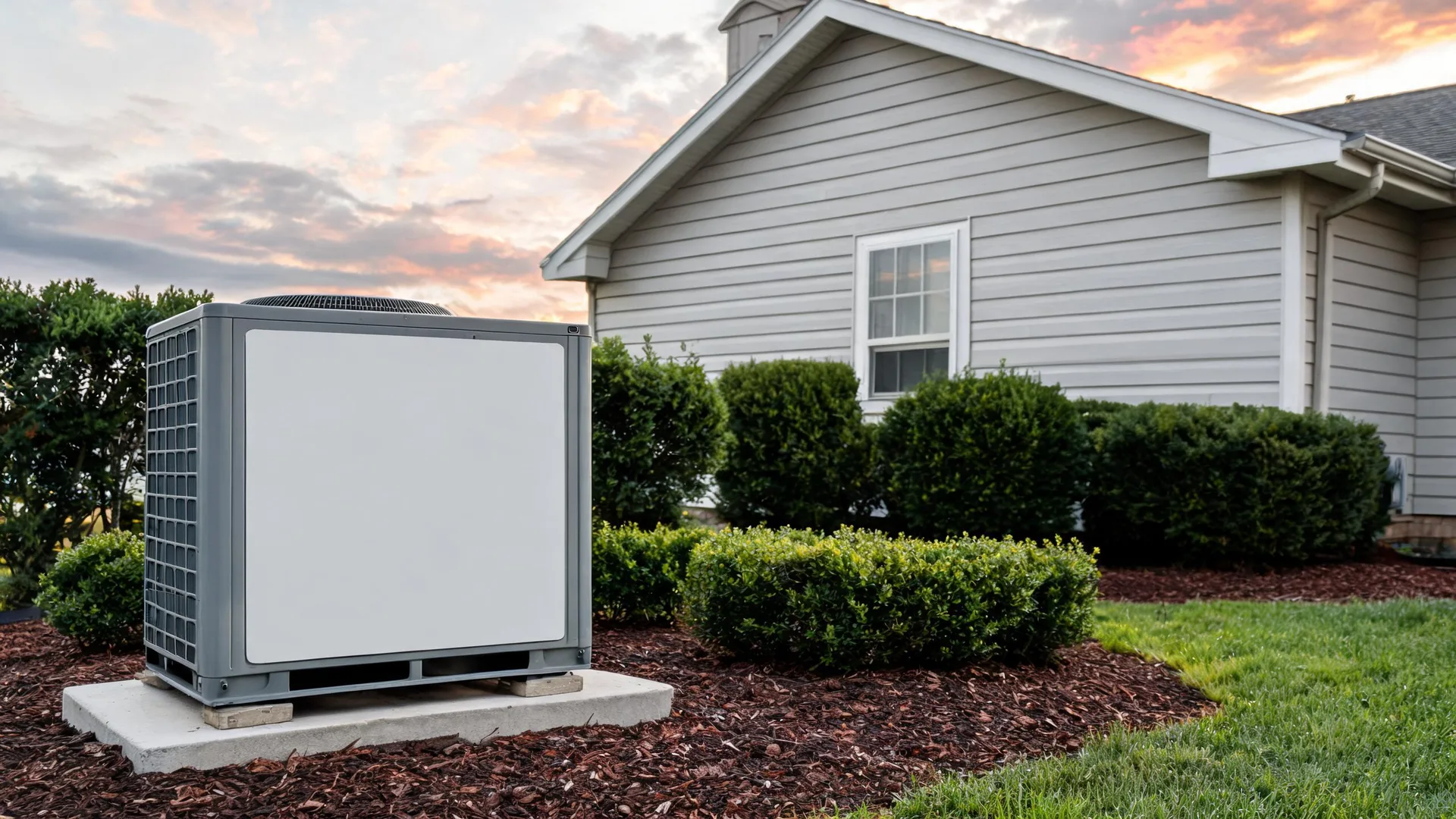
A gray outdoor HVAC unit mounted on a concrete pad beside a house with gray lap siding and a stone foundation.

Half these homes were built in 1960 or earlier

Half the homes in Orleans Parish were built in 1960 or earlier. A heat pump going into a house that old is going into a house that was never built with one in mind. The unit itself will last like any other, but what it connects to matters more as the house ages. Ductwork put in decades ago may not be sized for a heat pump's longer, steadier runtime, and a panel that's never been touched since may not have room for the new load. Replacing the system is also the chance to find out, before the install, whether the rest of the house is ready for it.

The rating comes from a lab, not your house

The efficiency number on the label is measured by running the unit through a set range of conditions in a test, mild days and hard ones averaged together. It tells you how that model performs under those set conditions. It doesn't account for your ductwork, your insulation, or how the installer sets the refrigerant charge, and those change what the unit actually does once it's running.

A high rating can't fix a bad install

A heat pump only performs to its rating if it's sized right for the space and connected to ducts that move air the way they're supposed to. A top-rated unit on leaky ducts or charged wrong will run worse than a mid-rated one installed correctly. When comparing units, ask as many questions about the installation plan as about the number on the sticker.

Sizing a heat pump is a heat loss and heat gain calculation, not a chart lookup. It weighs the square footage against the windows, how many walls face outside, the ceiling height, and where the sun hits the house through the day. A contractor doing this right measures the rooms and runs the numbers, rather than matching the new unit to whatever size was in there before. The old unit might have been wrong from the day it went in, or it might have been sized for a house that's since gotten new windows or added insulation. Either way, the only number worth trusting is the one worked out fresh for the house as it stands now.

Install day starts with the old unit coming out, not the new one going in. The crew disconnects the refrigerant lines, pulls the indoor and outdoor units, and checks what the old line set and electrical whip can actually handle before anything new gets set in place. Line sets usually get reused if they're in good shape and sized right for the new unit. A contractor who finds corrosion or the wrong diameter will replace them rather than connect a new heat pump to old copper that won't hold up. The outdoor unit gets set on a pad, leveled, and connected, then the indoor coil and air handler get tied in. Once everything's connected, the system gets charged with refrigerant to the exact amount the manufacturer specifies, not just topped off until it runs. The last part takes the most time. Airflow gets checked at the vents, the thermostat gets programmed, and the whole system runs through a full cycle before the crew leaves. A heat pump that looks installed and one that's actually set up right can look the same until someone turns it on.