
Heat pump vs furnace in Orleans Parish, Louisiana

Find a Pro Near You

Quotes on either system

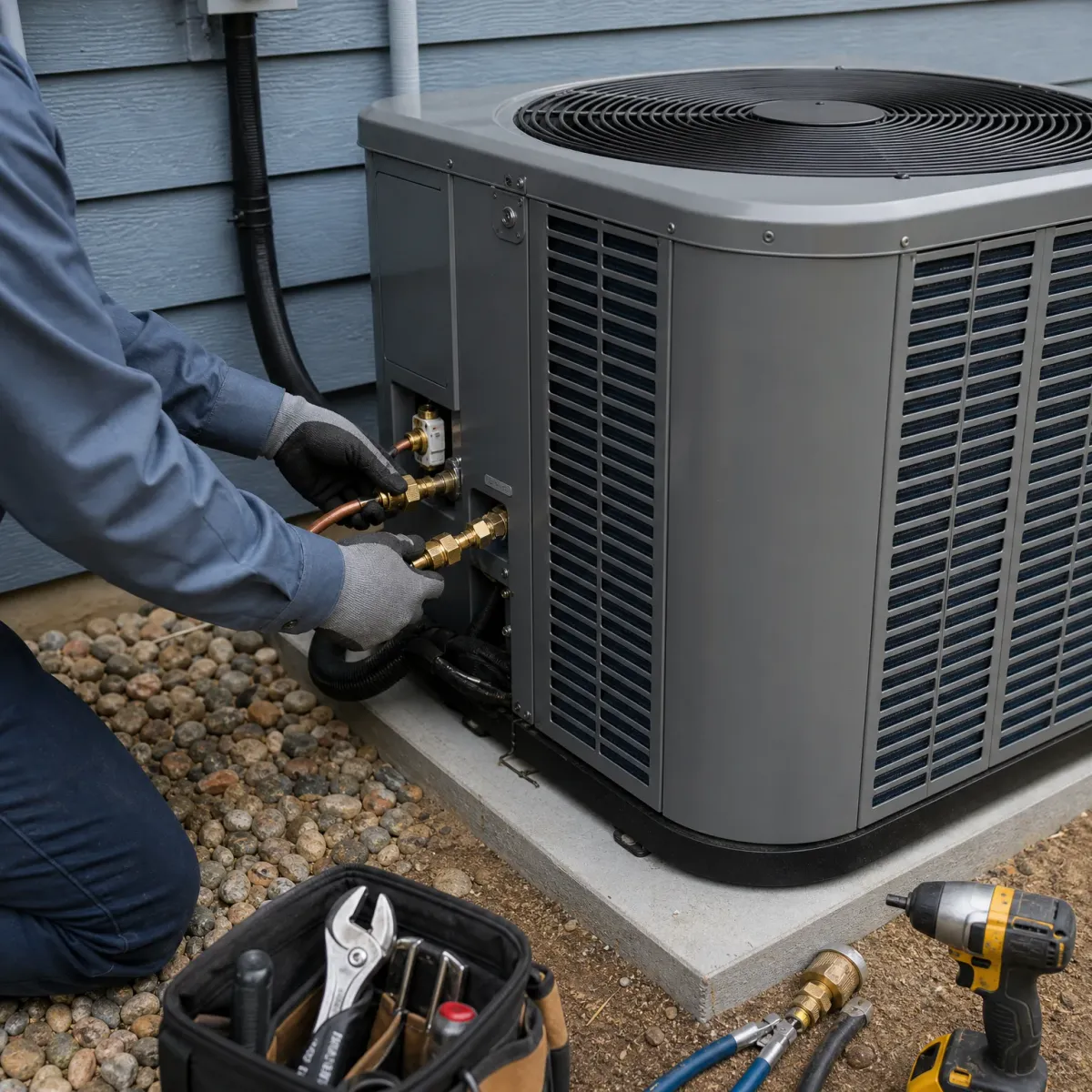
A kneeling person in a blue shirt and gray work gloves connects copper refrigerant lines with brass fittings to an outdoor air conditioning condenser unit on a concrete pad, with a tool bag holding pliers and a cordless impact driver in the foreground.

Tell us about the job

Takes about a minute. No obligation.

New system or replacementOrleans Parish, LA
Step 1 of 3

What kind of equipment?

Which costs less to run in Orleans Parish?

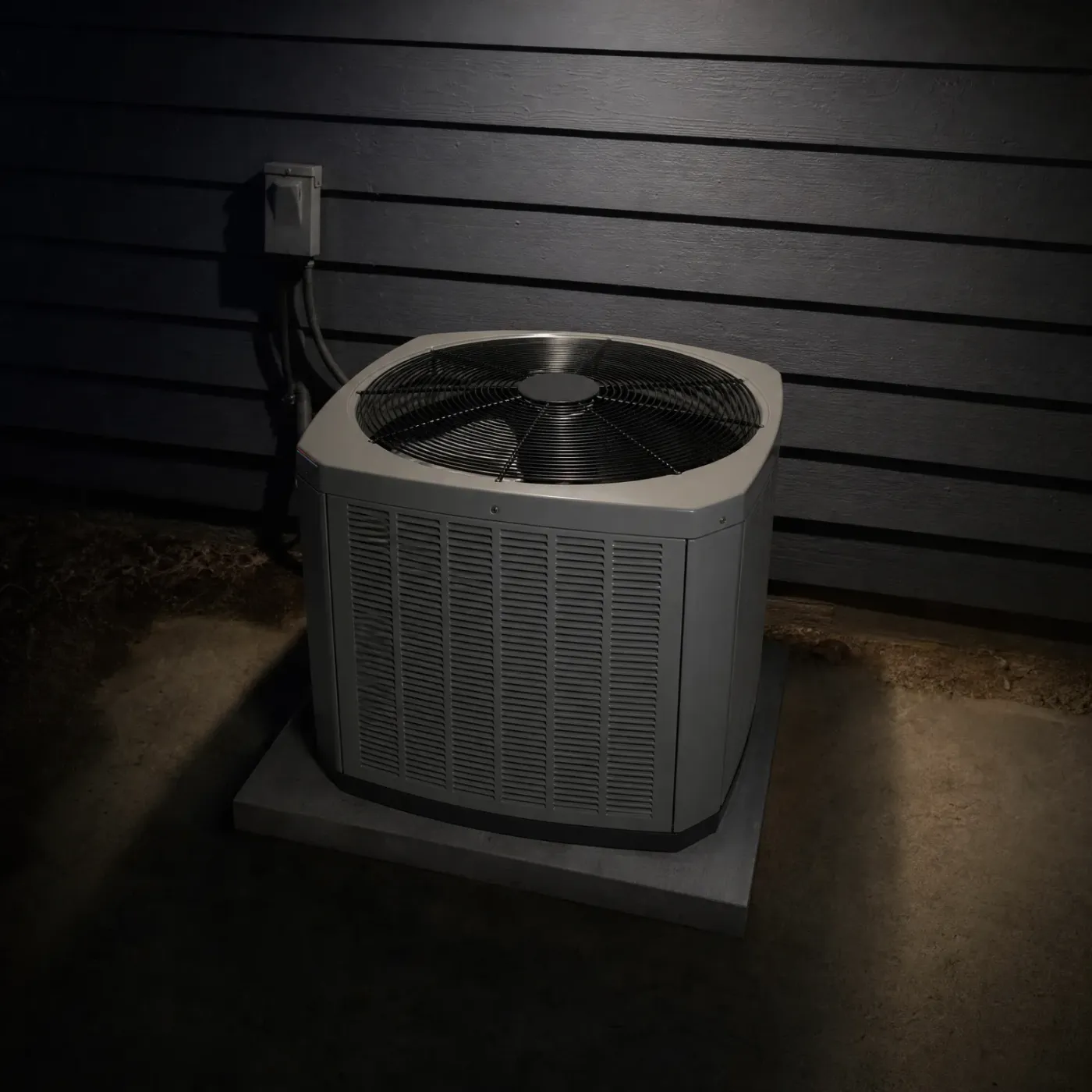
A gray outdoor condenser unit with a top-mounted fan grille sits on a concrete pad beside a dark horizontal lap-sided wall, with a small electrical disconnect box and conduit on the wall behind it.

Heat pump

To heat your home here$1.56per 100,000 Btu

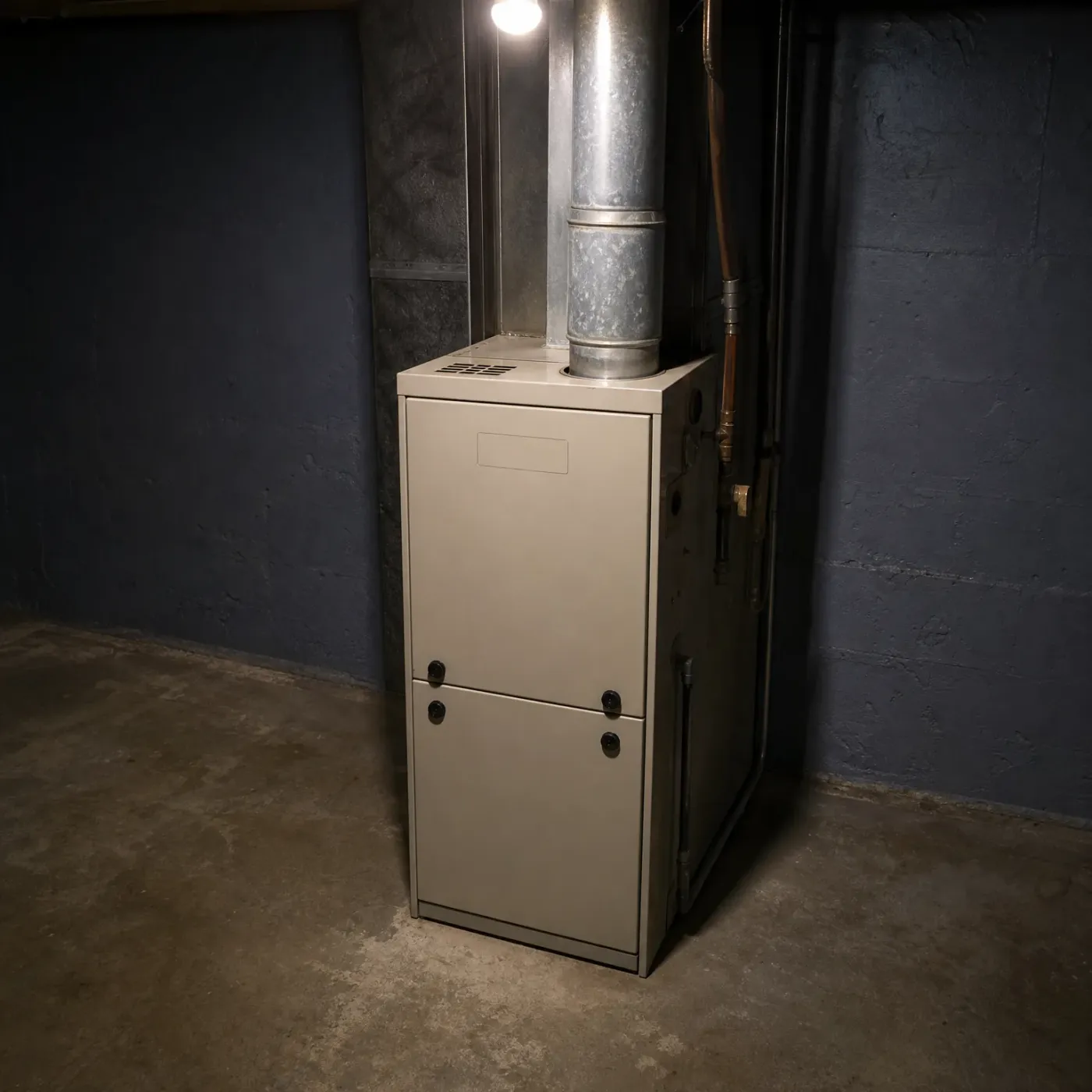
A beige gas furnace with a galvanized metal flue pipe and copper piping stands against a dark painted concrete block wall in a basement with a bare concrete floor.

Furnace

To heat your home here$2.00per 100,000 Btu

At Louisiana's gas and electricity prices, a heat pump makes the same heat as a gas furnace for about 22% less.

Btu stands for British thermal unit, the standard measure of heat energy.

Where does a heat pump shine?

  • Made for mild winters

    Nights here average 46°F in December, January and February. A heat pump handles that without strain, so it can heat your home through the winter on its own.

    A gray board-and-batten house porch with a light blue front door, black rocking chair with pillow and throw, potted plants, a pair of boots and a doormat, painted steps leading to frosty grass, and a person in a dark coat walking in the background.
  • Covers a long cooling season

    Cooling runs April through October here, seven months of the year. A heat pump handles that whole stretch and still covers you when winter turns cold.

    A glass of iced tea on a coaster atop a round table on a covered porch with cushioned chairs, a ceiling fan, white railings, hanging and potted ferns, and blurred trees and water in the background at sunset.
  • Steady, even comfort

    It eases up and down with the weather. There are fewer swings between too warm and too cool.

    A living room at night with a lit stone fireplace, a light-colored dog lying on a rug, a blue armchair with a throw blanket and open book, a gray sofa, a lit table lamp by a window, and a wooden coffee table with a mug.

Where does a furnace shine?

  • Pairs with any central AC

    A furnace's blower and ducts carry cooled air too. Adding central AC uses the same system.

    A person's hand holding a gray mug rests on the arm of a beige sofa draped with a dark knit blanket, beside a window with a billowing sheer curtain, with a gray paneled door and sunlit wood floor at left.
  • Proven, simple, easy to get serviced

    The design is simple and well understood. That keeps service calls short.

    A gloved hand holds a white pleated air filter in a basement area, with a furnace and ductwork on the left and a shelving unit holding a mug, woven basket, folded blankets, and a storage bin on the right.
  • Fast, strong heat on demand

    A furnace pushes out hot air within minutes of switching on. A cold house warms up fast.

    An entryway with a dark glazed door showing snow outside, a sheer curtain, coats on hooks, a dark bench with a fringed blanket and mug, a wicker basket, and a pair of snow-covered brown winter boots on a rug over tile.

Winters here don't ask much of a heat pump

Winters in New Orleans don't push a heat pump hard. Overnight lows average 46°F through December, January and February, and the heat only runs about five months, November through March. A heat pump built to the federal minimum handles that range without strain.

The real worry with any heat pump is what happens below freezing, when a lot of them lean on backup heat strips that run up the bill. Here that almost never comes up. Nights at or below 32°F happen about 5 times a year, out of roughly 150 nights in the heating season. That's a handful of cold snaps, not a cold season.

That's also why the heat pump comes out cheaper to run. It's rated at $1.56 per 100,000 Btu against $2.00 for a gas furnace, and that heat pump number already assumes federal minimum efficiency with nothing extra credited for mild weather. In a place where the hard cold barely shows up, there's little reason to expect it to lean on backup heat and lose that edge.
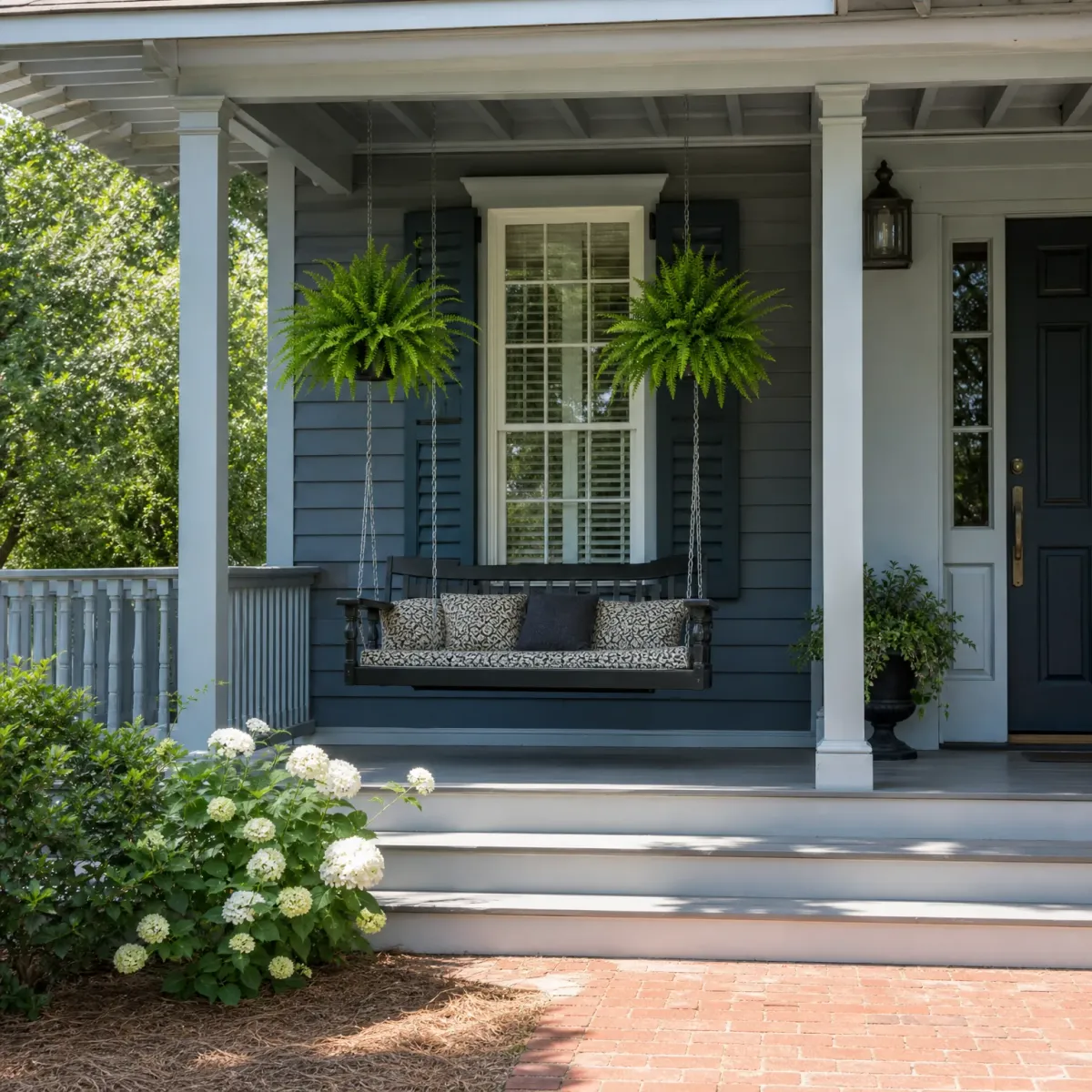
Front porch of a blue-gray clapboard house with white columns, a hanging wooden porch swing with patterned cushions, two hanging ferns, a dark front door with sidelight, and white hydrangeas beside brick-paved steps.

The summer is the bigger job

Cooling runs about seven months a year here, April through October, against five for heat. The afternoon high hits 90°F or above on about 90 days a year, and averages 90°F across June, July and August. Whatever you install is going to spend more of its life cooling this house than heating it.

A furnace only heats. It does nothing the other seven months, and the air conditioning is a separate system you buy, install and maintain alongside it. A heat pump is both machines in one. The same unit that heats your house in January cools it in July, which matters in a parish where July is doing more work than January.

Gas and electric both have a real foothold here. Gas heats 36.9% of homes in the parish and electricity 61.4%, so neither choice is the odd one out. If your house already has gas line and ductwork sized for a furnace, that pairs easily with any central AC and is a known quantity to install and service. If you're choosing with a clean slate, the parish's own winters and summers both point the same direction, toward a heat pump.

Sources: NOAA nClimDiv · NOAA 1991–2020 seasonal normals · EIA SEDS 2024 · 10 CFR 430.32 · Census ACS 2020–2024

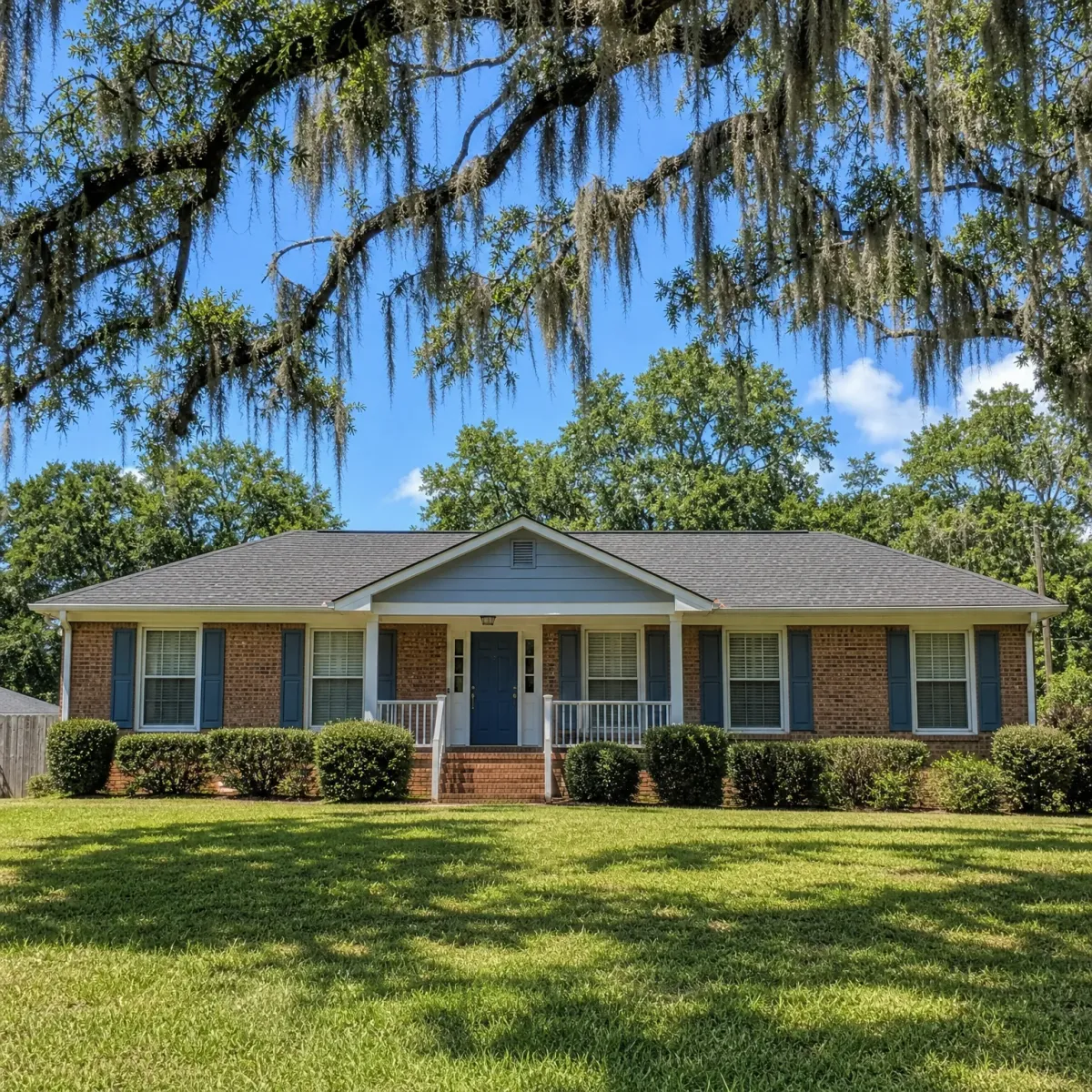
Single-story brick ranch house with blue shutters, a blue front door, and a small covered porch, set behind a mowed lawn with large moss-draped oak branches overhead.

Common questions about heat pumps and furnaces

  • Will a heat pump keep my house cool enough here?

    Yes. A heat pump is a central air conditioner in the summer, running the same cycle in reverse, and it handles Orleans Parish summers the same way any central AC would. The afternoon high hits 90°F or above about 90 days a year here, and cooling is the longer of the two seasons at seven months. Size and installation matter more to summer comfort than whether the system is a heat pump or a separate AC.

  • Can I keep my furnace and add a heat pump?

    Yes, that pairing is common and it's called a dual-fuel system. The heat pump carries the heat down to some outdoor temperature, then the furnace takes over below that point. Nights here fall to 32°F or below only about 5 times a year, so the furnace would be covering a small slice of the five-month heating season while the heat pump does the rest.

  • What if my house doesn't have a gas line?

    A heat pump is worth a close look, since it does the job of a furnace and a central air conditioner in one system without needing gas piped in. Electricity already heats 61.4% of homes in Orleans Parish, more than gas does. The alternative without a gas line is electric resistance heat or a furnace burning propane or oil, both of which cost more to run than a heat pump at Louisiana's fuel prices.

  • Is a heat pump cheaper to run than a furnace in Orleans Parish?

    Yes. At Louisiana's average fuel prices, a heat pump makes the same heat for about $1.56 per 100,000 Btu against $2.00 for a gas furnace, roughly 22% less. That's comparing both machines built to the federal minimum efficiency, with nothing added for backup heat on the few nights a heat pump works hardest. Orleans Parish winters are mild enough that those colder nights are rare, about 5 a year.