A tall red brick wall with a row of shrubs runs along the left side of a mown lawn, with a single-story light-colored house and tall pine trees in the background under an overcast sky.

Furnace Installation in New Orleans, LA

Tell us about the job

Takes about a minute. No obligation.

New system or replacementFurnace or heatingOrleans Parish, LA
Step 1 of 2

What ZIP code is the job in?

80 percent AFUE is the floor

A gas furnace installed here now has to reach at least 80.0 percent AFUE, the minimum for units built since November 2015. New Orleans sits in zone 2A, a hot, humid climate where cooling carries most of the year's load, so the furnace is working less of the year than the AC does.

That floor is changing

Furnaces built from December 2028 onward will have to reach 95.0 percent AFUE. A unit installed now only has to clear the current minimum, but it is worth asking the contractor what efficiency the furnace on the table actually reaches before deciding it is good enough.

5 months
November through March, your furnace is on duty
46°F
the average winter night it heats against
80% AFUE
the federal minimum any new unit must meet
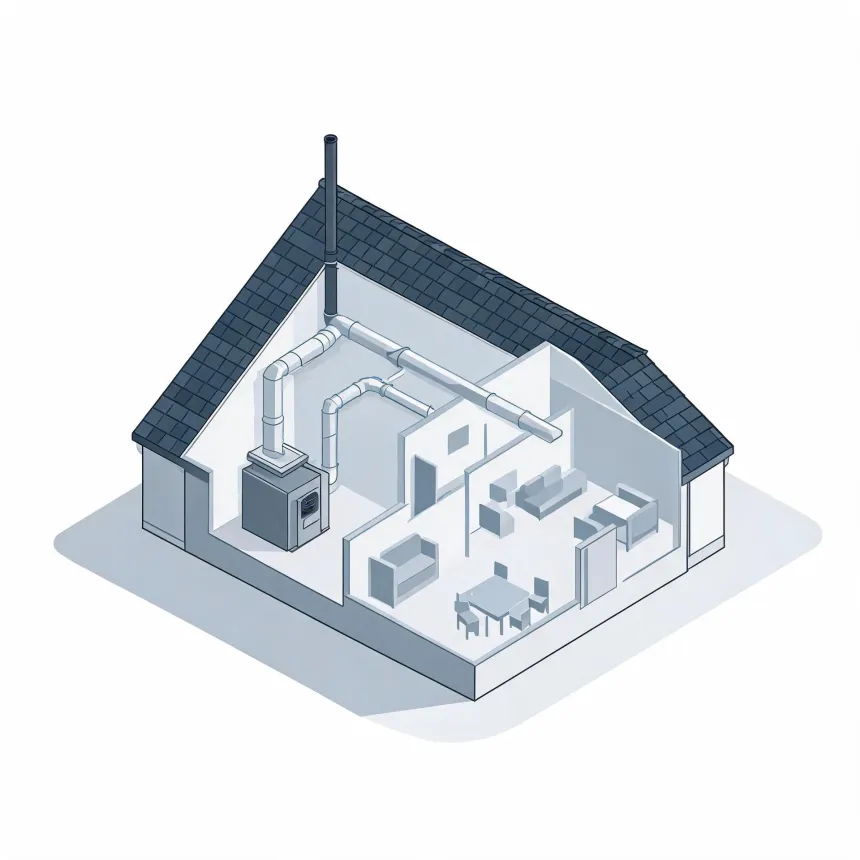
Isometric cutaway illustration of a house with a shingled gable roof, showing a gray furnace unit connected to overhead ductwork and a chimney flue, with simplified furniture in the rooms below.
Your furnace works hardest from December through February.

NOAA nClimDiv, 1991–2020 normals

Half the homes in Orleans Parish were built in 1960 or earlier.

An older home's ducts and venting were sized for the furnace that came before, so the new one has to match what is already there.

Electricity runs cheap here, so a high-efficiency furnace takes longer to earn back its cost

Heat runs November through March
Winter nights average 46°F
Climate zone 2A

Furnace season here runs November through March, about five months. October is the month before it starts, and that makes it the easiest time to put in a new furnace. Nobody is relying on the old one yet, so a bad part or a loose connection gets caught on the installer's schedule instead of on a cold morning. Wait until the house actually needs heat and you are choosing from whatever is on the truck, installed in a rush. Done in October, the furnace gets run and checked before it has to carry the house through winter.

Match the fuel your home already has

Most homes in Orleans Parish heat with electricity, and gas reaches just over a third. If your house already runs on one of these, matching it keeps the installation simple and avoids changes to the gas line or the electrical panel. Worth confirming which one your home is set up for before the contractor quotes the job.

Find a contractor
A man seen from behind in a dark shirt and tan work pants carries a canvas tool bag up stone steps toward a gray panelled front door of a shingled house, with a potted shrub beside the entry.
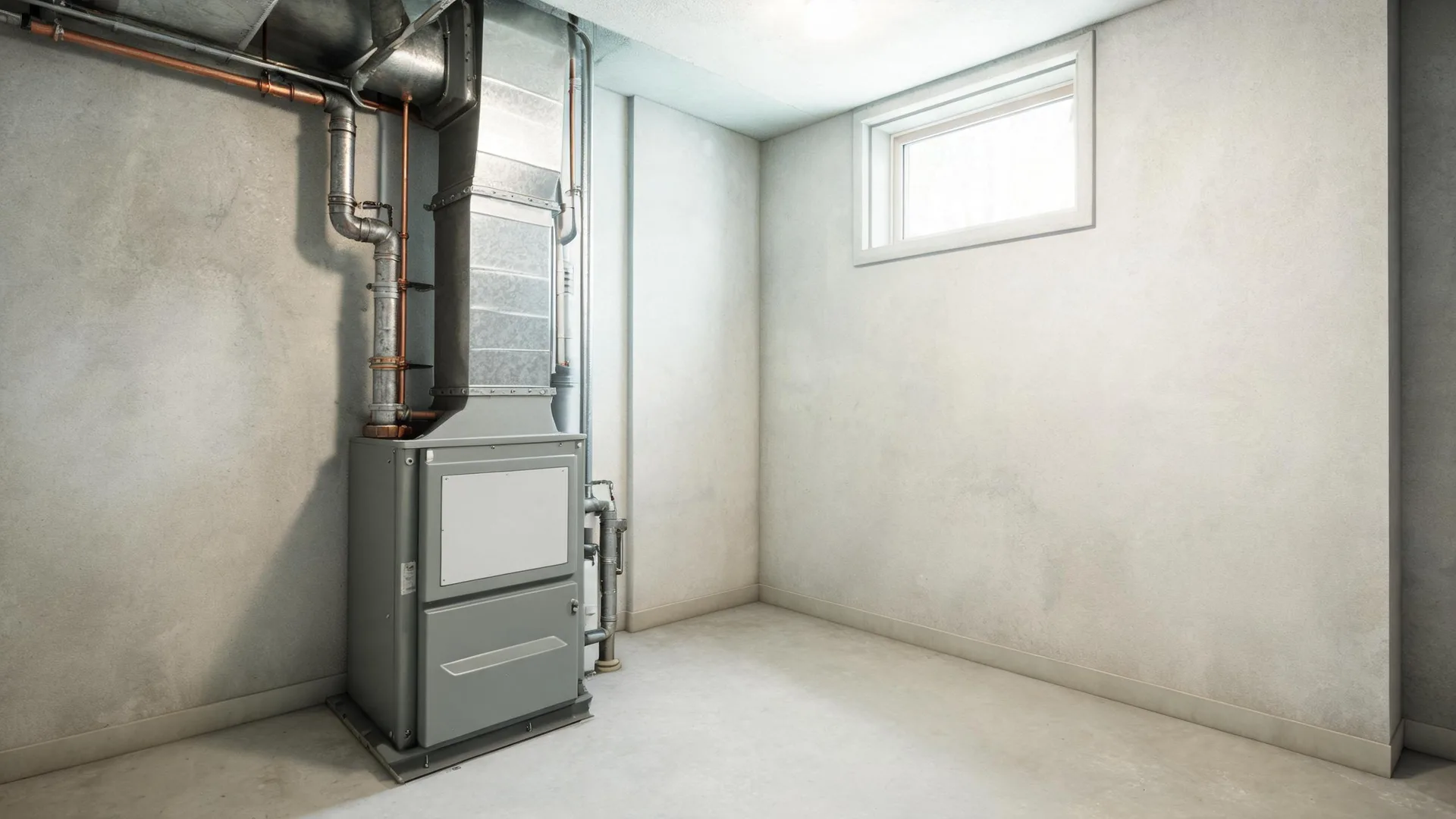
A gray gas furnace with attached ductwork and piping installed in an unfinished concrete basement.

Five months of work a year

Five months of heat a year is a light load, and 46°F is a mild overnight low to design around. A furnace sized for New Orleans winters isn't working to keep up with much. That argues for picking a unit that's reliable and correctly matched to the house over chasing the highest efficiency number on the sheet. When a furnace runs this few months a year, age and upkeep account for more of what goes wrong with it than the work it's actually asked to do.

AFUE only counts the fuel it burns

The rating on the label tells you how much of the gas a furnace burns actually turns into heat in the house, and how much goes out the flue. It says nothing about duct leaks, a blower that's too small for the house, or a return that's choked off. A high-efficiency furnace hooked to bad ductwork can still heat a house poorly.

It changes what's hooked to the furnace

A furnace built to reach a higher AFUE condenses the exhaust, and that means a drain for the condensate plus venting sized for a cooler exhaust. It can't just vent the way the furnace before it did. That venting and drain work is part of putting in a higher-efficiency unit, not an extra add-on.

The furnace itself is only part of what gets priced. The size has to match the house, and that takes a load calculation rather than a guess based on the old unit's rating. If the new furnace reaches a higher efficiency than what it's replacing, the vent pipe and the condensate drain often need to change with it, since a cooler exhaust can't share a flue sized for the old one. The ductwork gets looked at too. If a return is undersized or a trunk line was never right, fixing that costs more than swapping the furnace alone, but skipping it means the new unit fights the same problems the old one did. Where the furnace goes and how far the gas line and electrical have to run to reach it adds work the sticker price on the unit doesn't show.

Installation day starts with the old furnace coming out, and that alone can turn up surprises once the panels are off, a duct connection that was never sealed right or a gas line that needs a new fitting. The new unit gets set and leveled, then connected to the ductwork, the gas line, the vent, and the electrical. If it's a higher-efficiency model, the installer runs a new condensate drain and checks that the vent pipe is sized for a cooler exhaust. Once it's hooked up, the furnace gets fired and run through its cycles, checking the gas pressure, the temperature rise across the heat exchanger, and the airflow at the registers. A combustion analyzer gets used to confirm the furnace is burning clean before the installer calls the job done. None of that shows up on the invoice as separate line items, but it's the difference between a furnace that's just sitting there and one that's actually set up to run the way it's supposed to.