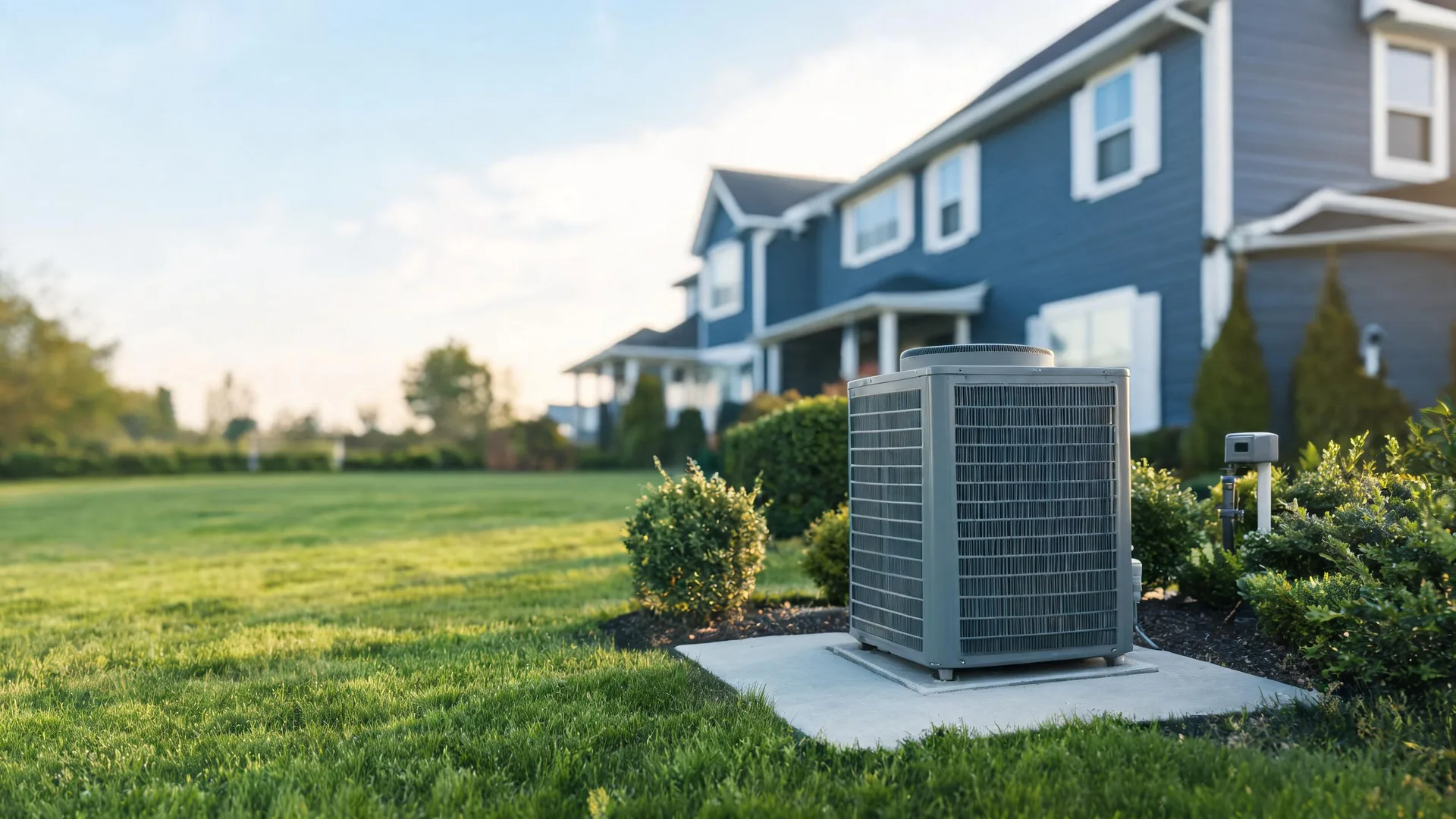
Most homes here run on electricity
Electricity heats 64.6% of occupied homes in St. Mary Parish, with utility gas a distant second at 34.6%. A heat pump fits that setup since it runs on electricity already, no gas line involved.
Takes about a minute. No obligation.
Electricity heats 64.6% of occupied homes in St. Mary Parish, with utility gas a distant second at 34.6%. A heat pump fits that setup since it runs on electricity already, no gas line involved.
If your current system already runs on electricity, a heat pump installer is working with wiring and a setup already built for electric service. That's one less thing to change during the install.
NOAA nClimDiv, 1991–2020 normals
Louisiana electricity runs 11.73 cents per kilowatt-hour, cheaper than most of the country.
The top-tier heat pump earns back its extra cost slower here, so pick one for its reliability and fit, not just its rating.




Heat pump installation here goes faster before the first cold snap than after it. Heat starts running in November, so October is when you want this done, not when the first cold morning puts you on a waiting list with every other homeowner who put it off. March works the same way on the cooling side, before the April heat sets in. Either month gives an installer time to size the system right and get the ductwork checked instead of rushing to get you running again. A heat pump installed in October has a full month to settle in before it has to carry the house through winter.
Morgan City sits in climate zone 2A, a hot, humid zone where cooling carries most of the year's load. Any heat pump installed here has to hit 14.3 SEER2 and 7.5 HSPF2 at minimum, the federal rule for systems built from 2023 on. A federal tax credit is available toward the cost of a qualifying system. Get the specifics for your home before you decide what to install.
Find a contractor
The unit itself is only part of what you're paying for. Sizing takes real work. A contractor has to measure the house, check the ductwork, and run a load calculation instead of guessing off the old system's size. Get the size wrong and the system runs too long or shuts off before it should, and you're the one paying for that every month. Ductwork condition matters too. Leaky or undersized ducts choke a heat pump's output no matter how good the unit is, so sealing or modifying them adds to the job but saves the system from working against itself. Where the lines run, how far the indoor and outdoor units sit from each other, and whether the electrical panel can carry the new load all shape the labor before a single part gets installed. A straightforward swap into an existing setup is the cheapest version of this job. Anything that asks the installer to open walls, add circuits, or rework ducts is a different job wearing the same name.
A heat pump takes over both heating and cooling, so whatever it replaces doesn't stick around as backup. An old furnace gets disconnected and hauled off along with the old outdoor unit if there was one. Baseboard heaters come out the same way. There's no reason for an installer to leave dead equipment taking up space once the new system is running.
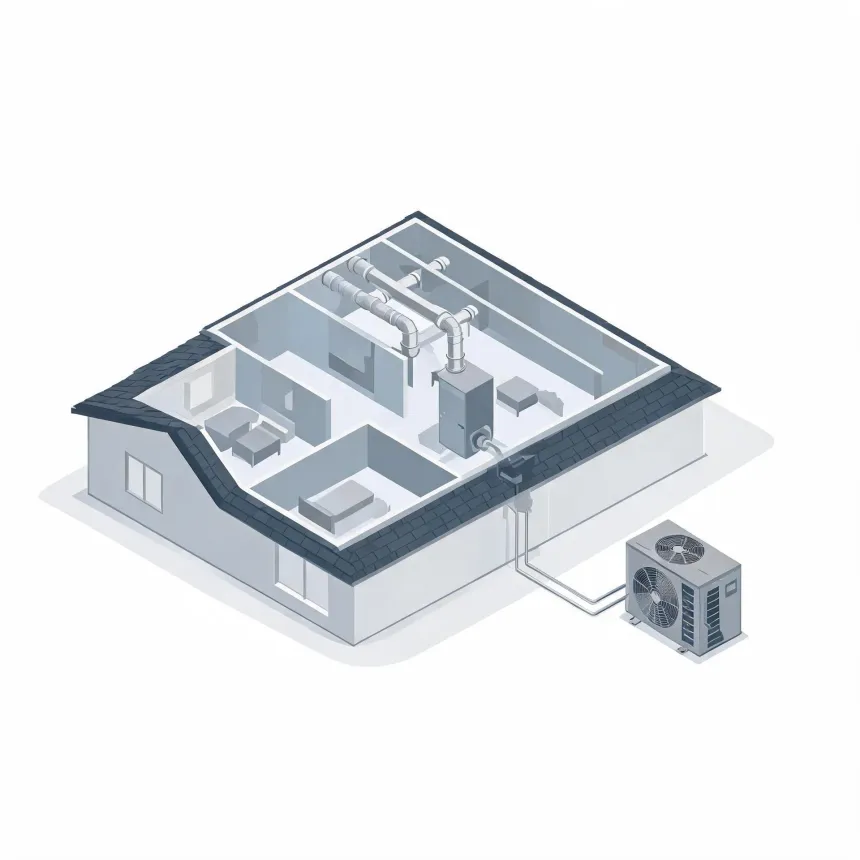
If the old system used ductwork, a heat pump installation typically reuses it rather than tearing it out. The ducts just move air. What gets swapped is the furnace or air handler, the coil, and the outdoor unit. An old coil usually comes out too even if it still looks fine, since it's matched to the old refrigerant and won't work right with the new system.
Sizing a heat pump isn't about matching the old system's number and moving on. A contractor works out how much heat the house loses in winter and how much heat it gains in summer, then picks a unit that can keep up with both. Too big and the system short-cycles, blasting the house to temperature and shutting off before it pulls moisture out of the air, so the place feels clammy even when the thermostat says it's comfortable. Too small and it runs flat out on the coldest and hottest days and still can't keep up, so it just runs constantly and wears down faster. The load calculation looks at the walls, the windows, the insulation, and the square footage, not just the square footage alone. Get that number right and the unit cycles the way it's supposed to, long enough to dehumidify and even out the temperature, then it shuts off and rests.
Install day starts with the old equipment coming out, not the new unit going in. The crew disconnects the furnace or air handler, pulls the outdoor unit, and clears the lines before anything new gets set. If ductwork is being reused, this is when it gets checked for leaks and connected to the new coil rather than the old one. Setting the outdoor unit and mounting the indoor coil is usually the quicker part. Running the refrigerant lines, wiring the system to the electrical panel, and checking the charge once everything's connected takes longer and matters more. A heat pump that's wired right and charged right from day one won't need a callback to fix what should've been caught during setup. Before the crew leaves, the system gets run through both modes, heating and cooling, so any problem shows up while they're still there to fix it.