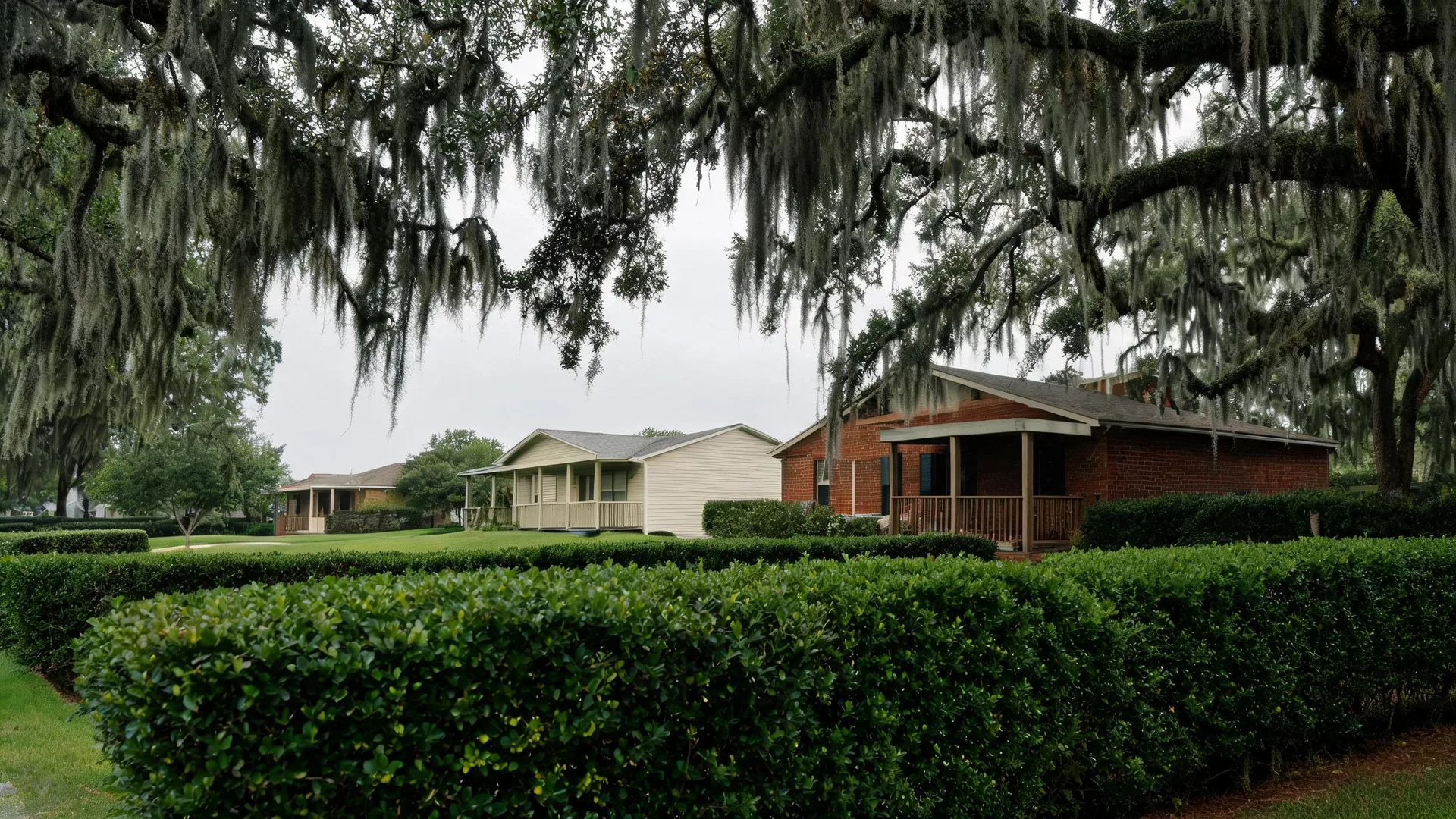
Single-story brick and white-sided houses behind a trimmed hedge and lawn, framed by overhanging oak branches draped with Spanish moss under an overcast sky.

Heat Pump Installation in Many, LA

Tell us about the job

Takes about a minute. No obligation.

New system or replacementHeat PumpSabine Parish, LA
Step 1 of 2

What ZIP code is the job in?

Ask what size they calculated, not guessed

A heat pump sized off square footage alone can end up too big or too small for the house. A contractor should run a load calculation that accounts for insulation, windows and layout, then tell you the result. If they quote a size before walking the house, ask how they got there.


Ask how it performs when it's cold outside

Every heat pump loses capacity as the temperature drops, and some lean on backup heat strips much sooner than others. Ask what the unit puts out at low outdoor temperatures and at what point the backup heat kicks in. That answer tells you more about comfort than anything on the spec sheet.

5 months
November through March, your system heats
6 months
May through October, it cools
39°F
the average winter night it heats against
92°F
the average summer afternoon it cools against
Isometric cutaway illustration of a small house showing interior ductwork and an air handler connected by lines to an outdoor condenser unit on a pad beside the building.
Your system heats November through March and cools May through October.

NOAA nClimDiv, 1991–2020 normals

Electricity in Louisiana runs 11.73 cents per kilowatt-hour, below what most of the country pays.

A heat pump that costs more to shave a few points off its efficiency rating will take longer to earn that back here, so put the money into a unit that holds up and runs right.

Most homes in Sabine Parish already run on electricity

75% of homes heat with electricity
Climate zone 3A
Power costs 11.73 cents a kWh statewide

Any heat pump installed here now has to hit 14.3 SEER2 for cooling and 7.5 HSPF2 for heating, the federal minimum as of January 2023. Sabine Parish sits in zone 3A, warm and humid with winters that stay mild, so this system will lean on the cooling side of that rating most of the year. Contractors can sell and install units well above that floor, but nothing below it is legal to put in. If you're comparing quotes, check the SEER2 and HSPF2 numbers against that minimum so you know what you're actually being offered. A system right at the floor and one well above it can both heat and cool this house, but they won't cost the same to run.

Have it in before May

Cooling starts in May and runs through October here, the long season for this system. Getting the heat pump installed in April means it's broken in and running right before that stretch starts, not during the first hot week of it.

Find a contractor
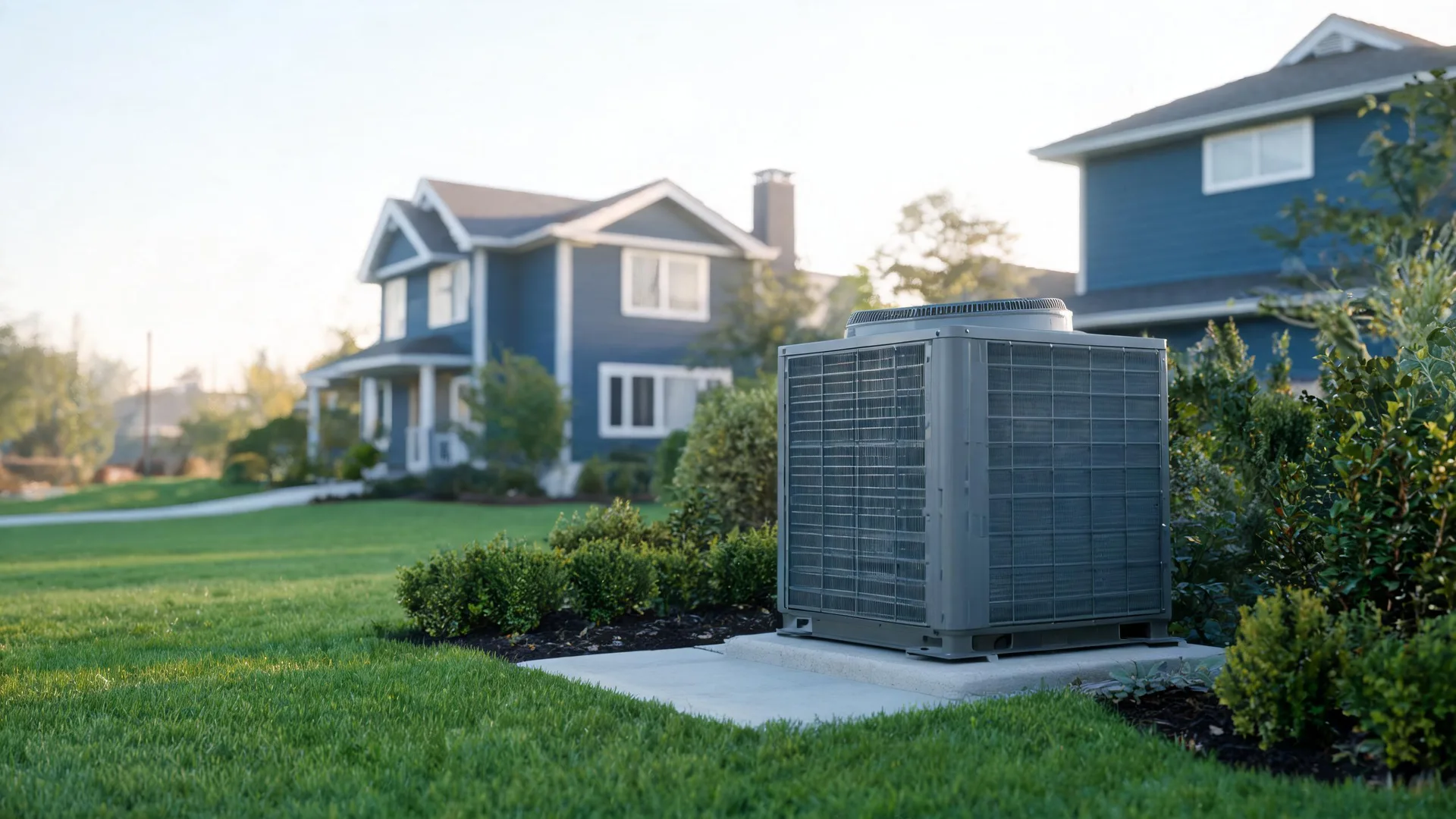
A dark gray heat pump unit mounted on a concrete pad next to a house with gray siding and a stone veneer wall.

No reason to size up or pay more here

Half the homes in Sabine Parish were built in 1986 or earlier, half in 1986 or later. That split doesn't call for a bigger or more efficient heat pump than usual, and nothing else about the parish does either. Size the unit to the house and its load calculation, not to the year it was built. The one thing worth checking is whether yours is a mobile home, since they make up close to 45 percent of the housing here and need a system matched to that kind of construction. Outside of that, a standard unit sized right will run for years here the same as anywhere else.

What the rating actually measures

SEER2 and HSPF2 come from lab tests run across a full season, not one moment of peak output. The number is an average of how much heat the unit moves for the electricity it uses, across typical cooling and heating conditions. A higher rating means less electricity for the same comfort. It says nothing about how the unit sounds, how long it lasts, or how well it handles the harshest days of the year.

Why the rating alone won't tell you what to buy

The label describes the equipment, not the house it goes into. A heat pump sized wrong for the home will run harder than the rating suggests, chasing a load it was never matched to, and no efficiency number fixes that. Ask whether the rating reflects the whole system as installed, indoor coil included, since swapping one piece can change the number the outdoor unit earned in testing.

Taking out the old system is its own job, separate from setting the new one in place. If it's a furnace or air handler paired with the heat pump, the old refrigerant has to be recovered properly, not vented, and that takes a licensed hand regardless of who installs the new unit. The old line set usually can't just be reused. Heat pump systems run different refrigerant pressures and oils than a straight AC or furnace setup, and lines sized for one don't always suit the other. A contractor should tell you upfront whether they're pulling new line set or reusing what's there, and why. The old pad, disconnect box and electrical whip may or may not carry over either, depending on what the new unit needs. None of this is hard to do right, but it's worth asking who handles the teardown and where the old equipment ends up once it's out.

Installation day starts with setting the outdoor unit on its pad and the indoor coil in place, then running the line set and wiring between them. Once that's connected, the system gets pulled down with a vacuum pump to clear out moisture and air, since either one left in the lines will hurt how the refrigerant cycles. After that it's charged to what the manufacturer specifies for that unit and that line length, not topped off by feel. A contractor should then run the system in both heating and cooling, check the temperature split at the vents, and confirm the thermostat is talking to the outdoor unit correctly before calling it done. The startup readings get written down, so there's a baseline on record if something needs checking later.