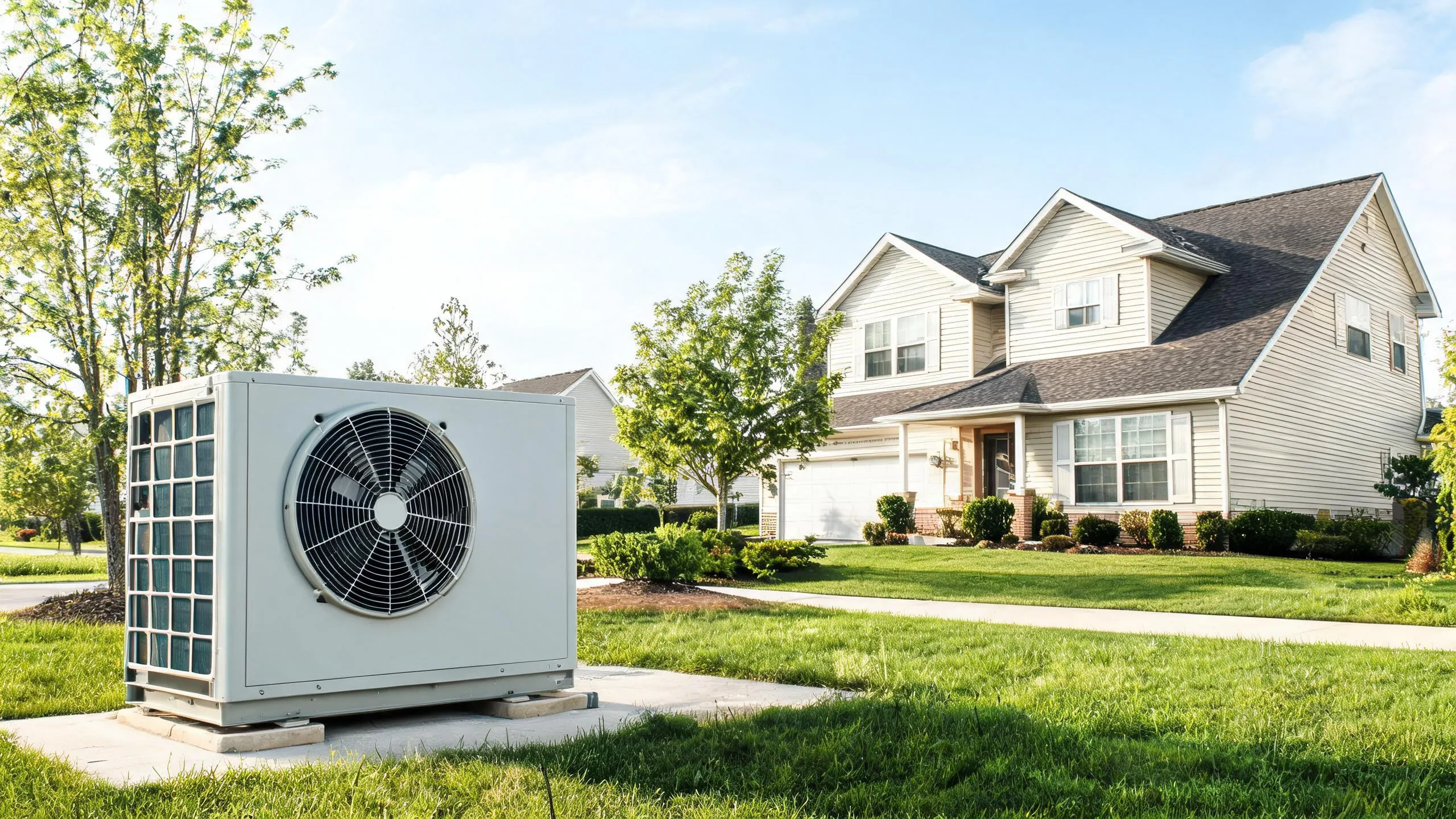






An outdoor heat pump unit mounted on a concrete pad in front of a two-story suburban house with a landscaped lawn.

Heat Pump Installation in St. Gabriel, LA

Tell us about the job

Takes about a minute. No obligation.

New system or replacementHeat PumpIberville Parish, LA
Step 1 of 2

What ZIP code is the job in?

Most homes in Iberville Parish heat with electricity, 63 percent of them. Utility gas covers another 31.7 percent, and that's most of what's left. A heat pump fits the electric side of that split well, since it runs on the same fuel the home already has and needs no gas line run to the unit. If your home is part of that 63 percent, swapping in a heat pump means the electrical side of the job stays simple. Homes on gas heat now have a different set of questions to work through, mainly what happens to that gas line and whether backup heat makes sense.

5 months
November through March, your system heats
7 months
April through October, it cools
44°F
the average winter night it heats against
91°F
the average summer afternoon it cools against
Isometric line illustration of a cutaway single-story house showing interior rooms, ceiling ductwork, an indoor air handler unit, and an outdoor condenser connected by a line set.
Your system heats November through March and cools April through October.

NOAA nClimDiv, 1991–2020 normals

A standard-size heat pump fits most homes in St. Gabriel built around 1986 or after.

Sizing this job means matching the home in front of you, not planning around anything unusual in the area.

St. Gabriel loses power more than it loses heat

39 severe weather events from 2015 to 2024
49% of homes statewide lost power a day or more in 2024
14 damaging wind events from 2015 to 2024
Before NovemberHeat runs November through March here, five months a year. October is the month to get a heat pump in.

St. Gabriel sits in zone 2A, where cooling runs more of the year than heating does. Any heat pump installed here now has to hit 14.3 SEER2 for cooling, the federal minimum for equipment built from 2023 on, along with a matching minimum for heating. That floor sits above what some other parts of the country require, since the Southeast carries its own cooling standard on top of the national one. A heat pump bought today is built to clear that bar already. There's also a federal tax credit available for qualifying heat pump installations, worth checking against the unit you're considering before you decide.

Power is cheap here. Fit and reliability matter more than squeezing out another SEER2 point.

Electricity here runs 11.73 cents a kilowatt-hour, below what most of the country pays. That changes the math on efficiency. A higher-SEER2 heat pump still costs less to run than a lower one, but at this rate it takes longer to earn back the difference. Picking the right size and a model built to last through St. Gabriel summers matters more than chasing the top efficiency number.

Find a contractor
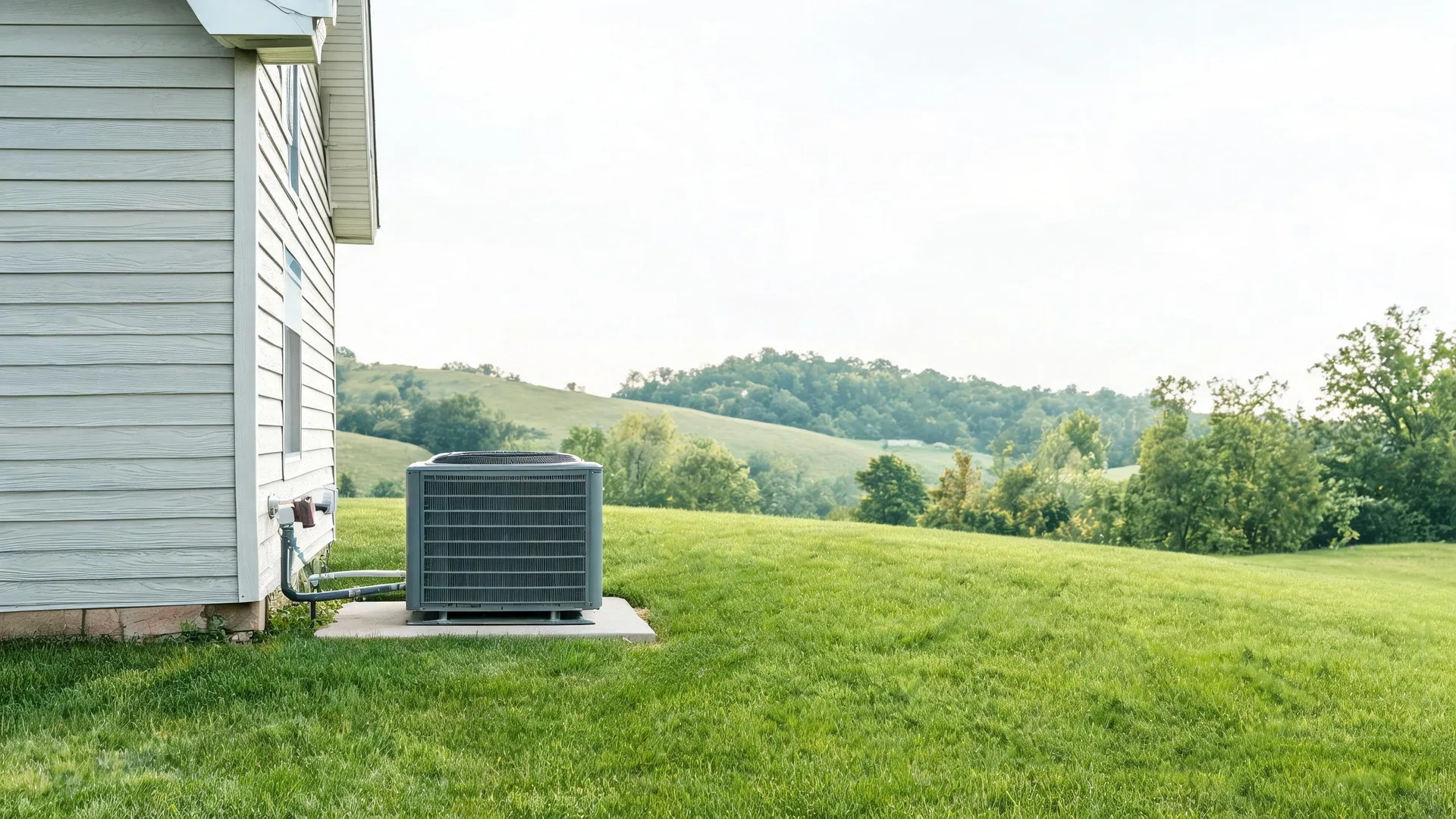
A white mini-split heat pump outdoor unit mounted on a concrete pad beside a gray-sided house, surrounded by gravel and green shrubs.

Sized for the house, not the day

A heat pump sized right runs long, slow cycles, moving heat for most of the hour instead of blasting and stopping. That's what keeps the house even and keeps the compressor from wearing out early. Oversize it and it short cycles, shutting off before it's pulled the moisture out of the air or warmed the rooms evenly, and all that starting and stopping is harder on the compressor than running steady ever is. Undersize it and it runs flat out and still can't keep up on the coldest or hottest days. Getting it right means a load calculation, room by room, that looks at square footage, window area, insulation and how much shade or sun the house takes on. Nobody should size a heat pump off the unit that's already there. The old one may have been wrong from the day it went in.

What SEER2 actually measures

SEER2 tells you how much cooling a heat pump delivers for the electricity it uses, averaged over a full season rather than one moment. It says nothing about the size of the unit or how well it will heat or cool a particular room. Units with the same SEER2 number can still feel different in a house, because ductwork, placement and sizing all affect what the homeowner feels day to day. The number on the label is a starting point for comparing models, not a promise about comfort.
Why the rating alone won't settle the choice

A heat pump with a higher SEER2 number costs more upfront, and it only earns that back through lower running costs over time. How long that takes depends on how often the system runs and what the power costs. A unit sized correctly for the house, installed with sealed ducts and the right refrigerant charge, will often beat a higher-rated unit that was oversized or installed carelessly. The rating is one factor to weigh against the installation itself, not the whole decision.

Taking out the old system is part of the job, not an afterthought. A furnace or air handler gets disconnected, the refrigerant lines get reclaimed rather than vented, since venting refrigerant is against the law, and the old equipment gets hauled off. If the old system ran on gas, that line either gets capped off safely or left in place for a backup furnace, depending on which setup you choose. The electrical whip and disconnect box for the old unit usually get reused or swapped for one that matches the new heat pump's power draw. None of this adds much time to the install, but it has to happen in the right order, old unit out and disconnected clean before the new one goes in.

Install day starts with the refrigerant lines, since most installs run new line sets rather than reusing old ones that may not match the new system's charge. The indoor coil goes in first if it's being replaced, then the outdoor unit gets set on a pad or bracket, leveled, since a unit sitting crooked wears its compressor unevenly over the years. Lines get connected, the system gets pressure tested for leaks before anything is charged, and only after that test holds does the refrigerant go in. Electrical hookup comes next, matching the breaker and wiring to what the new unit actually draws rather than what the old one needed. Once it's charged and wired, the tech runs the system in both directions, heating and cooling, and checks the temperature split at the vents to confirm it's moving the air it should. A thermostat that's new or reprogrammed gets set up last, after the rest of the system is already proven to work.