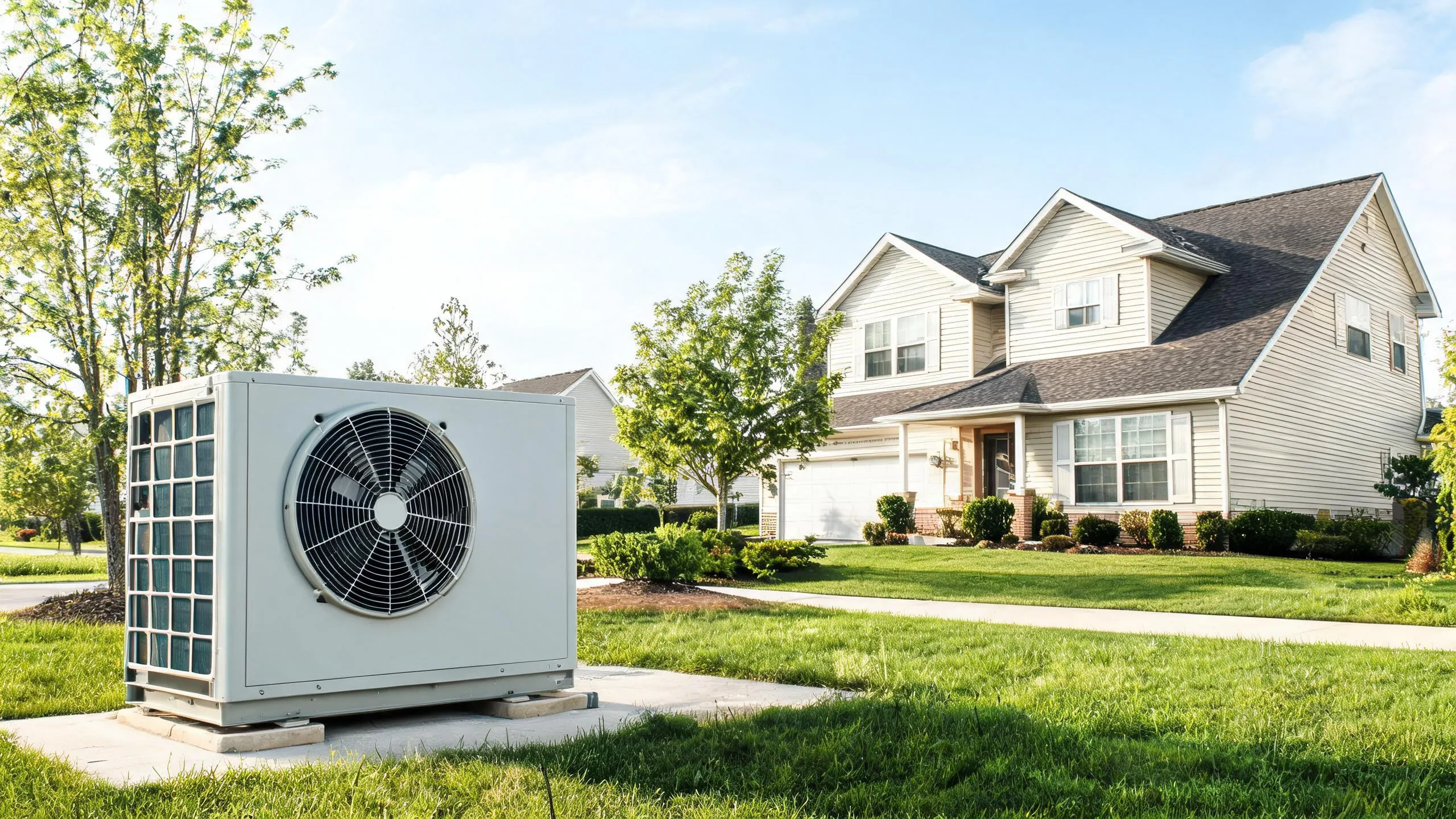





An outdoor heat pump unit mounted on a concrete pad in front of a two-story suburban house with a landscaped lawn.

Heat Pump Installation in Natchitoches, LA

Tell us about the job

Takes about a minute. No obligation.

New system or replacementHeat PumpNatchitoches Parish, LA
Step 1 of 2

What ZIP code is the job in?

Electricity in Louisiana ran 11.73 cents per kilowatt-hour in 2024, cheaper than most of the country. That changes the math on a heat pump. A higher-efficiency model still costs less to run month to month, but the gap it closes is smaller here, so it takes longer to earn back the difference in price. That makes the case for choosing one on efficiency alone a weaker one in Natchitoches than it would be somewhere with pricier power. What matters more is whether the system is sized right for the house and holds up through the kind of weather that knocks out power for days at a time.

5 months
November through March, your system heats
6 months
May through October, it cools
39°F
the average winter night it heats against
92°F
the average summer afternoon it cools against
Isometric line illustration of a cutaway single-story house showing interior rooms with ducted air distribution, an indoor air handler, furniture, and an outdoor condenser unit connected by lines outside the wall.
Your system heats November through March and cools May through October.

NOAA nClimDiv, 1991–2020 normals

Heat pumps here run cooling from May through October and heat from November through March.

October is the month to put in a new one, before the first cold night sends everyone looking for a contractor at once.

Electricity already heats most homes here

67% of homes heat with electricity
Power costs 11.73 cents a kWh statewide
Climate zone 3A

A standard-size, standard-efficiency heat pump is the right call for most houses in Natchitoches Parish. Half the homes here were built in 1984 or earlier, and half in 1984 or later, so there's no tilt toward older or newer construction that would push sizing one way or the other. A contractor still needs to size the system to the actual house, its windows, its layout, but nothing about the parish as a whole calls for going bigger than the load requires. Mobile homes make up close to a quarter of the housing stock here, and those need a system sized and matched to that kind of structure, not a scaled-down version of what goes into a site-built house. Outside of that, there's no local reason to pay more for a higher tier of equipment than the house calls for.

A new heat pump here has to meet zone 3A's efficiency floor

Natchitoches sits in climate zone 3A, and any new heat pump going in has to clear 14.3 SEER2 for cooling and 7.5 HSPF2 for heating. That floor is already higher than the national minimum, so the equipment that qualifies here is solid to start with. A federal tax credit is available on top of that for systems that meet efficiency requirements, worth checking against before you settle on a model.

Find a contractor
A residential heat pump outdoor unit mounted on a concrete pad next to a house with gray vinyl siding.

The label tells you how the equipment was tested, not how it will run in your house

The rating on the label tells you how much heat the system moves for the electricity it feeds it, nothing more. A higher number means a lower bill at the same thermostat setting, but it doesn't mean the house heats or cools faster, and it doesn't mean the equipment is built better or lasts longer. A system can carry a strong rating and still run worse than it should if it was sized wrong for the house or if the refrigerant charge and airflow weren't set correctly at install. That rating comes from a lab test run under fixed conditions, so what it's good for is comparing one model against another, not predicting what your meter will show. Ductwork that leaks or runs through unconditioned space will cost you more of that efficiency than the label can account for. The number is worth checking before you buy. What the installer does with the equipment after that matters just as much.

The old equipment doesn't come back

Once the refrigerant is recovered and the outdoor unit and coil are disconnected, that system isn't going back in, even to hold you over. A heat pump that's been opened up and drained gets hauled off and scrapped or recycled for the metals and components still worth something. There's no putting the old unit back on the pad if something about the new install needs sorting out first.
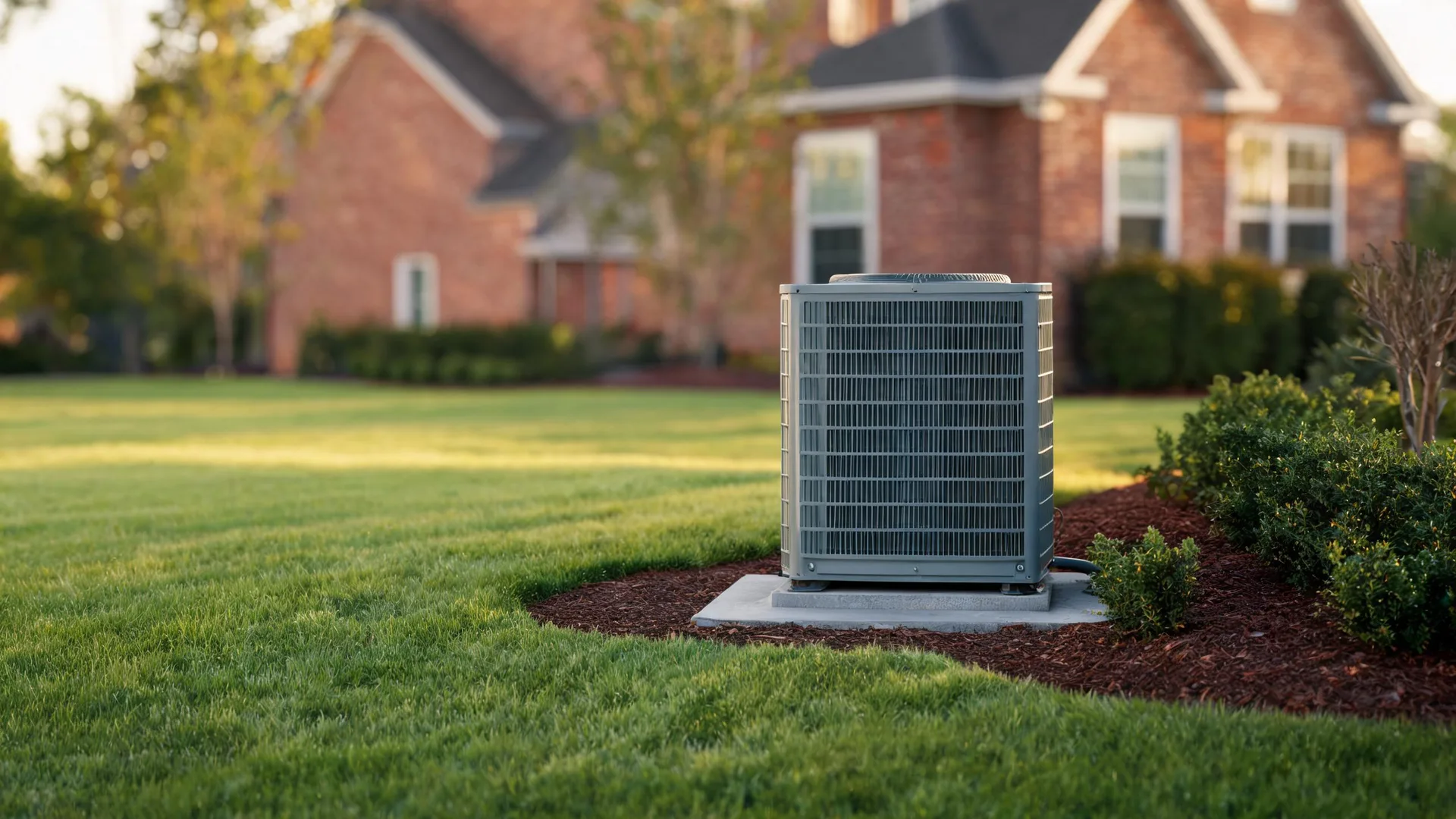
That's why startup happens before the crew leaves

With no old system to fall back on, the new one has to be verified working before the job is called done. That's the refrigerant charge check, the airflow test, the thermostat and backup heat strips, all of it, done on site rather than left for a follow-up visit. Ask when you're comparing bids whether that full startup check is part of the job or a separate call.

Comparing heat pumps means comparing more than the equipment itself. Ask what the installer's load calculation showed and how they arrived at the size they're proposing, not just the brand they prefer. Ask whether the ductwork was inspected, since a system sized right can still underperform if the ducts leak or weren't sized for the airflow a heat pump needs. Ask how the outdoor unit handles cold snaps, because heat pumps lean on backup heat strips once temperatures drop low enough, and you want to know when those kick in and how that's controlled. Ask what refrigerant it uses and whether the installer checks the charge against the manufacturer's spec at startup, since a charge set wrong can quietly cost you efficiency for years without ever throwing an error. Get more than one bid, and if the sizing or price swings wildly between contractors, ask why.

Installation day starts with the old equipment coming out, not the new unit going in. The outdoor unit gets disconnected, the indoor coil pulled, and the line set either reused or replaced depending on its condition. If the ductwork connects to a plenum that needs modifying for the new coil, that work happens before anything new goes in. The outdoor unit sets on a pad, leveled, with enough clearance around it for air to move through it freely. Once the line set is connected, the system gets evacuated to pull moisture and air out of the lines before refrigerant goes in. Any left behind will damage the compressor over time. After that comes startup. The installer checks refrigerant charge against the manufacturer's spec, confirms airflow across the coil, and tests the thermostat and backup heat strips before calling the job done.