




An outdoor air conditioning condenser unit mounted on a concrete pad in front of a single-story suburban house.

Heat Pump Installation in Belle Chasse, LA

Tell us about the job

Takes about a minute. No obligation.

New system or replacementHeat PumpPlaquemines Parish, LA
Step 1 of 2

What ZIP code is the job in?

Most homes in Plaquemines Parish run on electric heat, 62.6% of them. Utility gas covers another 34.4%. That split matters if you're putting in a heat pump, because the electric panel and wiring to support one are already there in most houses on your street. There's no gas line to work around, no decision about whether to keep a furnace as backup. A heat pump replacing electric resistance heat or an old electric furnace is about as straightforward as this work gets.

3 months
December through February, your system heats
7 months
April through October, it cools
49°F
the average winter night it heats against
89°F
the average summer afternoon it cools against
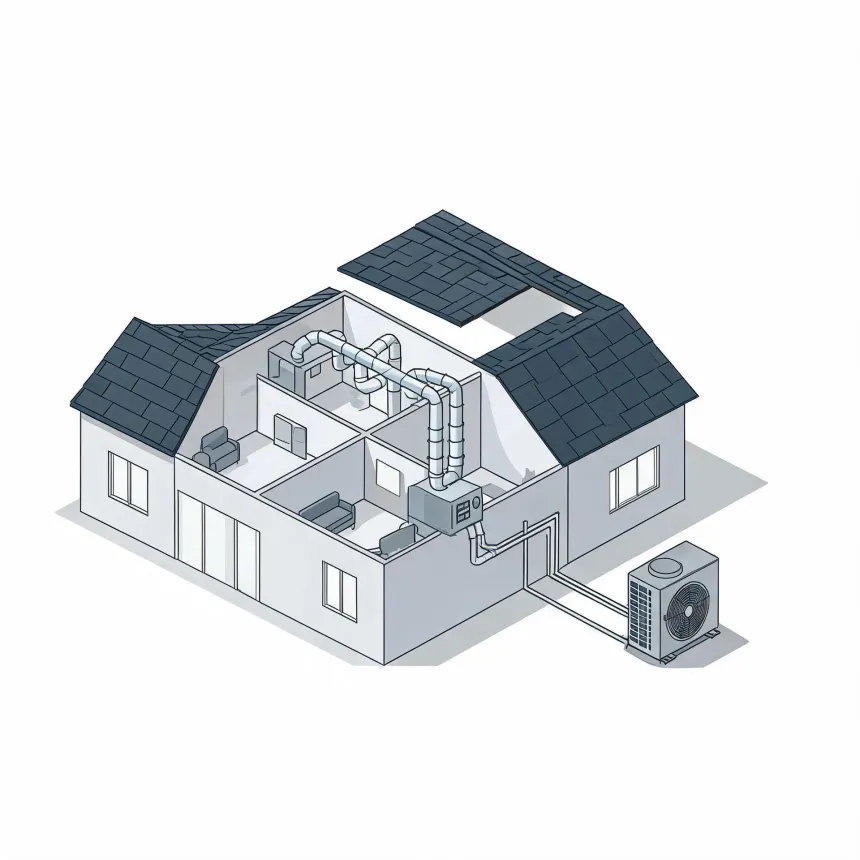
Isometric line illustration of a cutaway single-story house showing interior rooms, ceiling ductwork connected to an indoor air handler, and refrigerant lines running to an outdoor condenser unit on a pad.
Your system heats December through February and cools April through October.

NOAA nClimDiv, 1991–2020 normals

Electricity in Louisiana runs 11.73 cents per kilowatt hour, below most of the country.

A heat pump still beats electric resistance heat here, but the payback on the most efficient model takes longer.

November puts a heat pump in before it has to work

Cooling runs April through October
Heat runs December through February
Power costs 11.73 cents a kWh statewide

With power this cheap, don't pay extra for the top efficiency tier expecting it to pay for itself fast. Put that money into getting the size right instead. A heat pump that's oversized for your house will short cycle and wear out faster, and one that's undersized will run constantly without catching up on the coldest nights. Ask the contractor for a load calculation on your house, not a number pulled from the size of the unit you're replacing. The right fit matters more here than squeezing out another point of efficiency.

A new system here has to clear a higher bar

Belle Chasse sits in climate zone 2A, where cooling carries most of the load. Any heat pump installed here has to hit 14.3 SEER2 and 7.5 HSPF2 at minimum, and a central air system has to clear that same 14.3 SEER2 mark below 45,000 Btu/h. That's higher than what the rest of the country requires. A federal tax credit is available on top of that for equipment that qualifies. Worth knowing both numbers before you start comparing units.

Find a contractor
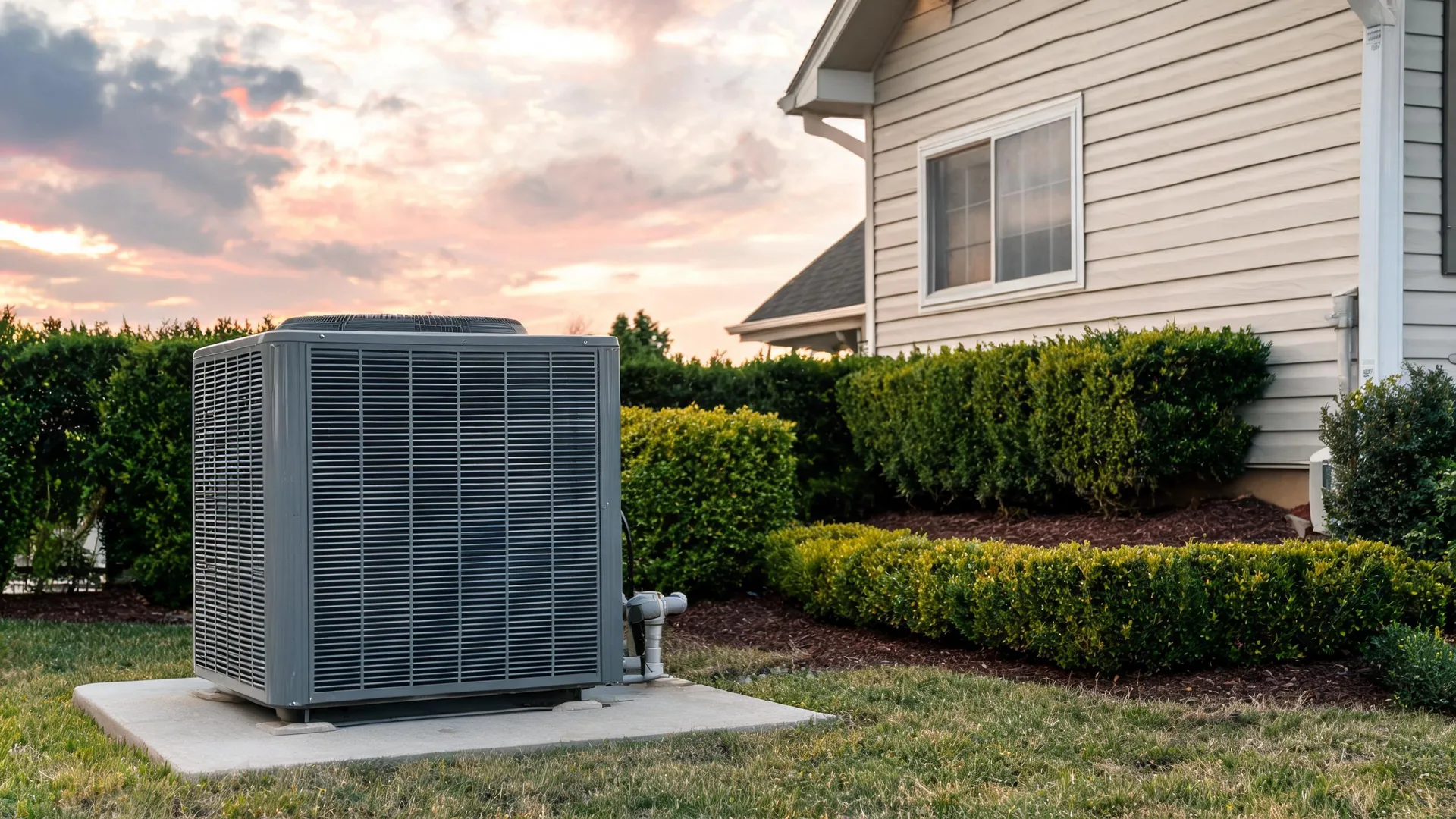
A gray heat pump condenser unit mounted on a concrete pad against the gray lap-siding exterior wall of a house.

The unit is the easy part to price

Installation price mostly comes down to what the crew has to do beyond setting the unit down. Running new line sets, adding or modifying ductwork, upgrading electrical to handle the new load, these add labor and material that have nothing to do with the equipment itself. A straight swap where the old system already matches the new one's requirements costs less because the infrastructure is already in place. The moment a job needs a new disconnect, a larger breaker, or duct modifications to handle different airflow, the price moves. Ductwork condition matters too. Leaky or undersized ducts might need sealing or resizing to work with a heat pump, which moves air differently than a straight electric furnace did. None of that shows up on the unit's price tag, but it shows up on the invoice.

Get quotes for the same size unit

A load calculation should produce one number. If contractors come back proposing different tonnage for your house, someone's calculation is off, or someone skipped it and guessed. Compare quotes only after everyone agrees on size, otherwise you're comparing unrelated systems.
Ask what happens on the coldest night

Every heat pump loses capacity as the temperature drops outside. Ask each contractor what backup heat they're proposing, how it switches on, and at what temperature the heat pump hands off. A system with no clear answer here will leave you cold on the night you need it most.

Whatever's coming out gets disconnected, drained if it's got refrigerant in it, and hauled off. If the old system was electric resistance or an old electric furnace, pulling it is simple, there's no refrigerant to recover and no gas line to cap. The breaker it ran on either gets reused for the new heat pump or shut down, depending on what the new unit needs. If a contractor is reusing the old line set rather than running new lines, have them check it's rated for the new system rather than just connecting it. Old line sets were sized for the unit they came with, not necessarily the one going in. The pad or mount holding the outdoor unit usually gets reused too, as long as it's sized right and still level.

The crew sets the outdoor unit first, on the pad or a new one if the old mount won't do, then runs the line set between it and the indoor coil. That coil usually sits in the air handler or on top of the furnace, wherever the old one was, unless the system is getting swapped out entirely. Once the lines are connected, the tech pulls a vacuum on the system to clear out air and moisture before any refrigerant goes in. Skipping that step is what causes a system to fail early, so it's not a step worth rushing. With the vacuum holding, refrigerant gets charged to the exact weight the manufacturer specifies, not just until the pressure looks right. Electrical gets tied in last, the breaker, the disconnect box by the outdoor unit, the thermostat wiring. Before the crew leaves, the system should run through a full cycle, heat and cool both, while someone checks the temperature split at the vents and listens for anything that shouldn't be there.