




Two white Southern-style homes with wraparound porches lit by landscape lighting at night, flanked by live oak trees hung with Spanish moss.

Heat Pump Installation in Hammond, LA

Tell us about the job

Takes about a minute. No obligation.

New system or replacementHeat PumpTangipahoa Parish, LA
Step 1 of 2

What ZIP code is the job in?

Ask what size the contractor is proposing and how they landed on it. A heat pump that's too big will short cycle, kicking on and off without running long enough to pull moisture out of the air. One that's too small will run constantly and still struggle on the coldest mornings. The number should come from a load calculation on your house, not a guess based on the old system. Ask about the compressor too, since a single-stage unit just blasts full power or shuts off, while a staged or variable-speed compressor scales back and runs longer at lower output, which tends to even out comfort room to room. And ask what happens once it gets cold outside, because every heat pump leans on backup heat strips or a furnace once outdoor temperatures drop far enough, and you want to know at what point that switch happens and how it's controlled.

5 months
November through March, your system heats
7 months
April through October, it cools
42°F
the average winter night it heats against
91°F
the average summer afternoon it cools against
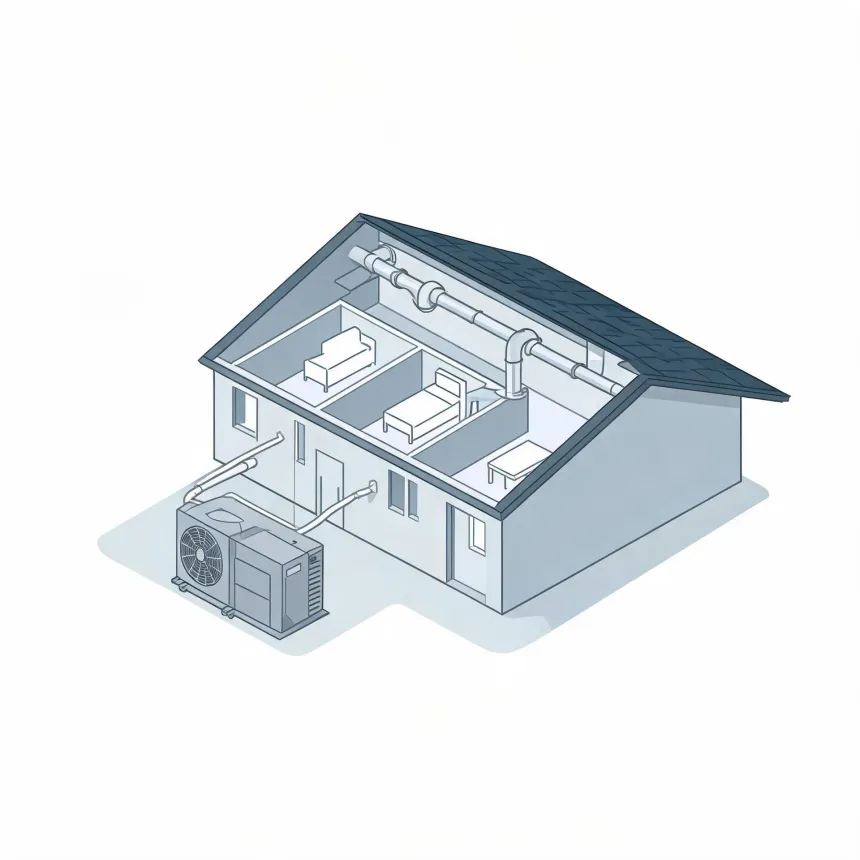
Isometric line illustration of a cutaway single-story house showing interior rooms with furniture and attic ductwork connected to an outdoor condenser unit beside the building.
Your system heats November through March and cools April through October.

NOAA nClimDiv, 1991–2020 normals

Most homes in Tangipahoa Parish heat with electricity, 73 percent of them.

A heat pump fits that pattern, since it runs on the same power your water heater and outlets already use.

Plan this for March, not for the first cold snap in November

Cooling runs April through October
Heat runs November through March
Climate zone 2A

Electricity in Louisiana runs 11.73 cents a kilowatt-hour, cheaper than most of the country. That changes how to think about this purchase. A higher-efficiency heat pump will cost less to run, but with power this cheap, it takes longer to earn back the difference in price. So don't pick a system on efficiency rating alone. Put the weight on whether it's sized right for your house, whether the compressor can hold up to a lot of cycling, and whether the contractor installing it has a track record you can check. Those things matter more here than the number on the sticker.

Replace it before the season

Replace it before the season starts, so it happens on your schedule, not in a hurry.

Find a contractor
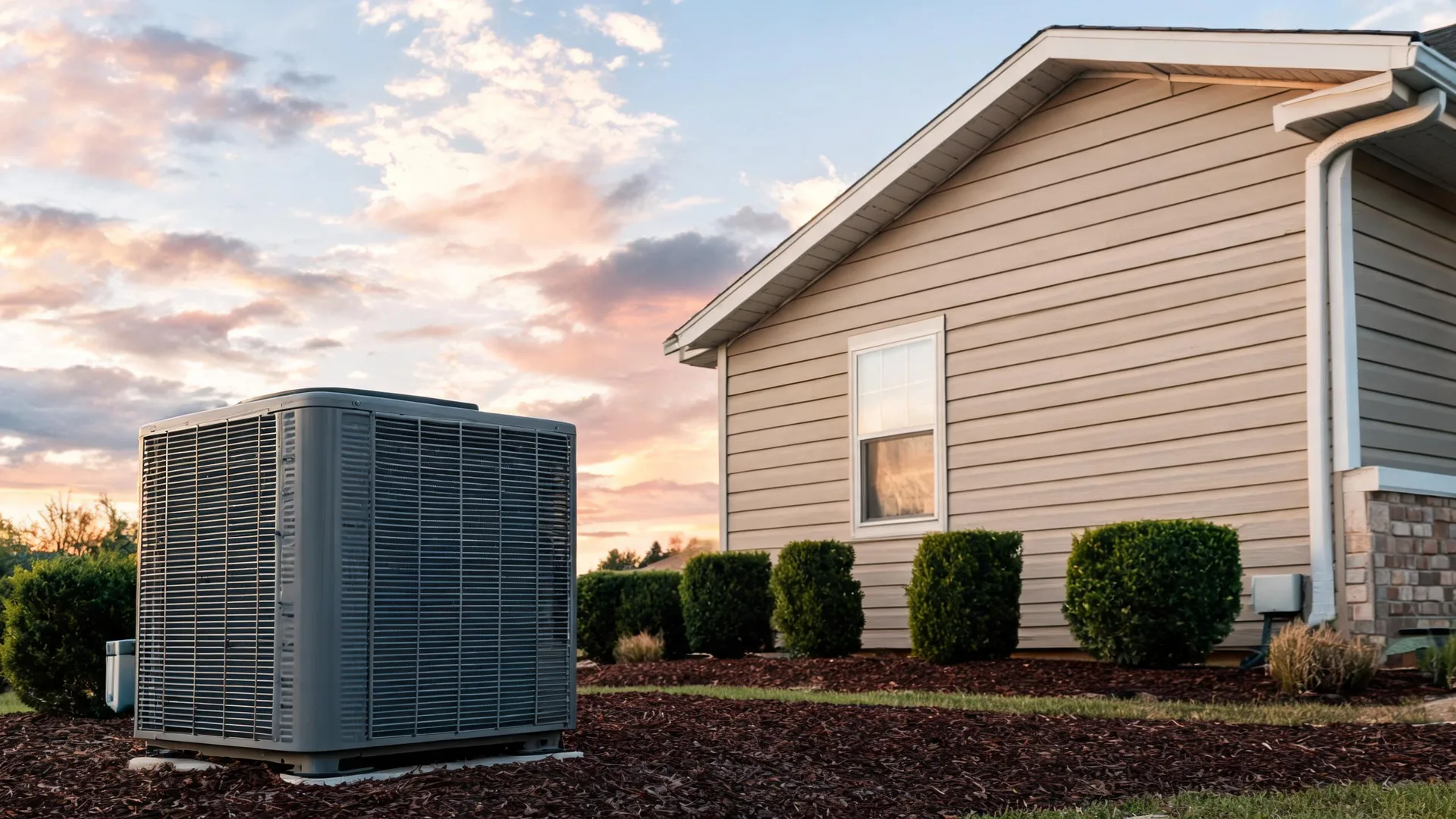
A gray outdoor HVAC unit mounted on a concrete pad beside a house with gray lap siding and a stone foundation.

What happens to the system you're replacing

The old system does not have to run until it quits. If it still works, a contractor can pull it out once the new unit is ready to go in, and the changeover happens in a single visit. If the compressor already failed or the coil is leaking, there's nothing to preserve by waiting. Either way, the refrigerant in the old system has to be recovered before the lines come apart, not vented, so plan on that step happening regardless of condition. Anything still useful, like a thermostat or a return grille that fits, can sometimes carry over, but the outdoor unit and the coil are generally replaced as a matched set rather than mixed with new parts.

The rating measures a season, not a day

The number on the label is an average across a whole range of outdoor temperatures, not a promise about how the unit performs on any single afternoon. A heat pump with a high rating still has to work harder when it's very cold or very hot out, the same as any other. What the rating tells you is how much electricity it tends to use over the course of normal operation, not what you'll see on the coldest morning of the year.
A high rating cannot fix a bad install

The number on the sticker assumes the refrigerant charge is correct, the airflow across the coil is right, and the ductwork can actually move the air the system is rated for. Get any of that wrong and the unit won't reach the number on its label no matter how high that number is. A mid-range system installed right will outperform a high-rated one that's shorted on airflow or charged wrong.

A load calculation looks at your square footage, but also your windows, your insulation, your ceiling height, and which walls face the sun. Houses the same size on paper can still need different size units because of that. Bigger isn't a safe default either. An oversized heat pump cools the air fast and shuts off before it's pulled the humidity down, so the house feels cool but clammy. It also means more stopping and starting, and every start puts wear on the compressor. The contractor doing this calculation should be able to show you the worksheet, not just give you the number. If they quote a size without ever measuring the house, that's worth asking about.

Installation day starts with the old equipment coming out, not the new one going in. The outdoor unit gets disconnected, the refrigerant lines get opened, and the indoor coil comes out of the cabinet. Once that's clear, the new coil goes in, the line set gets run or reused if it checks out, and the new outdoor unit gets set on its pad. The lines get connected, pulled down to a vacuum to clear out moisture and air, then charged with refrigerant to the weight the manufacturer specifies, not just until the pressure looks right. Low voltage wiring gets run to the thermostat, and the system gets fired up and checked running in both heating and cooling before anyone leaves. A tech should also check static pressure in the ductwork at that point, since a brand new unit pushing against ducts that can't move enough air will struggle no matter how well everything else was done.