





An unfinished basement featuring a forced-air furnace, exposed wooden ceiling joists, bare concrete walls, and miscellaneous items including cardboard boxes and coiled cables on the floor.

Furnace Installation in Farmerville, LA

Tell us about the job

Takes about a minute. No obligation.

New system or replacementFurnace or heatingUnion Parish, LA
Step 1 of 2

What ZIP code is the job in?

Most homes in Union Parish heat with electricity, 64.5% of them. That makes an electric furnace or heat pump the standard choice, and parts and service for them are easy to find here. Gas heat is less common, at 25.1% of homes, usually where a gas line already runs to the house. If your current system is electric, matching it keeps the installation simple, no new fuel line, no new venting to plan around. Worth checking what your home already has before you assume either way.

5 months
November through March, your furnace is on duty
37°F
the average winter night it heats against
80% AFUE
the federal minimum any new unit must meet
Isometric cutaway illustration of a single-story house with a dark shingled roof, showing interior rooms with furniture, ductwork, a flue pipe, and a furnace unit.
Your furnace works hardest from November through February.

NOAA nClimDiv, 1991–2020 normals

Farmerville furnaces start running in November.

Get yours installed in October, before the first cold night puts it to the test.

Electricity here runs $34.38 per million Btu, so a high-efficiency furnace won't buy back its extra cost fast. Picking a system that holds up through a winter storm matters more than squeezing out another point of efficiency.

Heat runs November through March
Winter nights average 37°F
7 winter storms from 2015 to 2024

Union Parish is zone 3A, warm with winters mild enough that a furnace here doesn't work hard. Any new gas furnace installed today has to hit at least 80 percent AFUE, the floor set for units built since late 2015. That number is set to jump to 95 percent, but not until a manufacturing deadline years out, so it won't affect a furnace going in now. A system installed today keeps running at whatever efficiency it was built for, no matter what the rule becomes later. Worth asking what AFUE rating a contractor is quoting, since that tells you where the system sits against the current minimum.

A standard furnace is the right call here

Union Parish homes split about evenly between built in 1987 or earlier and built in 1987 or later, an ordinary mix that doesn't call for anything bigger or more complex than a standard furnace. Mobile homes make up over a third of the housing here, so if yours is one, just make sure the system you're quoted is rated for a mobile home install. Otherwise, a properly sized, standard-efficiency furnace will heat your home through the winters here without needing anything extra built around it.

Find a contractor
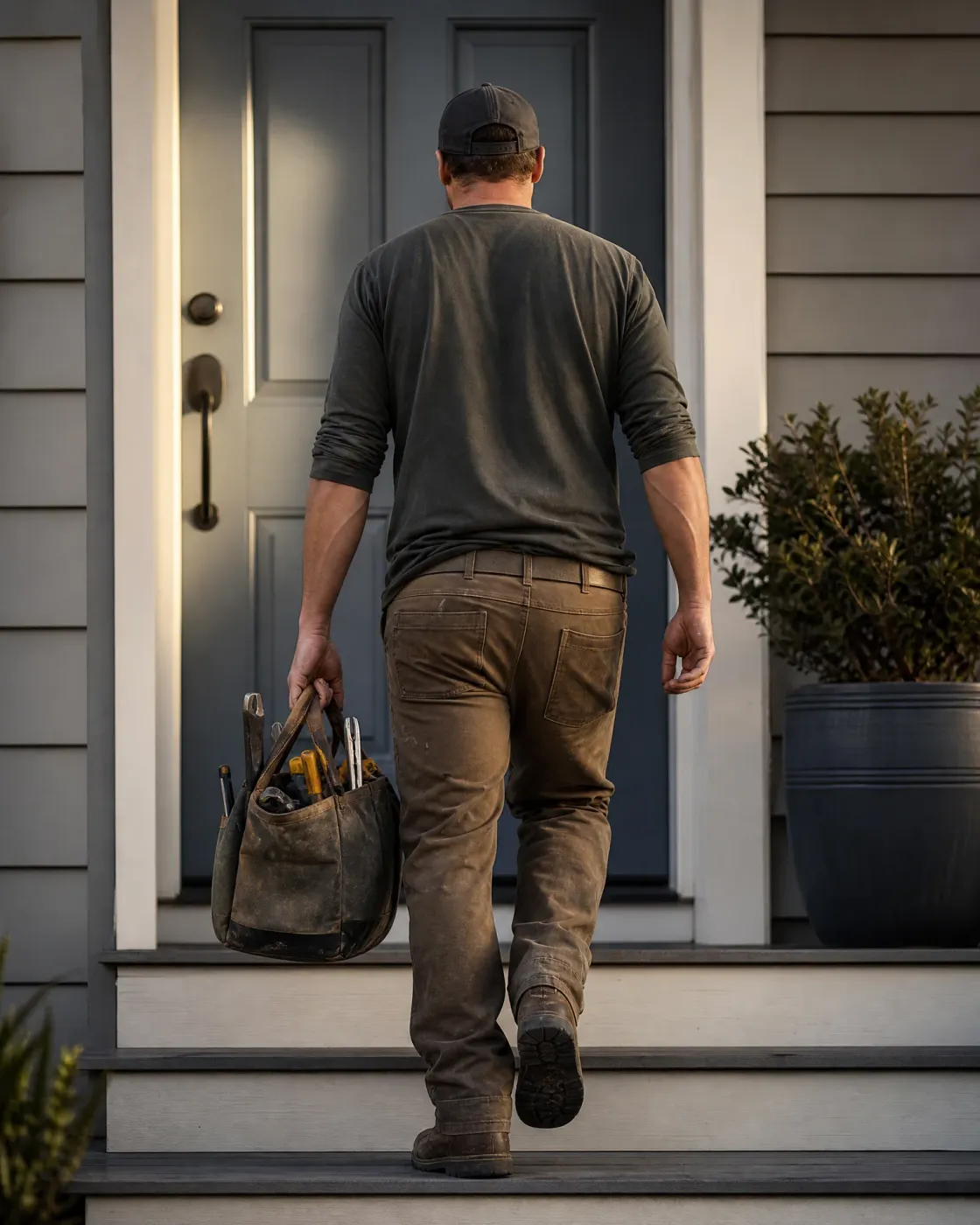
A man in a cap, dark long-sleeved shirt and brown work pants walks up porch steps toward a gray front door, carrying a worn canvas tool bag filled with hand tools.
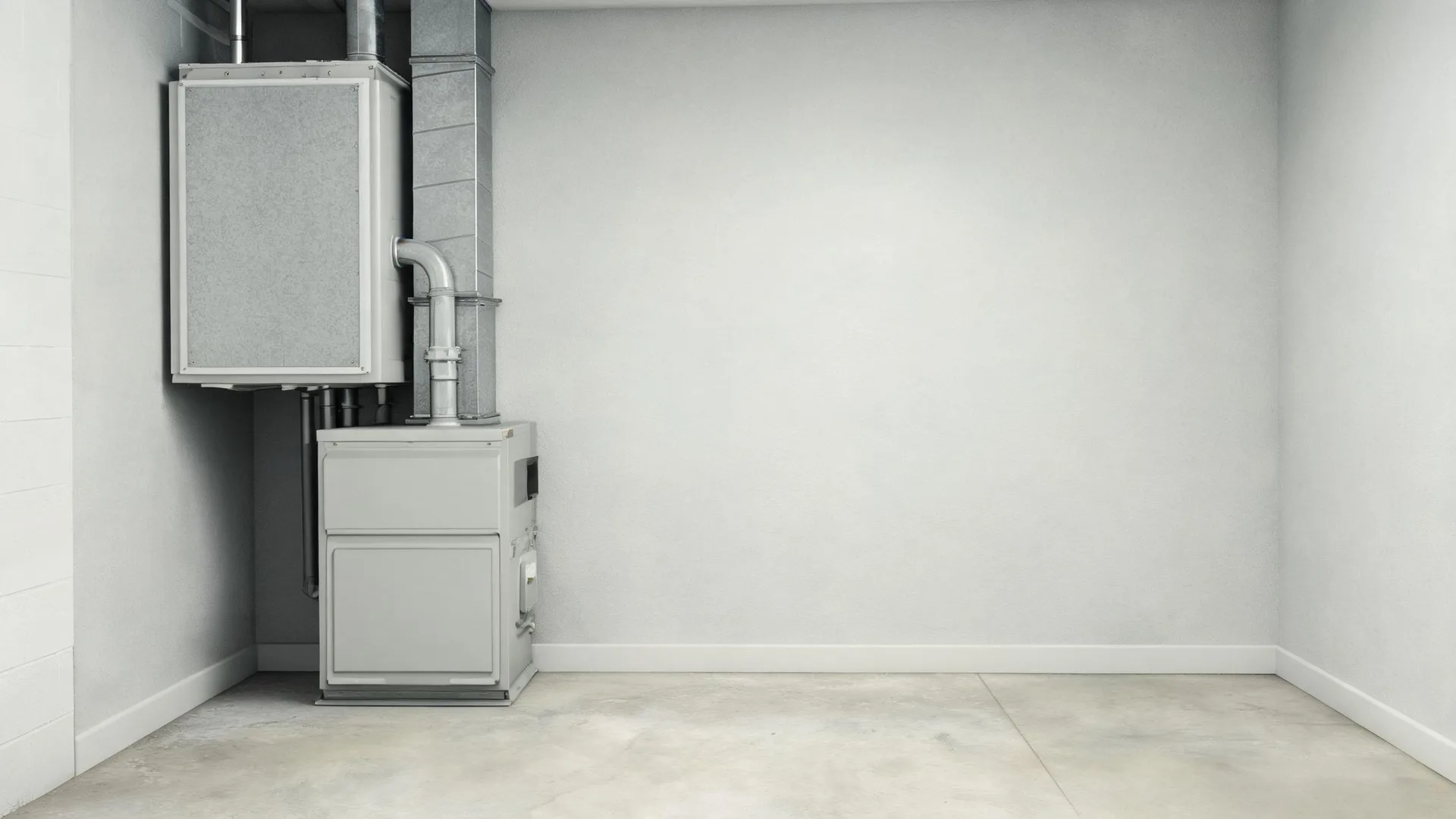
A gray residential gas furnace installed in an unfinished basement, connected to sheet-metal ductwork and PVC pipes.

A light load, with a few hard nights

Five months of heat a year, November through March, is a light load on a furnace. Nights average 37°F through the coldest stretch of winter, nothing close to the kind of cold that pushes a system to its limit night after night. What matters more here is being ready for the winter storms that pass through Union Parish most years. A furnace that runs hard for a few bad nights, then sits idle the rest of the time, doesn't need top-tier efficiency to earn its keep. It needs to start reliably when a storm knocks temperatures down and keep running through it.

The old furnace gets disconnected and hauled off

A gas furnace gets the gas line capped and the vent pipe removed before it comes out. An electric furnace gets disconnected from its circuit. Either way, a working furnace still has scrap value, and most installers take it with them rather than leave it for the homeowner to deal with.
The new furnace doesn't have to match the old one's footprint

Furnaces come in different sizes even at the same output, so the new unit may not sit exactly where the old one did or connect to the ductwork the same way. A contractor sizing the replacement is working from your home's heat loss, not from matching the box that's coming out.

Ask what size furnace each contractor is quoting, and ask how they got there. A furnace sized by square footage alone can end up too big, and an oversized furnace cycles on and off instead of running a steady, even heat. The right way is a load calculation that looks at your windows, insulation and layout. Ask what the warranty covers, parts versus labor, since those often run different lengths. Ask who's doing the actual installation work, the company you're talking to or a sub they bring in. And ask what happens to the ductwork, whether it's being reused as is or checked for leaks and sized to match the new unit, since a furnace can only heat as well as the ducts carrying that air.

Installation day starts with the old furnace coming out and the new one going through the same checks regardless of fuel type. A gas furnace gets a combustion test once it's running, checking that it's burning clean and venting properly, not spilling exhaust back into the house. An electric furnace gets its amp draw checked against what the breaker and wiring can handle. Either way, the ductwork gets connected and the airflow gets checked room by room, since a furnace that's sized right still heats unevenly if the ducts feeding it are too small or leaking. Expect the crew to run the system through a full cycle before they leave, not just fire it once and go. The thermostat gets set up last, once the installer knows the furnace is holding a steady temperature on its own.