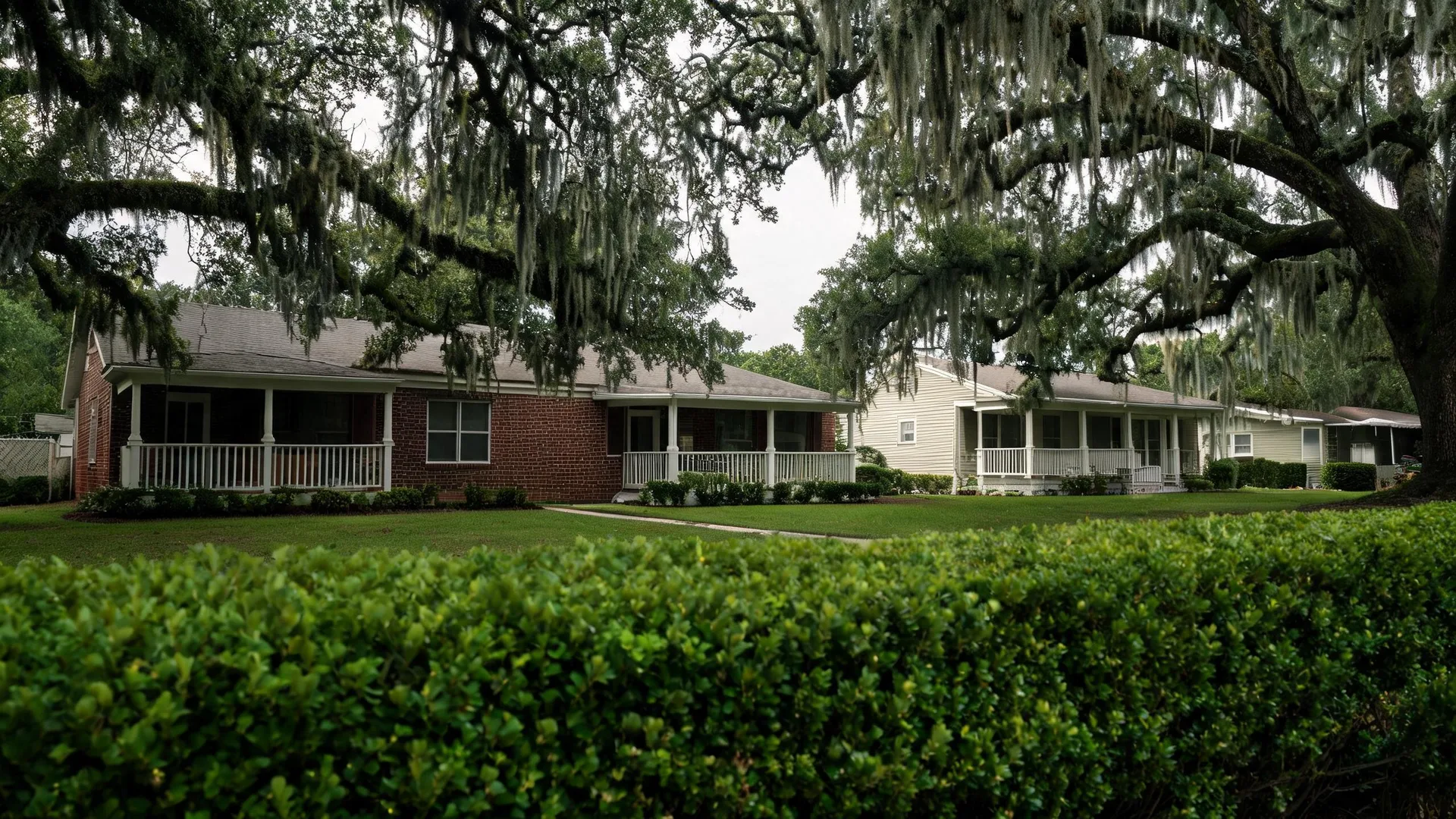





A row of single-story houses with covered porches, the nearest clad in red brick, seen behind a trimmed hedge and lawn beneath large moss-draped oak branches.

Furnace Installation in Baton Rouge, LA

Tell us about the job

Takes about a minute. No obligation.

New system or replacementFurnace or heatingEast Baton Rouge Parish, LA
Step 1 of 2

What ZIP code is the job in?

Most homes in East Baton Rouge Parish heat with electricity, 64.7% of them. Gas heat is far less common here, at 33.3%. That split shows up in what furnace installation means locally. An electric furnace or heat pump setup is the familiar path for most houses, and matching what's already there keeps the installation simpler, since the wiring and ductwork are already built around it. If your home is one of the fewer with gas service, swapping in a new gas furnace still makes sense, but it's worth confirming the gas line and venting can support the new unit before work starts.

5 months
November through March, your furnace is on duty
42°F
the average winter night it heats against
80% AFUE
the federal minimum any new unit must meet
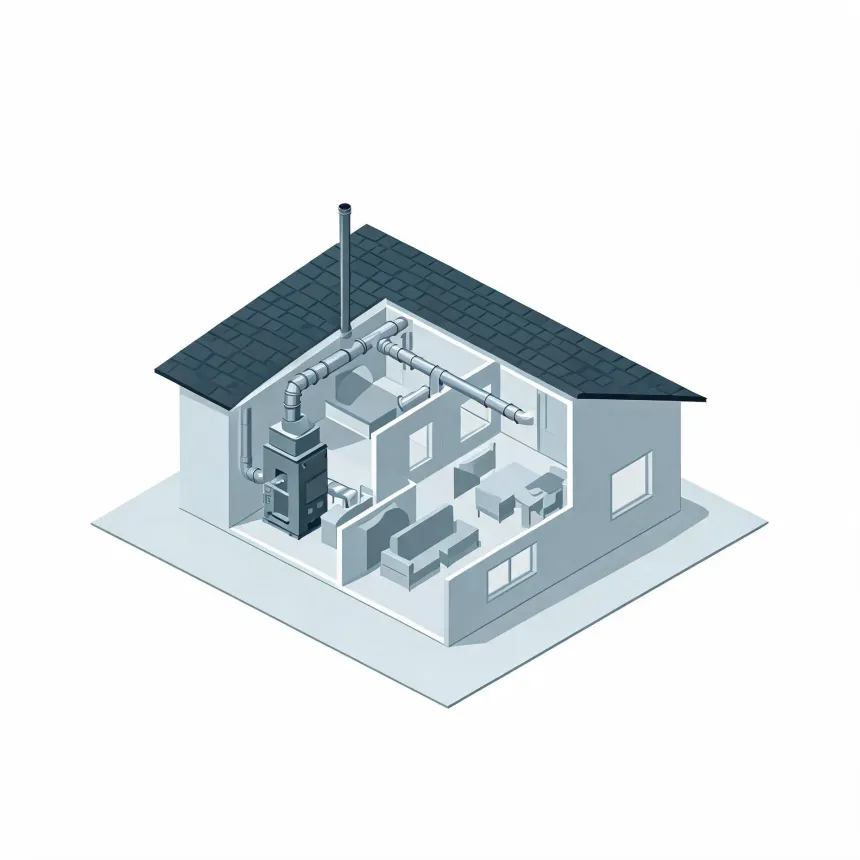
Isometric cutaway illustration of a single-story house with a dark shingled roof, showing a furnace with a flue pipe and branching ductwork running through interior rooms furnished with a sofa, table and chairs.
Your furnace works hardest from December through February.

NOAA nClimDiv, 1991–2020 normals

Furnaces here run November through March.

Have the new one in before October ends, while there's no rush on finding a slot or working around cold nights.

Power here runs $34.38 per million Btu, cheap enough that the most efficient furnace on the lot isn't the one that pays for itself fastest

Heat runs November through March
Winter nights average 42°F
Climate zone 2A

Baton Rouge sits in climate zone 2A, a hot, humid zone where cooling carries most of the load over the year. Furnaces here still have to meet a federal efficiency floor regardless of that. Any non-weatherized gas furnace built from November 2015 on has to hit at least 80 percent AFUE, and that's the standard for what goes into your home today. That floor rises to 95 percent a few years from now, so a unit bought today is held to the lower number, not the one coming later. Given how few heating days this parish sees, the gas furnaces on the market already fit what's required here.

A furnace that fits a mild winter

Five months of heat a year, with overnight lows averaging 42°F in December, January and February, is not hard duty for a furnace. It won't be pushed to its limits here, so a dependable mid-range unit will hold up as well as the highest-efficiency model on the lot.

Find a contractor
A man in a dark long-sleeve shirt and tan work pants carries a waxed canvas tool bag up concrete steps toward a blue front door of a gray-sided house, with potted shrubs nearby.
A gray high-efficiency gas furnace installed in an unfinished basement, surrounded by gas lines, a condensate drain, and sheet-metal ductwork.

What happens to the furnace you're replacing

The old furnace stays connected and running until the new one is ready to take over, so there's no gap where the house goes without heat mid swap. Once it's disconnected, a tech caps the gas line or disconnects the electrical whip before touching the cabinet. A furnace that's run for years usually shows its age on the inside. The heat exchanger can be cracked or scaled. The cabinet can be rusted through at the bottom from condensate. The blower wheel is often caked with dust that's been cutting into airflow for a while without anyone noticing. None of that surprises a tech who pulls old units for a living. The equipment itself gets scrapped. It doesn't get reused or resold. What does carry over to the new furnace is the ductwork, the gas line or circuit, and the thermostat wiring, so the install is mostly about swapping the one part of the system that wears out.

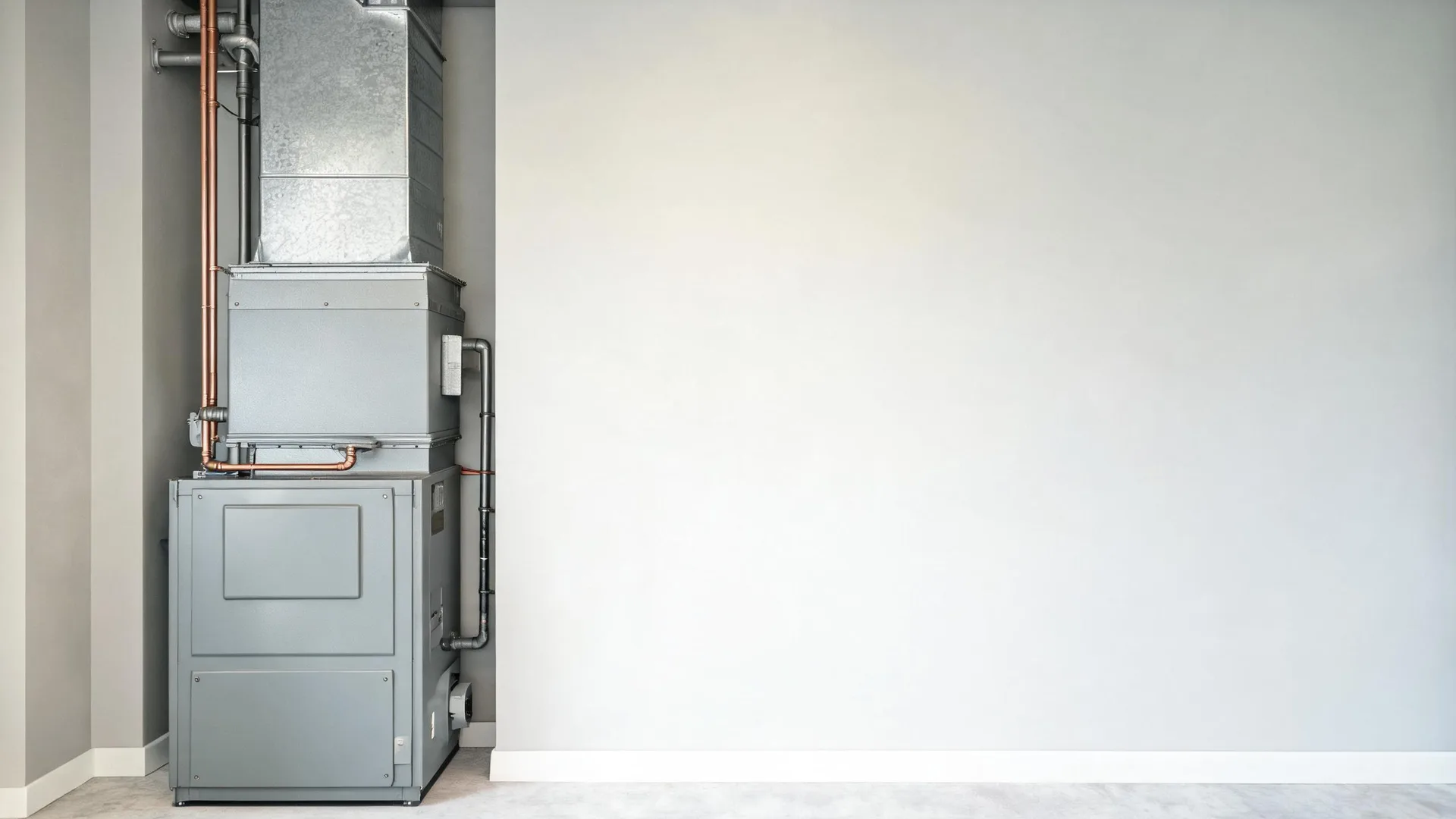
AFUE is the furnace's own number

AFUE tells you how much of the fuel burned turns into heat in the house versus what goes out the flue. It's a rating of the furnace itself, not the ductwork or the thermostat or anything else attached to it. A furnace with a higher AFUE wastes less fuel doing the same job, no matter whose house it's in.
The rating doesn't shrink or grow the furnace

A higher AFUE doesn't mean a furnace heats a bigger house or pushes more air. Sizing is worked out from the house itself, and it has nothing to do with the number on the label. A high-efficiency furnace that's undersized still won't keep up, and an oversized one still short cycles no matter how high its AFUE runs.

The size of the furnace has more to do with price than anything on the label. A unit sized to the house runs a normal cycle and wears evenly. One that's oversized to be safe costs more up front and still short cycles, which wears out the heat exchanger and the blower faster. Venting matters too. A high-efficiency furnace needs venting the older units didn't, and if that's not already in place, running new pipe through the house adds real work on top of the equipment itself. Ductwork plays into it the same way. If the trunk lines and returns already match what the new furnace needs, the installer connects to what's there. If they're undersized or leaky, bringing them up to shape is its own job, separate from setting the furnace in place.

Installation day starts before the old furnace comes out. A tech checks the gas line, the vent, the ductwork and the electrical, because the new furnace has to match what's already there, not just sit where the old one sat. The old unit stays running until the new one is set in place, so the house isn't without heat partway through the swap. Pulling the old furnace, setting the new one, connecting the gas or electrical, sealing the vent and wiring in the thermostat takes up most of the visit. Before anyone leaves, the furnace gets fired up and run through a full cycle. Airflow gets checked at the registers, the flame gets looked at, and the vent gets checked for a proper draw, because a furnace that looks installed right and one that runs right aren't always the same thing until it's been tested.