




A single-story brick house with a dark hipped roof and covered porch, seen from a low angle across a lawn with blurred grass in the foreground, framed by pine trees and a large spreading oak on the right.

Furnace Installation in Ville Platte, LA

Tell us about the job

Takes about a minute. No obligation.

New system or replacementFurnace or heatingEvangeline Parish, LA
Step 1 of 2

What ZIP code is the job in?

Most homes in Evangeline Parish heat with electricity, 71.6% of them. That usually means an electric furnace or a heat pump, not a gas furnace. Utility gas heats 23.8% of homes here, and those are the ones where a gas furnace makes sense to replace like for like. If your home already has a gas line run to it, staying with gas is usually the simpler install. If it doesn't, bringing gas in just for a furnace is a bigger job than swapping an electric unit for another one.

5 months
November through March, your furnace is on duty
42°F
the average winter night it heats against
80% AFUE
the federal minimum any new unit must meet
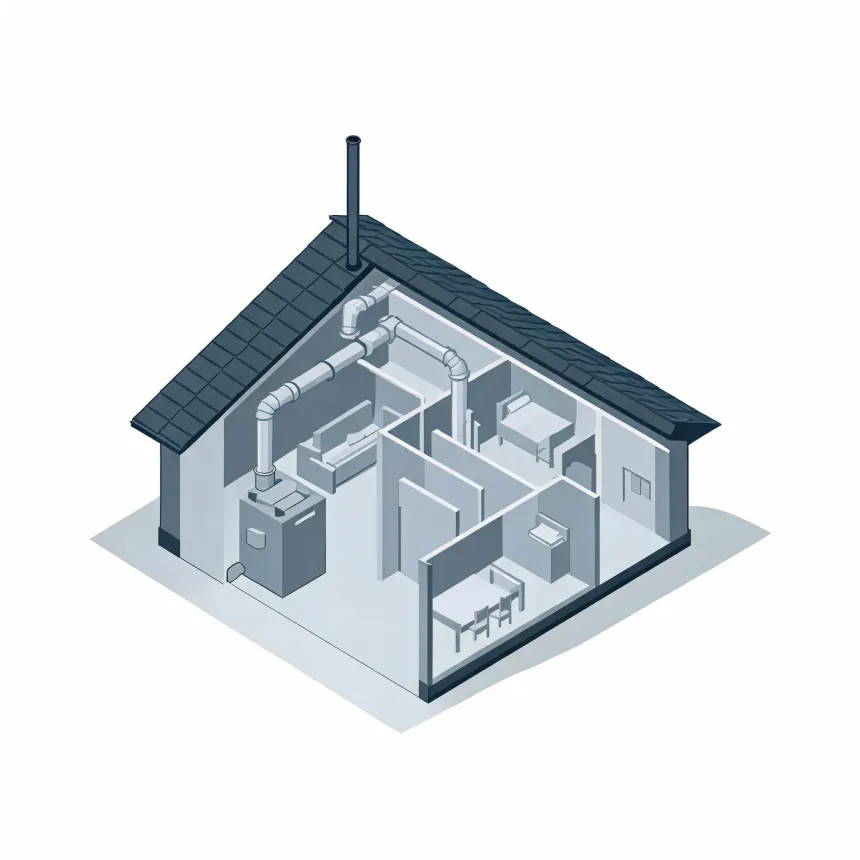
Isometric cutaway illustration of a small single-story house showing interior rooms with furniture, a furnace unit with attached ductwork running to a roof flue, and a dark shingled roof.
Your furnace works hardest from December through February.

NOAA nClimDiv, 1991–2020 normals

Winter here runs about five months, November through March.

A furnace that's built to last matters more than one built for the coldest nights you won't get.

Get it done in October, before November's first cold night

Heat runs November through March
Winter nights average 42°F
Climate zone 2A
Built for Ville Platte, not the coldest day on recordElectricity here runs $34.38 per million Btu, so a furnace that holds up matters more than one built to chase savings

Five months of heat a year is not a hard life for a furnace. Overnight lows average 42°F through December, January and February, so the unit is cycling on mild nights far more than brutal ones. That matters when you're picking a system. Sizing it right for this climate counts for more than chasing the highest efficiency rating on the shelf. Put the money into a furnace with a good repair record and parts that are easy to get, not one built to handle weather Ville Platte doesn't see.

Pick reliable, not top of the line

It won't be worked hard here, so pick a reliable system that fits. You don't need the top efficiency model.

Find a contractor
A man in a cap, gray long-sleeve shirt and tan work pants carries a worn canvas tool bag up porch steps toward a dark gray front door beside a potted shrub.
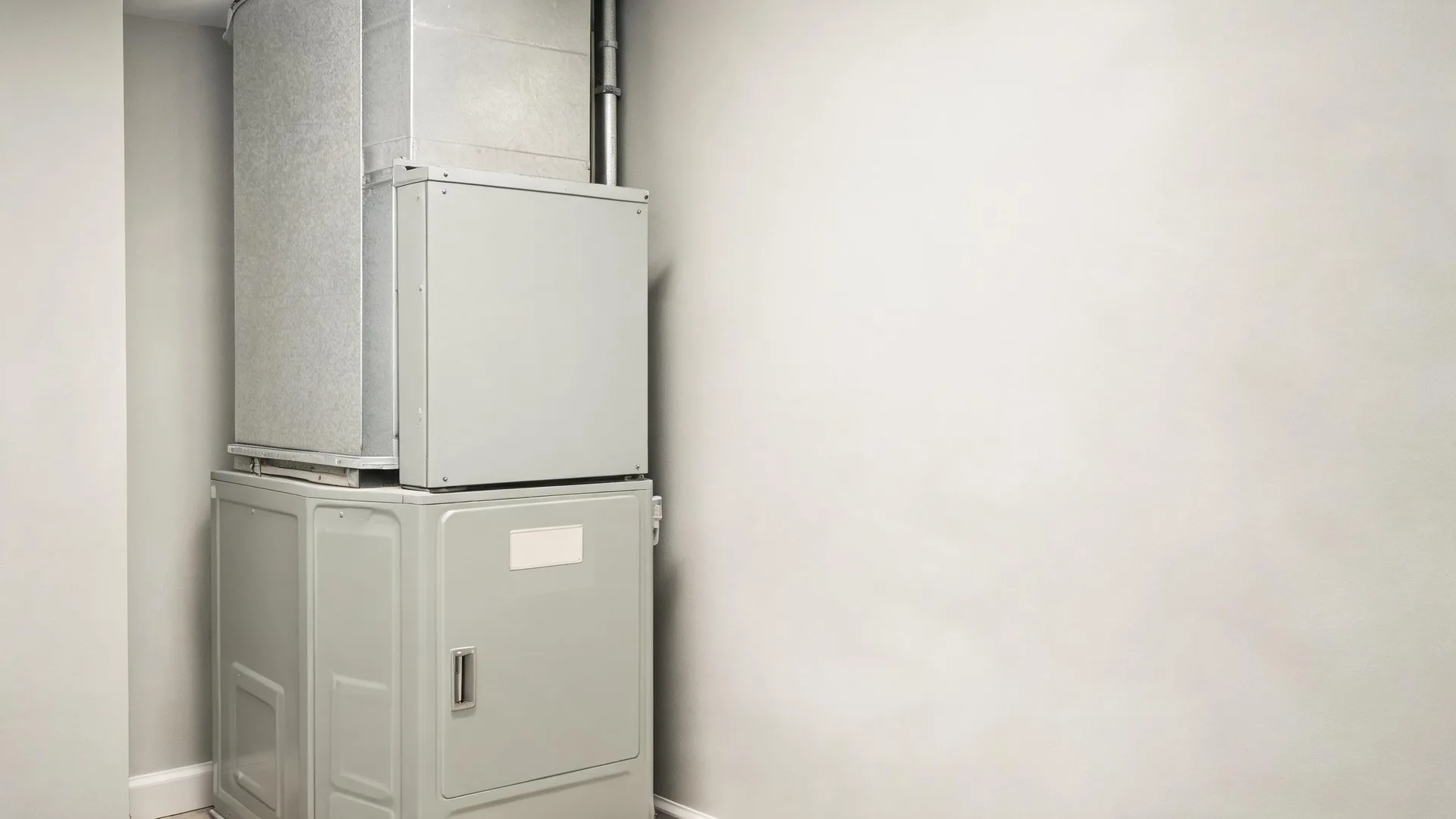
A gray high-efficiency gas furnace installed in an unfinished basement, surrounded by gas lines, a condensate drain, and sheet-metal ductwork.

Five months a year, same unit either way

Half the homes in this parish were built in 1980 or earlier, half in 1980 or later. That split doesn't change what furnace goes in. A load calculation looks at the house in front of it, not the year it was built, so an older home and a newer one can end up with the same size unit. Mobile homes make up a real share of housing here. If yours is one of them, it needs a furnace built and certified for a mobile home, not a standard unit fitted in to make it work.

What AFUE actually measures

The efficiency rating on a furnace is called AFUE, and it tells you how much of the fuel it burns turns into heat in your house versus what goes out the flue. A higher number means less waste, nothing more. It doesn't tell you how long the unit lasts or how often it needs a repair call.
Where the rating stops mattering

A higher AFUE costs more upfront, and it earns that money back through lower fuel use over the years you run it hard. A furnace that only has to take the edge off mild nights doesn't rack up the hours it needs to pay that difference back. Match the rating to how the furnace will actually be used, not to the number on the sticker next to it.

Sizing a furnace comes down to a load calculation, not the square footage of the house. A contractor works through the walls, the windows, the ceiling height and how much insulation is in place, because homes of the same size can lose heat at very different rates. Too big and the furnace short cycles, blasting hot air and shutting off before it evens out the house, which wears on the heat exchanger and leaves rooms feeling stuffy then cold. Too small and it runs constantly on the coldest nights, straining to keep up and never quite getting there. The right size runs long, steady cycles that hold a stable temperature without working harder than the house actually demands.

Installation day starts with the old furnace coming out, along with the old ductwork connections, flue pipe and gas line if the new unit needs different ones. A contractor will seal and check every connection as it goes back together, since a loose duct joint or a bad gas fitting undoes the work of putting in a good furnace. The gas line gets pressure tested before anything is fired up. Once the new unit is set and connected, it gets run through a full cycle, checking the flame, the airflow and the temperature rise against what that model is built for. The last step is walking the thermostat and any settings through with whoever lives there, so the system is tuned to the house rather than left on factory defaults.