Low-angle view along a red brick wall with trimmed shrubs and a mulch bed beside a mown lawn, with a single-story house with a garage door and tall pine trees under an overcast sky in the background.

Furnace Installation in St. Gabriel, LA

Tell us about the job

Takes about a minute. No obligation.

New system or replacementFurnace or heatingIberville Parish, LA
Step 1 of 2

What ZIP code is the job in?

Most homes here run on electric heat

Electricity heats 63% of occupied homes in Iberville Parish, well ahead of utility gas at 31.7%. If your house already has electric heat, a new electric furnace or heat pump matches what's already set up to feed it.

What that means for the install

Swapping an electric furnace for another electric furnace keeps the job straightforward, no new gas line or vent to run. If your home is one of the gas-heated ones, say so early, since that changes what the installer needs to plan for.

5 months
November through March, your furnace is on duty
44°F
the average winter night it heats against
80% AFUE
the federal minimum any new unit must meet
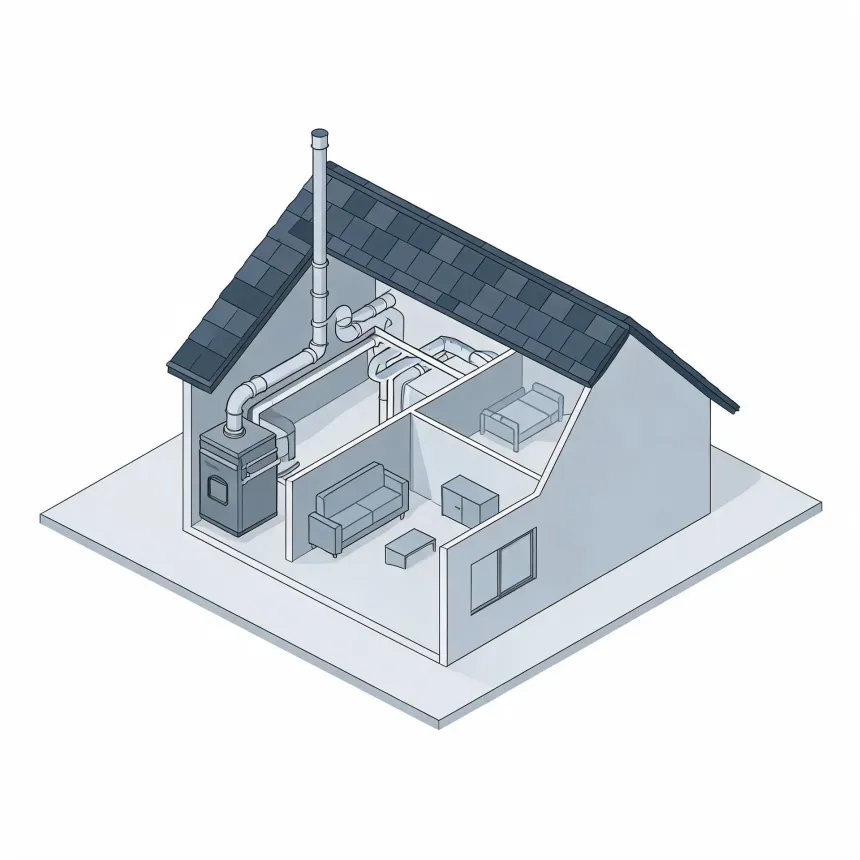
Isometric cutaway illustration of a small gabled house showing a furnace with flue pipe and ductwork connecting to interior rooms containing a sofa, bed, and cabinets.
Your furnace works hardest from December through February.

NOAA nClimDiv, 1991–2020 normals

Furnaces in St. Gabriel start running in November.

October is the month to get a new one in, before you need it to work.

Weather here doesn't change what furnace to install

39 severe weather events from 2015 to 2024
49% of homes statewide lost power a day or more in 2024
14 damaging wind events from 2015 to 2024
Power is cheap in St. GabrielElectricity ran $34.38 per million Btu in Louisiana in 2024, so a high-efficiency furnace earns its keep slower here

Five months of heat a year is a short season for a furnace to work. Overnight lows average 44°F in December and January, cold enough to run the heat but nowhere near what pushes a furnace hard. A furnace here isn't straining to keep up most nights, and that eases the case for a new one. Age and neglect wear a furnace out faster than a mild winter ever will. What matters more than squeezing out the last point of efficiency is picking a system sized right for your house and installed correctly.

A standard furnace, sized right, is what this job needs

Half the homes in Iberville Parish were built in 1986 or earlier, half later. That mix doesn't call for a bigger or more efficient furnace, just one sized to the house you actually have. A licensed installer sizes it off your square footage and layout, not the parish's age.

Find a contractor
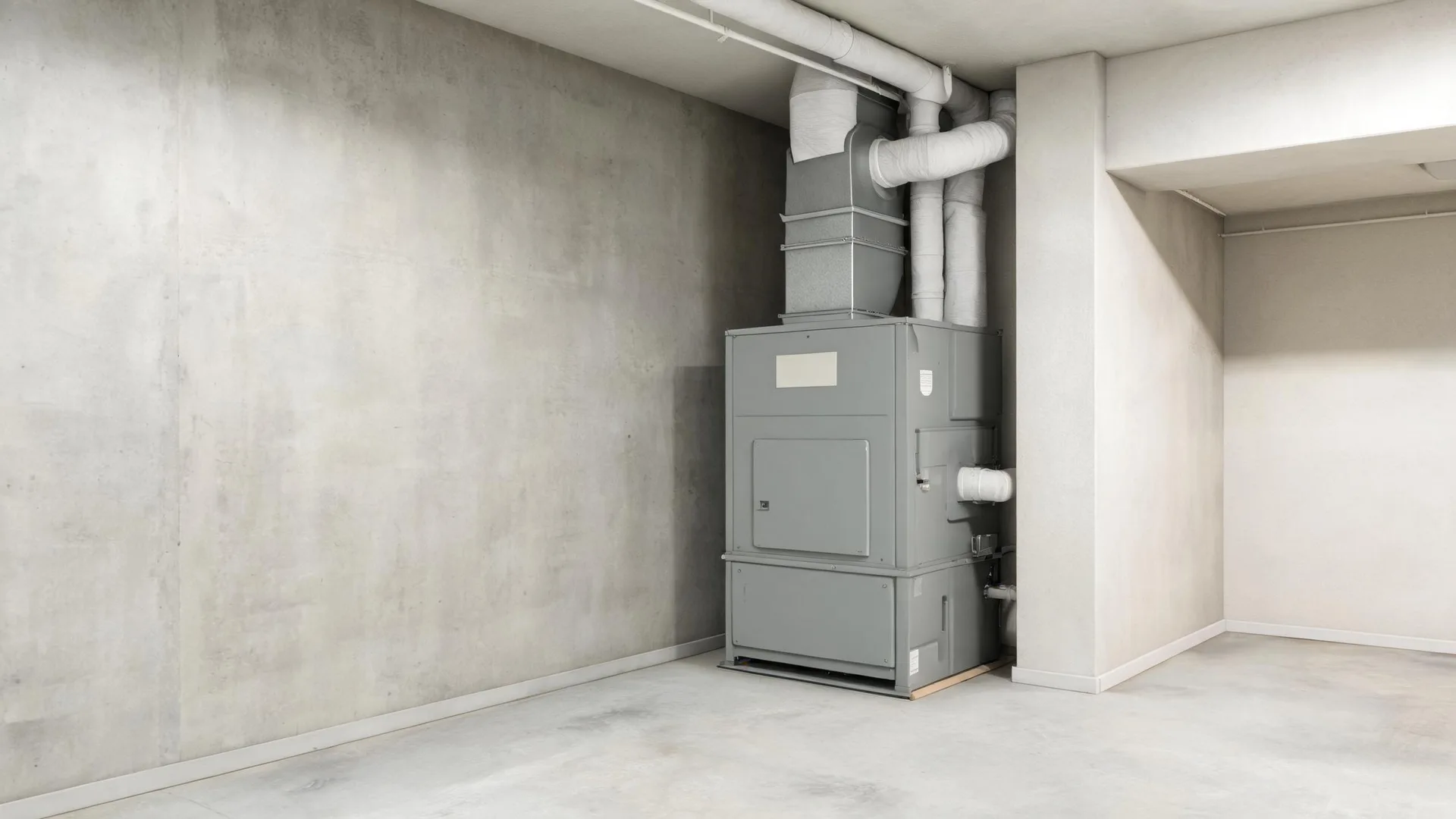
A gas furnace with attached ductwork, gas piping, and condensate lines installed in a concrete-block basement.

Short season, light load

Five months of work a year, and most of those nights only down around 44°F. That's a short, light schedule for a furnace to run on. A mid-range furnace put in right will cover that load for a long time. What wears a furnace out early is usually a bad install or skipped maintenance, not the parish asking too much of it.

What the rating actually measures

The efficiency rating on a furnace tells you how much of the fuel it burns turns into heat for the house, versus how much goes out the vent. A furnace with a higher rating pulls more heat out of the same flame before the exhaust leaves. It says nothing about how big a furnace is or how fast it heats the house, only how much it wastes doing it.

Why the number on the label isn't the whole bill

A high rating only pays off if the furnace runs enough hours to earn back what it costs over a standard model. A furnace sized wrong for the house will run more than it should and waste the advantage, no matter what the label says. Correct sizing and a tight, well-sealed duct system do more for a furnace's real-world performance than chasing a higher rating on the sticker.

Ask each installer to walk you through how they sized the unit, not just what size they landed on. A load calculation looks at your square footage, your windows, your insulation, and your layout. Different installers can land on different numbers for the same house, and the one who skips this step is guessing. Ask what happens to your existing ductwork. A new furnace pushed through old, leaky, or undersized ducts won't heat the house the way the label promises, no matter how good the unit is. Ask what's included in the install itself. New venting if it's needed, a new thermostat, any duct sealing or modification, and what happens if something's wrong with the ducts once they're in there. The furnace is one part of the job. The install is the rest of it.

Installation day starts with the old furnace coming out, not the new one going in. The installer disconnects the gas line or the electric circuit feeding it, pulls the unit, and checks what's underneath and around it before anything new goes in. If the ductwork connects somewhere different or the new furnace has a different footprint, that gets sorted before the new unit is set in place. Venting comes next if the furnace needs it, run and sealed correctly so exhaust actually leaves the house. Then the furnace is wired or connected to gas, the ducts are tied in, and the thermostat gets set up and tested. Before the installer leaves, the system should run through a full cycle while someone checks the airflow at the vents and confirms the furnace fires, heats, and shuts off the way it's supposed to.