Two single-story houses, one brick and one with light siding, both with covered front porches, set behind a mowed lawn and a tall green hedge under large moss-draped oak trees.

Furnace Installation in DeRidder, LA

Tell us about the job

Takes about a minute. No obligation.

New system or replacementFurnace or heatingBeauregard Parish, LA
Step 1 of 2

What ZIP code is the job in?

The size has to match the house

A furnace that's too big for the space will short cycle, kicking on and off before it ever warms the place evenly. One that's too small will run constantly and still struggle on a cold morning. Getting the size right takes a load calculation, not a guess based on the old unit or the square footage alone.

The ductwork decides more than the furnace does

A new furnace pushing air through old, leaky or undersized ducts won't perform the way it's rated to. If the ducts need sealing, resizing or extra returns to carry the new unit's airflow, that work gets priced in alongside the furnace itself.

5 months
November through March, your furnace is on duty
42°F
the average winter night it heats against
80% AFUE
the federal minimum any new unit must meet
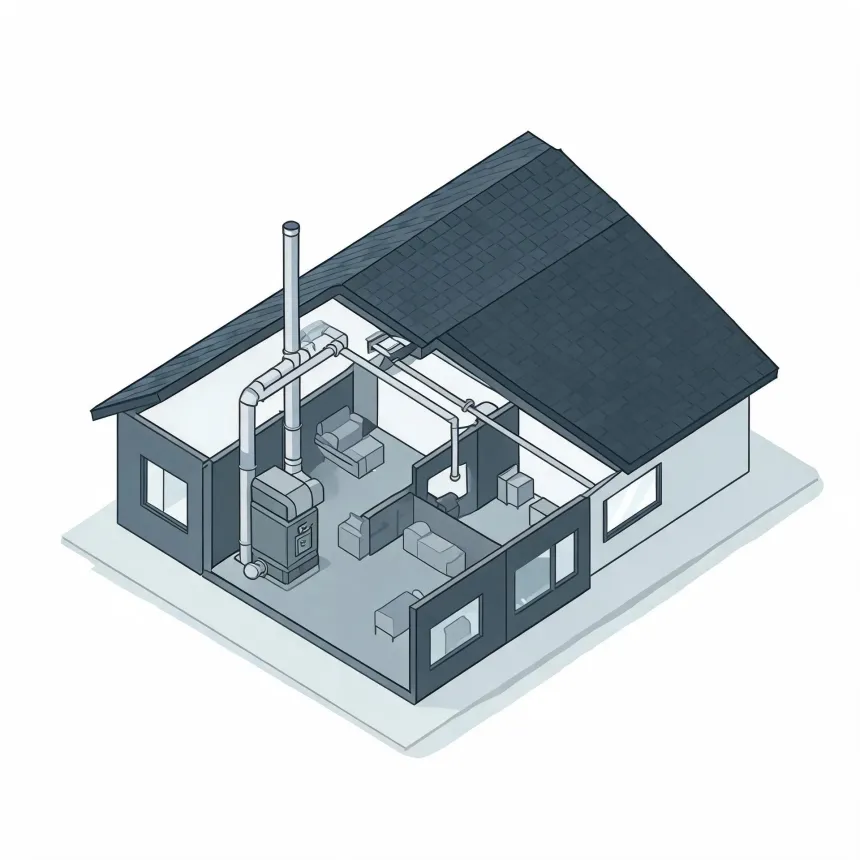
Isometric cutaway illustration of a single-story house showing interior rooms with furniture, a furnace unit connected to ducting and vertical flue pipes running through the roof.
Your furnace works hardest from December through February.

NOAA nClimDiv, 1991–2020 normals

Electricity heats 75.4% of homes in Beauregard Parish.

Gas furnace installs here are more often a new gas line and setup than a straight swap.

October is the month to get it done, before heat season starts in November

Heat runs November through March
Winter nights average 42°F
Climate zone 2A
A furnace that doesn't work hardHeat runs five months here, November through March, with overnight lows averaging 42°F in winter.

Electricity here runs $34.38 per million Btu, and most homes in the parish already heat with it. That changes the math on which furnace to install. A high-efficiency gas model costs more up front and takes longer to earn that back when power is this cheap to begin with. What matters more is picking a unit sized right for the house and a contractor who installs it correctly. If you're on electric heat already, a heat pump or electric furnace sized to the load will serve you better than chasing an efficiency rating built for places where fuel costs more.

A new furnace has to meet the standard for this zone

Any non-weatherized gas furnace sold today has to hit at least 80 percent AFUE, and that floor jumps to 95 percent for units built after December 2028. Zone 2A rules also shape what can go in here. A federal tax credit is available for qualifying high-efficiency equipment, worth checking against whatever gets installed.

Find a contractor
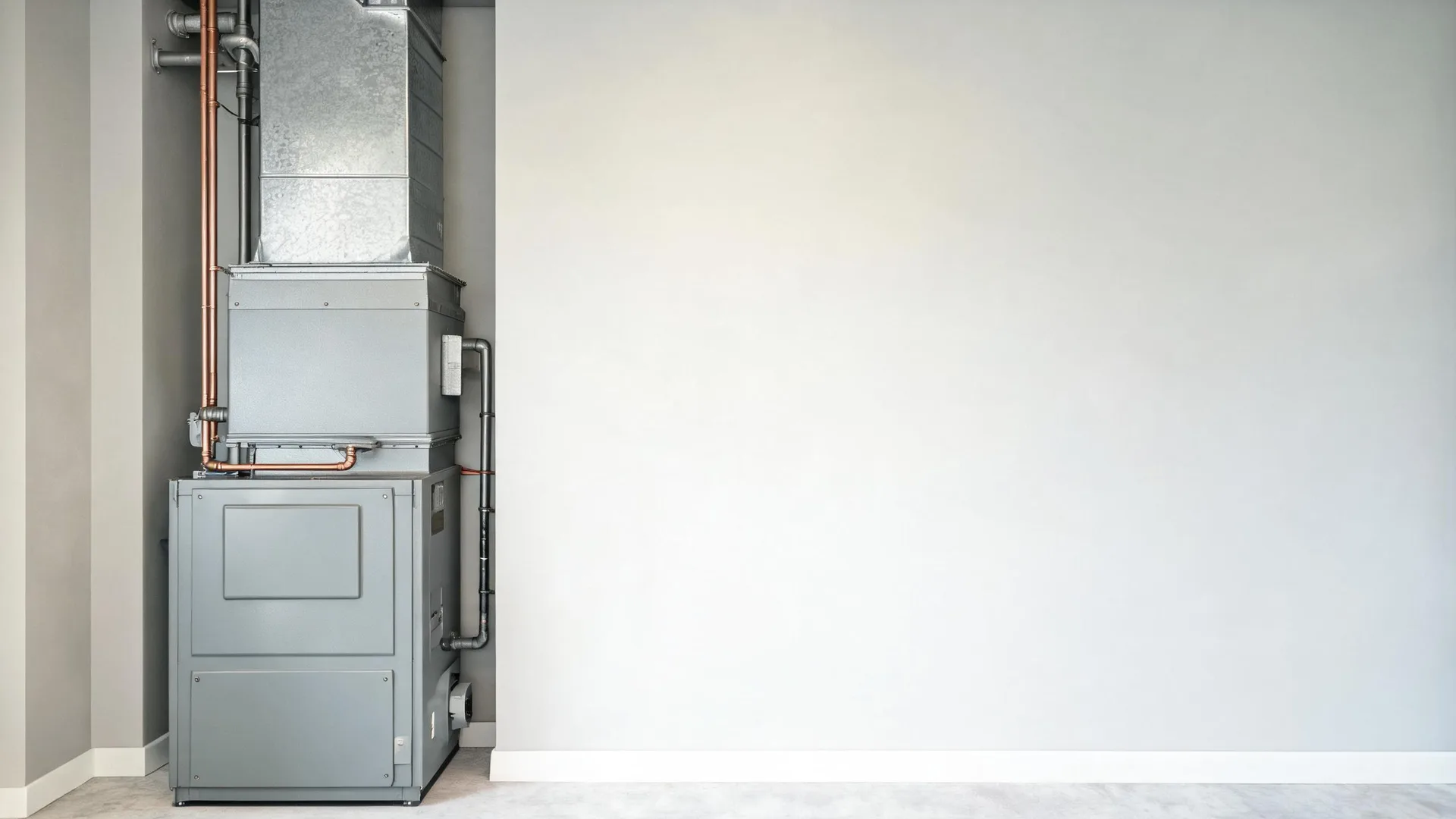
A gray high-efficiency gas furnace installed in an unfinished basement, surrounded by gas lines, a condensate drain, and sheet-metal ductwork.

Ask how it runs on the coldest morning, not the mildest one

Ask what happens on the coldest morning, not the mildest one. Any furnace can hold a room at temperature when it barely has to run. The real test is how it performs when it has to run most of the hour, hour after hour, because that's when a bad install or the wrong size shows up. Ask what the duty cycle looks like at design temperature, and whether the contractor ran a load calculation or sized off the old unit. Ask how long the heat exchanger is expected to last under daily cycling, since that part takes the most thermal stress of anything in the cabinet. A furnace that short cycles puts more wear on the igniter and the blower motor in one winter than a properly sized one sees in several, because starting and stopping draws harder on both than steady running does.

The old furnace gets disconnected and hauled off

Pulling the old unit means capping or disconnecting the gas line, detaching the flue or vent pipe, and disconnecting the electrical and the ductwork connection at the plenum. A furnace isn't something you leave sitting disconnected in the basement or closet. Removing it is part of the install, not a separate job.

The flue venting often changes with the swap

An older furnace may vent through a metal flue shared with a water heater, sized for how that old unit burned gas. A new high-efficiency furnace vents differently, often through PVC pipe straight out a sidewall instead of up through the roof. If the new furnace no longer uses that old flue, whatever else was venting through it needs a new path too.

AFUE is the number on the furnace's label, and it tells you what share of the fuel burned actually turns into heat inside the house instead of going out the flue. A higher number means less fuel wasted, but it comes from a different burner design and a different venting setup, not just a better coil bolted onto the same furnace. That's why moving from a standard-efficiency unit to a high-efficiency one usually means new venting too, often PVC pipe instead of a metal flue. The rating also only describes the burner. It says nothing about how evenly the house heats or how long the furnace has to run to get there. A high-efficiency furnace still needs the right size for the house and ductwork that can move the air it produces, or that efficiency never shows up where it matters.

Install day starts with the old furnace still connected and running. The gas gets shut off and the unit gets pulled once the new one is on site. From there it's mostly mechanical work. The new furnace gets set in place, the ductwork gets tied into the plenum, the gas line gets run, and whatever venting the new unit needs gets hung. Electrical and thermostat wiring come last, before the startup check. That check matters as much as anything before it. A tech fires the furnace, checks the gas pressure, measures the temperature rise across the heat exchanger, and confirms the blower is moving the right amount of air. A furnace that looks installed but was never tested properly is the one that comes back as a service call in the first cold snap.