




An unfinished basement interior featuring a large metal furnace unit, exposed ceiling joists, concrete walls, and scattered boxes and cables on the floor.

Furnace Installation in Jennings, LA

Tell us about the job

Takes about a minute. No obligation.

New system or replacementFurnace or heatingJefferson Davis Parish, LA
Step 1 of 2

What ZIP code is the job in?

Most homes in Jefferson Davis Parish heat with electricity, at 71.1%. Gas furnaces are far less common, with utility gas heating 25.3% of homes and propane another 3.1%. If your house already has an electric furnace or heat pump, matching that setup is usually the straightforward path, since the wiring and ductwork are already built around it. Switching fuel types for a new install means bringing in gas line work or electrical changes that a like-for-like swap doesn't need.

5 months
November through March, your furnace is on duty
44°F
the average winter night it heats against
80% AFUE
the federal minimum any new unit must meet
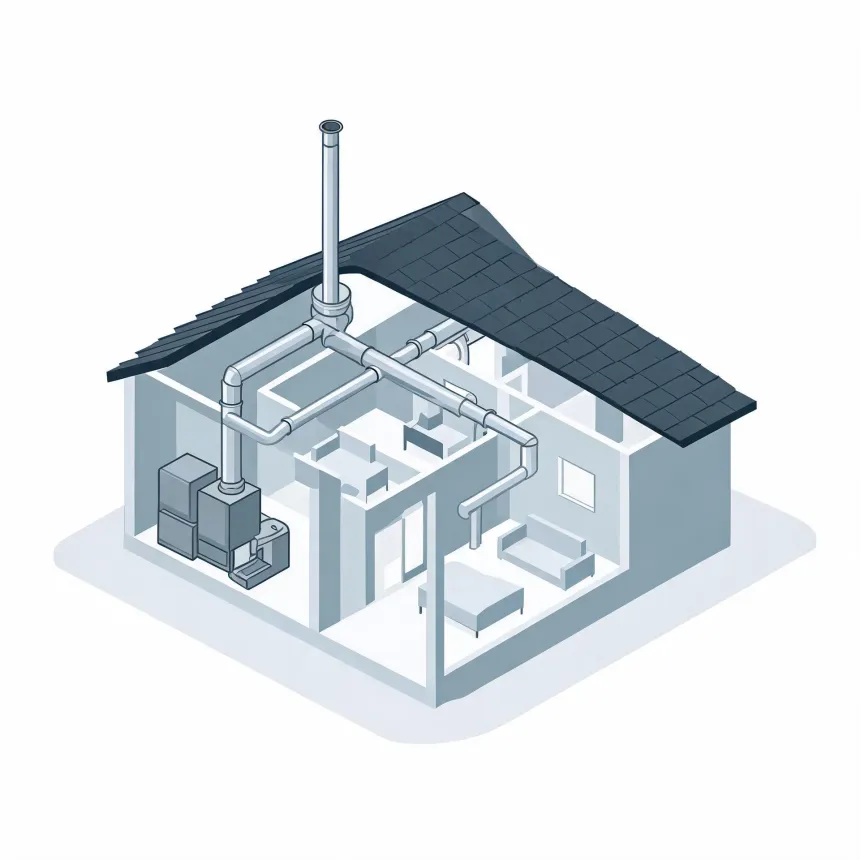
Isometric cutaway illustration of a small house showing a furnace unit connected to ductwork and a vertical flue pipe extending through the dark shingled roof, with sparse furniture in the rooms.
Your furnace works hardest from December through February.

NOAA nClimDiv, 1991–2020 normals

Jefferson Davis Parish sees its share of high wind and tornadoes.

None of that changes what size furnace this house needs. A standard install is the right call.

Electricity here runs $34.38 per million Btu, so the priciest high-efficiency furnace isn't the one that pays for itself fastest

Heat runs November through March
Winter nights average 44°F
Climate zone 2A

October is the month to get this done. Heat comes on in November here and runs through March, so waiting until the cold sets in means doing this in a hurry, maybe without heat for a few days while it gets sorted out. Go in October and the crew isn't racing the weather. There's time to size the job right and order the furnace that actually fits the house, not whatever's sitting on the shelf. Five months of running every day will show a bad install fast, so it's worth starting clean.

This furnace won't work hard here. Size it right and skip the upgrade.

Five months of heat a year, and overnight lows averaging 44°F, is a light load for a furnace. It won't be cycling hard or running long hours most winters. A dependable, correctly sized furnace will handle this house fine without paying extra for a high-efficiency model built for harder climates.

Find a contractor
A man in a dark long-sleeve shirt, tan work pants and a cap climbs porch steps toward a gray door, carrying a canvas tool bag in his right hand, with a potted shrub to the right.
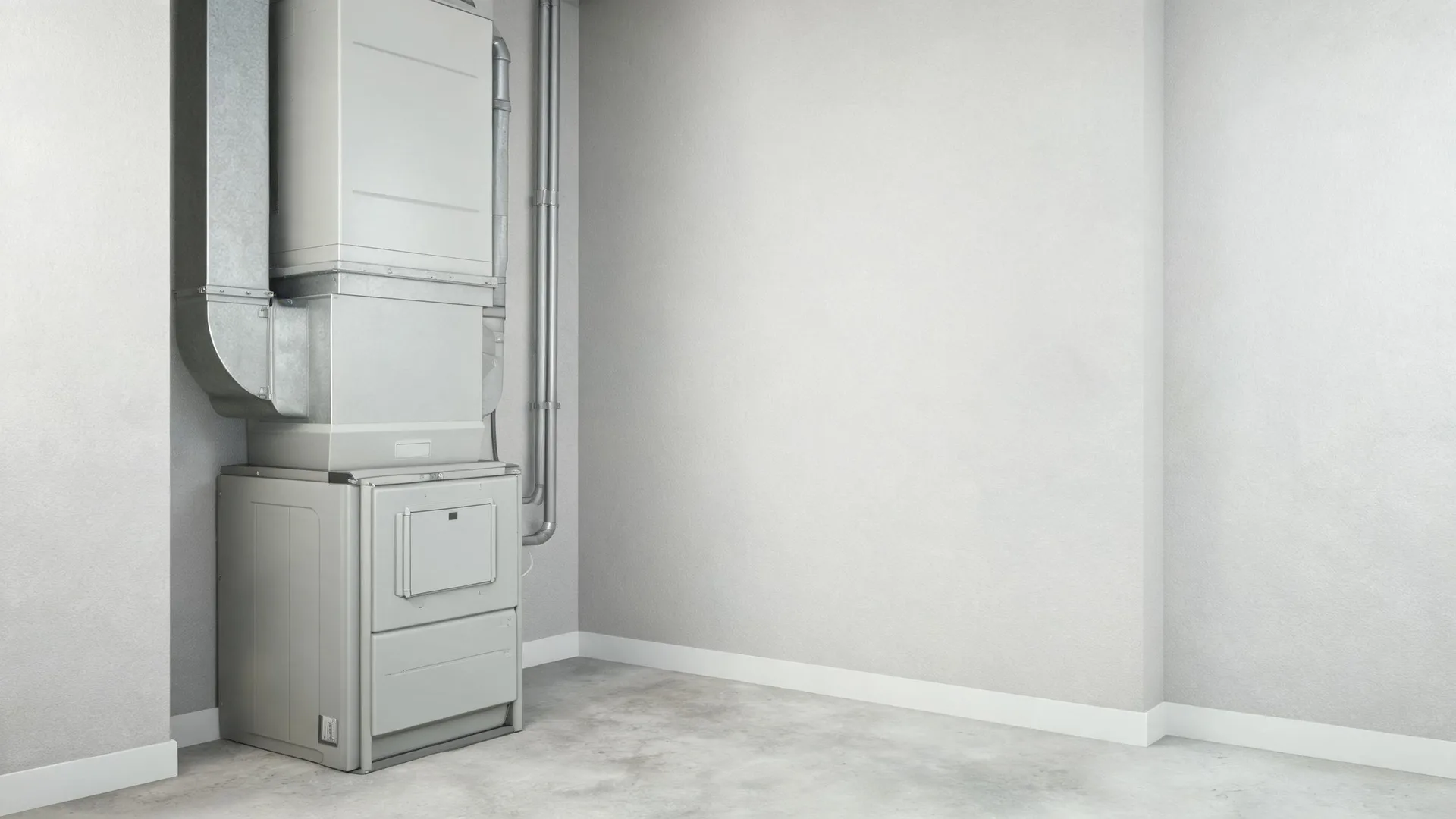
A gas furnace with attached ductwork, gas piping, and condensate lines installed in a concrete-block basement.

Old house or new, the furnace size doesn't change

Half the houses in Jefferson Davis Parish were built in 1980 or earlier, half later. Age doesn't change what a furnace needs to do here. A unit sized to the house's square footage and duct layout works the same regardless of when the place went up. Mobile homes are close to a fifth of the housing in the parish, and those need a furnace listed for mobile home installation, which is a different rating than what goes into a site-built house. Outside of that, nothing about the housing here calls for anything other than a standard furnace sized to the house.

Bigger isn't better

A furnace too big for the house heats the air fast, shuts off, then sits idle until the room cools again. That short cycling never lets the system settle into a steady run, so rooms end up with hot and cold spots and the furnace wears out its parts faster from all the starting and stopping.
The load calculation

Sizing a furnace right means a contractor works out how much heat the house actually loses, based on square footage, window area, insulation and duct layout, room by room. That number points to the right size furnace. Going by the old unit's size or a rule of thumb skips the part that actually matters.

The efficiency rating on a furnace, AFUE, tells you how much of the fuel burned turns into heat in the house versus what goes out the flue. A furnace rated higher wastes less fuel doing the same job. That's the whole thing. It doesn't tell you how big a furnace to buy, how long it lasts, or how well it heats a particular room, and a high AFUE unit still needs to be sized to the house to run right. For a gas furnace specifically, a higher AFUE usually means a different venting setup, since more of the exhaust heat stays in the system instead of going up a hot flue. That's a real difference in installation, not just a number on a sticker.

Install day starts with the old furnace coming out, along with any venting or ductwork that doesn't fit the new one. The new unit gets set in place. Then the ductwork, the gas line or electrical, and the venting all get connected to it. Every connection gets tested. Gas pressure, electrical draw, airflow through the ducts, all of it checked before the job is called done. Once it's running, the flame and exhaust get checked too, to confirm the furnace is burning clean and venting the way it should. A thermostat gets wired in if it's being replaced. Before anyone leaves, the system should run a full cycle on its own, heating up and shutting off, so any issue shows up while there's still time to fix it that day.