





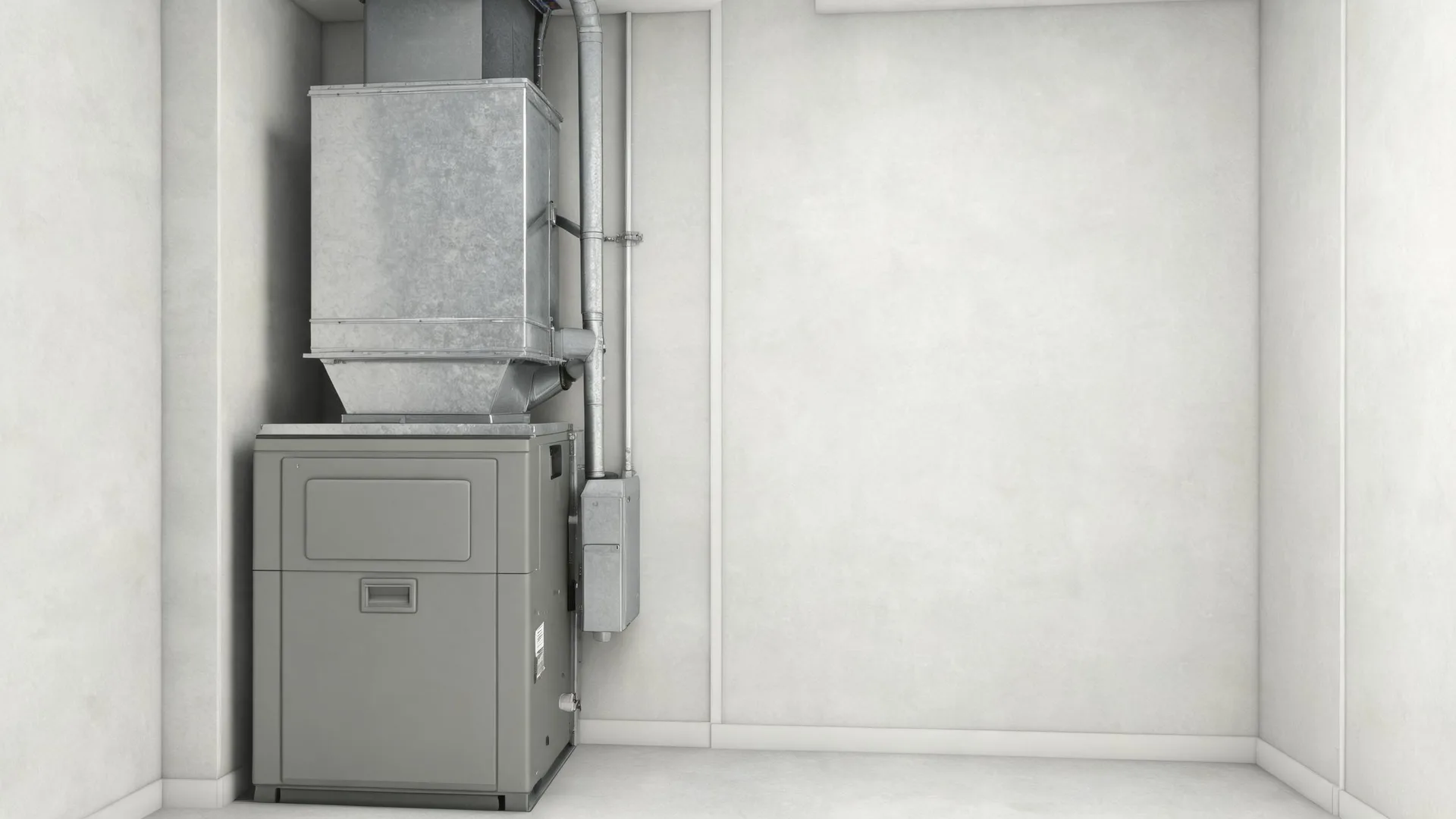
A gas furnace with sheet-metal ductwork and PVC pipes installed in an unfinished basement.

Furnace Installation in Luling, LA

Tell us about the job

Takes about a minute. No obligation.

New system or replacementFurnace or heatingSt. Charles Parish, LA
Step 1 of 2

What ZIP code is the job in?

Louisiana electricity ran $34.38 per million Btu in 2024, cheap compared to most of the country. That changes the math on a furnace. The top-efficiency model costs more up front and takes longer to earn that back through lower bills, since there's less to save on power here in the first place. For a lot of homes in Luling, a mid-efficiency furnace that holds up through storms and comes back on fast after an outage is worth more than a few extra points of efficiency. Worth asking an installer what fits your situation before paying for a tier you may not need.

4 months
November through February, your furnace is on duty
46°F
the average winter night it heats against
80% AFUE
the federal minimum any new unit must meet
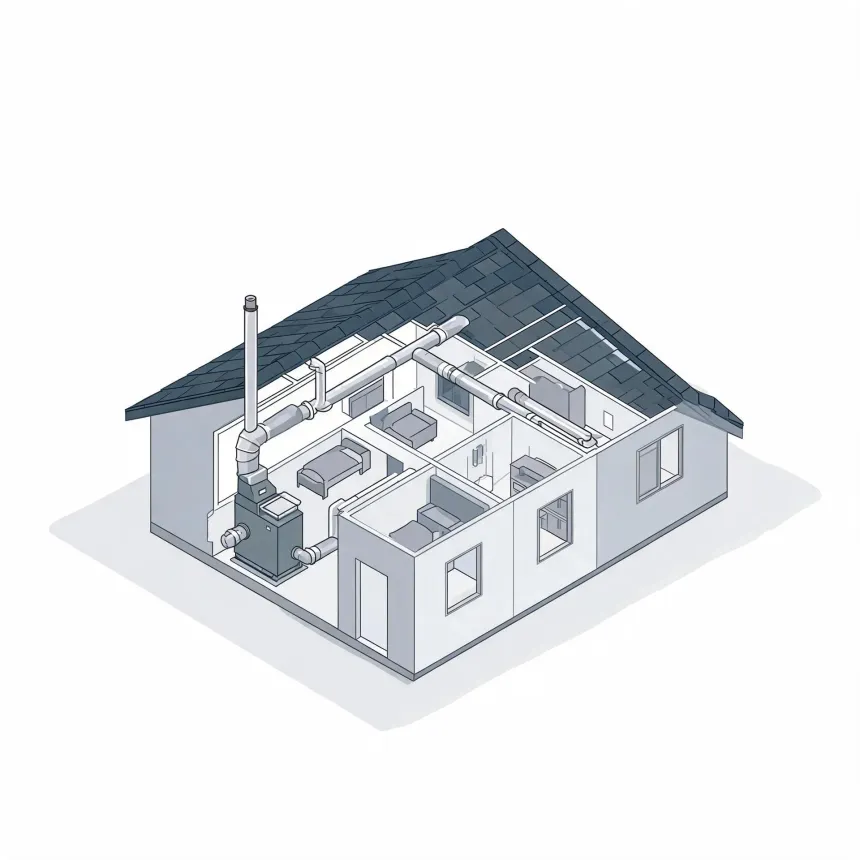
Isometric cutaway illustration of a single-story house showing interior rooms with furniture, ceiling ductwork, a furnace unit with a tall flue pipe, and a dark shingled roof.
Your furnace works hardest from December through February.

NOAA nClimDiv, 1991–2020 normals

Furnaces in Luling start working in November and run through February.

Have the new furnace in before October ends, so it's installed on a calm day instead of a cold one.

Four months of mild cold is not much to ask of a furnace

Heat runs November through February
Winter nights average 46°F
Climate zone 2A

Electricity heats 57.7% of homes in St. Charles Parish, and utility gas heats 41.7%. Those are the two options most installers around here are working with. If your old furnace ran on gas, keeping the gas line and venting you already have is usually the simpler job. If the house is on electric heat, a new electric furnace or heat pump means no gas work at all. Matching what's already feeding the house tends to be less involved than switching fuels. Worth asking an installer which setup your home has before you decide.

The 80 percent minimum still applies, for now

Any furnace installed here now has to hit 80 percent AFUE at minimum, the federal floor for gas furnaces. That minimum rises to 95 percent at the end of 2028. A furnace installed before then can still be a standard-efficiency model.

Find a contractor
A man in a gray t-shirt, tan work pants and brown boots, seen from behind, climbs steps toward a dark front door while carrying a canvas tool bag holding a tape measure and screwdrivers, with a potted flowering shrub beside the entry.
A gray residential gas furnace installed in an unfinished basement, surrounded by ductwork, a metal flue pipe, and a gas supply line.

Built for a mild low, not a hard freeze

Overnight lows average 46°F through December, January and February, the coldest the air here gets. A furnace sized for that doesn't need to be built for much worse. When you're comparing models, let the installer size it to what this place actually asks of it rather than paying for capacity built for colder states.

Sizing the furnace drives the cost

A furnace has to be sized to the house, the ductwork, and how much heat escapes through the walls and windows. An installer should run a load calculation rather than just matching the old unit's number. Too big and the furnace short cycles, wearing out parts faster. Too small and it runs constantly without keeping up. The right size costs what it costs, but getting it wrong costs more later in repairs or wasted fuel.
The ductwork decides how much work this is

If the existing ducts are the right size and in good shape, a new furnace can often connect to what's already there. If they're undersized, leaky, or laid out wrong for the new unit, that work gets added to the job. Venting matters too. A higher-efficiency furnace may need different venting than the old one, which can mean new pipe runs through the house. None of that shows up until someone's actually in there looking at it.

The old furnace doesn't just get unplugged and left. Disconnecting it means capping the gas line and pulling the vent connection, and if it's a standard-efficiency unit, that venting is different from what a high-efficiency furnace needs. Whoever does the install should be the one who takes the old unit out, since they're already dealing with the same gas and vent connections. Freon isn't part of this, that's the air conditioner's concern, but an old furnace can still have a cracked heat exchanger or failed igniter worth asking about if you want to know why it quit. Most installers haul the old unit away as part of the job rather than leaving it for the homeowner to deal with.

Installation day starts with the old furnace shut down and disconnected before anyone touches the new one. From there it's setting the new unit, connecting the ductwork, running the vent pipe, and hooking up the gas line and electrical. Once it's in place, the installer checks the gas pressure and confirms the vent is pulling correctly. Ignition gets tested more than once before anyone calls it done. The furnace doesn't just need to turn on. It needs to cycle properly, hit the right temperature rise, and shut off the way it's supposed to. A good installer walks you through the thermostat and points out the filter before leaving. Most of the day is that kind of checking, not the setting of the unit itself.