A nighttime street scene featuring a row of lit white colonial-style houses with wrap-around porches, flanked by oak trees draped in Spanish moss.

Furnace Installation in Thibodaux, LA

Tell us about the job

Takes about a minute. No obligation.

New system or replacementFurnace or heatingLafourche Parish, LA
Step 1 of 2

What ZIP code is the job in?

Storms come through often here

Lafourche Parish saw 49 severe weather events between 2015 and 2024, including wind, hail, tornadoes and hurricanes. A furnace sits indoors, but the vent and any outdoor equipment tied to the system face whatever comes through.


Power is the real risk to heat

A gas furnace still needs electricity to run the igniter, blower and control board. Statewide, 49% of Louisiana households lost power for at least 24 hours in 2024. Worth asking about backup power for the system before the next outage, not during it.

4 months
November through February, your furnace is on duty
47°F
the average winter night it heats against
80% AFUE
the federal minimum any new unit must meet
Isometric grayscale illustration of a cutaway house showing an interior furnace with a tall flue pipe and ductwork running to rooms under a partially lifted roof.
Your furnace works hardest from December through February.

NOAA nClimDiv, 1991–2020 normals

Electricity in Louisiana ran $34.38 per million Btu in 2024, cheaper than most states.

A high-efficiency furnace costs more up front and takes longer to earn that back here, so pick one for how it holds up, not just its rating.

Four months of heat, with plenty of time to plan ahead

Heat runs November through February
Winter nights average 47°F
Climate zone 2A

Thibodaux sits in climate zone 2A, a hot, humid zone where cooling carries most of the year's load. Any furnace installed here still has to meet the federal minimum for the day it's built. Right now that's 80 percent AFUE. New furnaces built from December 2028 on will have to hit 95 percent. With heat as the smaller load here, there's less reason to chase a rating well above that minimum. Spend the difference instead on a system that holds up through what this parish sees.

A standard furnace, sized right, is what this parish needs

Half the homes in this parish were built in 1982 or earlier, half in 1982 or later. That spread does not point to a bigger furnace or a higher rating, just a properly sized one for the house it's going into, mobile home or not. Put the planning into how it holds up when the power goes out, not into chasing a number past what this parish needs.

Find a contractor
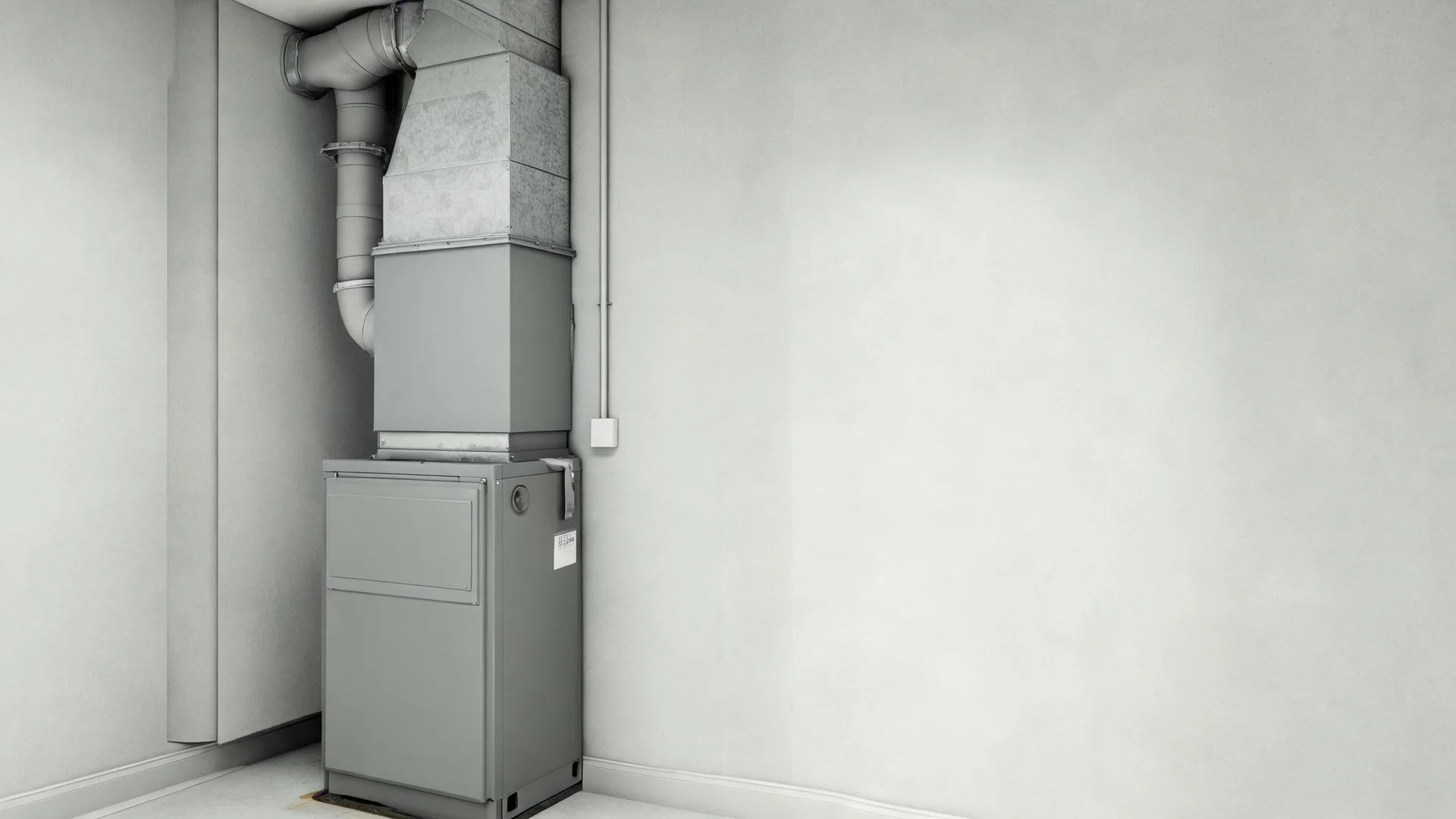
A gray residential gas furnace installed in an unfinished basement, surrounded by ductwork, a metal flue pipe, and a gas supply line.

Four months of work a year, not a system under strain

Four months of heat a year, November through February, and overnight lows averaging 47°F in those winter months. That's a mild load. A furnace here isn't running flat out night after night the way one does further north. Less strain means less wear on the igniter and blower over time, and when something does go wrong, it's more likely age or a skipped filter change than the system being worked past what it was built for. You don't need to pay for top efficiency to get a furnace that holds up here.

The old furnace gets hauled away

Whoever installs the new furnace disconnects the old one, caps or reroutes the gas line and electrical, and takes the unit with them. A furnace isn't something you keep around after the swap. It's sized for ductwork that's about to carry a different airflow, and the heat exchanger in an old unit isn't worth salvaging.

The vent and gas line get checked, not just swapped

A new furnace, especially a higher-efficiency one, often vents differently than the one it's replacing. What ran a flue pipe before might need PVC run to the outside wall instead. Worth asking whether the old vent connector works with the new unit or needs to come out too, since that's part of the job, not an extra.

Sizing a furnace comes down to a load calculation, not the square footage of the house. A contractor works out how much heat the place loses through its walls, windows, ceiling and air leaks, then matches a furnace to that number. Too big and it short cycles, blasting the space with heat and shutting off again before it ever runs a full cycle, which wears out the igniter switching on and off far more than it should. Too small and it runs constantly trying to keep up, never quite reaching the set temperature on the coldest nights. Neither mistake shows up on the showroom floor. It shows up months in, as a house that never feels right. The nameplate on the old furnace isn't a safe guide either, since it may have been wrong from the start or sized for the place before a window or insulation change.

When you're comparing quotes, ask what stage of venting each one assumes. A furnace rated higher on efficiency pulls more heat out of the exhaust, which means the flue gas comes out cooler and has to be vented through PVC rather than a metal flue. That changes where the pipe runs and how it exits the house. Ask what the warranty covers on the heat exchanger versus everything else, since those terms are often different and the heat exchanger is the part most worth protecting. Ask how they're sizing it, not just what size they're quoting. Contractors looking at the same house can land on different numbers, and the one who ran a load calculation is giving you a better answer than the one going off the old nameplate or a quick guess.