Single-story brick and white-sided houses behind a trimmed hedge and lawn, framed by overhanging oak branches draped with Spanish moss under an overcast sky.

Furnace Installation in Ruston, LA

Tell us about the job

Takes about a minute. No obligation.

New system or replacementFurnace or heatingLincoln Parish, LA
Step 1 of 2

What ZIP code is the job in?

Storms here are frequent

Lincoln Parish has logged 80 severe weather events between 2015 and 2024, most of them damaging wind. Wherever the installer sets the furnace's venting and any outdoor component, it should sit where wind-blown debris has a harder time reaching it.

Power cuts last longer than the storm

Close to half of Louisiana households lost power for 24 hours or more in 2024. Most furnaces need electricity for the blower and igniter even if the gas is still on, so it's worth asking what happens to your heat the moment the lights go out.

5 months
November through March, your furnace is on duty
37°F
the average winter night it heats against
80% AFUE
the federal minimum any new unit must meet
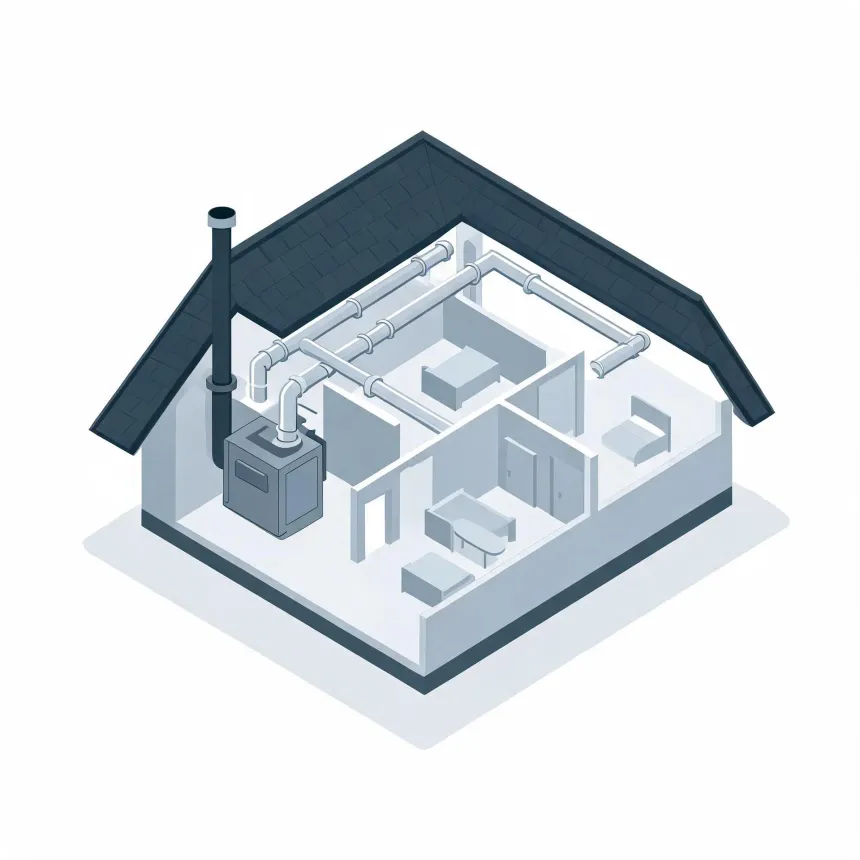
Isometric illustration of a cutaway house showing a dark furnace unit with a flue pipe and branching ductwork running through rooms with simple furniture under a dark gabled roof.
Your furnace works hardest from November through February.

NOAA nClimDiv, 1991–2020 normals

Your furnace only has to carry Lincoln Parish from November through March.

With lows averaging 37°F, this isn't a system working against hard winters, so it doesn't need to be the top efficiency model to do the job.

Electricity here runs $34.38 per million Btu, so a high-efficiency furnace earns its keep slower

Heat runs November through March
Winter nights average 37°F
Climate zone 3A
Put it in before NovemberFurnace season runs November through March here, so October is when you want it done.

Electricity heats more homes in Lincoln Parish than any other fuel, 52.6 percent of them. Utility gas is next at 42.3 percent, with a small slice on bottled or LP gas. If your home already runs on electric heat, replacing it with another electric furnace is the straightforward path. The wiring and venting are already set up for it, and an installer isn't working against what the house was built for. If you're on gas, the same logic holds the other way. The point is to match what's already there unless there's a real reason to switch.

Pick reliable, not top of the line

It won't be worked hard here, so pick a reliable system that fits. You don't need the top efficiency model.

Find a contractor
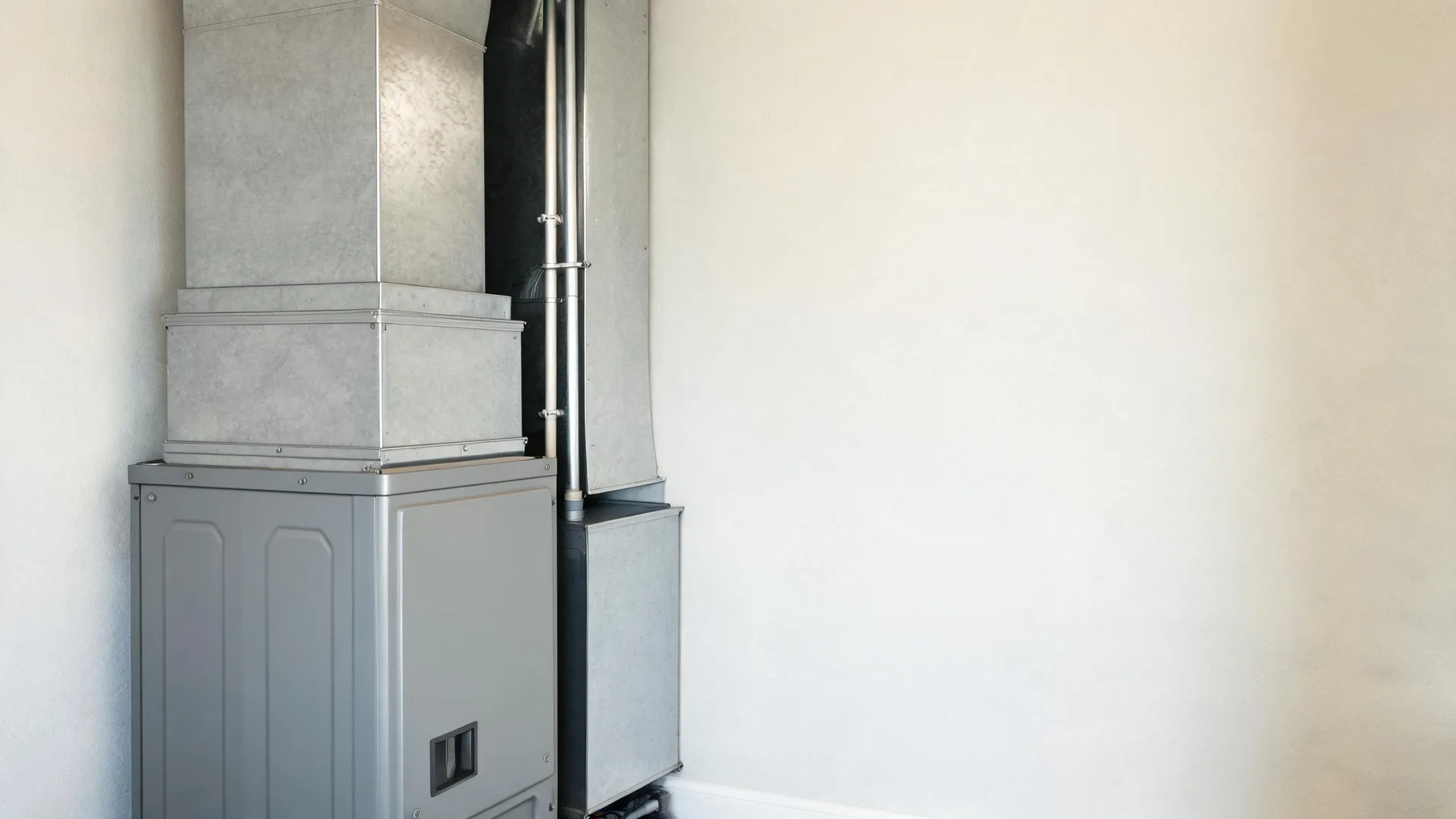
A gray residential gas furnace installed in an unfinished basement, connected to sheet-metal ductwork and PVC pipes.

The install drives the price, not the unit

What drives the cost of a furnace install is rarely the furnace itself. Labor is the biggest piece. Cutting in new ductwork, relocating a vent, running new gas line or electrical if the old setup doesn't match the new unit all add hours. A straight swap, same size, same location, same venting, is the cheapest kind of job there is. Anything that makes the crew open a wall, extend a line, or rebuild part of the duct run costs more because it takes longer, not because the equipment changed. The permit and inspection add a bit too. Skipping that step doesn't remove the cost. It just moves the cost to whoever has to fix an uninspected job later.

What the number measures

The rating on a furnace label tells you how much of the fuel it burns turns into heat for the house and how much goes out the flue. It says nothing about how big a space the unit can handle or how long it will hold up. A higher rating just means less fuel wasted per cycle.

Where the savings show up

A furnace rating only pays off through the fuel bill, cycle after cycle, over the years the unit runs. It does nothing for comfort on its own. A furnace sized right for the house and installed with properly sealed ductwork heats evenly no matter what rating is stamped on the cabinet.

Ask each installer to walk through the load calculation room by room, not just hand you a number they settled on from square footage alone. Ask what they're doing with the existing ductwork, whether it gets sealed and tested or just reconnected as it sits, because a furnace can only deliver what the ducts are able to carry. Ask about the warranty on labor, separate from the warranty on parts, since a failed part under warranty still means a service call if the install work isn't covered too. Ask who pulls the permit and whether an inspection happens before the job gets called done. Ask what happens if the load calculation turns up different from what's being quoted. An installer willing to walk through all of that is telling you something about how the job itself will go.

The old furnace usually comes out first, so expect the house to sit without heat for part of the day while that happens. The installer disconnects the gas line, the vent, the ductwork and the wiring, then pulls the unit out before the new one goes in. Sizing and venting get checked against what's actually there, not just swapped one for one, because the new cabinet and the new vent connector don't always match the old layout exactly. Once it's set, the gas line, the vent and the ductwork all get reconnected and tested, the thermostat gets wired in, and the system gets run through a full cycle before anyone calls it done. A combustion analyzer and a gas leak check should happen before the crew packs up, not after. If ductwork needs sealing or modification to match the new unit, that adds time to the day.