




A red brick house with a white-columned porch and a row of pale clapboard cottages sit behind a trimmed hedge and lawn, under oak branches draped with Spanish moss.

Furnace Installation in Lake Charles, LA

Tell us about the job

Takes about a minute. No obligation.

New system or replacementFurnace or heatingCalcasieu Parish, LA
Step 1 of 2

What ZIP code is the job in?

Calcasieu Parish is zone 2A, hot and humid, where cooling carries most of the year and heating does less work. That still doesn't let a furnace off the hook. A non-weatherized gas furnace installed here has to hit 80 percent AFUE at minimum. That floor is set to rise to 95 percent before the decade is out, so a furnace that qualifies today may not match what's required a few years from now. A contractor can tell you where a given model stands against that line.

5 months
November through March, your furnace is on duty
44°F
the average winter night it heats against
80% AFUE
the federal minimum any new unit must meet
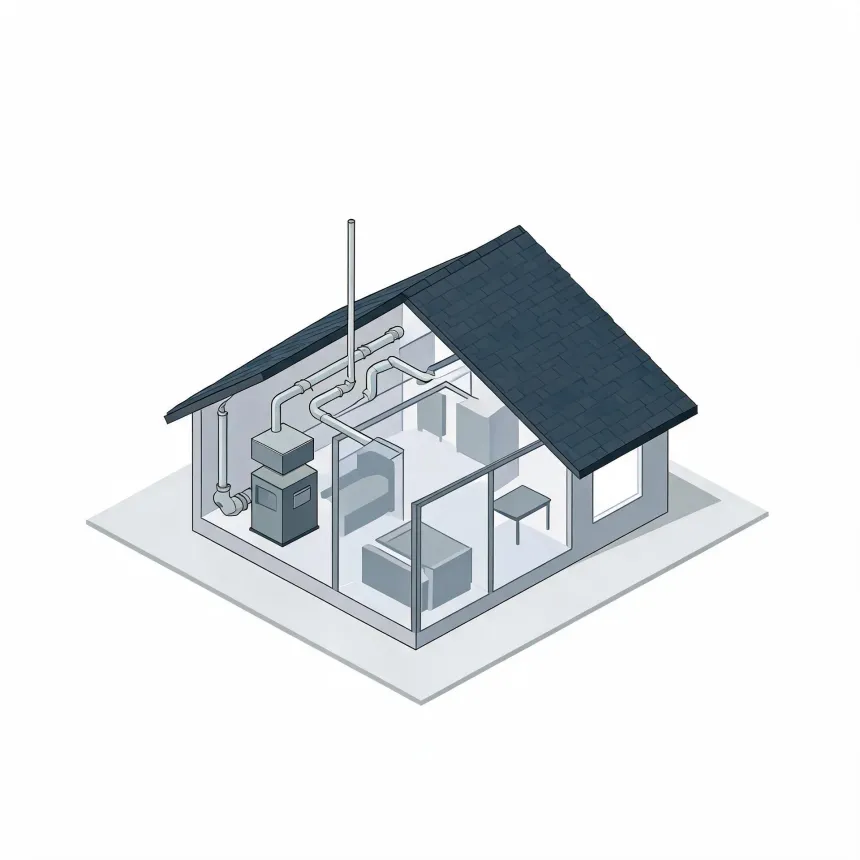
Isometric cutaway illustration of a small house with a dark shingled roof, showing an interior furnace unit, ductwork, and a flue pipe extending through the roof.
Your furnace works hardest from December through February.

NOAA nClimDiv, 1991–2020 normals

Electricity in Louisiana runs $34.38 per million Btu, cheaper than most of the country.

A high-efficiency furnace still costs more up front, and here it takes longer to earn that back.

Most of Lake Charles already heats with electricity

69.4% of homes heat with electricity
Heat runs November through March
Winter nights average 44°F

October is the month to get this done. Heat comes on in November and runs through March, about five months. Have a new furnace in before the first cold night and it gets tested on your timeline, not during a cold snap with the old one already dead. Wait until the weather turns and you're choosing from whatever's in stock, on whatever day a contractor can fit you in. A furnace put in during October runs through a full season before it has to prove itself.

Five months of mild duty means you can pick on fit, not just the spec sheet

Your furnace only has to work five months a year here, November through March, and even then it's rarely fighting real cold. Overnight lows average 44 degrees across December, January and February. A system that gets that kind of break doesn't need to be the top efficiency model on the lot to do the job well for years.

Find a contractor
A man in a gray shirt and tan pants carries a worn canvas tool bag up porch steps toward a dark blue paneled front door, with a potted shrub beside the entry.
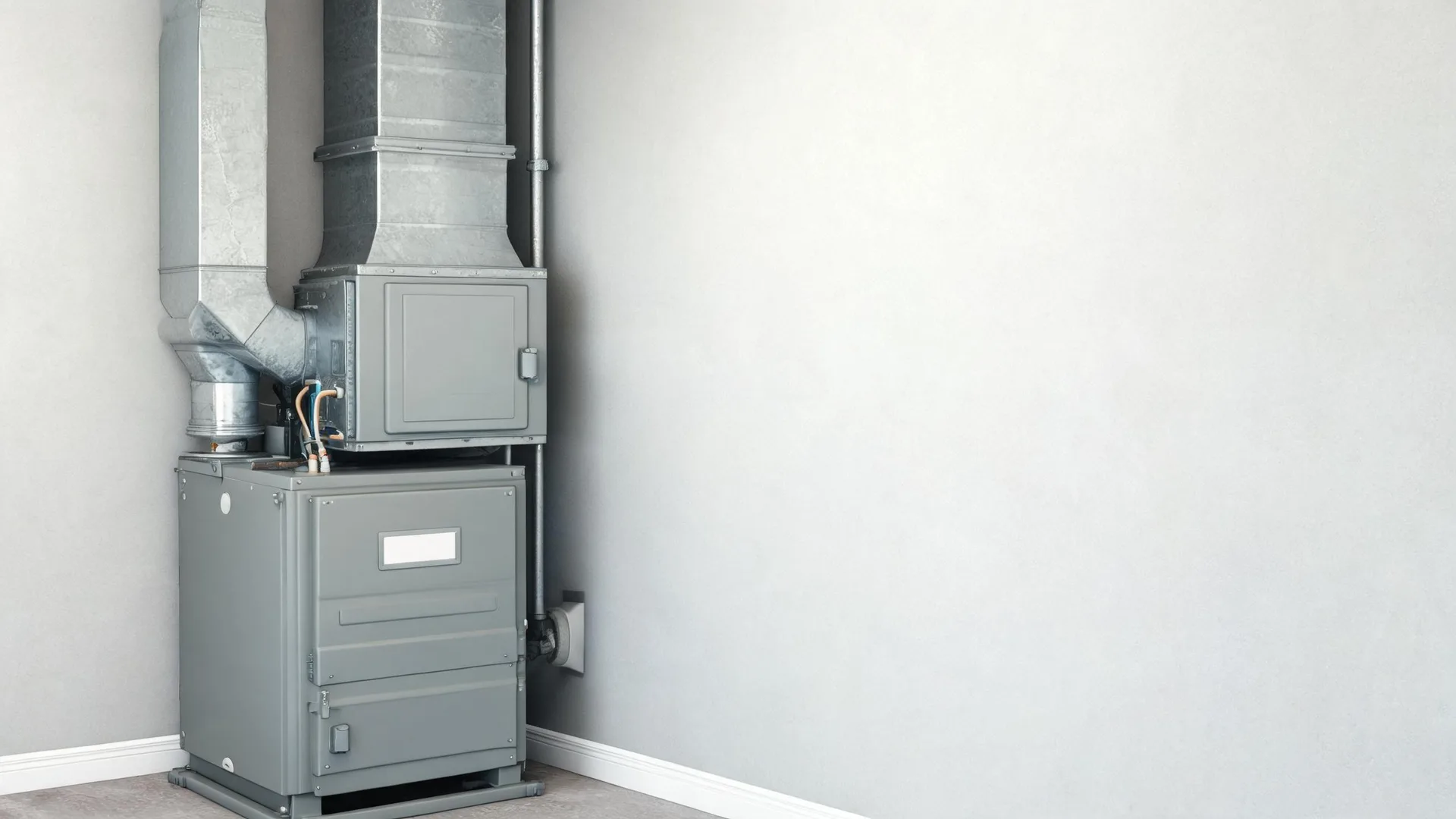
A gray gas furnace with attached ductwork and piping installed in an unfinished concrete basement.

Ask about reliability and the install before you ask about the AFUE number

Ask a contractor about the reliability record on a model before asking where it lands on the AFUE scale. A furnace that starts easily and holds up through five mild winters has already done the job it needs to do here. Put the attention you'd spend chasing the top efficiency number into the installation instead, since a correct install matters more to how this furnace runs than another point or two on the tag.

Ask what size the load calculation gives you

A contractor should size a furnace by running a load calculation on the house, not by matching the size of the unit being replaced. Too big and the furnace short cycles, heating the air fast and shutting off before it runs long enough to even out the rooms. Too small and it runs long stretches without catching up. Ask to see the number, not just hear that one was done.
Ask what happens to the ductwork

Ductwork gets sized for the furnace that was running through it, and a new furnace rarely moves air at the exact same rate. Returns that were fine for the old unit can come up short, and joints that never leaked enough to matter can start showing it. A contractor who looks at the duct system before quoting the furnace is pricing the whole job, not just the box.

Size is the biggest factor, and it works in both directions. A furnace sized to the house costs what it costs. One sized to guesswork, bigger because bigger feels safer, costs more up front and then costs you again in short cycling and uneven rooms. Ductwork is the other piece people leave out. If the existing ducts can't move the air a new furnace puts out, they need work too, and that's a separate job from the furnace itself. The cabinet itself matters less than what's connected to it. A furnace that's a poor match for the house it's going into, on size or on duct work, will cost more to run and more to fix no matter what's printed on its efficiency tag.

Installation day starts before the old furnace comes out. A contractor shuts off gas and power, then disconnects the venting, the ductwork and the condensate line if there is one. The old unit comes out, and if the plan calls for new venting or duct changes, that work happens before the new furnace ever gets set in place. Setting the furnace, connecting gas, venting and ducts, and wiring the thermostat is the fast part. What takes the time is testing. A contractor checks gas pressure, confirms the flame looks right, and lets the furnace run through a full cycle to see that it shuts off and starts again the way it should. A furnace that passes that test on day one is far less likely to give trouble come the first cold night.