
Furnace pilot light won't stay lit in Lake Charles, LA

Get the furnace repair search off your mind today.

Send it today

Why won't my furnace pilot light stay lit?

You keep lighting the pilot and it goes out again, sometimes in a few minutes, sometimes after it seems to hold. It's frustrating when you just want the furnace working, especially once the weather turns cool enough that you actually need it. The pilot going out isn't random, and it usually points to one of a few specific problems rather than something wrong with how you're lighting it.

Usually a worn thermocouple or a draft problem

Most of the time the thermocouple has worn out. It's the small metal rod that sits in the pilot flame and tells the gas valve the flame is lit. Once it weakens, it stops sensing heat fast enough and the valve shuts the gas off, even though the pilot was burning fine. A draft from a vent or a loose panel can also blow the flame out directly. Less often, it's a dirty pilot orifice or a bad gas valve. Since winters here in Calcasieu Parish are mild and most homes lean on electric heat, a furnace that only runs part of the year gets used in short bursts, which is exactly when a worn thermocouple tends to show up.

A gray high-efficiency furnace in a basement, connected to sheet-metal ductwork on the left and white PVC vent pipes above, with black gas and drain piping and an exposed wood-stud wall with OSB sheathing on the right.

Pilot lit and holding

A good pilot burns steady and blue, with a strong flame wrapped around the thermocouple. The furnace fires when the thermostat calls for heat and runs without you touching it. No gas smell, no clicking, no relighting it every few days. That's how it should work through a mild Lake Charles winter.


An older gas furnace with two louvered front panels stands on a concrete basement floor beside galvanized sheet-metal ductwork, pipes, and a weathered concrete wall.

Pilot that won't stay lit

The flame goes out once you let go of the gas knob, or it holds for a day and dies again. That usually points to a weak thermocouple, a dirty pilot orifice, or a draft problem inside the furnace. On an older unit like this, corrosion and age make those parts fail sooner.

Why does a pilot light problem matter more once the cold sets in here?

  • Winter nights average 44°F

    Winter nights here average 44°F. That's cold enough that a furnace that won't hold a pilot leaves the house genuinely cold by morning, not just chilly.

  • Heat runs November through March

    Most homes in Calcasieu Parish only run heat from November through March, about five months a year. A furnace that sits unused half the year is exactly the kind that develops a pilot problem nobody caught early.

  • 69.4% of homes heat with electricity

    Electricity heats 69.4% of homes in Calcasieu Parish, so a gas furnace here is often the less common setup in the house, which means fewer people around you have dealt with this exact problem before.

NOAA nClimDiv 1991-2020 · ACS 2020-2024

What the thermocouple actually does

The thermocouple is a thin metal rod that sits in the pilot flame. Once it gets hot enough, it sends a small electric signal that holds the gas valve open. If the flame doesn't touch it right, or the tip has worn out, that signal drops and the valve shuts the gas off. That's the safety doing its job, not a defect. A thermocouple that's gone weak will often let the pilot light and hold for a minute or two before the flame dies, which is a different pattern than a draft blowing it out right away. A contractor can test the signal with a meter and tell you which one you have.

Why a dirty pilot acts the same way

Dust and spiderwebs build up in the pilot assembly over months of sitting unused, especially since most furnaces here only run a handful of weeks a year. A clogged orifice starves the flame or bends it away from the thermocouple, so the flame looks weak or yellow instead of a strong blue cone. From across the room this can look exactly like a failing thermocouple, but cleaning the assembly fixes it for free while a thermocouple needs replacing. A contractor who services furnaces in Calcasieu Parish every fall sees both faults often enough to tell them apart on sight, usually before testing anything.

A gray-haired man in a dark green knit sweater sits on a beige sofa with a dark cushion, looking to the side, with a potted plant, shelves and sunlit windows behind him.
A gray-haired man in a dark green sweater sits smiling on a sofa in a sunlit living room, with a houseplant, shelving unit, and dining table visible behind him.
A middle-aged man in a dark denim shirt sits on a light beige sofa in a living room with wooden shelving and a potted plant, looking off to the side.
A gray-haired bearded man in a dark green sweater sits on a light sofa indoors, looking to the side, with a houseplant, framed picture, table lamp and sunlit window behind him.

Leave it alone

A pilot that won't hold means the gas valve closes itself back off. The furnace won't fire, and relighting it over and over wears the thermocouple down further instead of fixing it.

Get one local pro

Get it fixed

A local furnace tech can tell a worn thermocouple from a draft problem or a dirty pilot orifice fast, since it's what they check first on this kind of call.

Get one local pro
A gray sheet-metal furnace with flue pipe and adjacent ductwork stands against a stone basement wall on a concrete floor, with white PVC and metal pipes running nearby.
Before you get your furnace repair
A gray high-efficiency furnace with white PVC vent pipes stands against a concrete basement wall beside sheet-metal ductwork, a small condensate pump on the floor, and exposed wood framing at left.
After you get your furnace repair

It's off your list after this

A furnace that won't hold a pilot isn't something to keep working on yourself, especially since most Calcasieu Parish homes only lean on the furnace for a handful of nights each winter. That makes it easy to keep putting off, but a thermocouple doesn't fix itself, and relighting the pilot over and over only wears it down more. A local tech who handles furnaces all season knows what a worn thermocouple looks like versus a dirty pilot orifice or a bad gas valve, and can tell which one you've got without guessing. Sending the request means one contractor who works this equipment regularly gets your situation, not a stack of calls to sort through yourself. You're left waiting on a cold furnace right now. Handing it off means someone who already knows this problem takes it from here.

Keep relighting it yourself

You can keep lighting the pilot by hand each time it goes out. Some nights it might hold for an hour before it dies again. Other nights it won't hold at all, and you're back at it with a lighter and a flashlight, hoping this time is different. Every relight is a guess, since you can't see whether the flame is actually reaching the thermocouple or just looks like it is. And a thermocouple that's already worn thin doesn't get better from being heated and cooled over and over. It gets worse.

Have a tech look at it once

A furnace tech who works on these year after year can tell within a few minutes whether it's the thermocouple, the pilot orifice, or a draft problem pulling the flame away. They test the actual signal coming off the thermocouple instead of guessing from how the flame looks. If the part's worn, it gets swapped for one rated to the furnace. If it's a draft or a dirty orifice, that gets corrected instead. Either way, you stop relighting it and find out instead why it keeps going out.

A woman with shoulder-length dark brown hair in a cream knit cardigan sits in an upholstered armchair beside a window, looking off to the side, with a white bookshelf and potted plant blurred behind her.
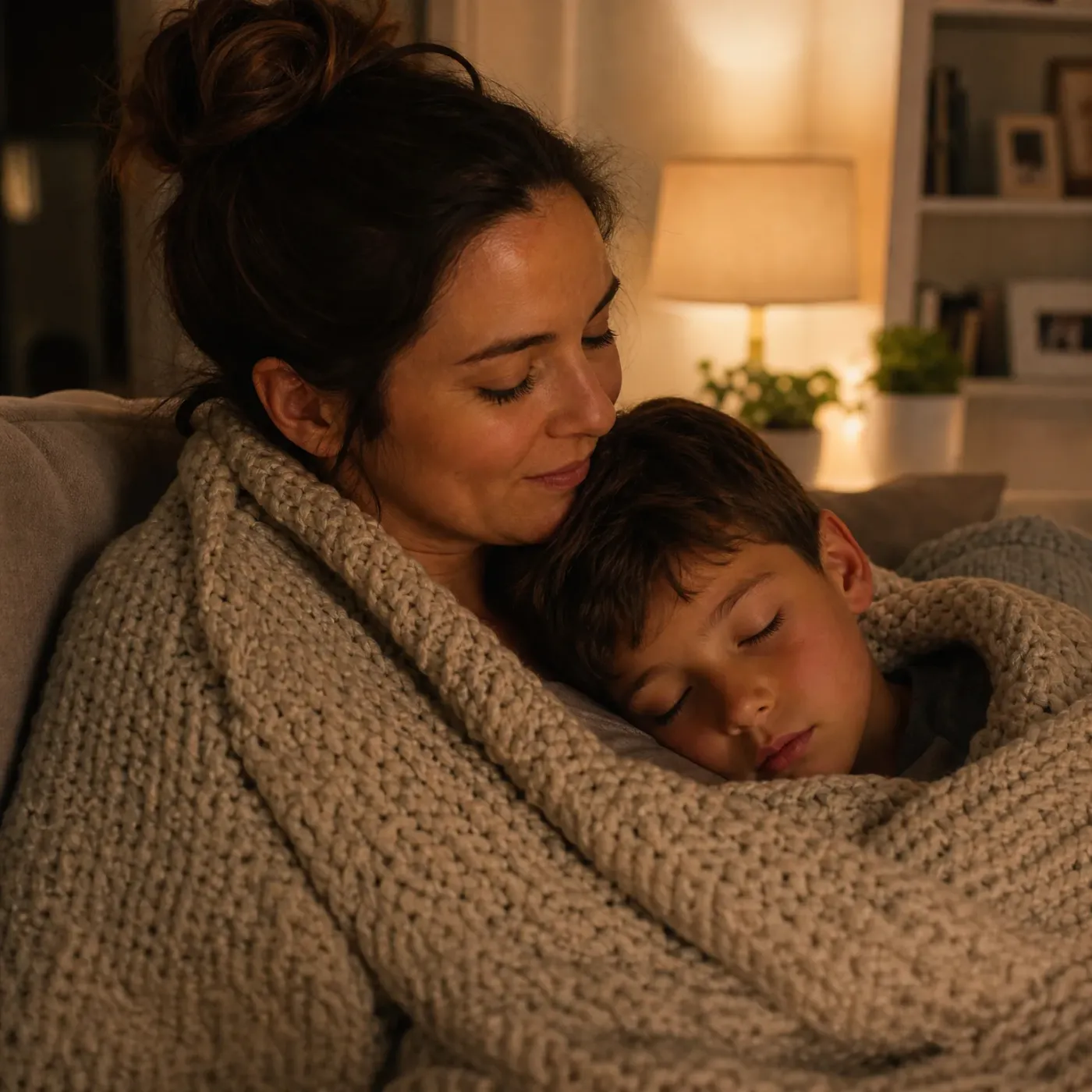
A woman with her hair in a bun holds a sleeping boy against her shoulder, both wrapped in a thick cream knit blanket on a couch in a dim room with a lit lamp, potted plants and a shelf behind them.

Where this leaves your furnace

  • A pilot that won't hold almost always comes down to a worn thermocouple or a draft disrupting the flame.
  • Relighting it by hand night after night doesn't fix the part, it just wears the thermocouple down further.
  • A local tech who works on furnaces all winter can usually spot which of these it is in one visit.
  • Since Calcasieu Parish homes mostly lean on electric heat, this furnace repair is about the handful of cold nights, not an all-winter system.
  • You'll be matched with one licensed local contractor, not a batch of companies calling you at once.
  • Once the thermocouple is replaced and seated right, the furnace fires on its own and holds without you touching it.

A pilot that won't stay lit comes down to one of a short list of causes, and almost always it's a worn thermocouple or a draft pulling the flame off it. Lighting it by hand again doesn't change either of those. The part keeps failing, and the thermocouple wears down a little more each time you relight it, so the furnace ends up worse off than when you started. A tech who works on furnaces through the Calcasieu Parish winter has usually seen this exact failure before, often more than once in a season, and can tell within a visit whether it's the thermocouple, the pilot assembly, or a draft issue pulling the flame away. That matters here because most homes in the area lean on electric heat and only call on the furnace for a handful of genuinely cold nights each winter. You don't need a system overhaul. You need someone who knows this part of the furnace and can get it seated and holding again. The match you're sent isn't a handful of companies competing for the job. It's one licensed local contractor who takes the call, looks at your furnace, and tells you straight what's wrong with it. Once the thermocouple is replaced and positioned correctly in the flame, the pilot holds on its own. No relighting, no standing by with a lighter, no guessing whether tonight is the night it stays lit. The furnace goes back to doing what it's supposed to do without you thinking about it.

An empty basement with bare concrete walls and floor, exposed wooden joists and pipes overhead, and a dark furnace with sheet-metal ductwork and vent pipes in the right corner.

Hand off the search today

A licensed pro who repairs furnaces in Calcasieu Parish gets your request.

RepairFurnace or heatingCalcasieu Parish, LA
Step 1 of 2

What ZIP code is the job in?