
47°F average low
Mild nights mean short, frequent cycles. Each start asks the limit switch to check the furnace again, which is why a dirty filter or blocked vent shows up as shutoffs here faster than in colder places.
 Skip the search
Describe what your furnace is doing once, in one form.
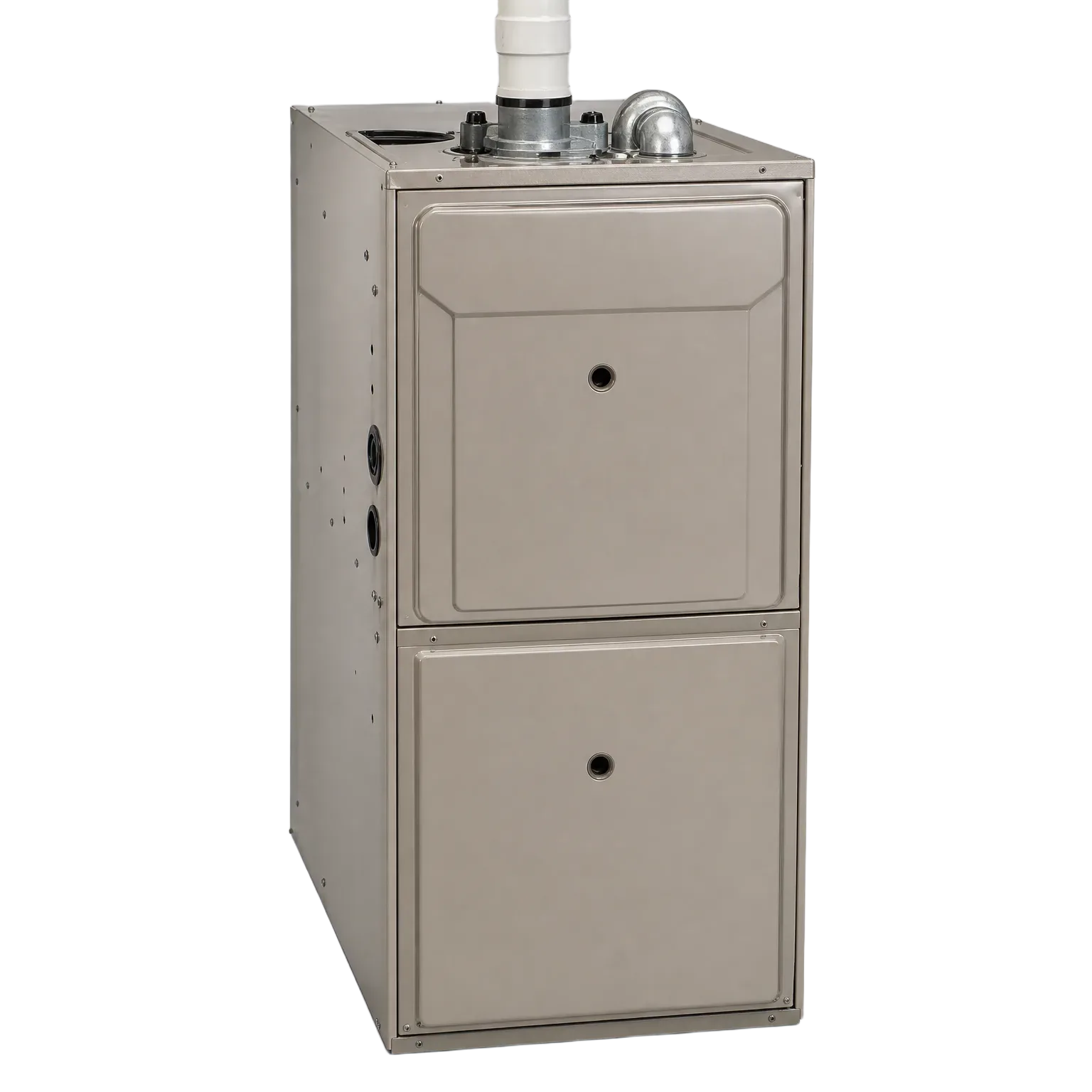
A furnace that shuts off partway through a cycle usually isn't getting what it needs to keep running: enough airflow, a steady flame signal, or a safety switch that's satisfied. It might run five minutes and quit, or get close to warm and stop. Whatever the pattern, something in the system is telling it to stop rather than keep going.
Most homes in and around Kenner heat with electricity, and winters here are mild, so a furnace might only run hard for a stretch of the year. That can make a problem like this easy to put off, until a cold night makes it obvious that the thing won't stay on long enough to matter.
Finding someone to look at it is its own chore. You'd normally be searching through contractors who may or may not work in Jefferson Parish, calling a few, describing the same shutoff pattern to each one, then waiting on quotes to compare before you even know who's available. That part goes away here. You tell it once, and it goes to a contractor who works on furnaces in this area as a matter of course, not someone sorting it out for the first time.
Because it goes to one licensed, local contractor rather than a handful of companies, you're not fielding calls from three or four places at once trying to win the job. One contractor gets the details, one contractor calls you back. Someone who works on this equipment every winter in Jefferson Parish has likely already seen a furnace do exactly what yours is doing, and knows where to look first.
Below is what usually causes a furnace to shut off mid-cycle, and what tends to separate the simple cases from the ones that need a closer look. The button above gets a contractor the details of your situation directly.
A furnace that shuts off partway through a cycle is usually tripping a safety switch on purpose. Most homes in Kenner heat with electricity, so this is almost always an electric furnace, and the part behind this is the limit switch or a flame sensor if it's a gas unit, cutting power because something downstream isn't right. A dirty filter or a closed vent can choke airflow until the heat exchanger or heating element gets too hot, and the switch shuts the furnace down before it can do damage. A weak flame sensor on a gas furnace reads the flame as out even when it isn't, and shuts the burner off mid-cycle. Either way, the furnace is doing what it's supposed to do. It just means something is blocking air, or a sensor has worn out and needs to be checked and replaced. Winters here are mild, so this furnace may only run a handful of months a year, which gives worn parts more time between cycles to go unnoticed.


Winter nights average 47°F
Nights averaging 47°F mean the furnace fires in short bursts instead of long, steady runs, so a limit switch gets tested every time it starts.
Heat runs November through February
Four months of heat a year gives a furnace plenty of idle time to collect dust in the cabinet, which is what trips the limit switch in the first place.
55.6% of homes heat with electricity
With most homes here heating on electricity, this is almost always an electric furnace, so the short cycling points to the limit switch or the blower, not a gas valve.
NOAA nClimDiv 1991-2020 · ACS 2020-2024
Thermostat calls for heat and the blower motor starts
Heating element or burners fire to warm the air
Limit switch checks if the furnace is overheating
Airflow problem or dirty filter traps heat in the cabinet
You hear it kick on, then quit before the house feels any warmer. Maybe it runs five minutes and stops, maybe it gets most of the way through a cycle. The blower might keep blowing air that's gone cold, or it shuts off too and the house goes quiet. Check the filter if it's been a while since anyone looked at it. A room at the far end of the house might stay cooler than the rest, or a vent might feel weak. Left alone, a furnace that keeps tripping its limit switch can wear out that switch, and a house that never gets a full cycle of heat stays colder than the thermostat says it should.



Your request goes to one pro, not a list of companies.
No charge to send it. You decide if you hire them.
The limit switch is a simple part doing one job. It sits close to the heating element and reads the air temperature passing by it, nothing more. When that air runs hotter than the switch is set to allow, it opens and cuts power to the heating element or burner, and the blower often keeps running on its own to clear the heat out of the cabinet. That's the furnace protecting itself, not failing on its own.
Most furnaces in Kenner are electric, so the heat comes from resistance coils rather than a gas flame. Those coils get hot fast, and they depend on steady airflow to carry that heat into the house instead of letting it sit in the cabinet. A filter clogged with dust slows that airflow down, so the coils keep adding heat to air that isn't moving fast enough to take it away. The limit switch sees that rise and trips, sometimes within the first minute if the blockage was already there before the thermostat called for heat.
A blower motor that's lost some strength causes the same problem a different way. It moves less air across the coils with each pass, so heat builds up faster than the switch is built to tolerate. If a furnace trips more than once in the same cycle, that usually means one specific thing is blocking airflow, not that the whole unit is wearing out.


Mild nights mean short, frequent cycles. Each start asks the limit switch to check the furnace again, which is why a dirty filter or blocked vent shows up as shutoffs here faster than in colder places.
A furnace that only runs part of the year sits idle the rest of it, collecting dust in the cabinet. That buildup is often what's choking airflow and tripping the switch now.



Air moves freely through the ducts and the cabinet stays clear, so the limit switch never has a reason to trip. A furnace like this fires, runs its full cycle, and shuts off on its own once the house is warm. Nothing in its path is trapping heat.

Rust on the cabinet and years in the same spot usually mean dust has built up where the airflow needs to be open. Once heat can't get out fast enough, the limit switch cuts power to protect the unit, and that's the shutoff you're hearing partway through a cycle.
A night in the high 40s doesn't ask much of a furnace. It fires, warms the air, and shuts off again in a short burst, over and over through the night. That start-stop pattern leans on the limit switch far more than a long steady run would, so a furnace with a dirty filter or weak airflow shows its trouble sooner here than it would somewhere colder.
NOAA nClimDiv 1991-2020
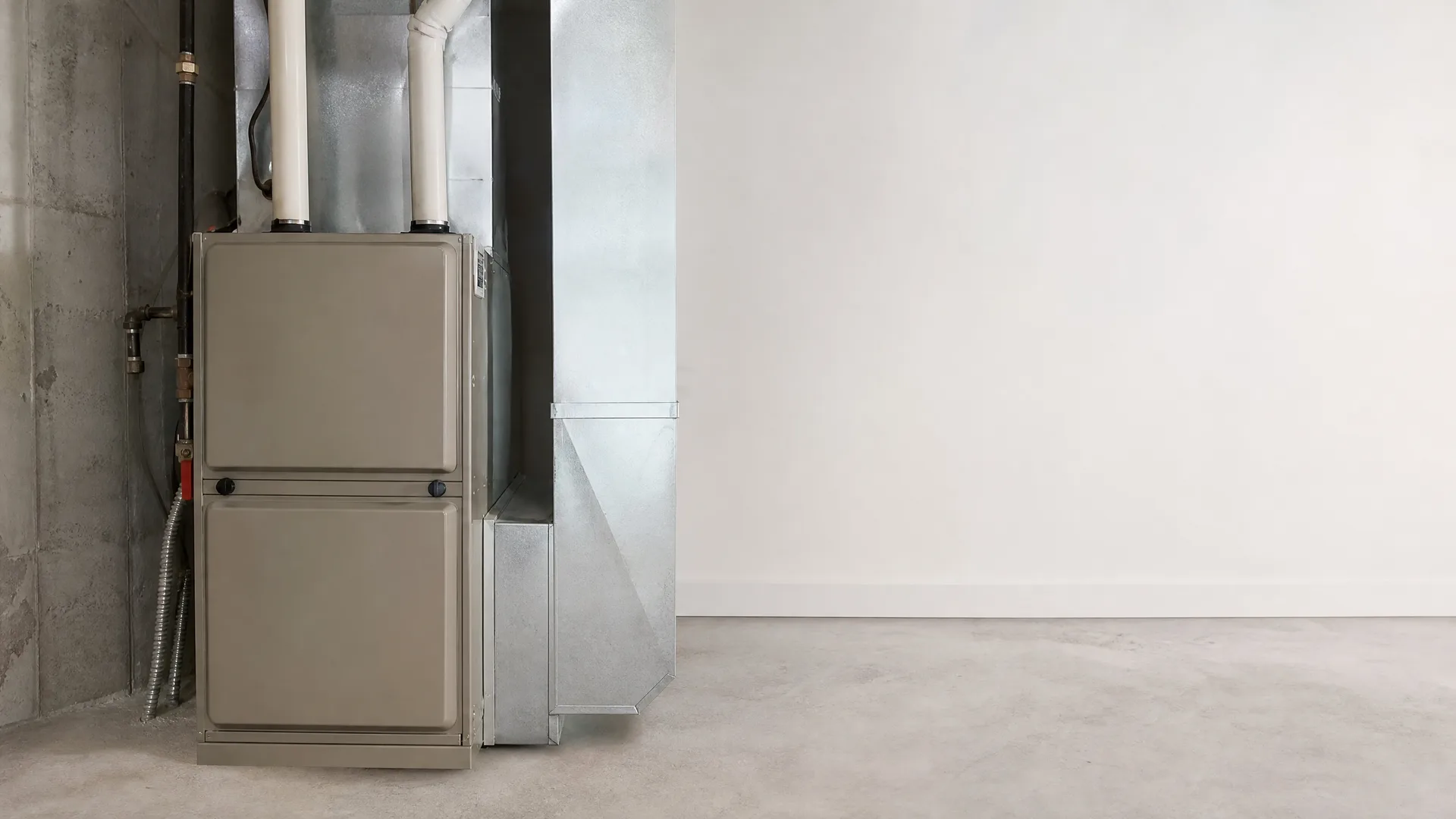
You'd be the one calling around to find a contractor who works on electric furnaces, explaining the shutoff pattern to each one, then waiting to see who calls back first. Some outfits that service AC don't see much furnace work in a place like Kenner, since the season is short, so you're also trying to tell who actually knows this part of the system before you let them in the door.
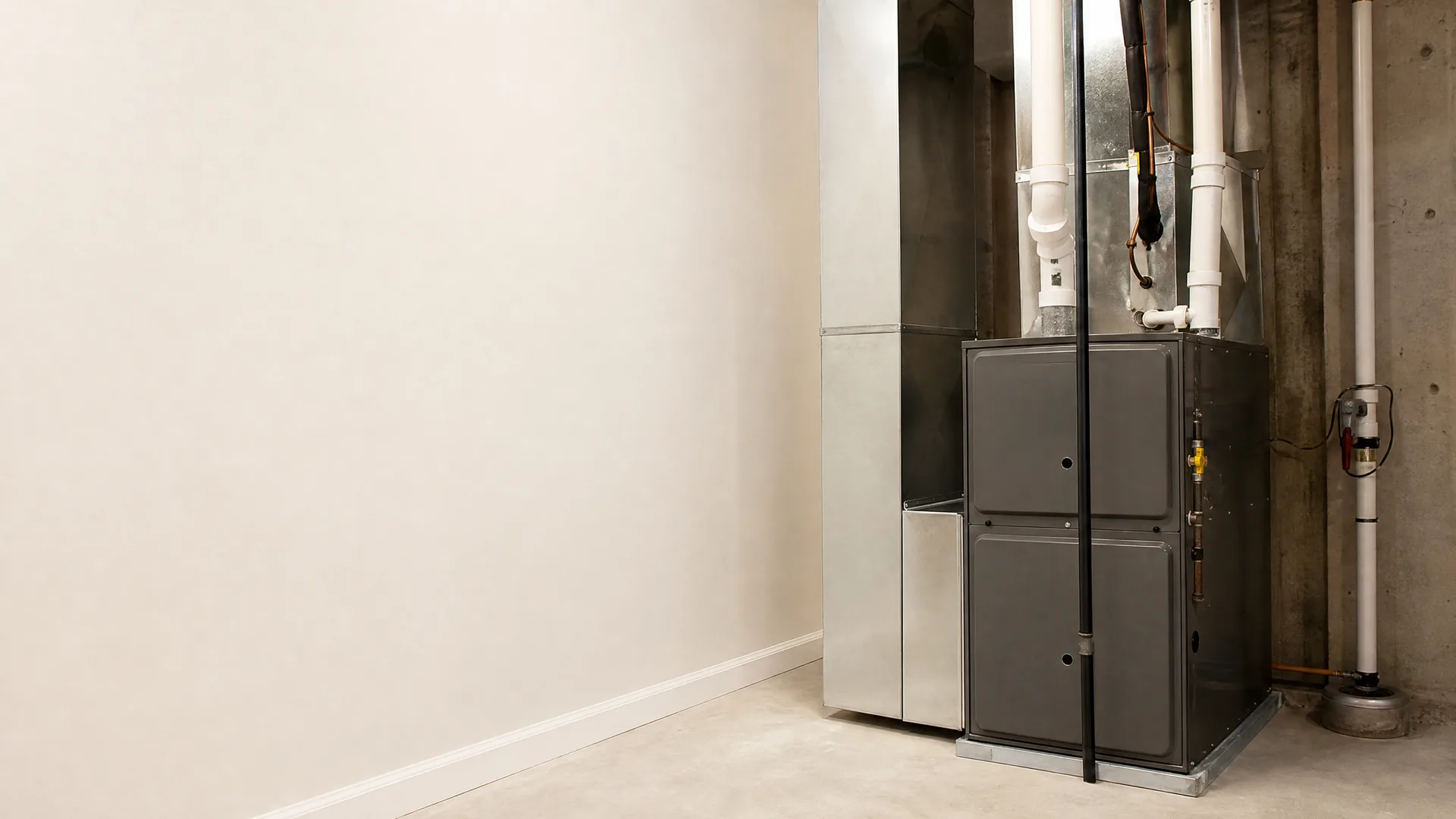
You answer a few questions about what the furnace is doing and get connected to one licensed contractor local to Jefferson Parish, not a handful competing for the job. Someone who works on furnaces through those four months every year has likely seen this exact shutoff pattern before, in a house not unlike yours, and knows the limit switch and flame sensor are the first places to look.

A furnace that keeps shutting off partway through a cycle is telling you it's hitting its limit switch, and in Kenner that almost always traces back to airflow: a dirty filter, a blocked vent, something keeping heat from leaving the cabinet. Mild winters mean short, frequent cycles, and every one of those starts is another chance for the switch to trip. The pattern gets worse on its own, not better.
Finding a contractor who actually works on electric furnaces, telling the shutoff story over and over, and sorting through who calls back first is its own chore, especially for equipment that doesn't get much attention outside a few months a year. Submitting your furnace here means one licensed contractor local to Jefferson Parish gets the details once and takes it from there, someone who sees this exact failure every winter and knows where to look first.


No calling every shop in Jefferson Parish