Two white Southern-style homes with wraparound porches lit by landscape lighting at night, flanked by live oak trees hung with Spanish moss.

Furnace Installation in Lafayette, LA

Tell us about the job

Takes about a minute. No obligation.

New system or replacementFurnace or heatingLafayette Parish, LA
Step 1 of 2

What ZIP code is the job in?

Lafayette sees its share of storms

68 severe weather events hit this parish between 2015 and 2024, including damaging wind, hail and a few tornadoes. An outdoor vent or intake needs a spot clear of falling branches and flying debris, not tucked under a tree.

A furnace still needs power to run

Close to half of Louisiana households went at least a day without power in 2024. A gas furnace needs electricity for the blower and ignition, so when the power goes, the heat goes with it unless there's a backup plan in place.

5 months
November through March, your furnace is on duty
44°F
the average winter night it heats against
80% AFUE
the federal minimum any new unit must meet
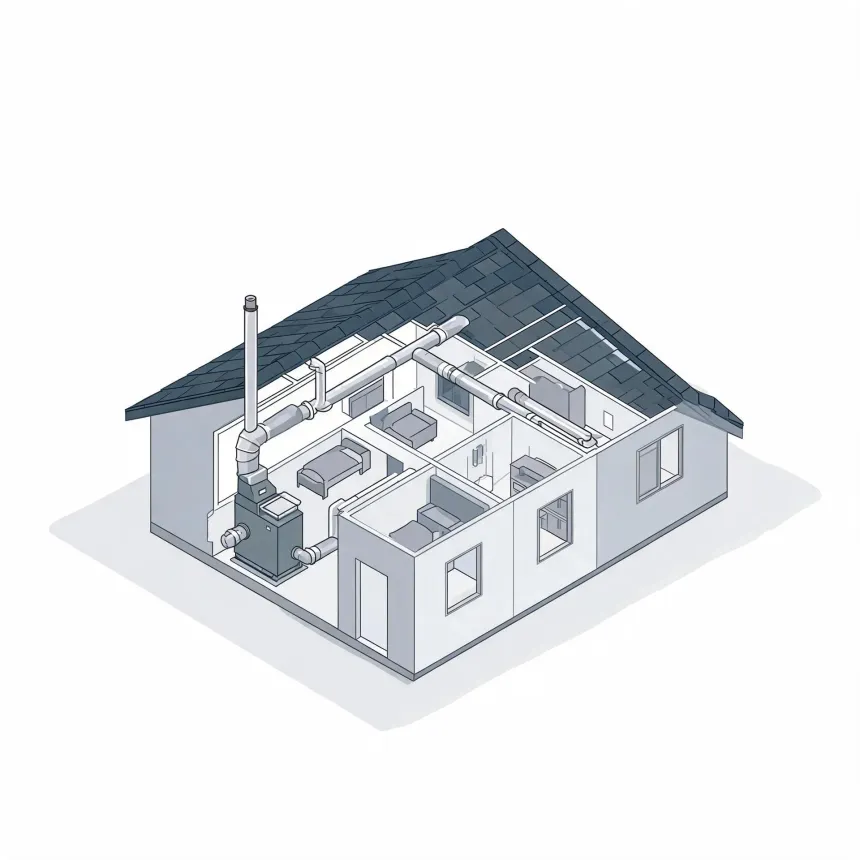
Isometric cutaway illustration of a single-story house showing interior rooms with furniture, ceiling ductwork, a furnace unit with a tall flue pipe, and a dark shingled roof.
Your furnace works hardest from December through February.

NOAA nClimDiv, 1991–2020 normals

Furnaces here only run November through March.

October is the month to put in a new one, before you need it.

Electricity here runs $34.38 per million Btu, so the priciest high-efficiency furnace is not the one that pays off fastest

Heat runs November through March
Winter nights average 44°F
Climate zone 2A
Five months of work a yearFurnaces here run November through March, with overnight lows averaging 44°F in December, January and February.

Electricity heats 77.4% of homes in Lafayette Parish. Gas, piped or from a tank, heats about a fifth. If your home already has a gas line run to a furnace, putting in another gas furnace is usually the straightforward path, since the line and venting are already in place. If it's electric heat now, an electric furnace matches what the house is wired for. Either way, replacing what's already there means no new gas line to run and no rewiring for a different fuel.

Replace it before the season

Replace it before the season starts, so it happens on your schedule, not in a hurry.

Find a contractor
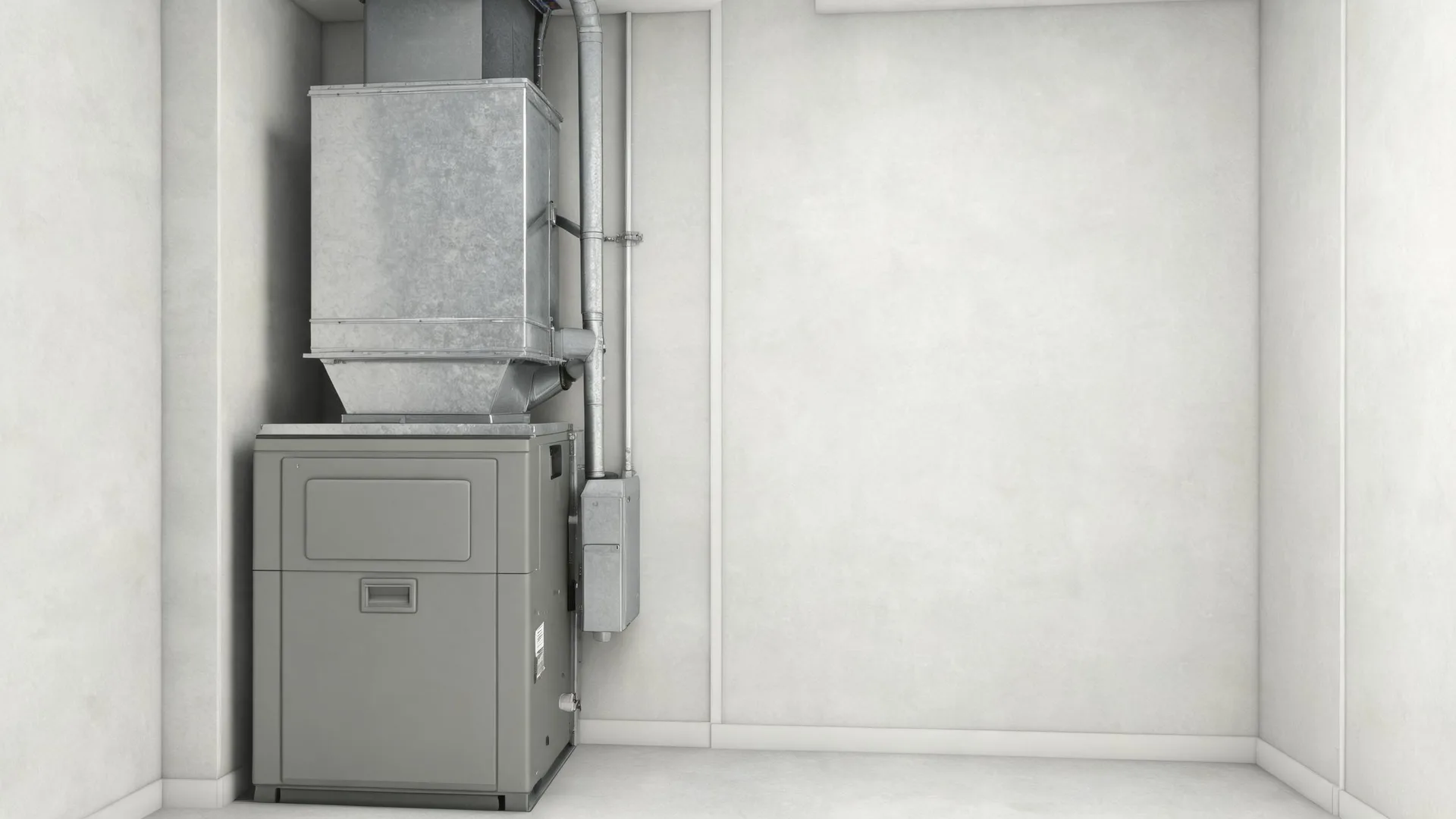
A gray residential gas furnace installed in an unfinished basement, surrounded by ductwork, a metal flue pipe, and a gas supply line.

A short season, not a hard one

A furnace here only has to beat a 44°F average overnight low, and only from November through March. That's a short, mild season to design around. Pick a unit that starts every time and holds up over the years. The top efficiency tier on the shelf is built for houses working much harder than this one will.

The size has to match the house

A furnace too big for the house cycles on and off instead of running steady, and that short cycling wears on the ignition system and the blower motor faster than normal use would. Getting the size right means someone calculating the actual heat loss of the house, room by room, not just matching the old unit or guessing off square footage.

The ductwork decides more than the furnace does

A new furnace pushing air through ducts that are too narrow, leaky, or poorly laid out will never run the way it's rated to, no matter how good the unit is. If the ducts need sealing, resizing, or rerouting to handle the new furnace, that work belongs in the job, not as something to deal with later.

The rating on the label is a measure of how much of the fuel burned turns into heat in the house, with the rest going out the flue. A furnace rated higher wastes less fuel doing the same job, every time it runs. What the rating does not cover is sizing, ductwork, or how well the unit gets installed. A top-rated furnace choked by narrow or leaky ducts, or oversized for the house, will run worse than a mid-rated one installed right and matched to the place it's heating. The number on the sticker describes the equipment. It doesn't describe the install.

Installation day starts with the old furnace coming out. The vent or flue, the gas or electric line, and the duct connections all come off with it. The new furnace gets set in place, and that's when the sizing and layout worked out ahead of time turn into actual cuts and connections. The vent pipe gets run and sealed, and that seal matters for safety, not just for keeping heat in. Gas and electrical get connected and tested before any panel goes back on. Then the furnace gets fired up. The technician checks the flame, confirms air is moving at the registers, and watches the system run through at least one full cycle. A gauge set or combustion analyzer checks that it's burning clean and holding the pressure it's rated for, not just that it turns on. Closing up the ducts or panels before those checks pass means any problem gets sealed in instead of caught.