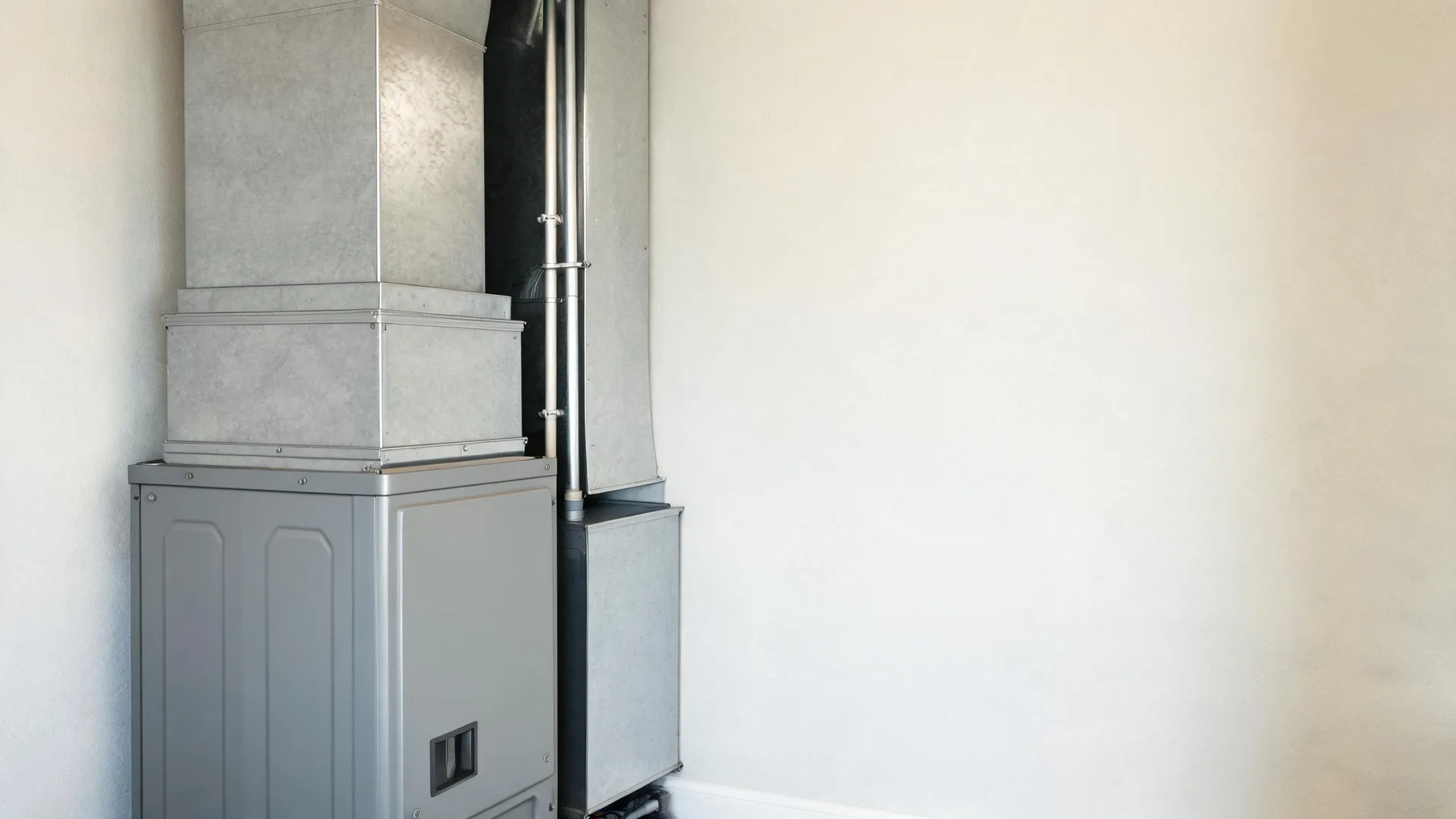
Most homes here run on electric heat
Electricity heats 65.6% of occupied homes in West Baton Rouge Parish. An electric furnace is the common replacement choice in Addis because of that, and parts and service for one are easy to find locally.
Takes about a minute. No obligation.
Electricity heats 65.6% of occupied homes in West Baton Rouge Parish. An electric furnace is the common replacement choice in Addis because of that, and parts and service for one are easy to find locally.
Utility gas heats 31.9% of homes in the parish. If your house already has a gas line run to it, that changes which furnace makes sense, so check what your current system uses before assuming electric is the only option.
NOAA nClimDiv, 1991–2020 normals
West Baton Rouge Parish saw 25 severe weather events between 2015 and 2024, mostly wind and hail.
A furnace built to standard specs holds up fine here. Nothing about this parish calls for oversizing it or paying more for extra capacity.




Skip the high-efficiency sales pitch and put the money into the install itself. A furnace with a lower efficiency rating costs less up front, and here that matters more than the rating on the box. Ask the contractor about the warranty and about how long they expect the unit to last, since that's what you're actually paying for when power is this cheap. If you're deciding between two models and one costs noticeably more for a few extra efficiency points, the cheaper one is usually the right call in Addis. Put the difference toward a unit from a brand with easy local parts access instead.
Heat starts in November here and runs through March. October is the month to put in a new furnace, while the old one still works and nobody's in a hurry. Wait until the first cold morning and you're choosing a system under pressure instead of on your schedule.
Find a contractor
Pick the furnace that's easy to get parts for and move on. Five months of mild heating a year isn't going to stress-test anything, so the choice comes down to install quality and whatever brand your contractor can service without a long wait.
An efficiency rating tells you how much of the fuel going into the furnace turns into heat in your house versus what escapes up the vent. It has nothing to do with how big a space the furnace can heat or how fast it warms the house. A higher rated furnace and a lower rated one can push the same amount of heat. The difference shows up on the utility bill, not in comfort.
The furnaces with the best ratings pull extra heat out of the exhaust before it leaves the house, which takes a second heat exchanger and a condensate drain to carry off the moisture that step produces. That's more parts that can fail and a drain line that can clog. A furnace with a lower rating vents straight out and skips all of that, so there's less for a tech to troubleshoot down the road.
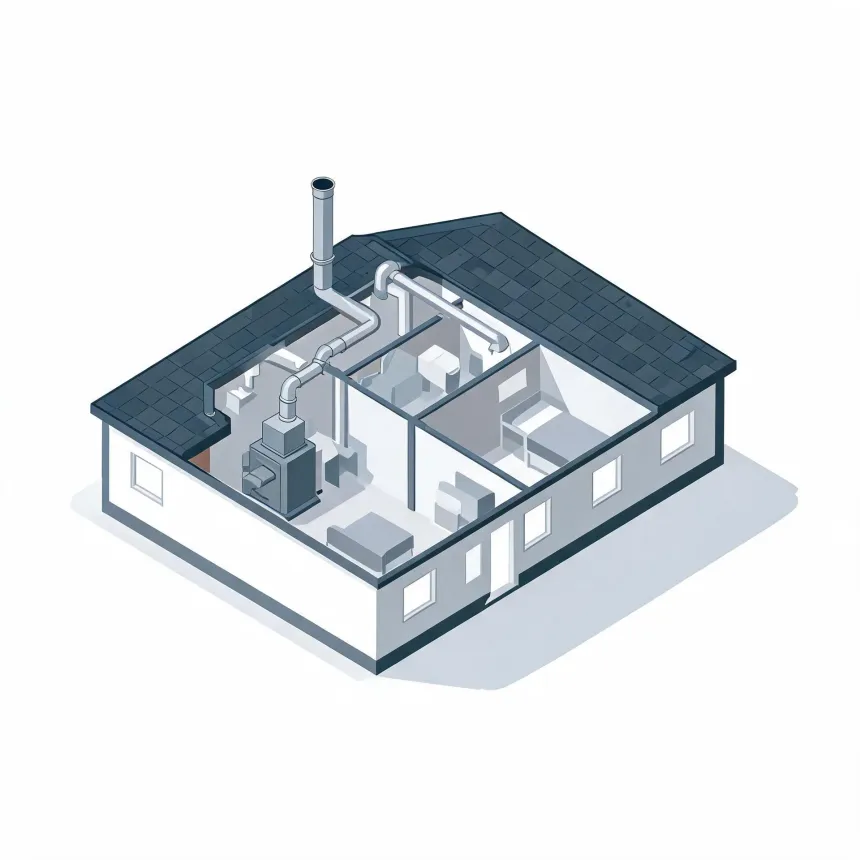
Once the new furnace is in, the old one gets disconnected and hauled out, whether that's an electric furnace with its heating elements or a gas furnace with its burners and venting. If it's gas, the installer caps the gas line or reroutes it depending on what the new unit needs, and the old vent or flue gets sealed off properly so there's no open path to the outside. An electric furnace just needs the circuit disconnected at the panel before it comes out. Most contractors hauling out the old unit will recycle the metal cabinet and coil rather than send the whole thing to a landfill, since there's real scrap value in it. None of this is something you need to arrange separately. It's part of a normal installation, not an extra step tacked on.
Installation usually takes a single day, start to finish. The crew shows up with the new furnace, disconnects the old one, and gets the ductwork and venting or wiring fitted to the new unit. If it's a straight swap, electric for electric or gas for gas, there's less to redo and the day goes faster. Switching fuel types means more work. A gas furnace needs new venting run. An electric furnace needs a new circuit run from the panel. Before anyone leaves, the furnace gets fired up and run through a cycle to check the airflow and the temperature rise, not just switched on and left. Expect the house to be without heat for part of the day while the old unit is out and the new one gets connected.