
Heat pump vs furnace in West Baton Rouge Parish, Louisiana

Get a Quote

No cost to ask

A person's arm in a blue shirt reaches up to adjust a round wall-mounted thermostat on a gray interior wall, with an open tool bag on a wood floor and a living room with a sofa and houseplant in the background.

Tell us about the job

Takes about a minute. No obligation.

New system or replacementWest Baton Rouge Parish, LA
Step 1 of 3

What kind of equipment?

Which costs less to run in West Baton Rouge Parish?

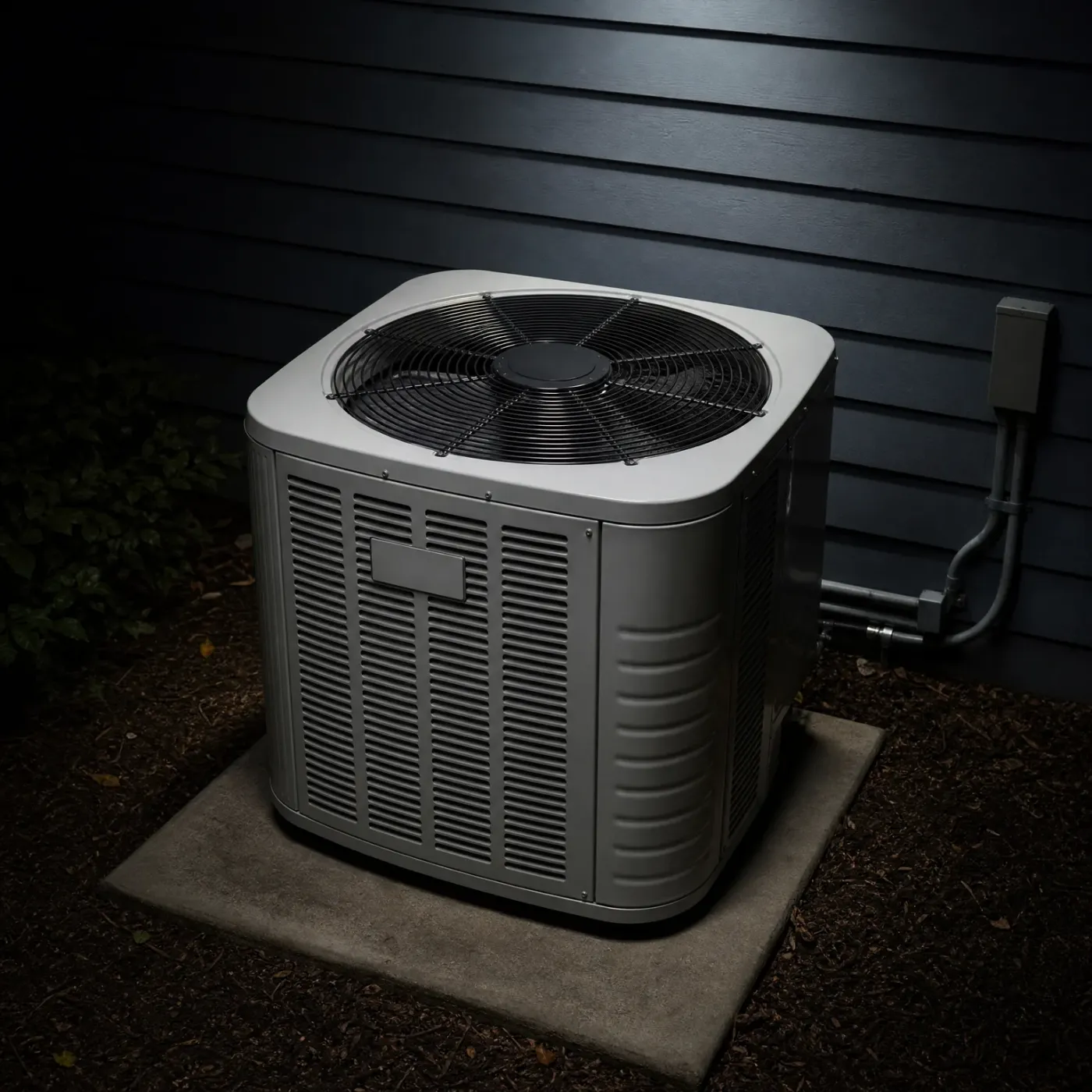
A gray outdoor condensing unit with a top-mounted fan grille sits on a concrete pad beside a dark horizontal-lap sided wall, with conduit, a disconnect box, and refrigerant lines running to the wall at night.

Heat pump

To heat your home here$1.56per 100,000 Btu

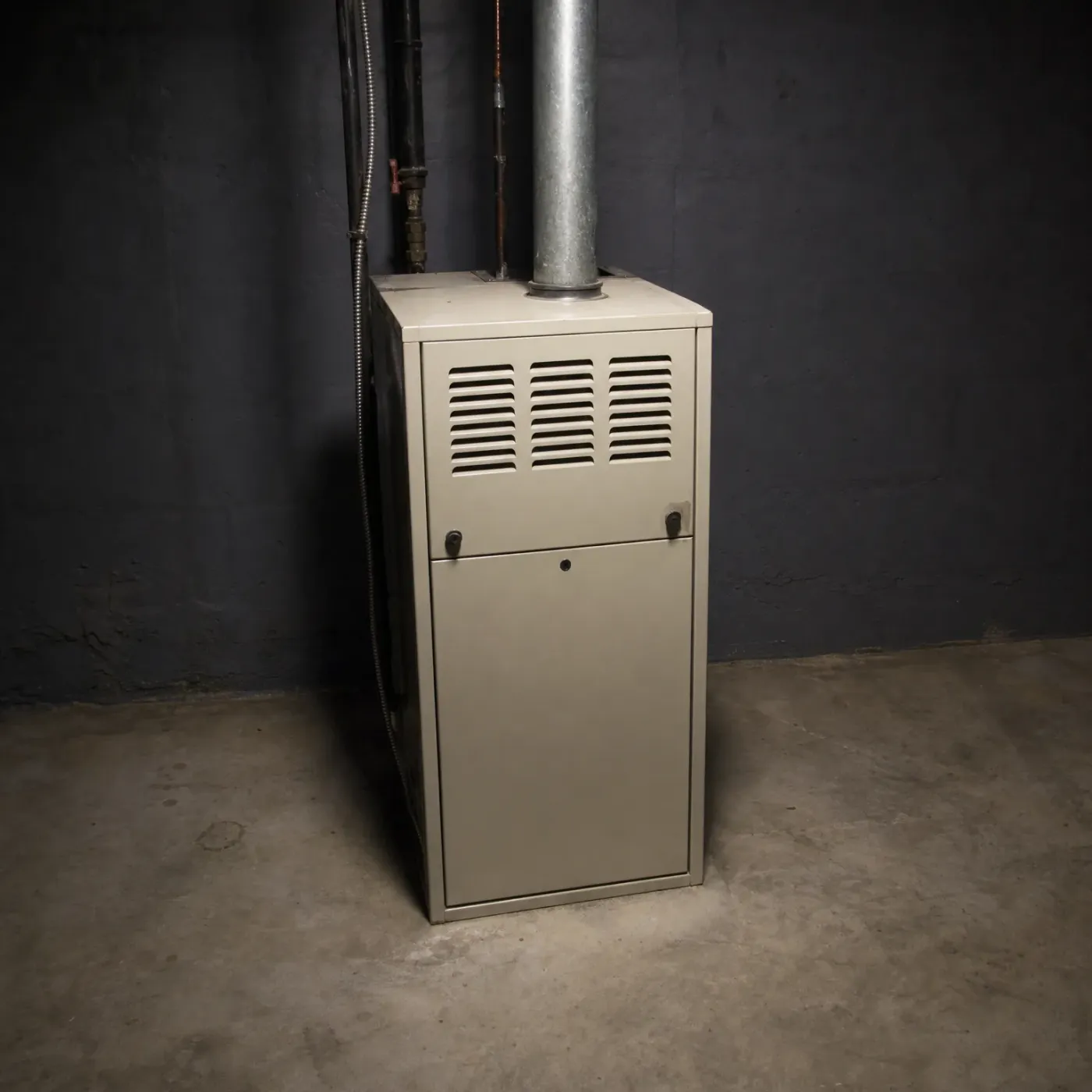
A beige sheet-metal furnace with a louvered upper panel and metal flue pipe stands against a dark painted wall on a concrete basement floor.

Furnace

To heat your home here$2.00per 100,000 Btu

At Louisiana's gas and electricity prices, a heat pump makes the same heat as a gas furnace for about 22% less.

Btu stands for British thermal unit, the standard measure of heat energy.

Where does a heat pump shine?

  • Made for mild winters

    Winter nights here average 43°F, and a heat pump doesn't struggle until temperatures drop well below that. It can pull heat from outside air all winter long without working too hard to do it.

    A gray board-and-batten house porch with a light blue front door, black rocking chair with pillow and throw, potted plants, a pair of boots and a doormat, painted steps leading to frosty grass, and a person in a dark coat walking in the background.
  • Covers a long cooling season

    April through October is seven months of your year leaning on cooling, and a heat pump is built to carry that load without strain. You get one system doing the work it's actually suited for most months of the year.

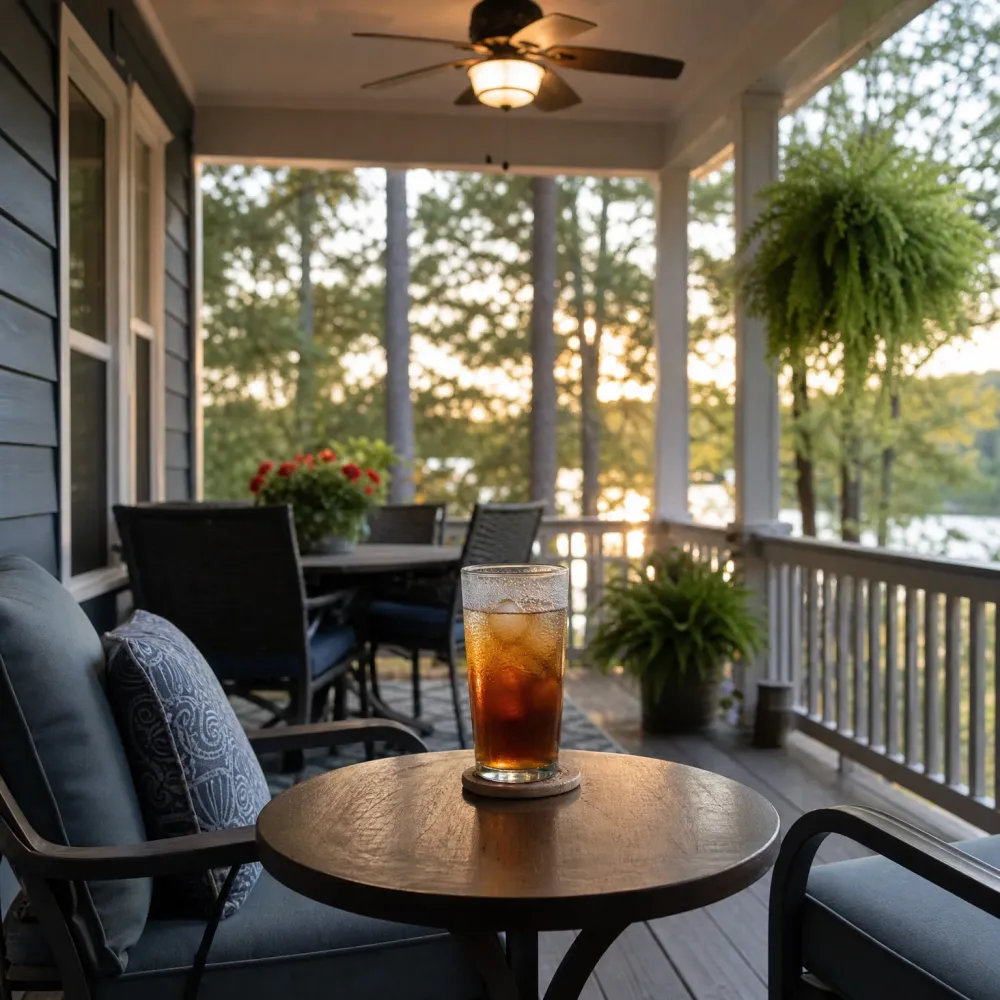
    A glass of iced tea on a coaster atop a round table on a covered porch with cushioned chairs, a ceiling fan, white railings, hanging and potted ferns, and blurred trees and water in the background at sunset.
  • Heats and cools in one system

    A heat pump runs the same way all year. It pulls heat into the house in winter and pushes it out in summer.

    A living room with a beige sofa holding grey and cream cushions and a grey fringed throw, beside a white-framed window overlooking a green garden, with a grey built-in cabinet and shelves holding vases and flowers at right and a rustic wooden coffee table in the foreground.

Where does a furnace shine?

  • Fast, strong heat on demand

    A furnace pushes out hot air within minutes of switching on. A cold house warms up fast.

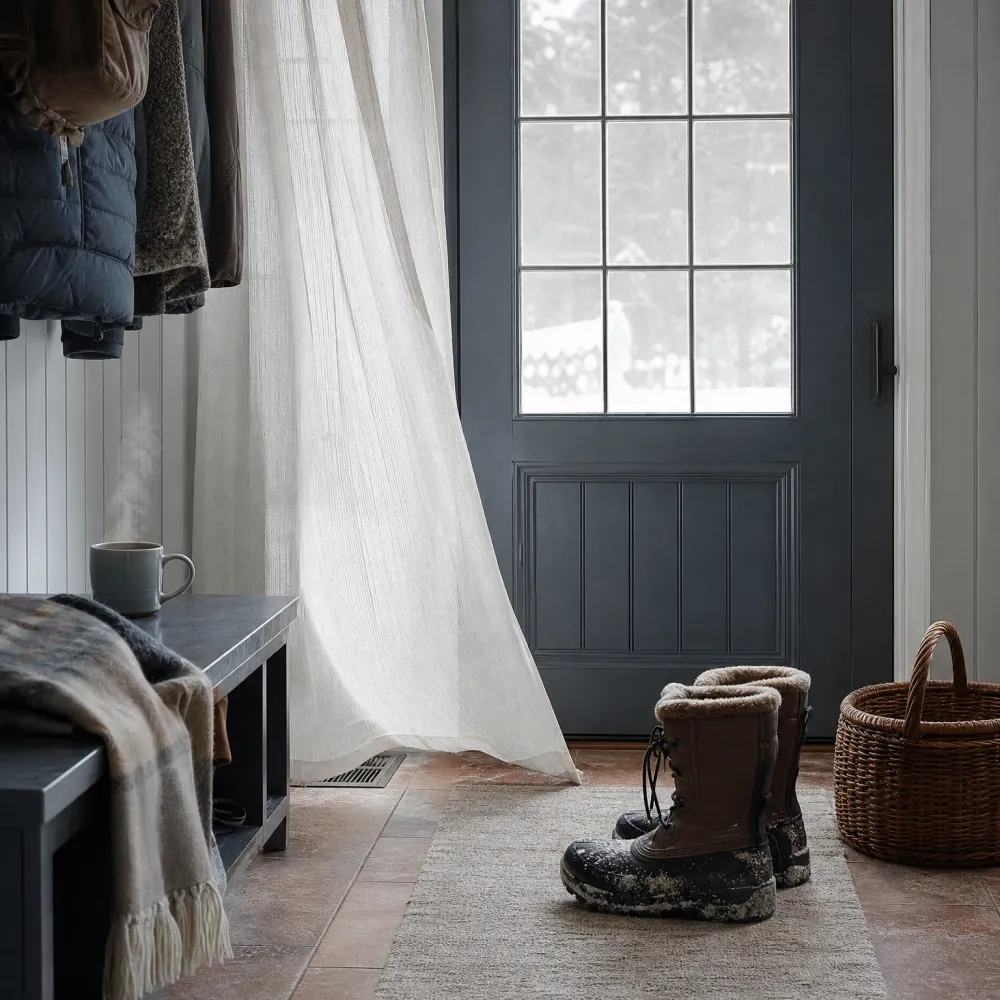
    An entryway with a dark glazed door showing snow outside, a sheer curtain, coats on hooks, a dark bench with a fringed blanket and mug, a wicker basket, and a pair of snow-covered brown winter boots on a rug over tile.
  • Proven, simple, easy to get serviced

    Parts are easy to find and most repairs are routine. Getting one fixed rarely means waiting on a specialist.

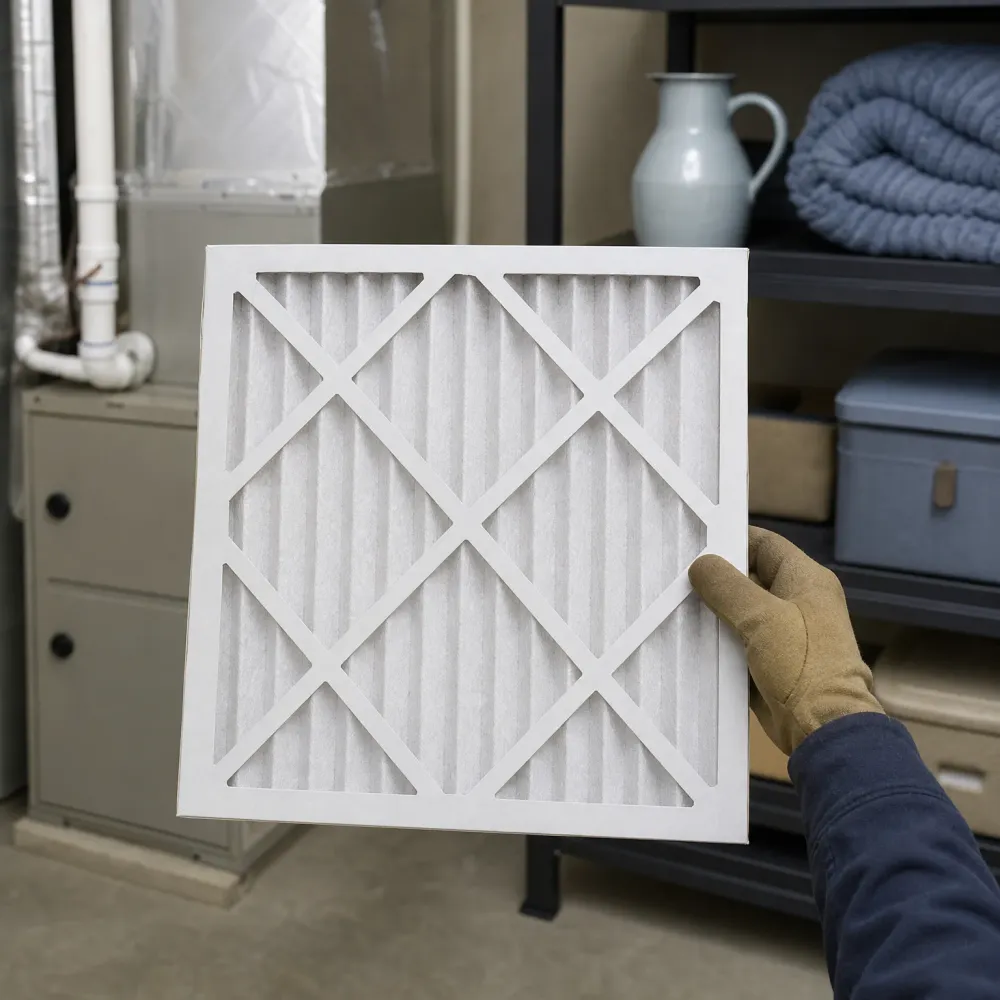
    A gloved hand holds a white pleated air filter with a cardboard frame in front of indoor shelving holding a folded blanket, a pitcher, and storage boxes.
  • Pairs with any central AC

    Most central air systems are built around a furnace. The two share the blower, the ducts and the thermostat.

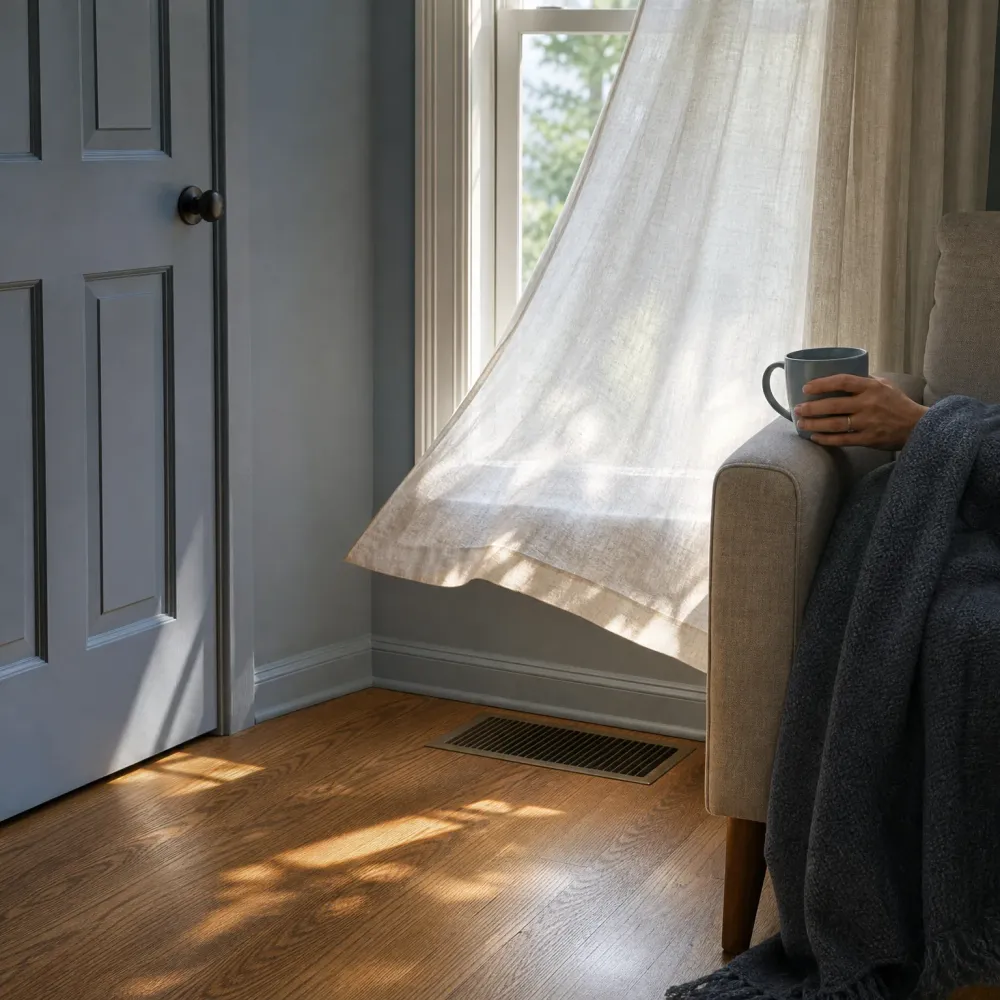
    A person's hand holding a gray mug rests on the arm of a beige sofa draped with a dark knit blanket, beside a window with a billowing sheer curtain, with a gray paneled door and sunlit wood floor at left.

Winters here don't ask much of a heat pump

Heat runs about five months here, November through March, and the overnight low over those months averages 43 degrees. That's mild. A heat pump does its best work above freezing, and most nights here stay there. It falls to 32 or below about 20 nights a year, under a quarter of the nights the heat even runs. Those are the nights a heat pump has to lean on backup heat to keep up, and the rest of the season it just works.

Cooling is the longer season here, seven months against five, April through October, with afternoons hitting 90 or above about 85 days a year. A furnace has nothing to do with any of that. It heats, and for seven months of the year it sits unused while a separate AC carries the load. A heat pump is that AC. It heats the five months you need heat and cools the seven you need cooling, out of one system.

Running costs follow from the same mild winters. A heat pump here costs $1.56 to make 100,000 Btu of heat, a furnace $2.00, about 22 percent more. That gap holds because Louisiana electricity runs $34.38 per million Btu against gas at $16.04, but a heat pump moves heat instead of burning fuel for it, so it gets more out of every dollar even at the higher electric rate.
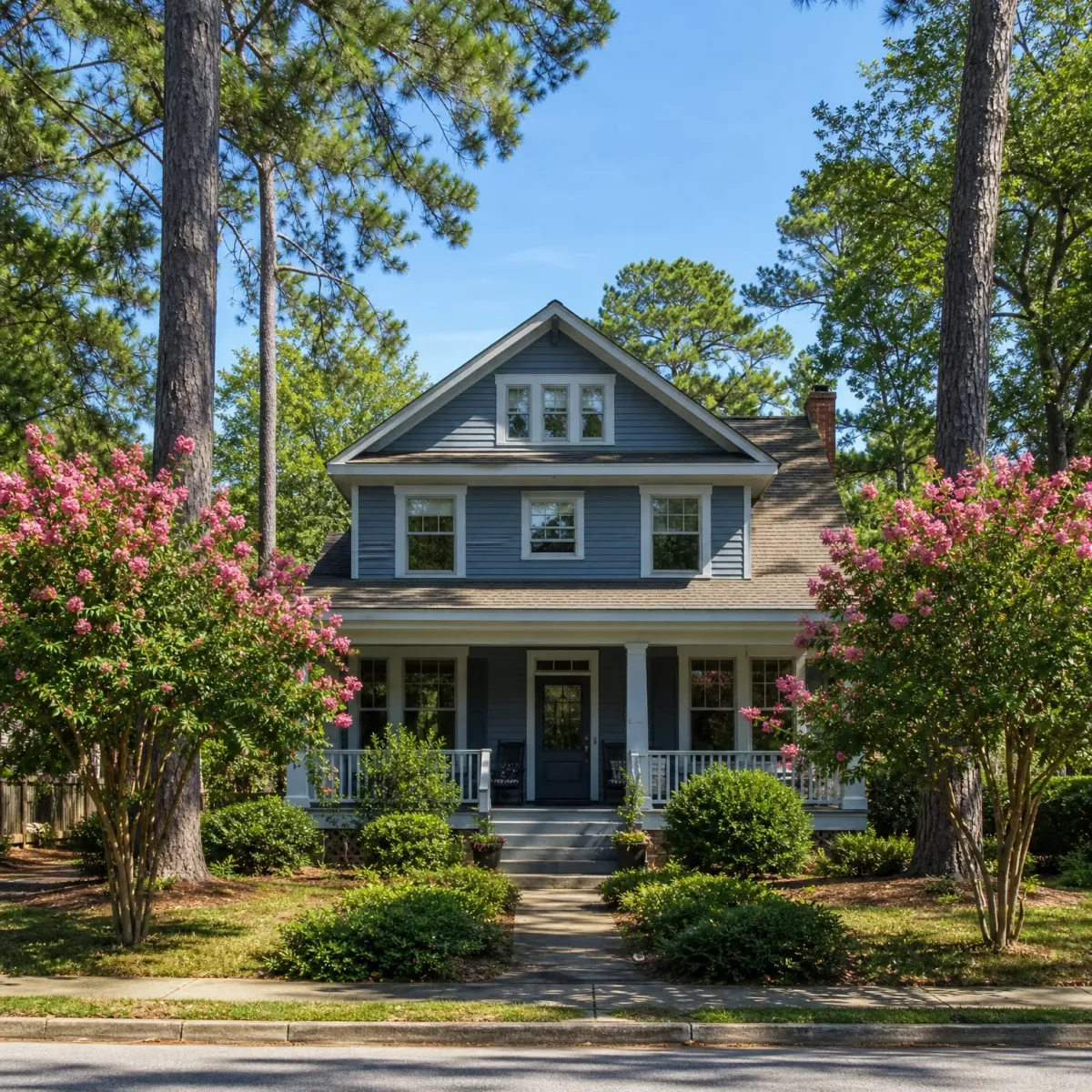
A two-story blue clapboard house with white trim, a covered front porch with columns and railings, and a gabled dormer, flanked by pink-flowering crape myrtles and tall pine trees, with a walkway leading to the street.

What the other third of the parish already knows

Two out of three homes here already heat with electricity, and gas heats about one in three. That split has been shaped by the same mild winters for years, and a heat pump is what most of those electric homes are running now.

A furnace still has a real case. It puts out hotter air faster, which matters most on the coldest nights, and it's the simpler, more familiar machine to get serviced here, with a gas line and a separate AC doing the two jobs a heat pump does alone. If the house already has gas and ductwork built around a furnace, staying with one is a reasonable call.

But for most houses here, the choice comes down to what the climate actually asks for. Winters are short and mild, summers are long and hot, and a heat pump is built for exactly that pairing. It costs less to run and it replaces two systems with one.

Sources: NOAA nClimDiv · NOAA 1991–2020 seasonal normals · Census ACS 2020–2024 · EIA SEDS 2024 · 10 CFR 430.32

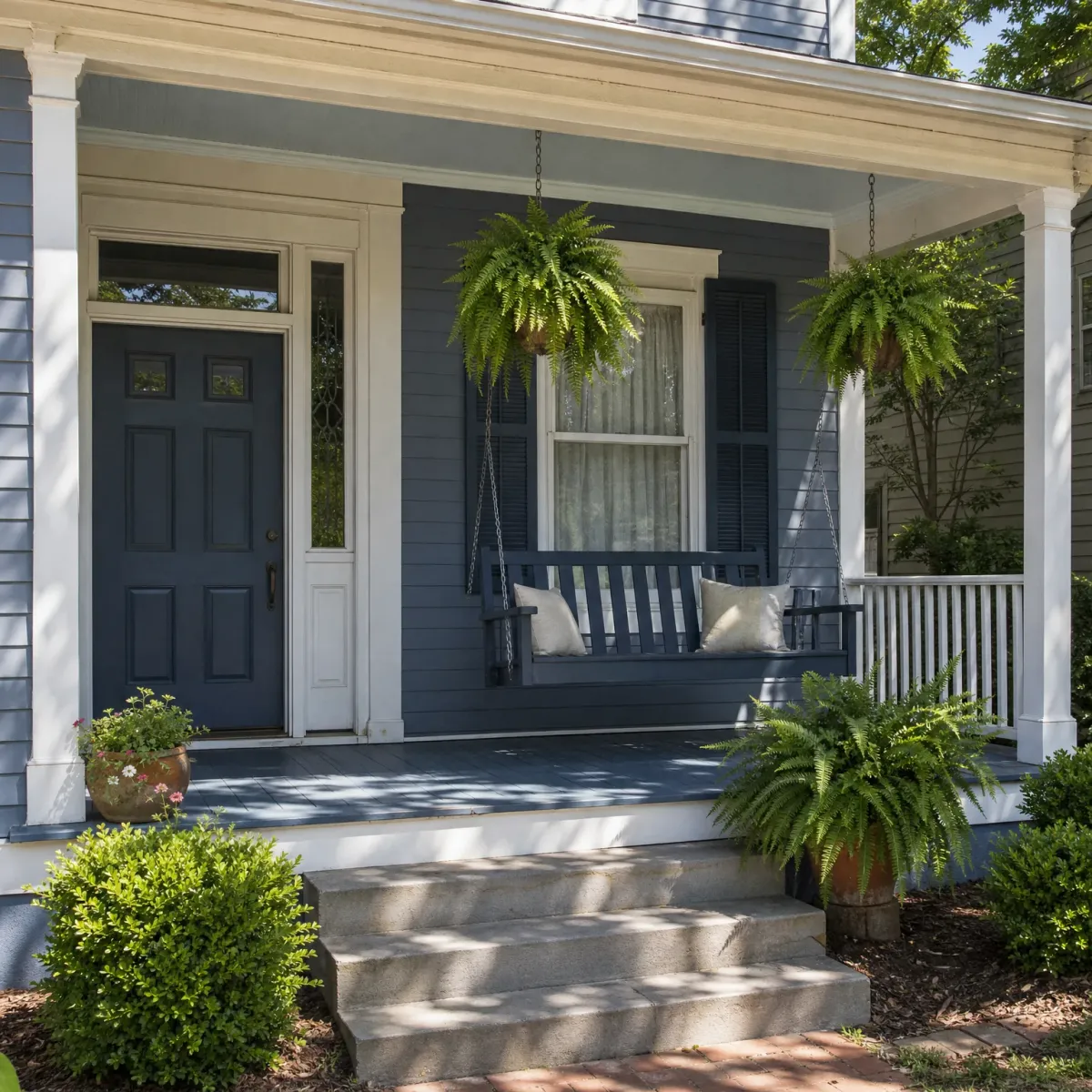
Covered front porch of a house with dark blue-gray horizontal siding, a navy paneled front door with sidelight, a matching porch swing with two white pillows, two hanging fern baskets, white columns and railing, potted plants and trimmed shrubs, and concrete steps leading up to the porch.

Common questions about heat pumps and furnaces

  • Will a heat pump keep my house cool enough here?

    Yes. A heat pump is a central air conditioner in the summer months, using the same compressor and ductwork, and it covers the same long cooling season here, April through October. The afternoon high hits 90°F or above on about 85 days a year, and a heat pump is built to handle that.

  • Can I keep my furnace and add a heat pump?

    Yes, and it's a common setup here. The heat pump handles the mild nights, and the furnace kicks in when it drops to freezing or below, which happens about 20 nights a year in West Baton Rouge Parish. The two share the ductwork you already have.

  • What if my house doesn't have a gas line?

    Without a gas line, the choice is a heat pump, electric resistance heat, or a furnace burning propane or oil. A heat pump costs less to run than electric resistance heat because it moves heat rather than generating it directly, and it also covers the long cooling season here, April through October, so one system does both jobs.

  • Is a heat pump cheaper to run than a furnace in West Baton Rouge Parish?

    Yes. A heat pump runs about $1.56 per 100,000 Btu of heat here against $2.00 for a gas furnace, using Louisiana's average fuel prices. That gap holds because the heat pump moves heat instead of burning fuel to make it, so it gets more heat out of every dollar of electricity than a furnace gets out of a dollar of gas.