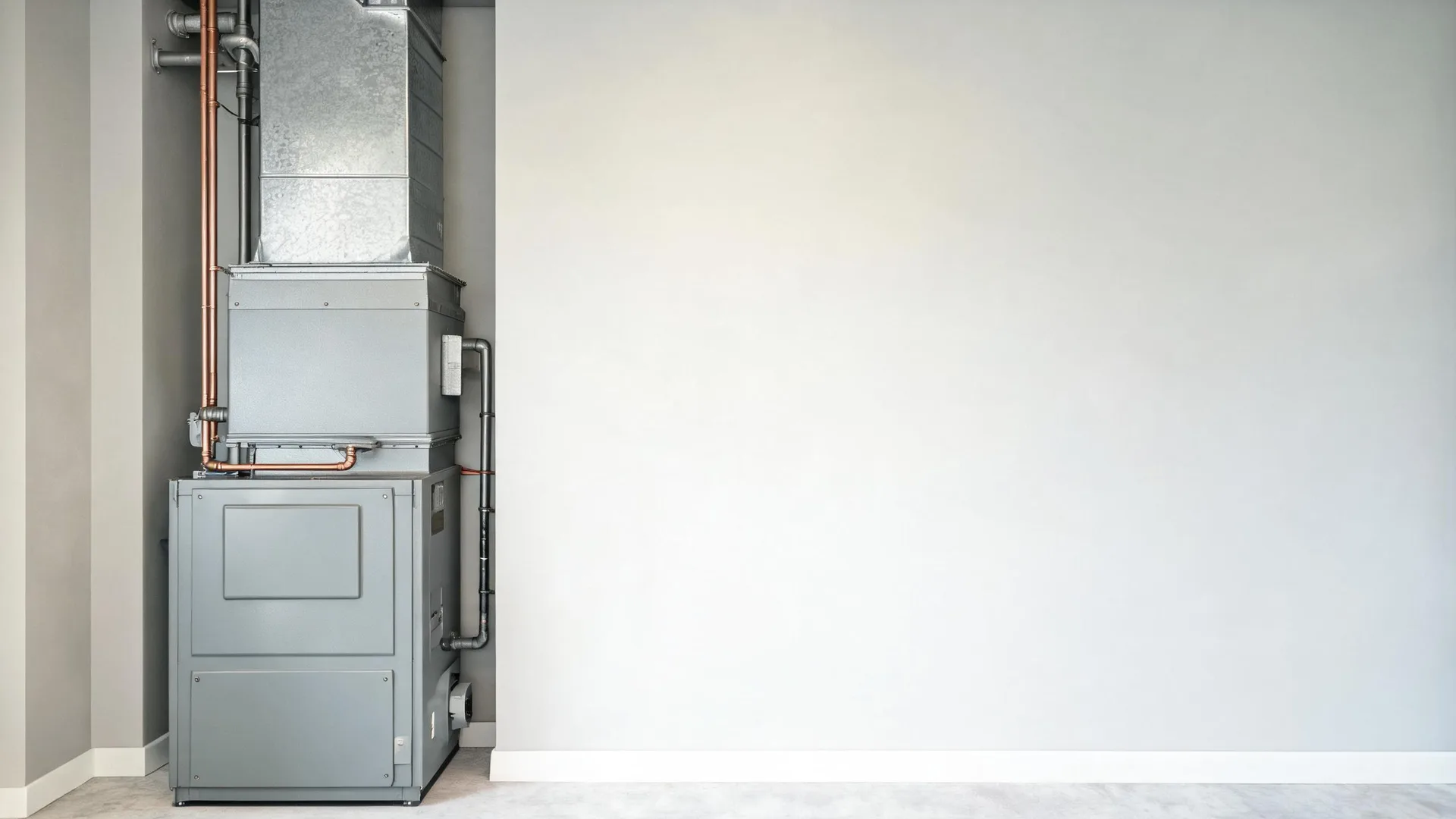
An unfinished basement containing a gray HVAC furnace with ductwork, exposed wooden joists, a concrete floor, and miscellaneous clutter in one corner.

Furnace Installation in Opelousas, LA

Tell us about the job

Takes about a minute. No obligation.

New system or replacementFurnace or heatingSt. Landry Parish, LA
Step 1 of 2

What ZIP code is the job in?

Wind and tornadoes are the main risk here

St. Landry Parish logged 52 damaging wind events and 17 tornadoes in the past decade, far more than hail or ice. A furnace install should account for what's common here, not what's rare. If the job includes outdoor equipment or venting, ask the contractor how it holds up to wind.

A furnace needs power to run, storm or not

The igniter, blower and control board all run on electricity, even in a gas furnace. Nearly half of Louisiana households went at least 24 hours without power in 2024. Worth asking what backup options exist for this install before the system goes in, not after the next outage.

5 months
November through March, your furnace is on duty
43°F
the average winter night it heats against
80% AFUE
the federal minimum any new unit must meet
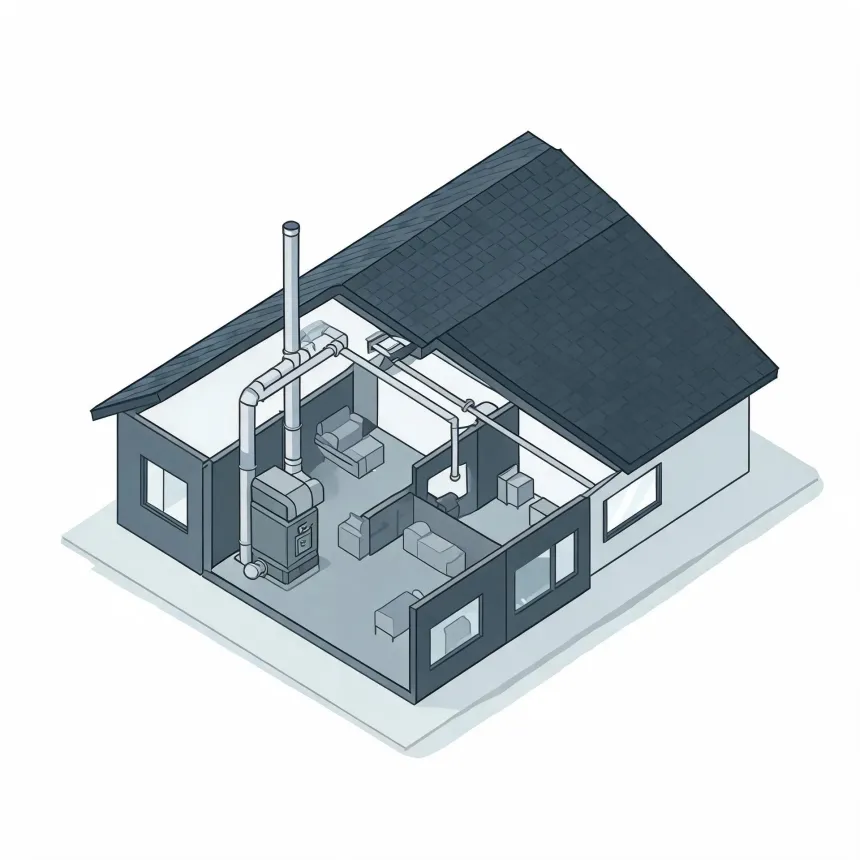
Isometric cutaway illustration of a single-story house showing interior rooms with furniture, a furnace unit connected to ducting and vertical flue pipes running through the roof.
Your furnace works hardest from December through February.

NOAA nClimDiv, 1991–2020 normals

Electricity heats 72.6% of homes in St. Landry Parish.

Gas furnace or electric furnace, the blower and control board still need power to run.

A standard furnace sized right for this house is all this job calls for

Half the homes here were built by 1980
Heat runs November through March
Winter nights average 43°F
Get it done before NovemberFurnace here goes to work in November and runs through March.

Electricity here runs $34.38 per million Btu, among the cheaper rates in the country. That changes what's worth paying extra for. A high-efficiency furnace costs more up front, and in a lot of places that gets made back in lower bills within a few years. Here, with power this cheap, it takes a lot longer to pencil out. A mid-efficiency furnace installed right and sized correctly for the house will run reliably and keep bills reasonable. Where the money is better spent is on a system that holds up to this area's winds and comes back online fast after an outage.

Any furnace installed here has to meet the 80 percent AFUE minimum

St. Landry Parish falls under zone 2A, and any non-weatherized gas furnace installed has to meet at least 80 percent AFUE. That minimum goes up to 95 percent for furnaces made after December 2028. A federal tax credit is available now for furnaces that clear the higher bar early.

Find a contractor
A man in a dark long-sleeve shirt and tan work pants carries a waxed canvas tool bag up concrete steps toward a blue front door of a gray-sided house, with potted shrubs nearby.
A gray high-efficiency gas furnace installed in an unfinished basement, surrounded by gas lines, a condensate drain, and sheet-metal ductwork.

Five months of work, and none of it brutal

Furnace season here runs about five months, November through March. Overnight lows average 43°F through the coldest stretch, December through February. That's a mild ask compared to what furnaces handle further north. A system sized right for this house won't be straining through winter, and a straightforward repair down the line is usually worth doing rather than a sign the unit is done for. The mildness also means you don't have to chase the highest efficiency number to get a furnace that holds up here.

A furnace too big cycles on and off instead of running steady

An oversized furnace heats the house fast, shuts off, then starts again a few minutes later. Each cycle wears the igniter and blower motor a little more. The house ends up with warm bursts instead of even heat. Sizing is about matching output to how fast the house actually loses heat, not rounding up for safety.

The right size comes from a load calculation, not the old unit's label

A contractor works out furnace size from the house itself. Square footage, ceiling height, window area, insulation, how many walls face outside, all of it factors in. The furnace being replaced may have been sized wrong from the start, so matching it just repeats the mistake. The calculation is what the job should be priced against, not a guess carried over from the last install.

AFUE is the number on the label, and it tells you how much of the fuel burns into heat for the house versus how much goes out the flue. A furnace with a higher AFUE wastes less out the vent than one with a lower rating. That number says nothing about whether the furnace is sized right for the house, or whether it was installed with the ducts sealed and the gas pressure set correctly. A high-efficiency furnace installed sloppy will underperform a mid-efficiency one put in right. The rating is one factor among several, worth weighing against what the furnace costs up front and how long it takes to make that back in lower bills.

Installation starts with the old furnace coming out, along with any ductwork or venting that no longer meets code. The new unit gets set in place. Then the gas line gets connected, the venting gets run, the ductwork gets sealed at every joint, and the electrical gets hooked to the control board. A tech sets the gas pressure to spec rather than trusting the factory default, since the supply line affects it. Once it's running, airflow gets checked and the temperature rise gets measured against what the manufacturer calls for. A furnace can be physically installed in a few hours and still be set up wrong if these steps get skipped. The last part is usually a walkthrough of the thermostat and filter location, so the homeowner knows the system rather than just having a box that showed up.