




A nighttime street scene featuring a row of lit white colonial-style houses with wrap-around porches, flanked by oak trees draped in Spanish moss.

Furnace Installation in Bossier City, LA

Tell us about the job

Takes about a minute. No obligation.

New system or replacementFurnace or heatingBossier Parish, LA
Step 1 of 2

What ZIP code is the job in?

Electricity here runs $34.38 per million Btu, among the cheaper power in the country. A high-efficiency furnace still burns less gas or draws less power every month it runs, but the dollar gap between a mid-efficiency and a top-tier model closes slower than it would somewhere with pricier power. That changes what's worth paying for up front. Put the extra money toward a furnace sized right for the house and installed with attention to the ductwork, not just the highest efficiency number on the sticker. A furnace that holds up through a long outage and starts back up without trouble matters more here than shaving a few more dollars off the monthly bill.

5 months
November through March, your furnace is on duty
38°F
the average winter night it heats against
80% AFUE
the federal minimum any new unit must meet
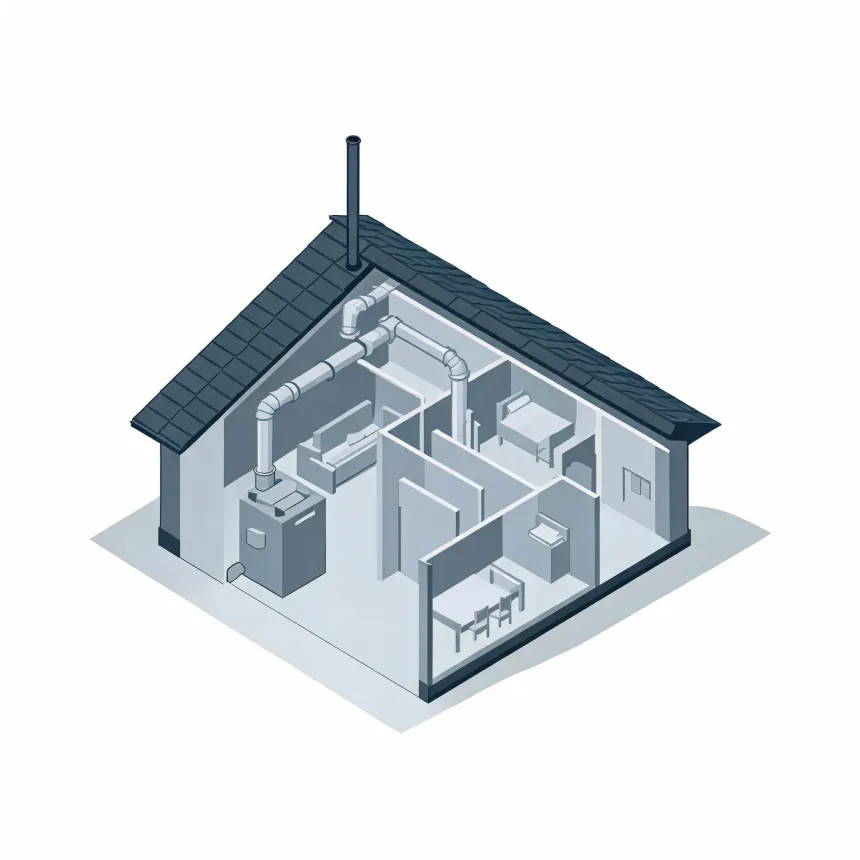
Isometric cutaway illustration of a small single-story house showing interior rooms with furniture, a furnace unit with attached ductwork running to a roof flue, and a dark shingled roof.
Your furnace works hardest from November through February.

NOAA nClimDiv, 1991–2020 normals

Furnaces in Bossier Parish start running in November.

Get a new furnace installed by October, before the first cold night puts it to work.

Five months of mild winters means a furnace here doesn't have to work hard to earn its keep

Heat runs November through March
Winter nights average 38°F
7 winter storms from 2015 to 2024

A contractor can walk you through sizing and duct fit before you even start comparing efficiency ratings. Ask what happens to the furnace during a storm outage, since that's a fair question here and most installers have a straight answer. A furnace that restarts cleanly after the power drops and comes back is worth more than a fraction of a point on the efficiency rating. If your ductwork hasn't been looked at in a while, that's worth asking about too, since a well-matched furnace moving air through leaky or undersized ducts won't perform the way the sticker promises.

Electric heat is the norm here, and that's the simplest system to replace

Most homes in Bossier Parish heat with electricity. Gas reaches about four in ten, and only a small number run on propane. If your house already has an electric furnace or heat pump, replacing it with the same keeps the install simple and keeps you clear of running a new gas line. Start there, then ask your contractor what size and setup fits the house you have.

Find a contractor
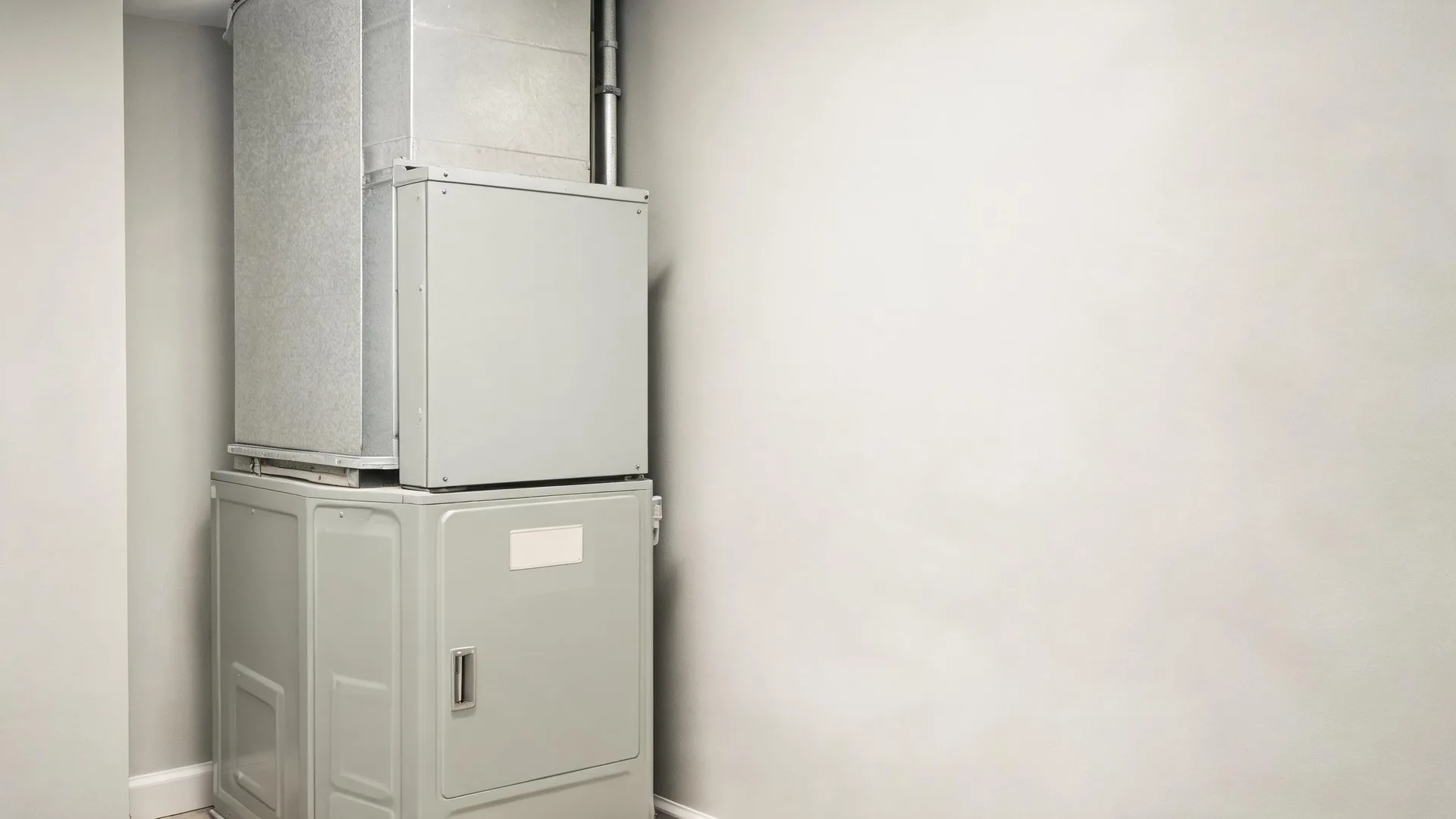
A gray high-efficiency gas furnace installed in an unfinished basement, surrounded by gas lines, a condensate drain, and sheet-metal ductwork.

Five months of light work

Five months of work a year, with overnight lows averaging 38°F in the coldest stretch, is not a hard life for a furnace. It won't be pushed to its limit here. That is the case for picking a reliable system over the highest efficiency rating on the sticker, same as the money is better spent on sizing and duct work than on a fraction of a point in efficiency. A furnace that sits idle most of the year still needs to start clean on the first cold night and again after the power drops, since storms here knock it out more than once a decade. Light duty does not mean it can skip that test.

The furnace is one part of the job

A furnace costs what it costs, but setting it is only part of the work. The ducts have to carry what it pushes, the vent has to clear the right way, and the gas line or electrical circuit has to match what the new unit draws. A straight swap in a house whose ductwork still fits is a simpler job than one where the ducts need resizing or rerouting to work with the new furnace.
Sizing costs you either way if it's wrong

A furnace too big for the house cycles on and off instead of running steady, and that wears the parts that start it up. One too small runs long stretches trying to keep up and never quite gets there. Getting the size right the first time, matched to the house and the ducts it feeds, is what makes the rest of the install worth paying for.

The percentage on the label, AFUE, tells you how much of the fuel burning in the furnace turns into heat in your house versus how much goes out the flue. A furnace rated higher wastes less gas doing the same job. But that number only describes the unit itself, not what happens after the air leaves it. A high-efficiency furnace pushing warm air through ducts that leak into the attic or a crawlspace loses some of that gain before it ever reaches a room. The rating also doesn't say anything about how the furnace handles starting up cold, cycling on a mild night, or coming back after the power's been out. Furnaces with the same number on the sticker can behave differently once they're actually installed and running in a real house. The efficiency rating is worth knowing, but it's one line in a longer conversation about sizing and ductwork, not the whole decision.

Installation day starts before the crew touches the old furnace, with the gas or electrical shut off and the work area cleared. The old unit comes out, and whatever's left behind, the vent pipe, the gas line, the return plenum, gets checked against what the new furnace needs rather than just hooked back up as is. Setting the new furnace means leveling it, connecting the ducts on the supply and return side, running the vent, and tying in gas or power. Once it's in, the real work is in the testing. A tech checks the gas pressure or the electrical draw, confirms the flue is drafting properly, and runs the furnace through a full cycle to see that the burners light clean or the elements heat evenly, that air moves through every room it's supposed to, and that the system shuts off and restarts the way it should. A furnace that passes that test on day one is far less likely to give you trouble in the months after.