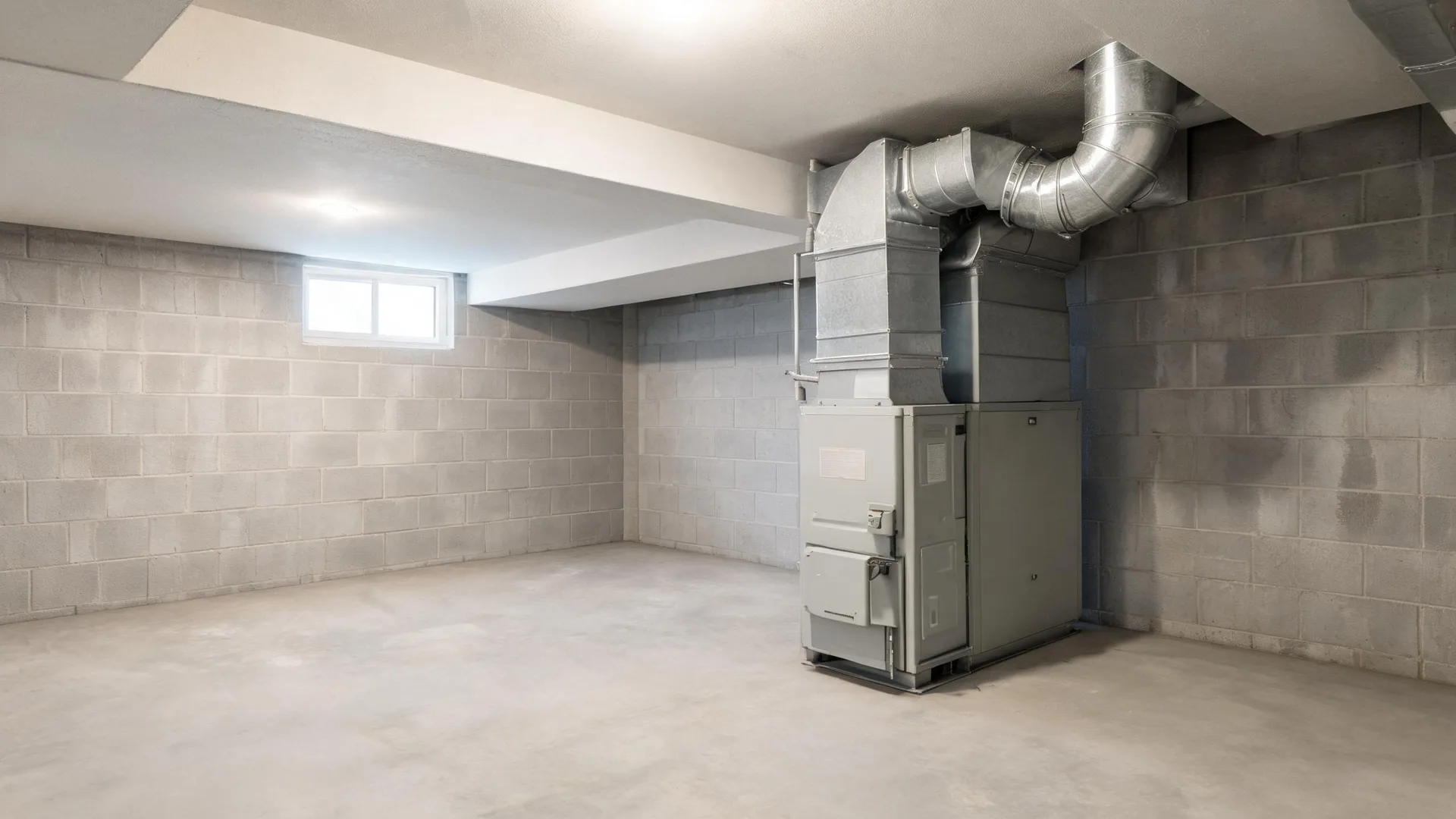
Most homes here heat with electricity
Electricity heats 64.6% of occupied homes in St. Mary Parish. Utility gas accounts for most of the rest, at 34.6%. A furnace install here is more often an electric furnace or heat pump than a gas furnace.
Takes about a minute. No obligation.
Electricity heats 64.6% of occupied homes in St. Mary Parish. Utility gas accounts for most of the rest, at 34.6%. A furnace install here is more often an electric furnace or heat pump than a gas furnace.
If your home has electric heat now, an electric furnace or heat pump keeps the install simple since the wiring is already there. Switching to gas means running a gas line that may not exist on your property, which adds real work to the project.
NOAA nClimDiv, 1991–2020 normals
Half the homes in St. Mary Parish were built in 1976 or earlier, half in 1976 or later.
A furnace sized for this place doesn't change with the age of the house, just what's already hooked up to it.




St. Mary Parish sees its share of severe weather, from wind and hail to the occasional hurricane passing through. None of that changes what size furnace a home here needs or how efficient it has to be. A standard furnace, sized the normal way for the house, handles this climate fine. The weather here is a reason to think about power loss and quick repairs, not a reason to size up or pay more for a higher-efficiency unit than the home actually calls for.
Furnaces here run November through March, and overnight lows average 47°F through the coldest stretch. That is a mild load for a furnace to carry. A well-installed standard furnace will handle what this parish asks of it without strain, year after year.
Find a contractorWatch the clip run through a full day and most of it is idle furnace. Heat only runs November through March here, so for the other months this machine sits. Even in the cold stretch it is not working hard, since overnight lows average 47°F. A furnace that spends most of its year doing nothing doesn't need a top efficiency tier to hold up. Put the money into a correct installation instead.
The AFUE number on a furnace tells you what share of the gas or electricity it burns turns into heat in the house, and what share goes out the flue or gets lost in the cabinet. A higher number means less waste, nothing more. It does not tell you how evenly the house heats or how long the furnace lasts. Furnaces with the same rating can still feel different to live with depending on how the ductwork is sized and installed.
The gap between a standard furnace and a high-efficiency one shows up in how much fuel gets saved over a winter's worth of running. That gap only matters if the furnace is working long hours against hard cold. Where the furnace sits idle most of the year and the cold stretch is mild, there is less fuel being burned in the first place, so there is less for a higher rating to save. The install still has to be done right. The rating tier matters less.
A furnace that's too big for the house will still make heat, but it won't run long enough at a time to do its job right. It fires, satisfies the thermostat fast, and shuts off, so the air near the floor warms while the rest of the room barely moves. Do that enough times a day and the igniter and blower see more wear than they would running longer and less often. Too small, and the furnace runs nonstop during the coldest nights and still falls behind. Getting the size right means a contractor works out the heat loss of the house itself, the walls, the windows, the ceiling, not just the floor space. Houses that look alike from the street can call for different furnaces depending on how they're built.
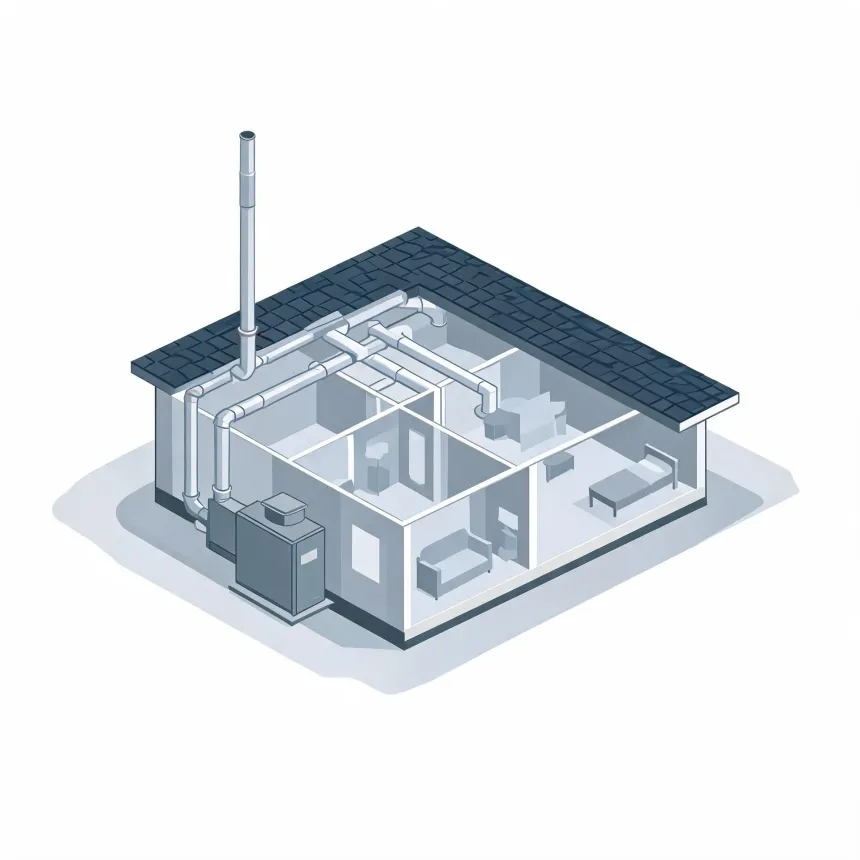
Installation day starts with the old furnace coming out, not the new one going in. A contractor disconnects the gas or power, pulls the unit, and takes a real look at the ductwork and vents now that the cabinet is out of the way. Any duct that's crushed, disconnected, or too small for the new furnace gets addressed before the new unit ever goes in, since a perfect furnace on bad ductwork still heats the house poorly. The new furnace gets set, leveled, and connected to the gas line or wiring, the ducts, and the vent that carries exhaust outside. Once it's hooked up, the contractor fires it and checks the flame or heat strips, the blower, and the temperature rise through the system against what the manufacturer calls for. The last step is combustion and safety checks, making sure nothing is spilling exhaust into the house before anyone calls the job done.