




White two-story houses with wraparound porches and Spanish moss-draped oak trees photographed along a residential street at night.

Furnace Installation in Bastrop, LA

Tell us about the job

Takes about a minute. No obligation.

New system or replacementFurnace or heatingMorehouse Parish, LA
Step 1 of 2

What ZIP code is the job in?

Electricity in Louisiana ran about $34.38 per million Btu in 2024, cheaper than in most states. That changes what's worth paying for in a furnace. A high-efficiency model still costs more to install, and here it takes longer for the lower gas or electric bills to make up that difference. Given what this area deals with in storms and outages, putting that money toward a furnace that starts reliably and holds up through a hard freeze makes more sense than chasing the highest efficiency rating on the shelf. Fit for your house and dependability when the power's been out for a while matter more than shaving a few dollars off a bill that's already lower than most people pay.

5 months
November through March, your furnace is on duty
37°F
the average winter night it heats against
80% AFUE
the federal minimum any new unit must meet
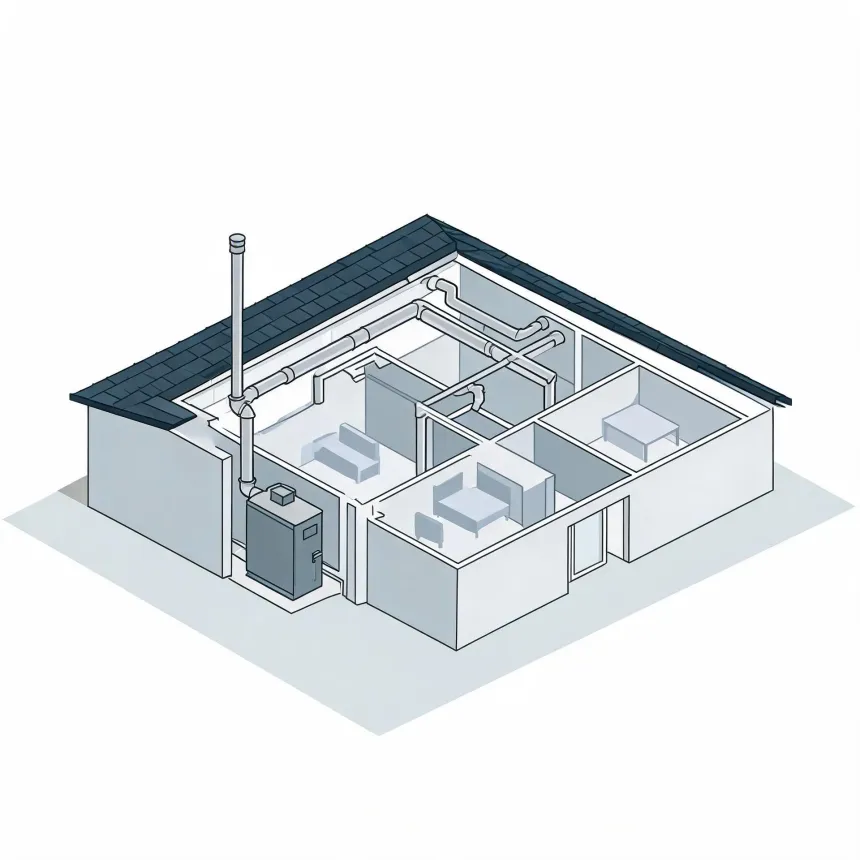
Isometric line illustration of a cutaway single-story house showing interior rooms with furniture, ceiling ductwork, and an exterior furnace unit with a tall flue pipe.
Your furnace works hardest from November through February.

NOAA nClimDiv, 1991–2020 normals

Half the homes in Morehouse Parish were built in 1977 or earlier.

Old house or new, a standard size furnace sized to fit is what gets the job done.

Most homes here run on electric heat, and a furnace install should match that

59% of homes heat with electricity
Heat runs November through March
Winter nights average 37°F

Furnaces here aren't asked to do much. Heat only runs about five months a year, November through March, and overnight lows average 37°F even in the dead of winter. That's a mild workload compared to what furnaces handle further north. A furnace built to run hard through a long, harsh winter is more machine than this climate calls for. What matters more here is whether it starts up reliably, including after a winter storm, which this parish has seen more than once in recent years.

Have the new furnace in before November

November is when heat goes on here. Putting a furnace in before October ends means it's broken in and running before the first cold night, not during one.

Find a contractor
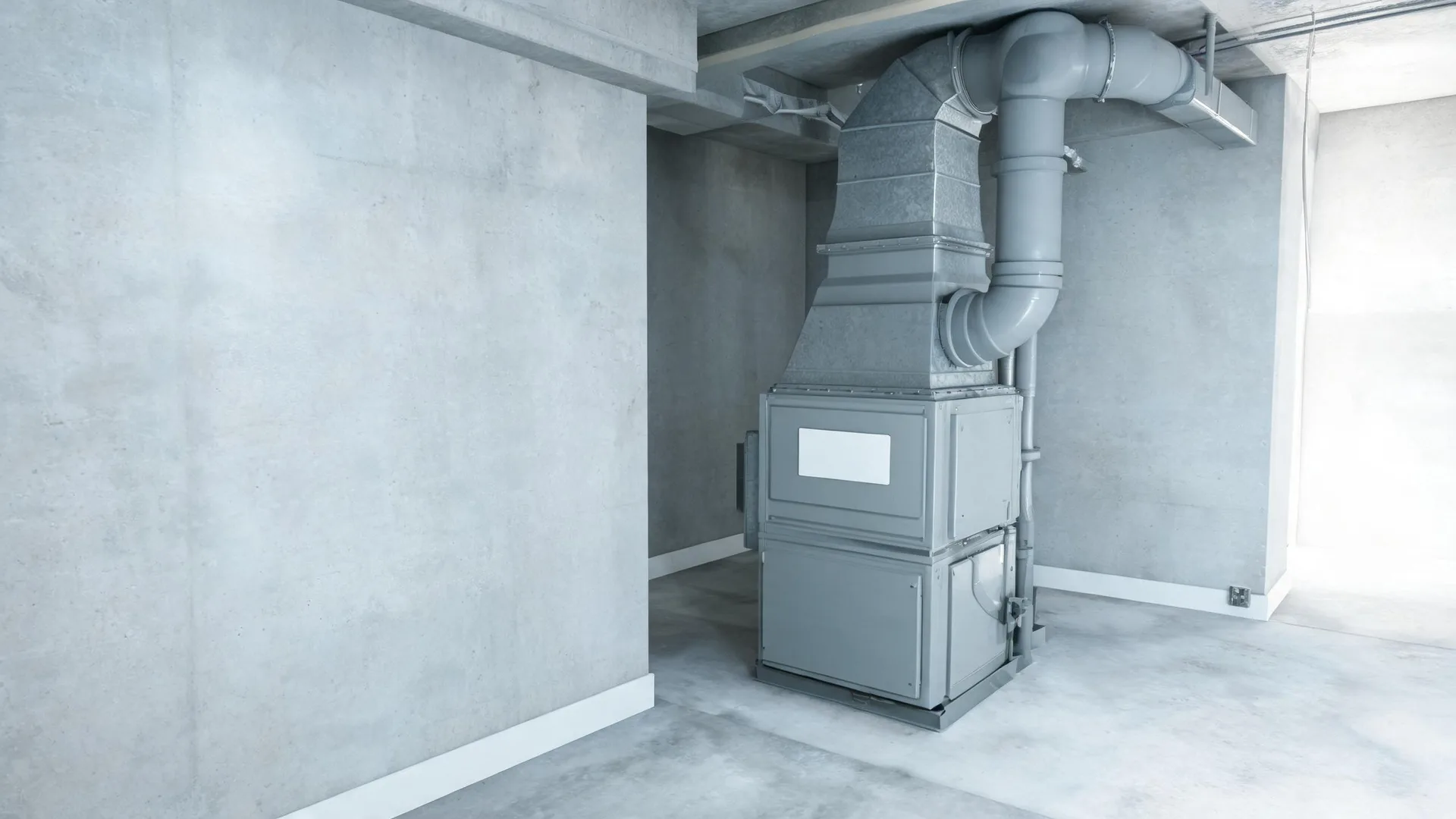
A gray residential gas furnace installed in an unfinished basement, connected to sheet-metal ductwork and PVC pipes.

What a furnace does when the power comes back matters as much as what it costs

Ask what happens to each furnace when the power blinks. Some ignition systems restart on their own the moment power returns. Others need a person to relight a pilot or reset a switch before heat comes back. Ask how the furnace is staged, meaning whether it runs at one fixed output or ramps up and down depending on how much heat the house needs. A furnace that only knows full blast will heat the place fast then shut off completely, cycling on and off more often. One that modulates runs longer at a lower output and holds a steadier temperature. Ask about the blower motor too. A furnace that short-cycles, turning on and off in quick bursts instead of running a full cycle, wears out its parts faster than one sized and matched to the house correctly. None of this shows up on a price tag, but it's what decides how the furnace actually behaves once it's installed.

The old furnace gets disconnected and hauled off

The gas line gets capped, the vent or flue gets sealed or removed, and the old unit goes out the door. If it's a gas furnace, the line needs a proper cap, not just a closed valve, before anyone leaves the job.
The vent and gas sizing may need a second look

A new furnace doesn't always move the same amount of air or burn gas at the same rate as the one it replaces. The flue has to be sized to vent what the new unit actually puts out, and the gas line has to deliver what it actually needs. Skipping that check is how you end up with a furnace that doesn't vent right or doesn't get enough fuel to run as built.

A furnace gets sized by figuring out how much heat a house actually loses on the coldest night, not by guessing or matching whatever was there before. A contractor works that out room by room, looking at square footage, windows and insulation, then adds it up into a number the furnace has to meet. Too big and the furnace blasts the place to temperature and shuts off before it finishes a full cycle, so rooms end up with hot and cold spots and the parts wear out faster from all that starting and stopping. Too small and it runs constantly trying to catch up, never quite getting there when it's coldest outside. Getting the size right the first time is what makes a standard furnace the right call, so the new one keeps doing what the old one did without either problem showing up.

Installation day starts with the old furnace coming out and the new one going through startup checks before anyone calls it done. Gas pressure gets tested and set to spec, not just eyeballed. Electrical connections get checked, including the ones that run the igniter and blower. The contractor runs the furnace through a full cycle, heat on, blower running, heat off, and watches how it behaves, not just whether it turns on. Airflow gets checked at the vents to make sure the ductwork is moving what the furnace is putting out. Before anyone leaves, carbon monoxide gets tested near the unit and at the vent to confirm nothing is leaking into the house. A furnace that passes all of that on day one is a furnace that's going to start the same way on the first cold morning.