






An empty unfinished basement containing a forced-air furnace with overhead ductwork, exposed ceiling joists, and a single hanging light bulb.

Furnace Installation in Monroe, LA

Tell us about the job

Takes about a minute. No obligation.

New system or replacementFurnace or heatingOuachita Parish, LA
Step 1 of 2

What ZIP code is the job in?

Ouachita Parish has seen 86 damaging wind events and 39 hail events over the past ten years. That matters at install time, because most new furnace systems come with an outdoor unit, and that unit sits outside through all of it. Where the installer places it, what's planted nearby, and whether a branch overhead could come down on it are worth going over before the work starts. Power is the other piece. A furnace won't run without electricity even when the gas line is fine, and outages here aren't rare. If a generator hookup or battery backup is something you want, raise it now while the system is still being planned.

5 months
November through March, your furnace is on duty
37°F
the average winter night it heats against
80% AFUE
the federal minimum any new unit must meet
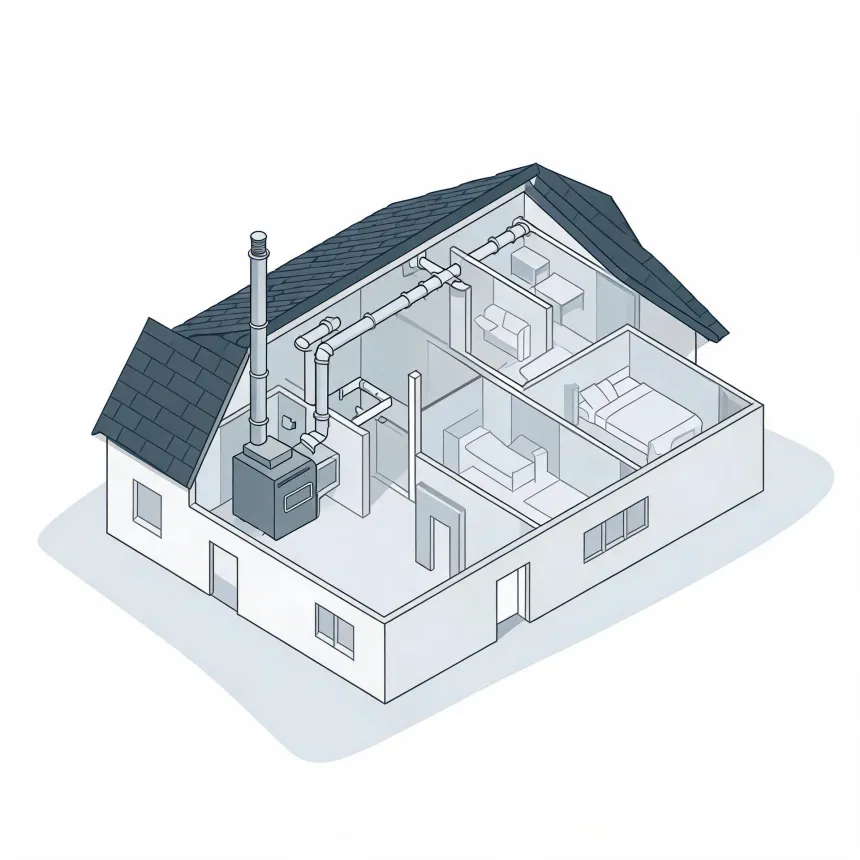
Isometric line illustration of a cutaway house showing interior rooms with furniture and a furnace with ducting and a flue pipe extending through the roof.
Your furnace works hardest from November through February.

NOAA nClimDiv, 1991–2020 normals

Furnaces here start running in November.

Get a new one installed in October and it's broken in before the first cold night, not during it.

66.5% of homes here heat with electricity, so an electric furnace is usually the easy match

66.5% of homes heat with electricity
Heat runs November through March
Winter nights average 37°F
A furnace that doesn't have to work hardHeat runs about five months a year here, and winter nights average 37°F.

Nearly half of Louisiana households lost power for a day or more in 2024. That's worth sitting with when you're deciding what kind of furnace goes in. A gas furnace still needs electricity to run the blower and controls, so a gas line alone doesn't carry you through an outage. If you're leaning toward the electric furnace most homes here already use, the same question applies twice over. Ask the installer what a battery backup or generator hookup would take, and whether it's worth adding now versus bolting on later.

Pick the furnace that will hold up, not the one with the lowest running cost

Electricity here runs $34.38 per million Btu, cheaper than in most states. A high-efficiency furnace takes longer to earn back its price when power already costs less. Put the weight on reliability and fit instead, and let that guide which furnace goes in.

Find a contractor
A man in a gray polo shirt and tan work pants carries a worn canvas tool bag up porch steps toward a closed gray front door, with a potted shrub beside the entry.
A gas furnace with attached ductwork, gas piping, and condensate lines installed in a concrete-block basement.

Light duty, so fit and setup matter more than the rating

Five months of real work, mild nights even in the coldest stretch. That's a short list of demands on the equipment itself, which means the furnace that fits isn't the one with the highest efficiency rating. It's the one sized right for the house and installed correctly from the start. A unit that isn't straining against the cold has less reason to break down from load, so when something does go wrong years from now, it's more likely to be age or a skipped maintenance visit than a system that was overworked.

Sizing is a calculation, not a guess from square footage

A contractor works out furnace size by weighing how much heat the house loses through its walls, windows, attic and doors, not by matching a furnace to floor area. Houses the same size can need different furnaces depending on insulation, window count and ceiling height. That calculation is what tells the installer which furnace to put in, and it should happen before any equipment gets chosen.
Wrong size runs wrong either way

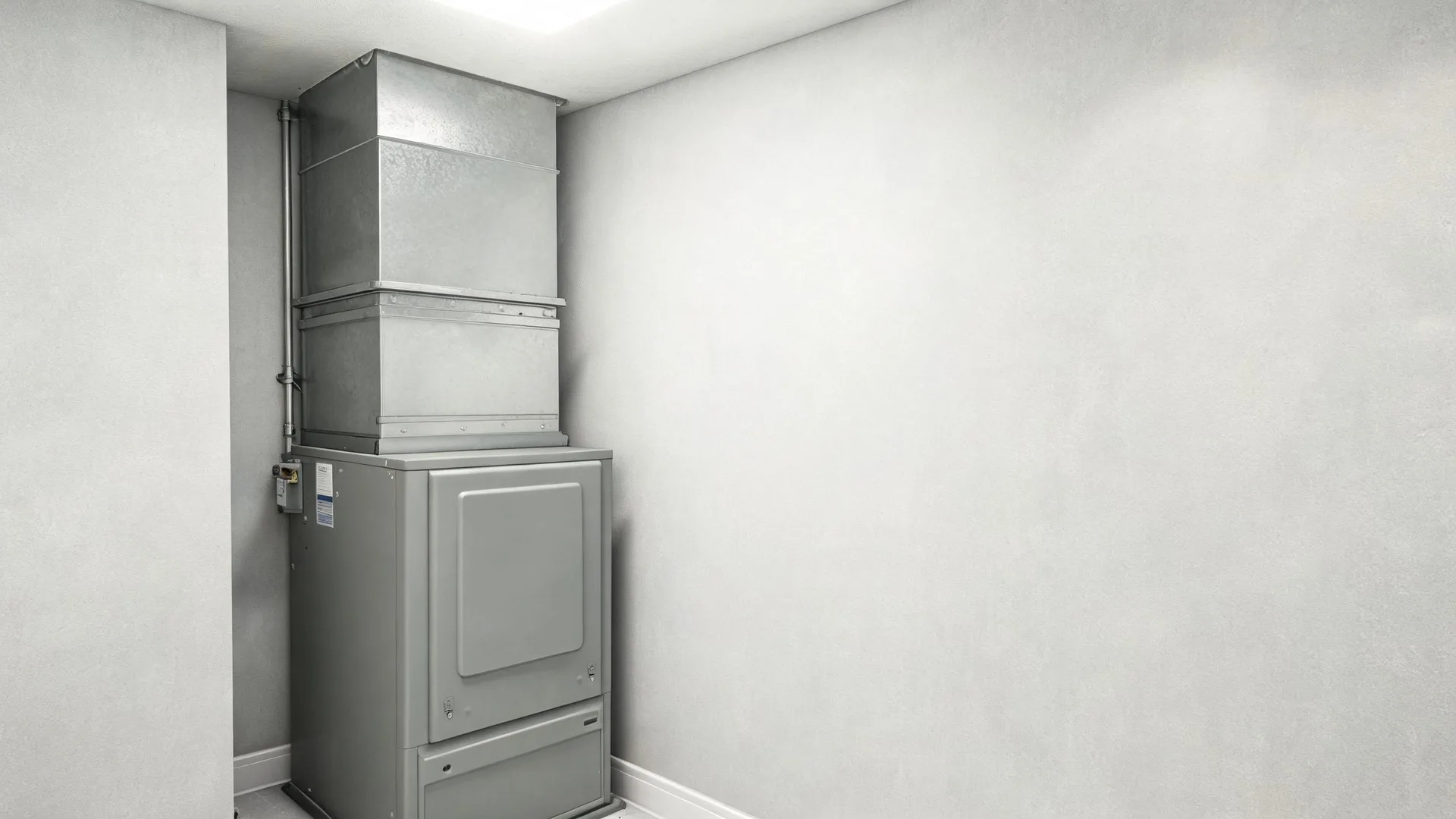
A furnace too big for the house heats the air fast, shuts off, then starts again soon after. That short cycling wears the igniter and blower motor faster and leaves rooms farther from the furnace colder than the rest. A furnace too small runs long stretches without catching up, so it never really gets ahead of the cold. The right size runs long, steady cycles that bring the house to temperature and hold it there.

The efficiency rating on a furnace tells you how much of the fuel it burns turns into heat in the house versus how much goes out the flue. A higher-rated furnace pulls more heat out of the same amount of fuel burned. That rating matters most when the furnace is working hard and often, because every cycle is where the savings or the waste shows up. Where fuel is cheap and the furnace only runs part of the year, the gap between a mid-rated and a high-rated unit takes a lot longer to add up to anything. The rating on the label is worth asking about, but it shouldn't be the only number that decides which furnace goes in. Fit the furnace to the house first, then weigh the rating against what the house will actually ask of it.

Install day starts with the old furnace coming out, and that's often where the real work shows up. Pulling an old unit can reveal a flue or gas line that doesn't meet current code, and that has to get fixed before the new furnace goes in, not after. The new furnace gets set and leveled, then connected to the ductwork, the gas or electric supply, and the venting. Once it's wired in, a good installer runs the system through a full cycle, checking the temperature rise, the airflow at the vents, and that the system shuts off and restarts the way it should. That test run matters more than how the unit looks sitting there. A furnace that's wired correctly but never cycled under load can still have a problem that only shows up once it's been running a while.