




A lit antebellum-style two-story house with white columns and a wraparound porch at night, framed by live oak trees draped in Spanish moss.

Furnace Installation in Napoleonville, LA

Tell us about the job

Takes about a minute. No obligation.

New system or replacementFurnace or heatingAssumption Parish, LA
Step 1 of 2

What ZIP code is the job in?

Most homes in Assumption Parish heat with electricity, close to seven in ten. Gas heat is the exception here, at under a third. If you're replacing a furnace, this points toward an electric furnace rather than a gas one, matched to what's already set up to run it. Going with what the parish already runs means the install crew is working with a setup they see all the time, not a rare one.

5 months
November through March, your furnace is on duty
45°F
the average winter night it heats against
80% AFUE
the federal minimum any new unit must meet
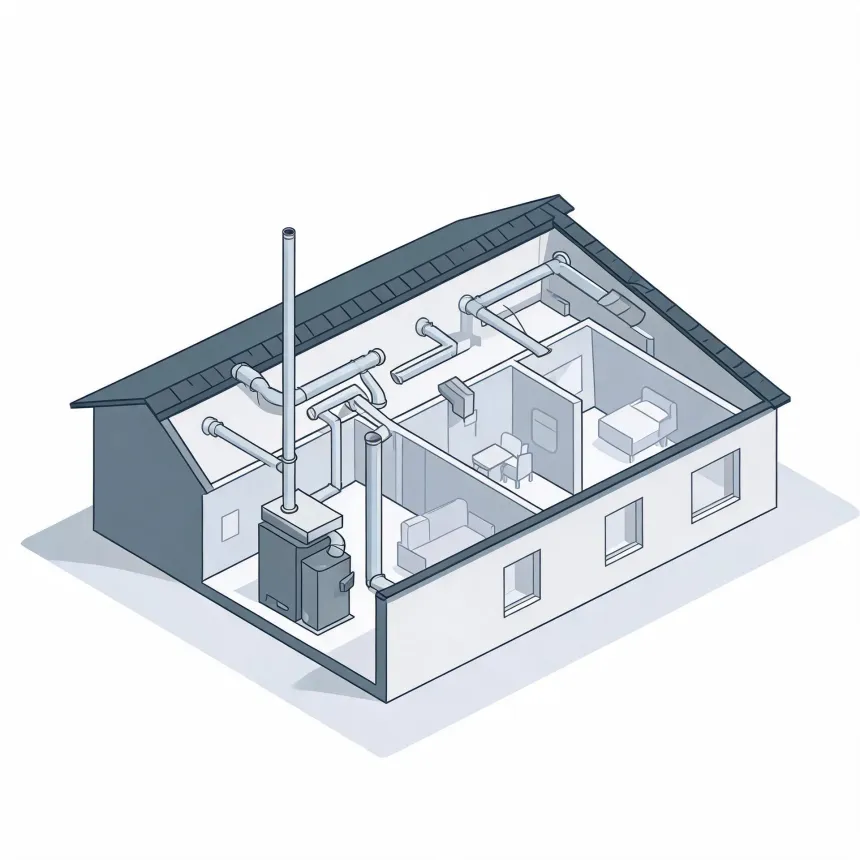
Isometric line illustration of a single-story house cutaway showing interior rooms with furniture, ductwork or piping running along the ceiling, and a boxy furnace unit with a tall vertical flue pipe.
Your furnace works hardest from December through February.

NOAA nClimDiv, 1991–2020 normals

Half the homes in Assumption Parish were built in 1983 or earlier, half in 1983 or later.

A standard furnace size and efficiency rating covers both, no special sizing needed here.

Power here runs $34.38 per million Btu, so the payback on a pricier high-efficiency model is slower

Heat runs November through March
Winter nights average 45°F
Climate zone 2A

An electric furnace needs power to run, no way around that. Assumption Parish has seen its share of severe weather, including tornadoes, hurricanes, and hail, and outages aren't rare here. That's worth raising with the install crew, not because it changes the size or efficiency of the furnace you need, but because it's worth knowing what your options are if the power goes out on a cold night.

Go with the standard fit

A standard size and efficiency fit fine here. There's no local reason to go bigger or pricier.

Find a contractor
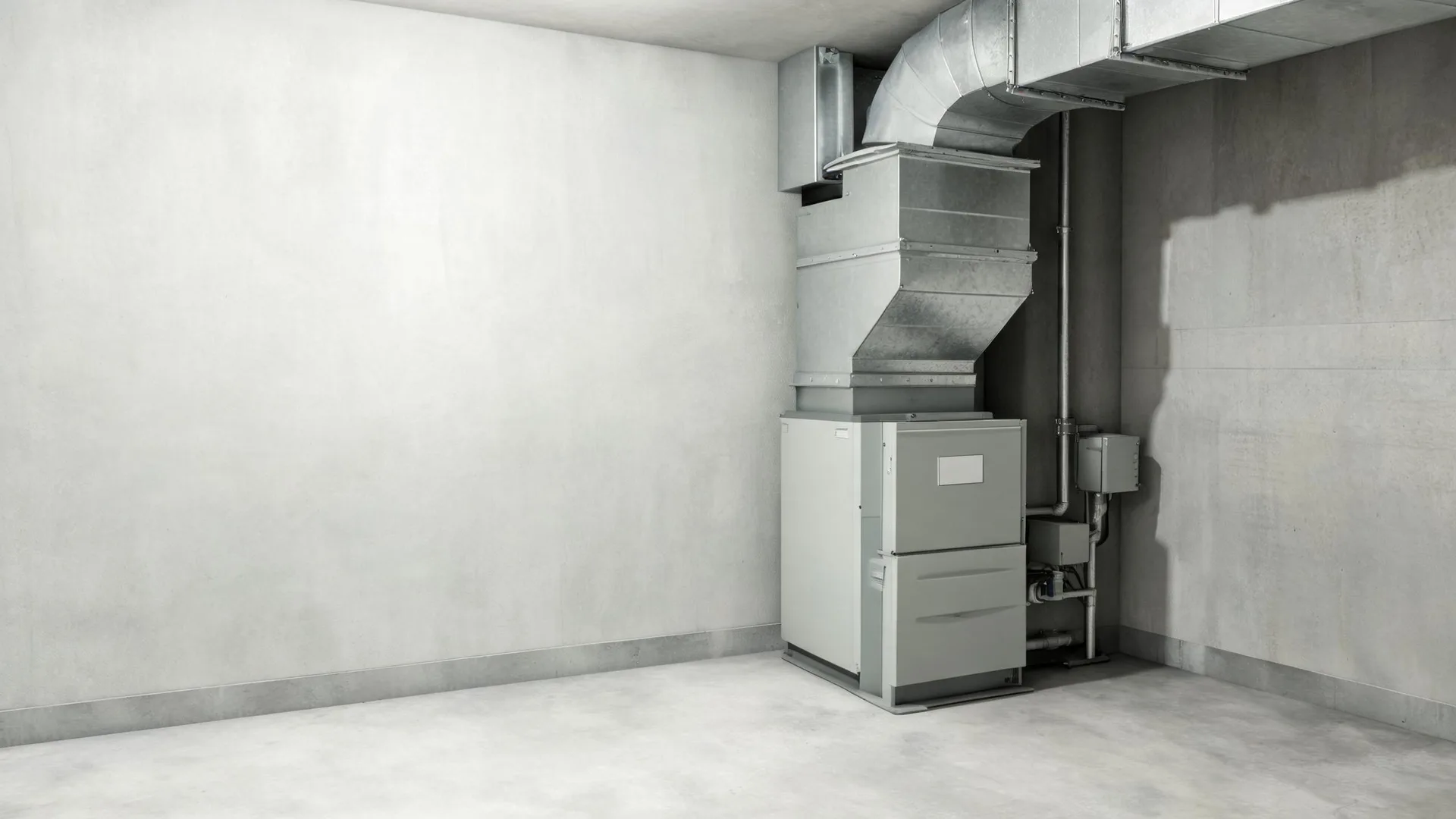
A gray residential gas furnace installed in an unfinished basement, surrounded by ductwork, a metal flue pipe, and a gas supply line.

Five months of work a year, nothing extreme

Furnaces here run about five months a year, November through March. Overnight lows average 45°F through the worst of winter, December through February, which is mild compared to what furnaces in colder states handle every night. A furnace sized and installed to standard spec can keep up with that without being pushed. Less strain over its life means a repair is usually worth doing rather than a sign the unit is done. When something does go wrong here, age or a skipped service visit is the more likely reason, not the system working too hard.

Someone has to haul it out

The old furnace doesn't get left behind for you to deal with. Removal is part of the job. The crew disconnects the electrical, pulls the cabinet out of the closet or attic, and hauls it off. If a gas unit is being swapped for electric, the old gas line gets capped off properly rather than left hanging.
What's left behind matters more than the furnace

The ductwork, the electrical circuit, and the thermostat wiring usually stay in place and get reused rather than replaced. A crew checks all of it on the way out, not just on the way in. A new furnace run through old ducts or hooked to a wrong-sized circuit won't perform the way it's rated to.

When you're comparing quotes, ask each contractor to walk you through how they arrived at the size, not just what number they landed on. Ask what the warranty covers on the furnace itself versus the labor to fix it, since those often run on different terms. Ask whether your existing ductwork can handle what the new furnace puts out, or if any of it needs to change to move air the way this unit expects. Ask what happens if the installed size doesn't match what they quoted, and who's responsible for making it right. A contractor who answers plainly, with specifics, is telling you something about how they'll handle the job itself.

Installation day starts before anyone touches the old furnace. The crew shuts off power to the unit, pulls the old furnace out, and checks the ductwork and electrical connections it's leaving behind. Setting the new furnace means leveling it, securing the cabinet, and wiring it into the electrical circuit sized for it. From there they connect the ducts, seal the joints so air isn't leaking out before it reaches the rooms, and wire up the thermostat. Once it's buttoned up, the crew runs the furnace through a full cycle, checking that the blower moves air the way it should and that the unit shuts off and restarts the way it's supposed to. Before they leave, a good crew walks through what they did and what the thermostat settings mean, so you're not guessing at it later.