





Two illuminated white colonial-style houses with wrap-around porches, flanked by oak trees draped in Spanish moss, photographed at night.

Furnace Installation in New Roads, LA

Tell us about the job

Takes about a minute. No obligation.

New system or replacementFurnace or heatingPointe Coupee Parish, LA
Step 1 of 2

What ZIP code is the job in?

Electricity heats 56.7% of homes in Pointe Coupee Parish, and gas heats 42.0%. If your house already runs on electricity, a new electric furnace or heat pump can usually go in through the wiring and setup that's already there. A gas furnace means running a gas line and venting if the house doesn't already have them. Matching what your house already has keeps the installation simpler.

5 months
November through March, your furnace is on duty
42°F
the average winter night it heats against
80% AFUE
the federal minimum any new unit must meet
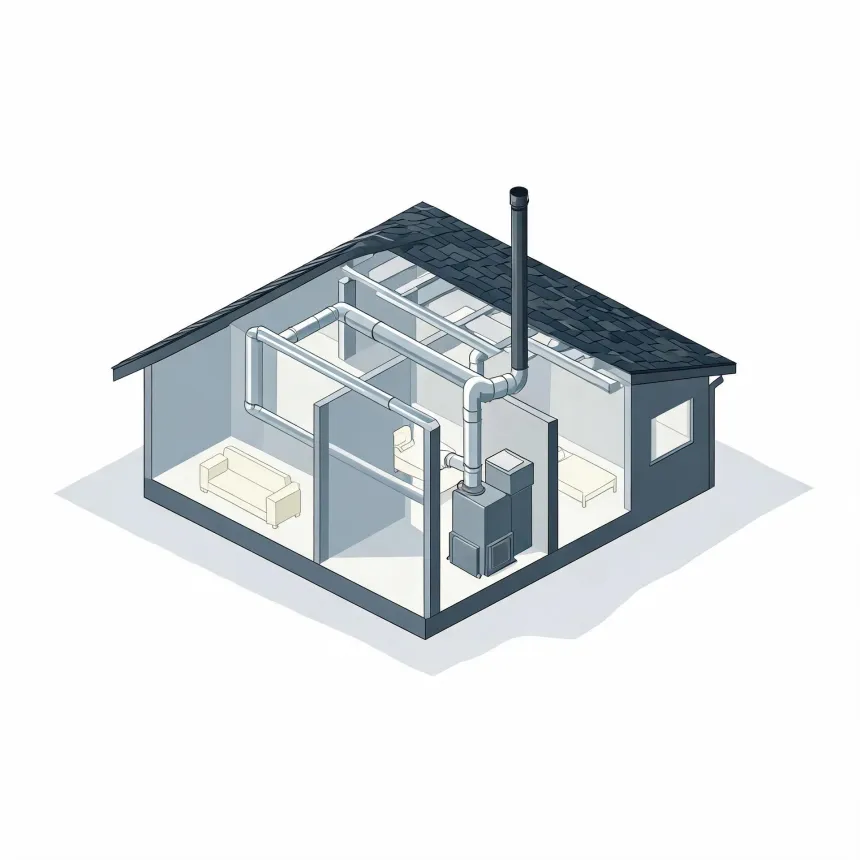
Isometric cutaway illustration of a small single-story house showing a furnace with a flue pipe through the roof and ducting running to rooms containing a sofa, chair and bed.
Your furnace works hardest from December through February.

NOAA nClimDiv, 1991–2020 normals

Pointe Coupee Parish saw 36 severe weather events between 2015 and 2024, mostly wind.

A standard furnace sized to your house is the right call here, nothing more.

Five months of mild winter doesn't ask much of a furnace

Heat runs November through March
Winter nights average 42°F
Climate zone 2A
What a New Roads winter costs to heatElectricity runs $34.38 per million Btu in Louisiana, so a basic furnace earns its keep here

October is the last easy month to get this done. Heat goes on in November and runs through March, five months of the year here. Have the new furnace in before that first cold morning and there's no rush, no space heater standing in while someone waits on a part. Wait until the house is already cold and you're choosing from whoever can come soonest, not who's the right fit for your house.

A standard furnace is the right fit for New Roads

Half the homes in Pointe Coupee Parish were built in 1985 or earlier, half in 1985 or later. Nothing about that calls for oversizing or special equipment. A correctly sized furnace, installed to match what your house already runs on, is what this job needs.

Find a contractor
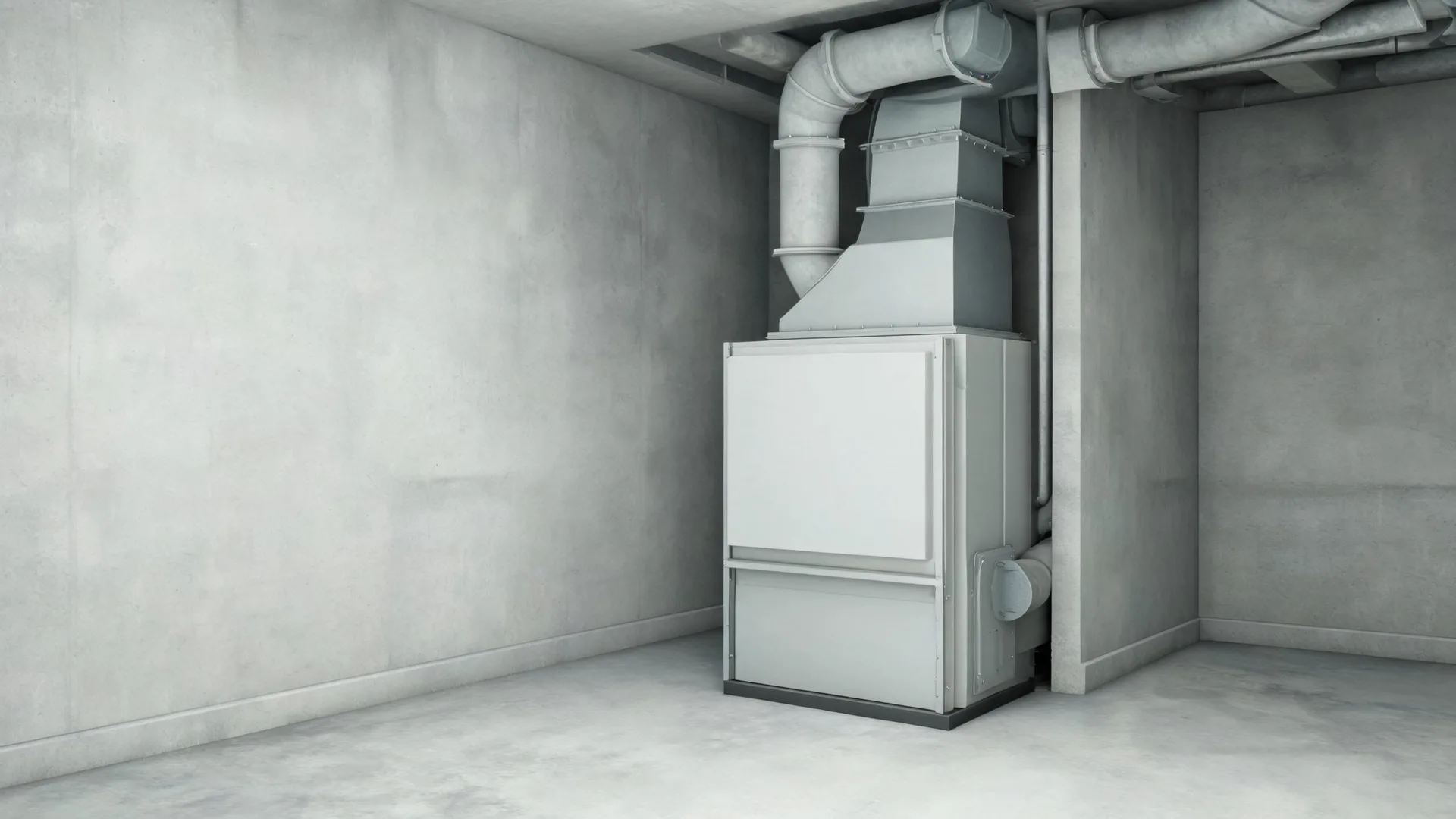
A gray residential gas furnace installed in an unfinished basement, connected to sheet-metal ductwork and PVC pipes.

A light load for most of the year

Five months of heat, and overnight lows averaging 42 in the dead of winter. That's not a system working hard to keep up. When you're comparing furnaces, put the money into correct sizing and a solid install, not the highest efficiency tier on the lot. A mid-range furnace sized right for your house will do this job for years.

The rating tells you about the fuel it burns, not the heat you feel

The efficiency number on a furnace measures how much of the fuel turns into heat for the house versus how much goes out the flue. It says nothing about how fast a room warms up or how long the furnace runs. A high number means less fuel wasted, not stronger heat.
A higher tier costs more to install and takes longer to pay back on a light load

The top efficiency tier usually means a different venting setup and a bigger price tag going in. That cost gets worked off by fuel savings over the years the furnace runs hard. A furnace that only has to carry the house through a short, mild winter isn't burning enough fuel for that gap to close quickly.

Sizing moves the price more than anything else. A furnace too big for the house cycles on and off instead of running a steady stretch. That short cycling wears on the ignition system and the blower motor faster than normal use would. A furnace too small runs constantly and never catches up. Getting the size right takes a room by room look at the house, not a guess from square footage, and that load calculation is itself part of what an installation costs. Venting adds to the bill too. A furnace that vents through a plain pipe is a simpler job than one that needs a dedicated line run to the outside. Ductwork is the other big swing. If what's there fits the new furnace, the installer connects to it. If the ducts are undersized, leaky, or poorly routed, resizing or sealing them before the furnace goes in adds real work, and skipping that step means the new furnace never performs the way it should.

Installation day starts with the old furnace coming out. The installer disconnects the gas line or wiring, pulls the old unit, and checks what's behind it. The ductwork, the vent, the gas line if there is one, all get a look before anything new goes in. Setting the new furnace in place and making the connections is usually the fast part. What takes longer is getting the venting right and testing it, checking gas pressure or electrical draw against what the furnace calls for, then running it through a full cycle to watch it ignite clean, ramp up, and shut off the way it should. A good installer checks airflow at the registers before leaving, not just whether the furnace fires. That's what separates a furnace that's in from one that's actually set up to run right for years.