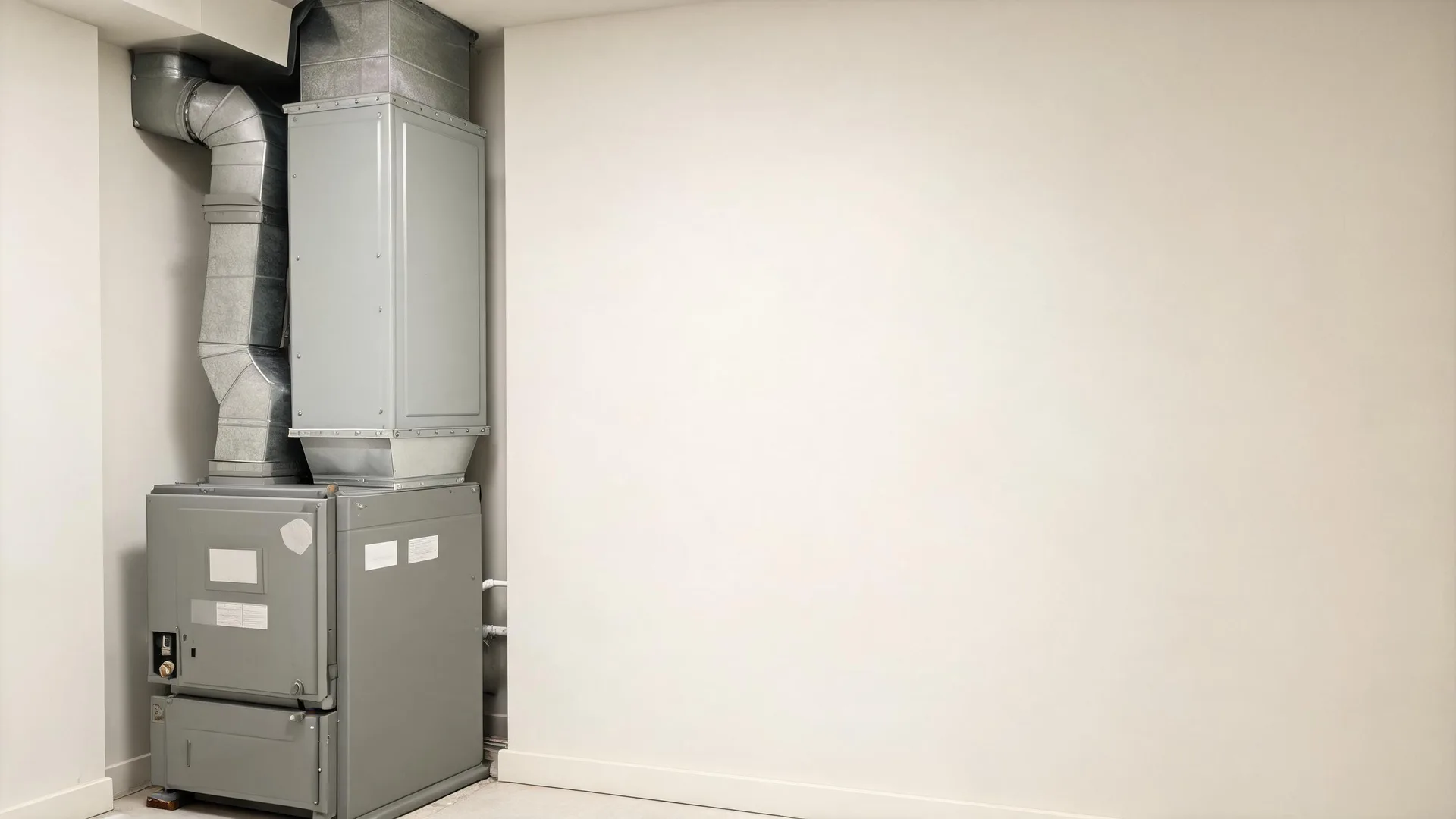
An unfinished concrete basement containing a gas furnace with sheet-metal ductwork, utility shelving, and exposed overhead joists.

Furnace Installation in Houma, LA

Tell us about the job

Takes about a minute. No obligation.

New system or replacementFurnace or heatingTerrebonne Parish, LA
Step 1 of 2

What ZIP code is the job in?

Weather here is hard on outdoor equipment

Terrebonne Parish logged 53 severe weather events between 2015 and 2024, including damaging wind, hail, and tropical storms. A furnace install should account for where any outdoor components sit and what they're exposed to.

Power cuts affect how you heat the house

Nearly half of Louisiana households lost power for 24 hours or more in 2024. A furnace that needs electricity for the blower or the ignition goes down with the grid. Ask your contractor how your new system handles that.

4 months
November through February, your furnace is on duty
48°F
the average winter night it heats against
80% AFUE
the federal minimum any new unit must meet
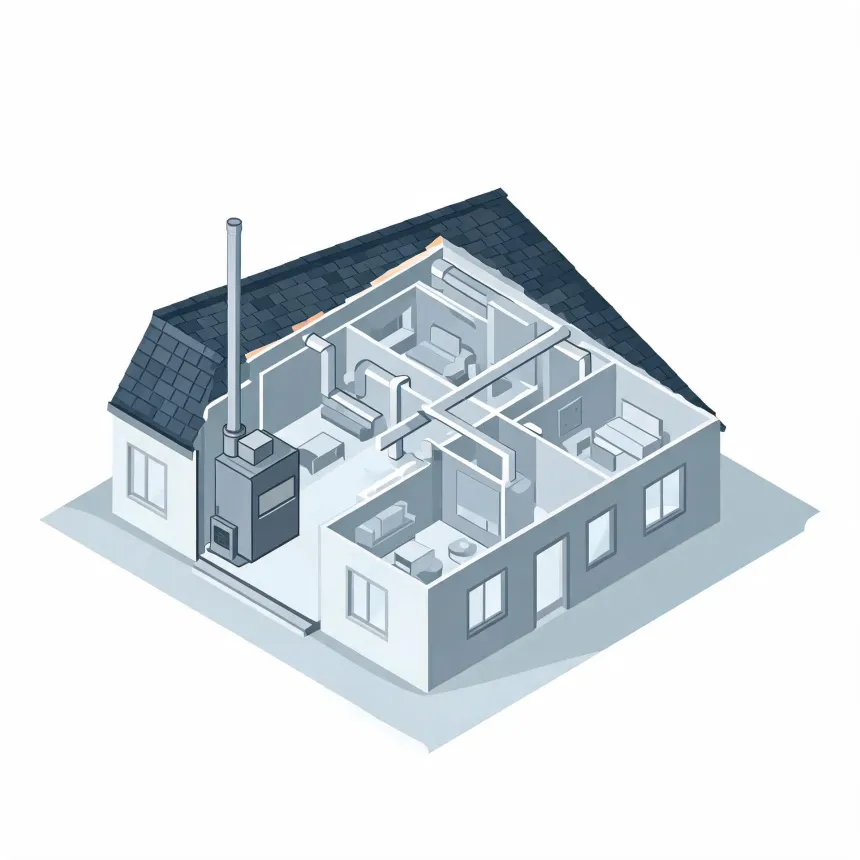
Isometric cutaway illustration of a single-story house showing interior rooms, ductwork, and a dark furnace unit with a tall flue pipe rising past the shingled roof.
Your furnace works hardest from December through February.

NOAA nClimDiv, 1991–2020 normals

Furnace season here starts in November.

Get the install done in October, so you're not waiting on a contractor the week it turns cold.

Power here is cheap, so the payback on the priciest furnace takes longer

Heat runs November through February
Winter nights average 48°F
Climate zone 2A

Electricity here runs $34.38 per million Btu, on the cheaper end nationally. That means a high-efficiency furnace takes longer to pay for itself in saved fuel than it would somewhere power costs more. It doesn't make efficiency worthless. It just means efficiency shouldn't be the deciding factor on its own. Ask your contractor how the unit holds up to outages and rough weather, and how fast they can get parts if something fails. A furnace that's easy to service and fits your cabinet and venting will likely serve you better here than one that's simply the most efficient model on the lot.

Four months of heat a year is not a hard life for a furnace

Furnaces here run November through February, and overnight lows average 48°F across those months. That's a mild load compared to colder states. A mid-range furnace sized right for your house will handle it without strain, and the money saved on the unit is worth more than a jump in efficiency you'll barely use.

Find a contractor
A man in a dark shirt and brown work pants, seen from behind, carries a worn canvas tool bag up porch steps toward a dark front door, with a potted shrub to the right.
A gray residential gas furnace installed in an unfinished basement, connected to sheet-metal ductwork and PVC pipes.

The right size is calculated, not guessed

Sizing a furnace comes down to matching its output to how fast the house loses heat. A contractor works that out room by room, counting windows, walls and ceiling area, not by reading the square footage off a listing. Too big and the furnace blasts the house up to temperature and shuts off before it finishes a full cycle. It never runs long enough to heat evenly or pull moisture out of the air. Too small and it runs constantly, straining to keep up on the coldest nights and still falling short. Oversizing is the more common mistake, since it feels safer to go bigger, but a furnace that short-cycles wears out its igniter and blower motor faster than one that runs full, even cycles. The load calculation is the part worth asking about. A contractor who skips it and just matches the old furnace's size is guessing on whatever the last install got wrong, and guessing again on anything that's changed since.

The old furnace doesn't just unplug and lift out

A gas line, a flue or vent pipe, the ductwork and the electrical all tie into it. Each one gets disconnected and capped or sealed properly before the unit comes off the platform or out of the closet. A leaking gas line or an open flue left behind is a real hazard, so this step gets checked, not skipped.

The new furnace may not fit what the old one left behind

Venting, return size and gas line diameter were matched to the furnace that's leaving, not the one going in. A different input or a different cabinet size can call for a different vent pipe or a resized return. A contractor who checks this before setting the new unit avoids a mismatch that shows up later.

The efficiency number on a furnace, AFUE, tells you how much of the fuel it burns turns into heat in the house versus how much goes out the flue. A furnace with a low rating sends more heat up the vent than a high-efficiency one does. That difference shows up in the gas bill, not in comfort, since either furnace will heat the house fine when it's sized right. A high-efficiency furnace is built to pull more heat out of the exhaust before it leaves, and that usually means a different venting setup than an older or lower-rated furnace used. That's worth asking about before the install starts, since it can change what the job involves, not just what the furnace costs.

Installation day starts with the gas and power shut off to the old furnace. The contractor clears the area so there's room to work before anything gets disconnected. The old unit may come out in pieces if the closet or doorway is tight. Whatever gas line, flue pipe or ductwork fed it gets capped or sealed the moment it's disconnected, not left open while the rest of the job continues. Setting the new furnace means leveling it on its base, then connecting the gas line, venting, ductwork and wiring, checking each connection before any power or gas runs through it. The last steps matter most. The gas line gets pressure-tested for leaks, the flue gets checked for draft, and the furnace gets run through a full cycle to see that it ignites, heats and shuts off the way it should.