Heat pump vs furnace in Terrebonne Parish, Louisiana

Start My Quote

Installers who work on both

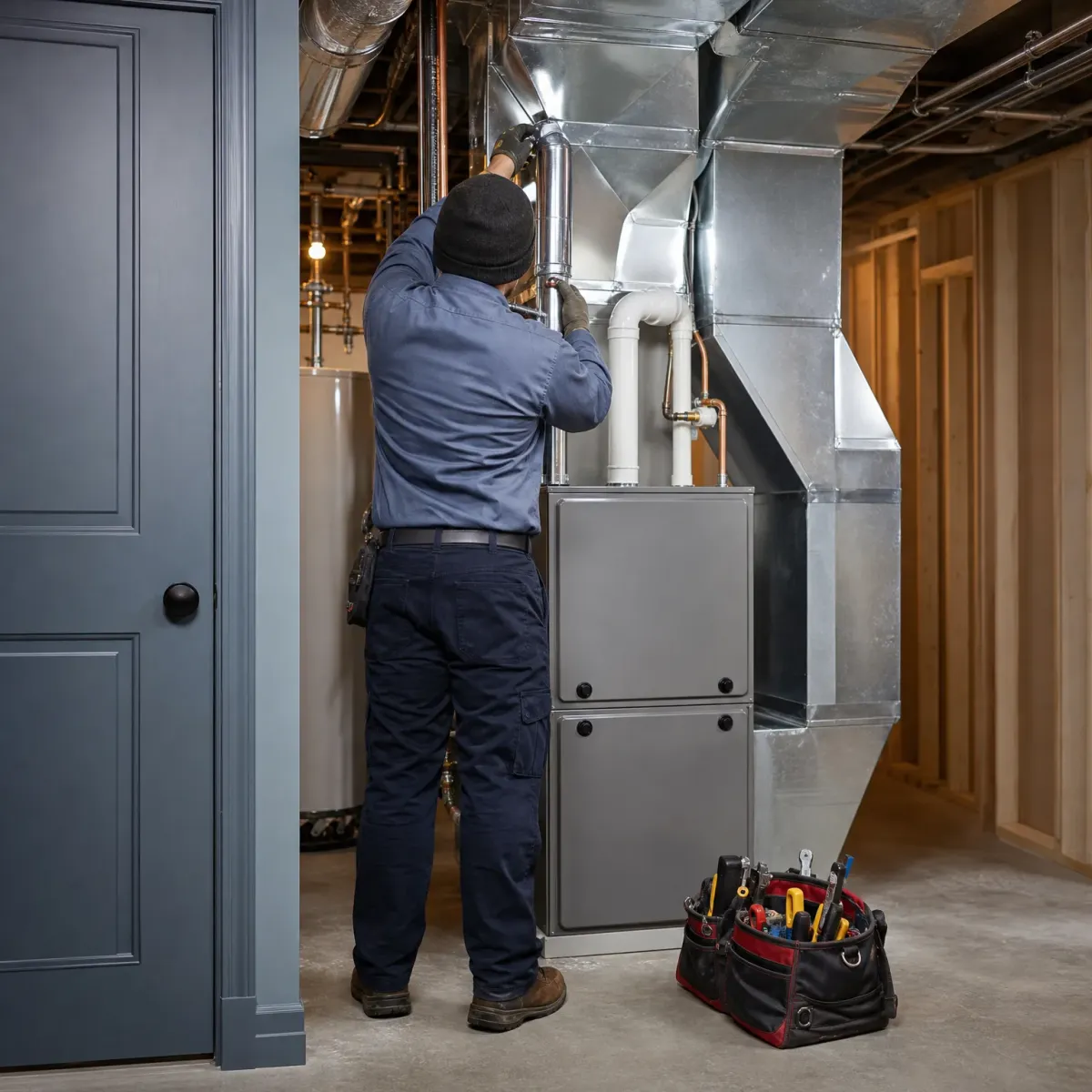
A person in a blue shirt, dark pants and knit cap works on piping above a gray furnace connected to sheet-metal ductwork in a basement, with an open tool bag on the floor nearby.

Tell us about the job

Takes about a minute. No obligation.

New system or replacementTerrebonne Parish, LA
Step 1 of 3

What kind of equipment?

Which costs less to run in Terrebonne Parish?

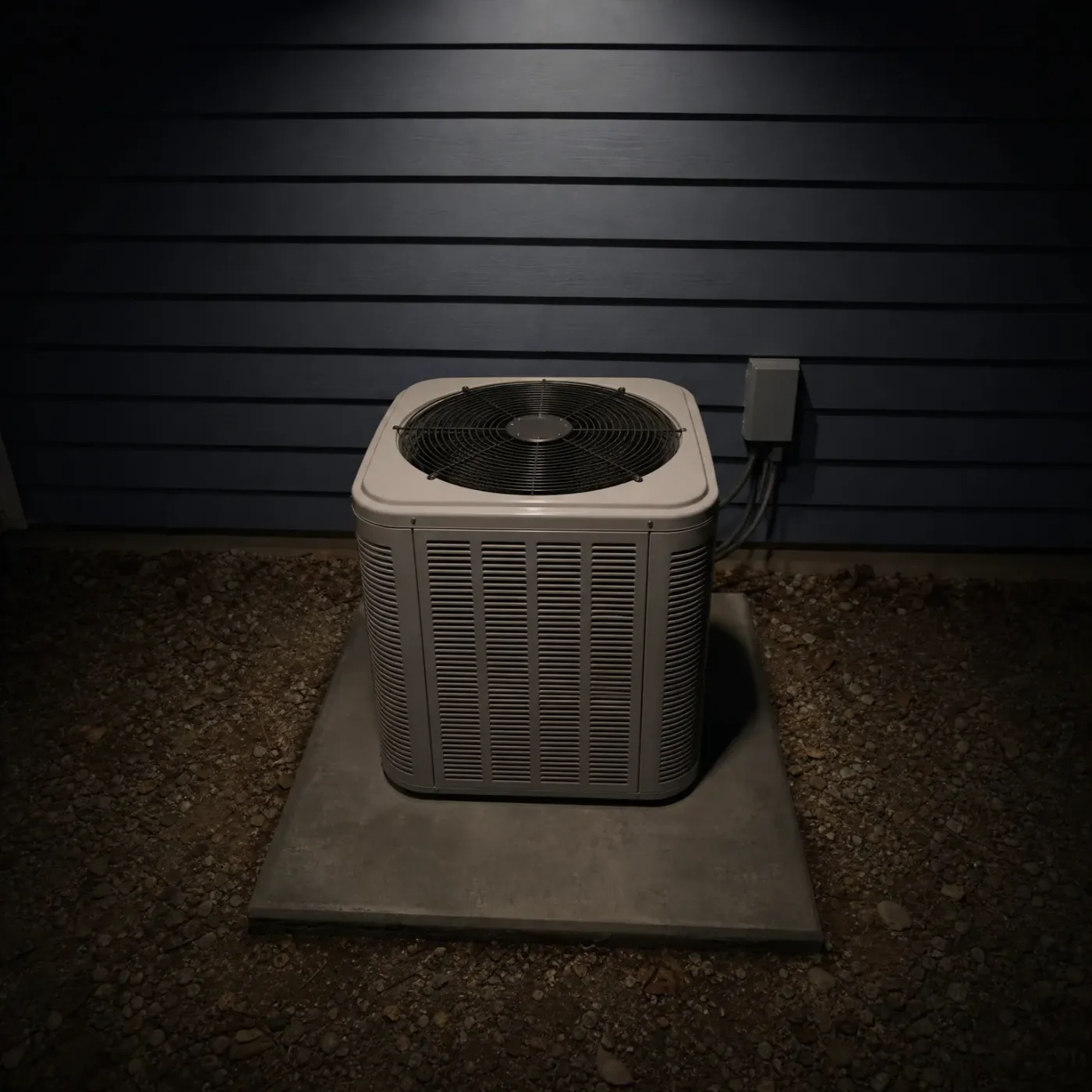
An outdoor air conditioning condenser unit on a concrete pad surrounded by gravel, against dark horizontal lap siding with a wall-mounted disconnect box and conduit, lit from above at night.

Heat pump

To heat your home here$1.56per 100,000 Btu

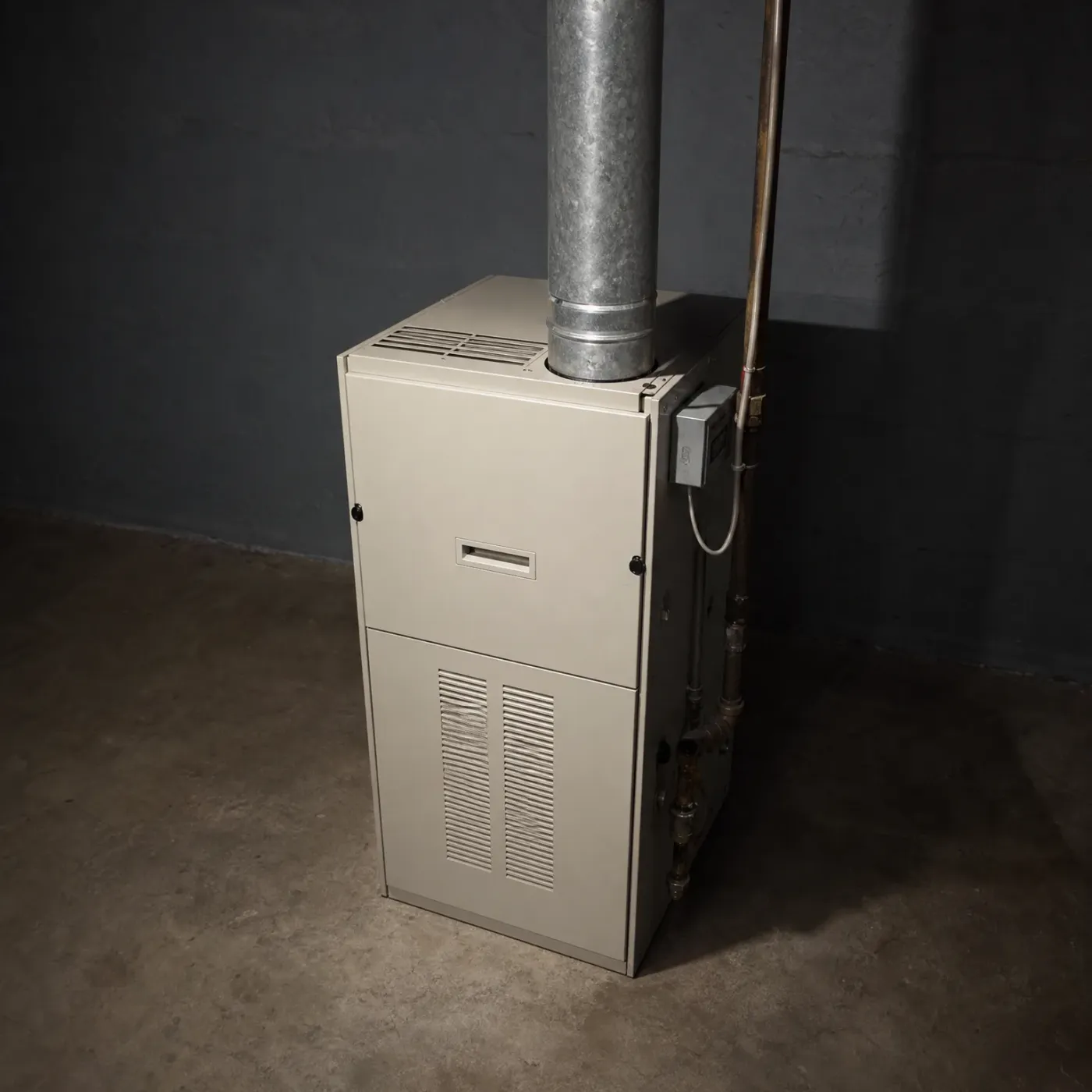
A beige forced-air furnace with louvered vent panels stands on a concrete floor against a dark gray wall, with a galvanized metal flue pipe rising from its top and copper gas piping along its right side.

Furnace

To heat your home here$2.00per 100,000 Btu

At Louisiana's gas and electricity prices, a heat pump makes the same heat as a gas furnace for about 22% less.

Btu stands for British thermal unit, the standard measure of heat energy.

Where does a heat pump shine?

  • Made for mild winters

    Winter nights here average 48°F, which is well within a heat pump's comfort zone. It won't be straining to pull heat out of air that's barely cold to begin with.

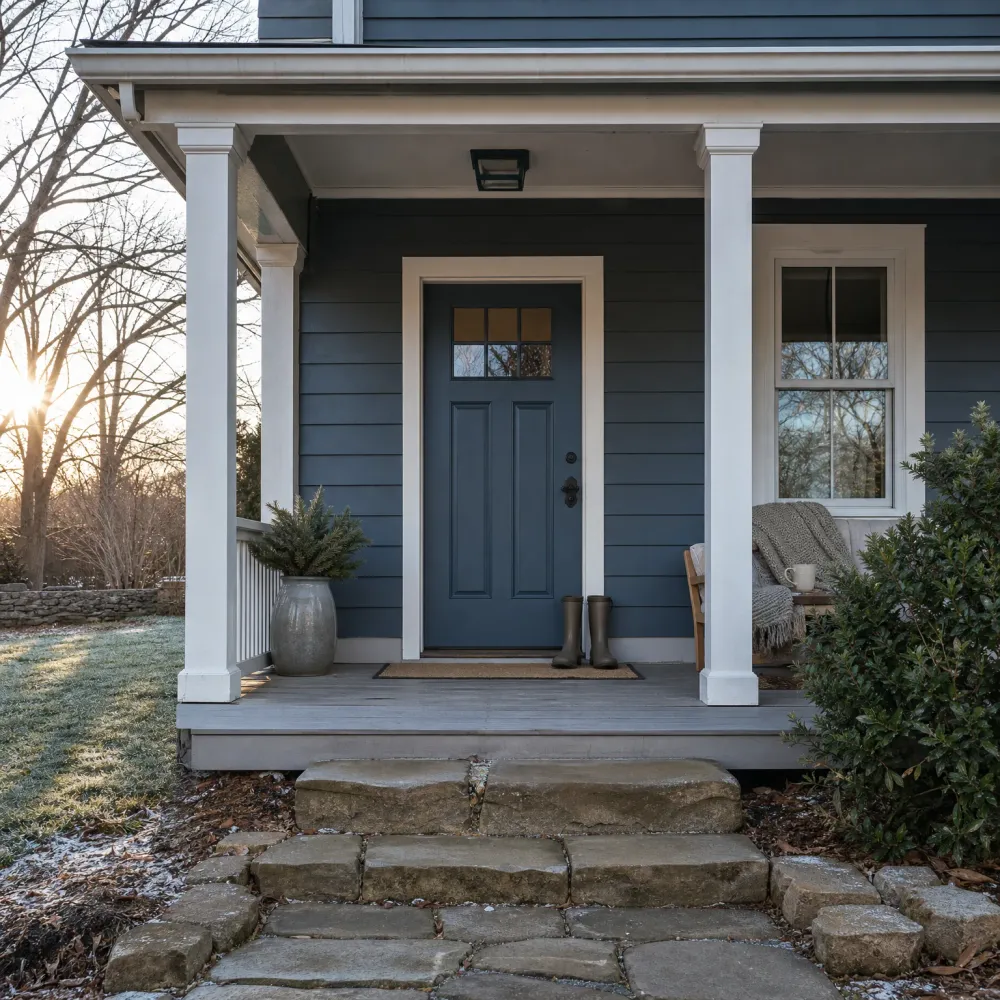
    Front porch of a blue clapboard house with white columns, a dark blue paneled door with transom windows, a potted evergreen, rubber boots on the deck, stone steps, and frost on the surrounding grass at low sun.
  • Covers a long cooling season

    Cooling runs April through October here, which is most of the year. A heat pump is built to do that job well, since it works the same way an air conditioner does when it's cooling your home.

    A covered porch at dusk with a ceiling fan, wicker sofas with gray cushions, a round wooden side table holding a glass of iced tea and a potted plant, and a dining table with chairs and flowers in the background beside a gray-sided house.
  • No gas line, nothing burning in the house

    A heat pump runs on electricity alone. Nothing burns inside the house.

    A stainless steel whistling kettle sits on a black glass cooktop set into a white marble island, with navy cabinets, a stainless refrigerator, a cutting board, a bowl of green apples, and a vase of greenery by a bright window in the background.

Where does a furnace shine?

  • Proven, simple, easy to get serviced

    Gas furnaces have heated homes for generations. Almost every HVAC tech knows them inside and out.

    A gloved hand holds a white pleated air filter in front of a furnace in a basement or garage with shelving and storage bins in the background.
  • Pairs with any central AC

    Most central air systems are built around a furnace. The two share the blower, the ducts and the thermostat.

    A metal floor vent set into wide wooden floorboards beside a window, with a sheer white curtain hanging above it in sunlight.
  • Fast, strong heat on demand

    Turn the heat up and the furnace answers right away. There's no long wait for the house to catch up.

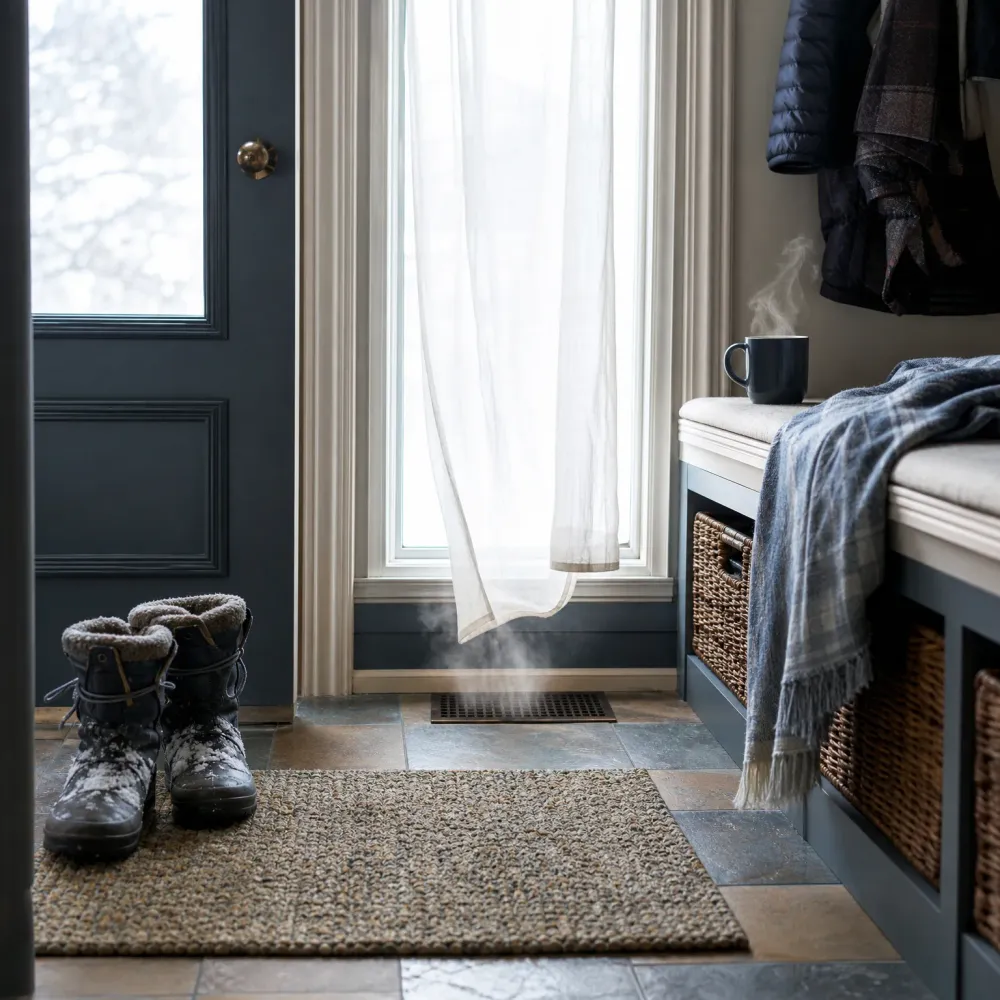
    A mudroom entry with snow-dusted winter boots on a woven jute mat, a dark blue door with glass panel, a sheer-curtained window, a floor vent emitting visible steam, and a bench with wicker baskets, a gray plaid throw, and a steaming mug.

Winters here barely test a heat pump

Your winters are short and mild, so a heat pump keeps up with almost no strain. The heat only runs about four months, November through February, and the overnight low over those months averages 48 degrees. A heat pump does its weakest work when it's coldest outside, but it's rarely truly cold here. Out of roughly 120 nights in that stretch, only about 10 drop to freezing or below. That's the small part of the season where a heat pump has to lean on backup heat strip to keep up, and it's a short list of nights, not a pattern you plan around.

Cooling is the bigger job on this house. Seven months a year, April through October, against four months of heat. The afternoon high hits 90 or above on about 75 days a year, and averages 90 straight through June, July and August. A furnace has nothing to do with any of that. It heats, and for eight months of the year it sits unused. A heat pump runs your air conditioning too, the same machine, the same ductwork, all season long.
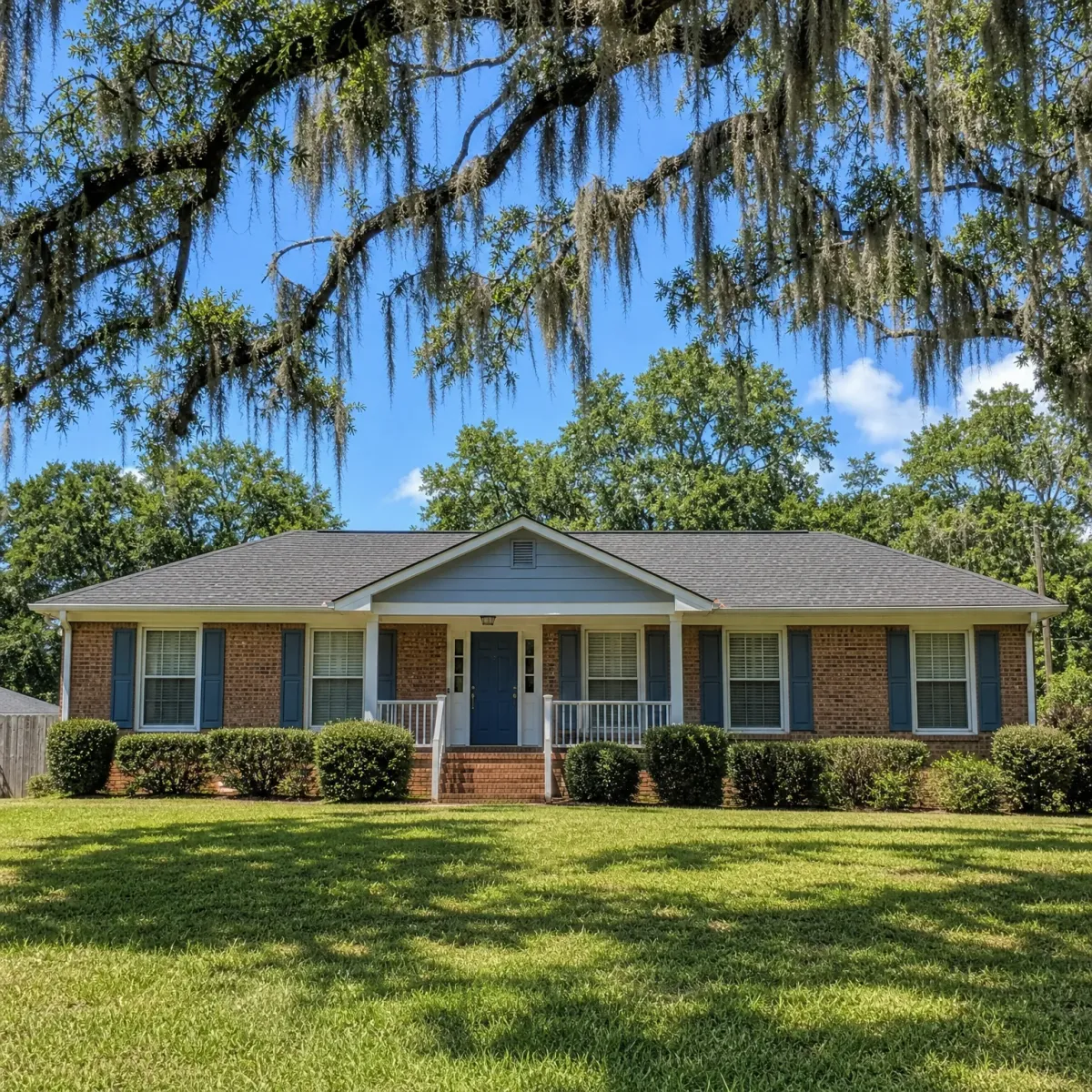
Single-story brick ranch house with blue shutters, a blue front door, and a small covered porch, set behind a mowed lawn with large moss-draped oak branches overhead.

What it costs to run, and what to weigh

At Louisiana's current fuel prices, the heat pump is cheaper to make heat with: $1.56 per 100,000 Btu against $2.00 for a gas furnace, even before you count that the same unit is also your air conditioner. That gap holds because electricity runs $34.38 per million Btu here and gas runs $16.04, but a heat pump moves heat instead of burning fuel for it, so it still comes out ahead on cost per Btu.

Two in three homes here already heat with electricity, so a heat pump isn't an odd choice for this parish. About one in three still run gas, and if your house already has a gas line and gas ductwork sized for a furnace, that counts for something: a furnace is the simpler swap, built the same way as what's likely there now, and it gives you fast, strong heat on the handful of cold nights without ever touching a backup heat strip. But if you're deciding without that constraint, the climate here is doing most of the arguing for the heat pump. It covers the long cooling season and the short mild winter with one machine, at the lower running cost of the two.

Sources: NOAA nClimDiv · NOAA 1991–2020 seasonal normals · Census ACS 2020–2024 · EIA SEDS 2024 · 10 CFR 430.32

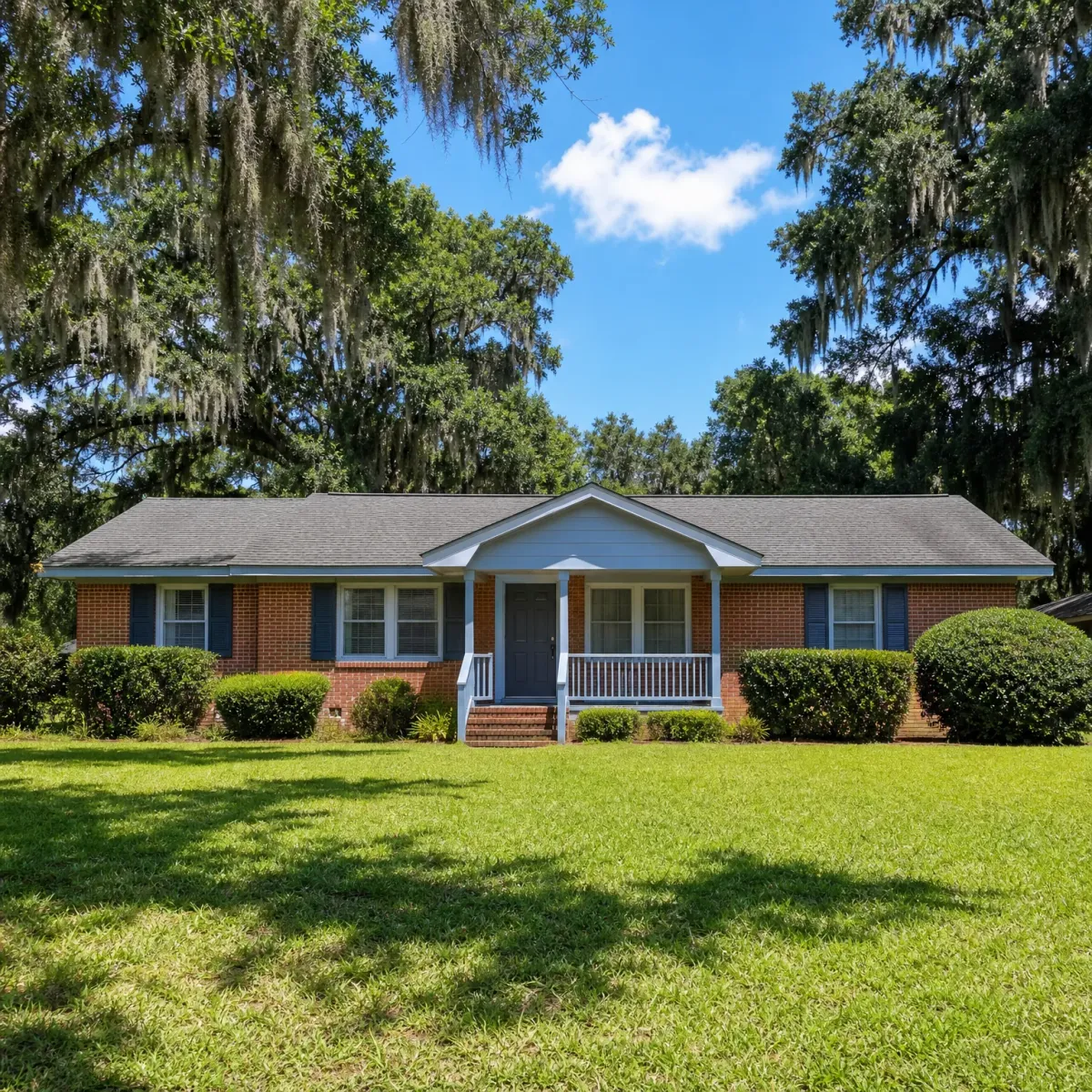
Single-story brick ranch house with gray shingled roof, blue shutters, a small covered front porch with steps, shrubs along the foundation, and a mowed lawn with large moss-draped trees behind.

Common questions about heat pumps and furnaces

  • Will a heat pump keep my house cool enough here?

    Yes. A heat pump is a central air conditioner in the summer months, built to cover the same cooling your house needs whether it's attached to a heat pump or a furnace setup. Cooling is the long season here, about seven months against four for heat, and the afternoon high hits 90°F or above on about 75 days a year, so the machine is sized and tested for that load either way.

  • Can I keep my furnace and add a heat pump?

    Yes, and that setup is common. The heat pump handles both your cooling and most of your heating, since winters here only run about four months. The furnace sits ready for the handful of nights that drop to freezing or below, about 10 a year, so you get cheap heat pump heat most of the season and strong furnace heat on the coldest nights.

  • What if my house doesn't have a gas line?

    A heat pump is usually the better fit. Without a gas line, the furnace alternative is propane or oil, both of which cost more to keep filled than running electricity to a heat pump, and a heat pump also covers your cooling for the seven months a year you need it. About two in three homes here already heat with electricity, so going that route puts you with the majority, not against it.

  • Is a heat pump cheaper to run than a furnace in Terrebonne Parish?

    Yes. A heat pump runs about $1.56 per 100,000 Btu of heat here against $2.00 for a gas furnace. That is Louisiana's actual electricity and gas prices applied to each machine at its federal minimum efficiency, so the gap holds for equipment built to the same standard.