





White plantation-style houses with wraparound porches lit at night, surrounded by Spanish moss-draped live oak trees.

Furnace Installation in New Iberia, LA

Tell us about the job

Takes about a minute. No obligation.

New system or replacementFurnace or heatingIberia Parish, LA
Step 1 of 2

What ZIP code is the job in?

Most homes in Iberia Parish heat with electricity, 64.1% of them. That usually means an electric furnace or a heat pump rather than a gas-fired one. Gas heats 33.7% of homes here, so if your house already has a gas line and a gas furnace, replacing it with another gas furnace is still the straightforward path. If you're not sure which you have, check the existing unit before you decide. Matching what's already there is almost always simpler than switching fuels.

5 months
November through March, your furnace is on duty
46°F
the average winter night it heats against
80% AFUE
the federal minimum any new unit must meet
Isometric cutaway illustration of a single-story house with a dark shingled roof, showing interior rooms with furniture, ductwork, a flue pipe, and a furnace unit.
Your furnace works hardest from December through February.

NOAA nClimDiv, 1991–2020 normals

Furnaces in New Iberia run about five months a year, November through March.

A new furnace here doesn't need to be the toughest model on the lot, just one that holds up and gets serviced on schedule.

A standard furnace is the right call here

Half the homes here were built by 1982
Heat runs November through March
Winter nights average 46°F

Electricity here runs $34.38 per million Btu, cheaper than most of the country. That changes the math on which furnace to buy. A high-efficiency model costs more up front, and with power this cheap it takes longer to earn that difference back in lower bills. A mid-efficiency furnace that holds up and gets serviced on schedule will do right by you just as well. Put the extra money toward a unit from a brand with good parts availability and a contractor who installs it correctly, rather than chasing the highest efficiency number on the lot.

Pick a furnace that holds up, and plan for the power to go out

Iberia Parish sees damaging wind, hail, and the occasional tornado most years, and about half of Louisiana households lost power for a day or more in 2024. A standard furnace handles the cold here fine. What matters more is a system a local contractor can service fast and get parts for, since storms are the thing most likely to put it out of action.

Find a contractor
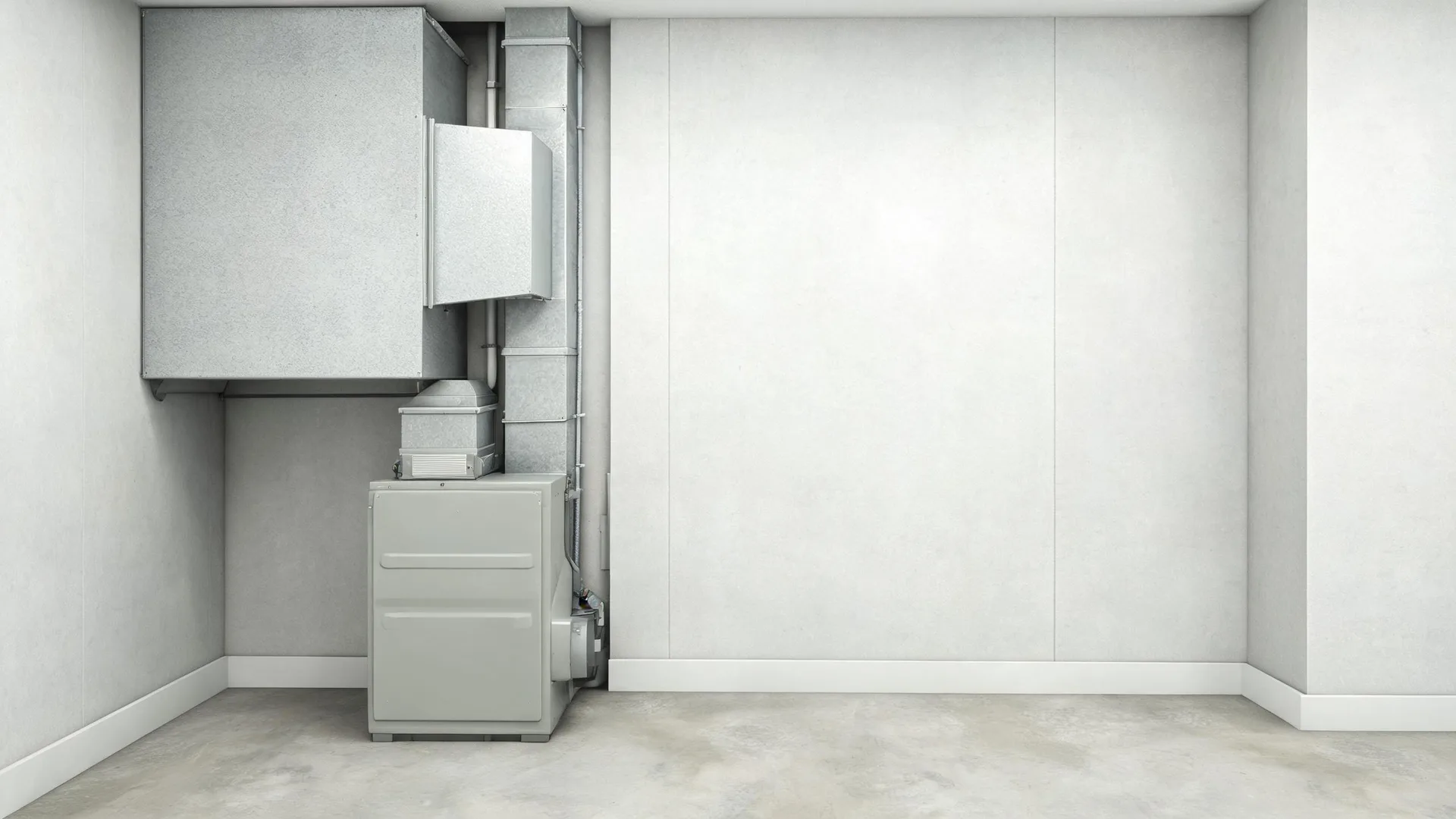
A gray gas furnace with attached ductwork and piping installed in an unfinished concrete basement.

Get it done before November, not during it

Heat runs here from November through March, five months. October is the month to get a new furnace in, before the first cold night sends everyone else's old unit into a last-minute scramble. Installers get busier once November arrives, and a furnace that fails after heat season starts doesn't wait for a convenient appointment. Doing it in October means you pick the model, pick the contractor, and the install happens on a day that works for you.

AFUE is a measure of fuel use, not heat output

The percentage on the label tells you how much of the fuel burned turns into heat for the house versus what goes out the flue. It has nothing to do with how big a space the furnace can heat. A higher number means less fuel wasted, not a stronger furnace.
The rating only pays off through the fuel it saves

A gas furnace with a higher AFUE costs more to buy and makes back the difference through lower gas bills over time, which only matters if the house is burning gas to begin with. On an electric furnace the label works differently, and a higher rating doesn't carry the same weight against the purchase price.

Ask what happens if a part fails years down the road, not just what the furnace costs today. Contractors can tell you which brands they can get parts for quickly and which ones mean a long wait, and that matters more once the unit is old than anything on a spec sheet. Ask about the heat exchanger warranty and what voids it, since that's the part most expensive to replace and the one most installers skip inspecting during a quote. Ask who pulls the permit and does the load calculation, because a furnace sized off the old unit's nameplate instead of the house itself runs short cycles and wears out faster. And ask what the installer plans to do with the existing ductwork, since a new furnace connected to leaky or undersized ducts won't perform the way the brochure says it will.

Installation day starts before anyone touches the old furnace. The contractor shuts off gas or power to the existing unit, disconnects the ductwork and flue, and hauls it out. If it's a gas furnace, expect a check of the gas line and venting, since those often get reused but need to hold up to code before the new unit connects to them. Setting the new furnace, wiring it, and connecting the ducts takes longer than people expect, and a good installer tests the burners or heat strips, checks airflow, and runs the system through a full cycle before calling it done. Ductwork that doesn't line up with the new unit gets adjusted on the spot, not left for later. A straightforward swap, same fuel type and same location, usually wraps in a day. Anything that changes, like moving the unit or switching fuels, adds time.